
Introduction
In today’s fast paced construction environment, time is no longer just money, it is reputation, scalability, and survival. Electrical BIM Services That Cut Project Delays have quickly moved from being a luxury to becoming a necessity for contractors who want to stay competitive. Delays caused by design conflicts, coordination gaps, and on site errors continue to drain project budgets and strain client relationships. Smart contractors are now shifting toward a more proactive and technology driven approach to eliminate these issues before they even reach the site.
The Growing Complexity of Electrical Systems
Electrical systems are among the most complex components in any building project. From cable trays and conduits to panels and lighting layouts, even a minor misalignment can create a chain reaction of delays. Traditional workflows rely heavily on 2D drawings and manual coordination, which leaves too much room for interpretation and error.
This is where Electrical BIM Services step in as a game changer. By enabling a coordinated and detailed representation of electrical systems, BIM reduces uncertainty and provides a clear roadmap for execution.
How Electrical BIM Improves Project Clarity
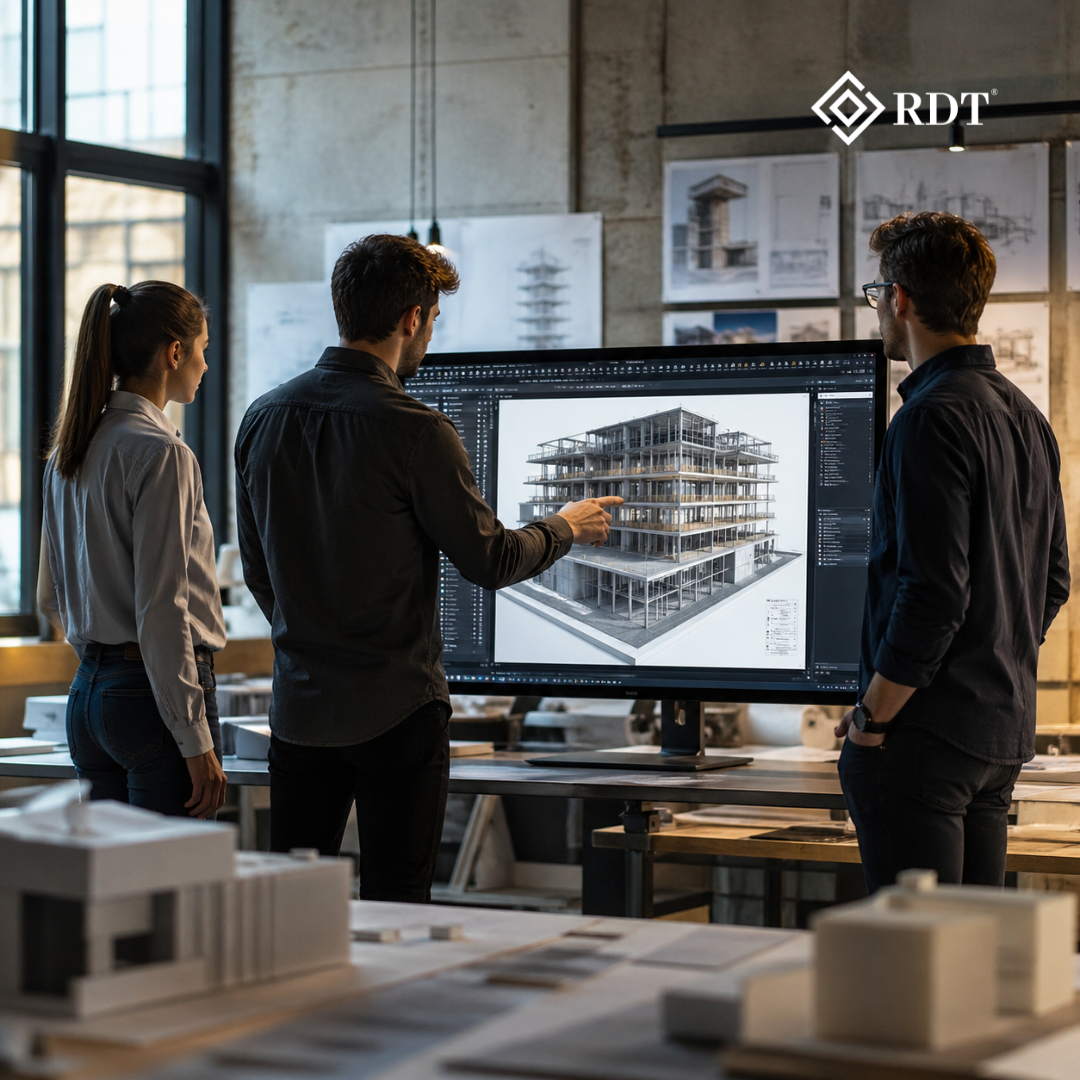
One of the main reasons contractors are adopting Electrical BIM Services is the level of clarity it brings to the project. Teams can create highly detailed 3D models that are fully integrated with architectural and structural elements. This allows every stakeholder to visualize the entire system before construction begins.
When everyone works from a shared model, decision making becomes faster and more accurate. Engineers, contractors, and clients stay aligned from the start, reducing confusion and minimizing delays caused by miscommunication.
Clash Detection Before Construction Begins
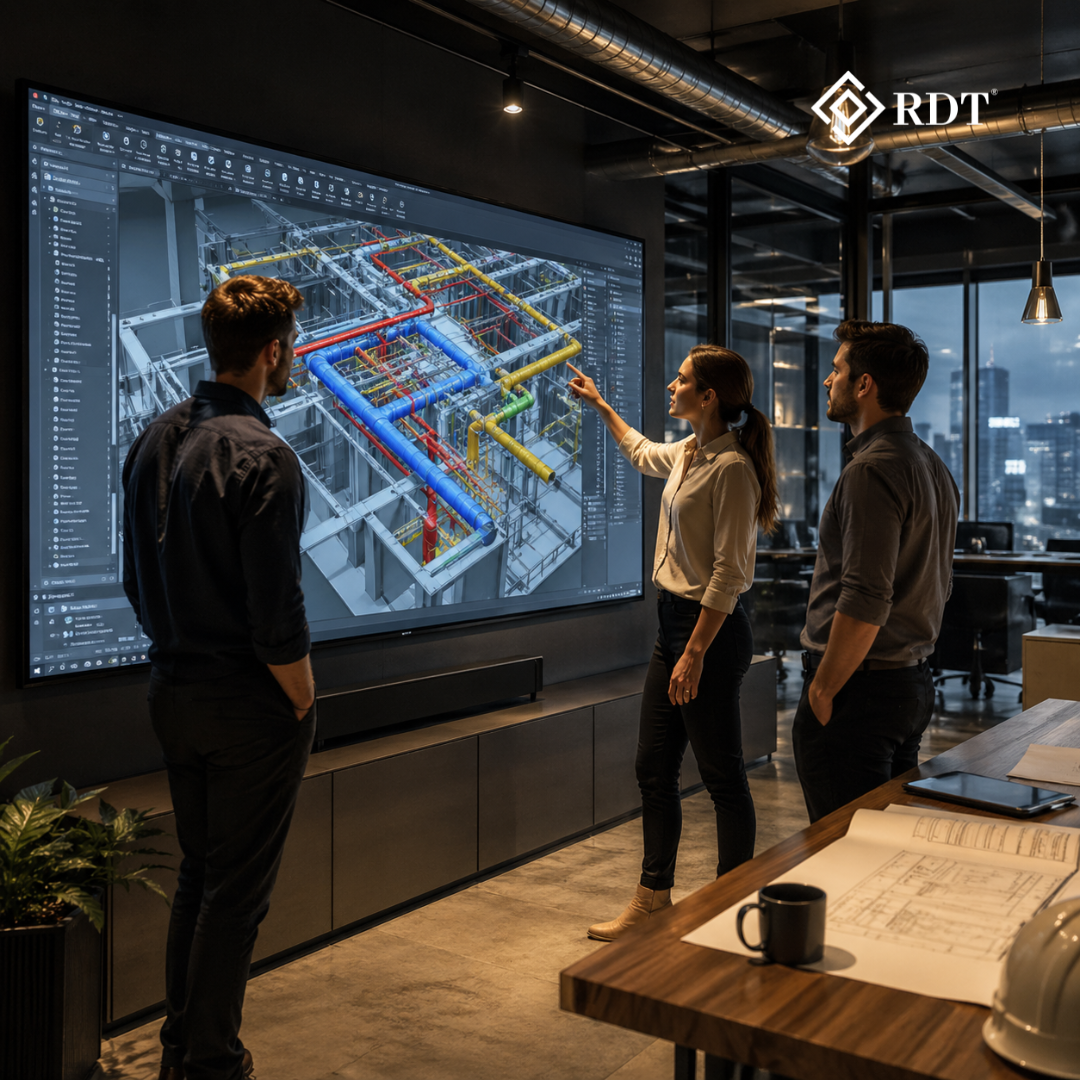
Clash detection is one of the most powerful advantages of Electrical BIM. Electrical systems often intersect with HVAC, plumbing, and structural components. Without proper coordination, these clashes are typically discovered on site, leading to costly changes and wasted time.
With BIM, these conflicts are identified and resolved digitally during the design phase. This proactive approach ensures smoother execution and significantly reduces rework, which is a major contributor to project delays.
Faster Execution Through Prefabrication
Electrical BIM Services also support prefabrication, which is transforming how projects are executed. With accurate models, contractors can fabricate electrical components off site with confidence. This improves quality control and reduces dependency on on site adjustments.
When prefabricated components arrive ready for installation, the construction process becomes faster and more efficient. This directly contributes to shorter project timelines and fewer disruptions.
Better Scheduling and Planning
Another key benefit of Electrical BIM is improved scheduling. BIM models can be integrated with project timelines to create a more realistic construction plan. Contractors can simulate different scenarios and identify potential bottlenecks before they occur.
This level of planning allows for better resource allocation and ensures that each phase of the project progresses smoothly. As a result, delays are minimized and productivity is maximized.
Cost Control and Reduced Rework
Time and cost are closely connected in construction, and Electrical BIM Services help optimize both. By identifying issues early and improving coordination, BIM reduces the need for rework. This not only saves time but also prevents unexpected expenses.
Accurate quantity takeoffs from BIM models ensure that materials are ordered correctly. This reduces waste and eliminates delays caused by material shortages or last minute changes.
Streamlined Communication Across Teams
Communication gaps are a common challenge in construction projects, especially when multiple teams are involved. Electrical BIM creates a single source of truth that everyone can rely on. Any updates made in the model are reflected across all stakeholders in real time.
This transparency ensures that everyone is working with the latest information, reducing misunderstandings and keeping the project on track.
Long Term Value Beyond Construction
Smart contractors are not just looking at immediate benefits. The data embedded in BIM models can be used for facility management, maintenance planning, and future upgrades. This adds long term value for clients and enhances the contractor’s reputation as a forward thinking partner.
By delivering more than just a completed project, contractors can build stronger relationships and secure repeat business.
Why Smart Contractors Are Making the Switch
The shift toward Electrical BIM Services is driven by the need for efficiency, accuracy, and competitiveness. Modern construction projects are becoming increasingly complex, and traditional methods are no longer sufficient.
Contractors who adopt BIM can deliver projects faster, with fewer errors, and at a lower cost. This not only improves profitability but also enhances client satisfaction. In a highly competitive industry, this advantage can make all the difference.
Overcoming the Adoption Barrier
Despite the clear benefits, some contractors hesitate to adopt BIM due to perceived costs or resistance to change. However, the cost of not adopting BIM is far greater. Delays, inefficiencies, and rework can quickly erode profit margins.
Many contractors are now partnering with specialized BIM service providers to simplify the transition. This allows them to leverage advanced capabilities without disrupting their existing workflows.
Conclusion
Electrical BIM Services are no longer optional for contractors who want to reduce delays and stay competitive. By improving coordination, enabling early problem detection, and streamlining execution, BIM has proven its ability to cut project delays by up to 50 percent.
Contractors who embrace this shift are not just keeping up with the industry, they are leading it. As projects continue to grow in complexity, the role of Electrical BIM will only become more critical.
Call to Action
If you are ready to eliminate delays, reduce rework, and deliver projects with confidence, now is the time to act. RDT Technology offers dependable Electrical BIM Services designed to function as your extended backend team, helping you achieve faster project delivery and seamless coordination at every stage. Connect with RDT Technology today and take a smarter approach to project execution.