In today’s fast moving construction environment, HVAC BIM Services That Cut Rework are no longer a luxury but a necessity for firms aiming to stay competitive. Rework has long been one of the most expensive and time consuming challenges in construction projects. From design clashes to miscommunication between disciplines, even minor coordination gaps can result in major on site delays. Forward thinking AEC firms are now turning to HVAC BIM services to eliminate these inefficiencies and bring accuracy, speed, and predictability into their workflows.
The Real Cost of Rework in HVAC Projects
Rework in HVAC systems often stems from poor coordination between architectural, structural, and MEP teams. Traditional workflows rely heavily on 2D drawings, which leave room for interpretation and errors. When these drawings are translated into real world installations, inconsistencies begin to surface.
Duct routes may conflict with beams, equipment may not fit allocated spaces, and clearances may be insufficient. These issues, when discovered on site, lead to costly changes, wasted materials, and extended timelines. Beyond direct costs, rework also impacts project reputation and client trust.
How Smart AEC Firms Are Changing the Approach
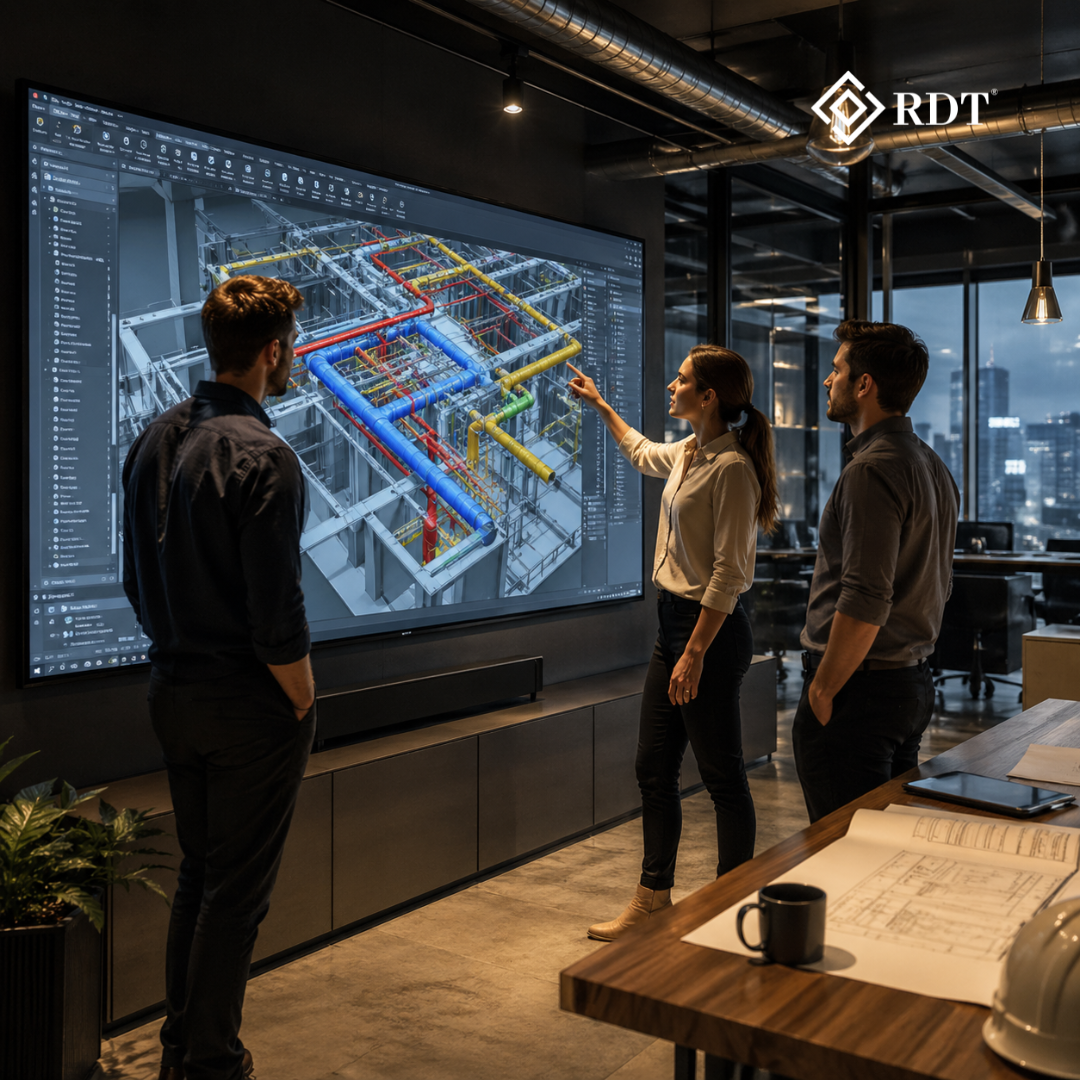
Smart AEC firms are addressing this problem at its root by adopting BIM driven HVAC modeling. Instead of working in isolation, all project stakeholders collaborate within a shared digital environment. HVAC systems are modeled in three dimensions with precise dimensions, spatial relationships, and performance data.
This approach allows teams to visualize the entire system before construction begins. Every component is checked for fit and functionality, ensuring that installation happens smoothly without last minute surprises.
Early Clash Detection for Zero Surprises
One of the key advantages of HVAC BIM services is clash detection. Advanced tools allow teams to identify conflicts between HVAC systems and other building elements at an early stage. Rather than waiting for issues to appear during installation, conflicts are resolved during the design phase itself.
This proactive approach significantly reduces the need for rework and keeps projects on schedule. It also improves coordination across disciplines, creating a more streamlined workflow.
Fabrication Level Modeling Improves Accuracy
Another major shift seen in smart AEC firms is the emphasis on detailed fabrication level modeling. Instead of generic layouts, HVAC BIM models now include accurate representations of ducts, fittings, hangers, and equipment.
This level of detail enables contractors to prefabricate components off site with confidence. Prefabrication improves quality, reduces material waste, and speeds up installation. It also minimizes disruptions on site, leading to better overall project efficiency.
Better Coordination Through Visual Collaboration
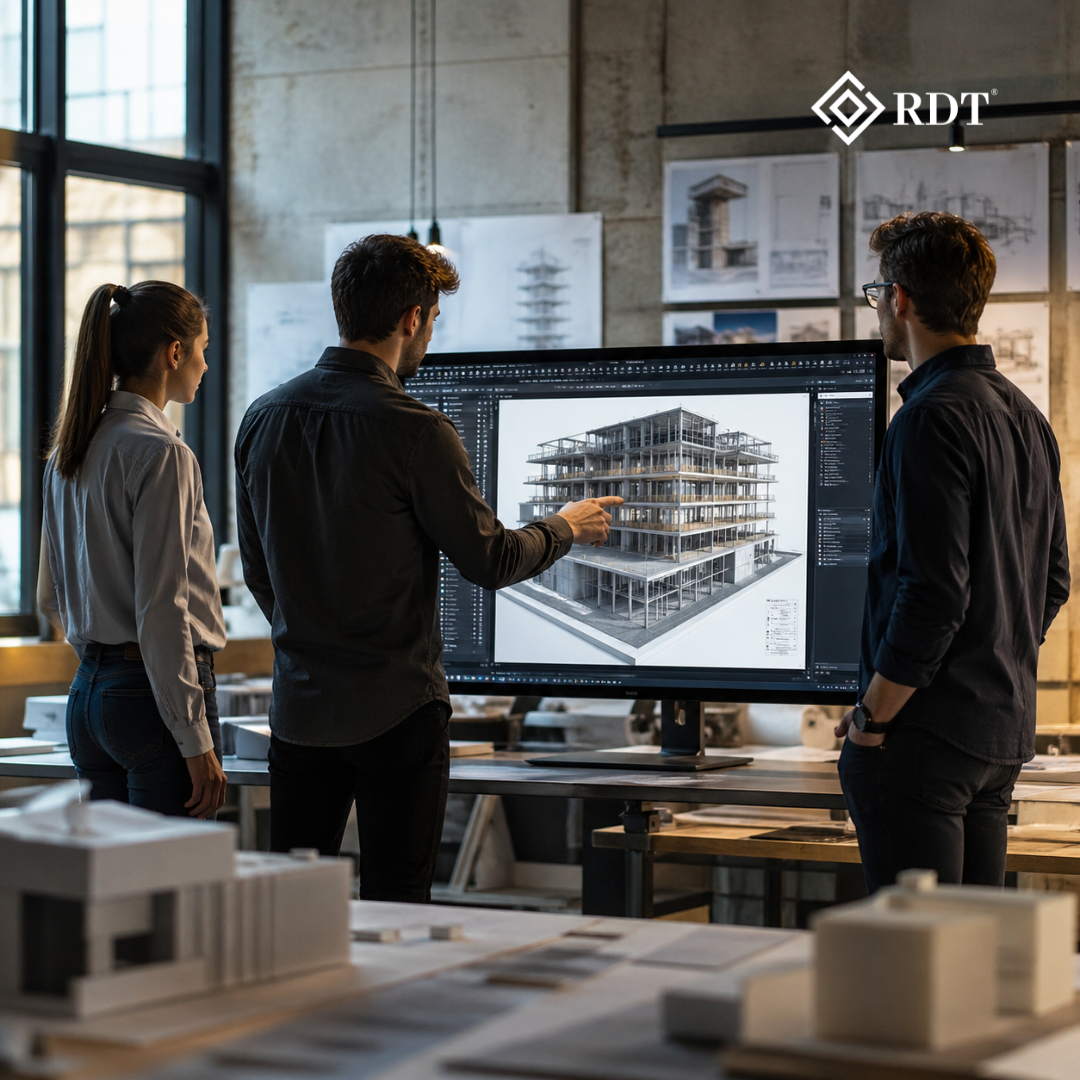
Coordination meetings have evolved with the adoption of BIM. Instead of relying on static drawings, teams use interactive models to discuss and resolve issues. This improves communication across disciplines and ensures that everyone is aligned.
When project teams have a clear visual understanding of the design, decision making becomes faster and more effective. Misinterpretations are reduced, and the overall coordination process becomes smoother.
Data Driven Design and Decision Making
HVAC BIM models are not just visual representations but also carry valuable information about system performance, materials, and specifications. This data can be used for energy analysis, cost estimation, and facility management.
By leveraging this information, firms can optimize designs for efficiency and sustainability while maintaining control over project costs. Data driven decision making helps deliver better outcomes for both contractors and clients.
The Role of Skilled BIM Teams
Successful implementation of HVAC BIM services requires expertise in both engineering principles and advanced modeling tools. Smart firms invest in dedicated BIM teams or collaborate with specialized service providers to ensure high quality outputs.
These teams act as an extension of the core project group, handling modeling, coordination, and documentation tasks with precision. Their contribution plays a key role in reducing errors and ensuring smooth project execution.
Why Outsourcing HVAC BIM Services Works
Outsourcing HVAC BIM services has become a strategic move for many AEC firms. By partnering with experienced teams, companies can scale their operations without the need for extensive in house hiring.
This approach provides flexibility, cost efficiency, and access to global talent. It also allows internal teams to focus on design and client engagement while backend execution is handled seamlessly by experts.
Faster Delivery and Better Cost Control
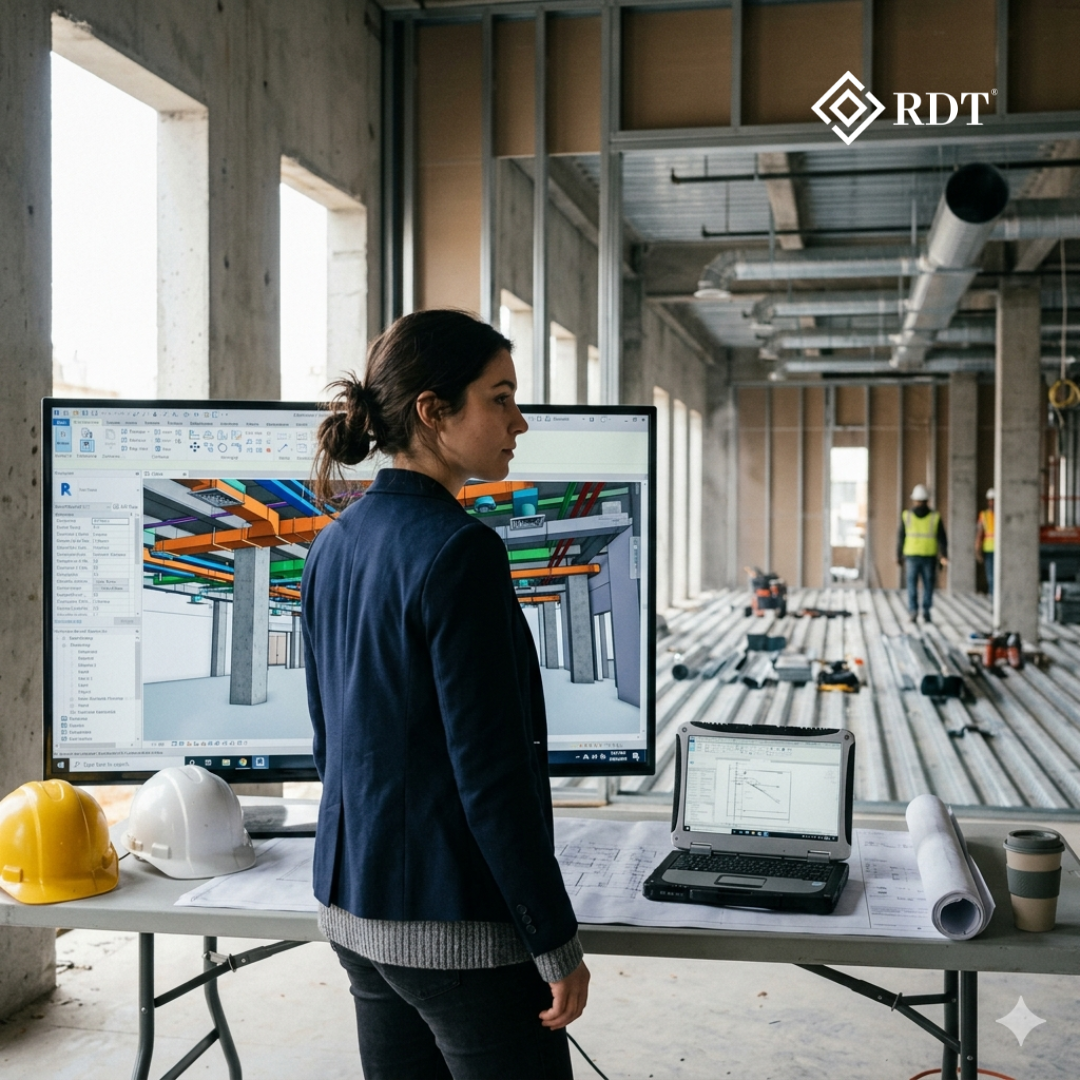
Time savings achieved through HVAC BIM services are substantial. With accurate models and coordinated designs, construction activities proceed with fewer interruptions. Installation teams can work with confidence, knowing that the design has been thoroughly validated.
Cost control is another critical benefit. Rework not only increases labor costs but also leads to material wastage and delays. By minimizing errors and ensuring first time right execution, HVAC BIM services help firms maintain tight control over project budgets.
Improved Quality and Reliable Outcomes
Quality assurance is strengthened through BIM based workflows. Every element in the HVAC system is modeled with precision and checked against project requirements. This ensures that installations meet both design intent and industry standards.
The result is a reliable and high performing system that delivers long term value to clients. Consistency in quality also enhances the firm’s reputation and builds trust with stakeholders.
Conclusion
As the construction industry continues to evolve, the adoption of HVAC BIM services is becoming a defining factor for success. Firms that embrace this approach are able to deliver projects with greater efficiency, accuracy, and confidence.
The difference lies in mindset as much as technology. Smart firms prioritize collaboration, invest in digital tools, and focus on proactive problem solving. They understand that preventing issues is far more effective than fixing them later.
Get Started with the Right BIM Partner
If you are looking to reduce rework, improve coordination, and deliver projects with greater confidence, it is time to upgrade your workflow with expert HVAC BIM support. Partner with RDT Technology to streamline your project execution with precision driven BIM services designed for real world construction challenges.