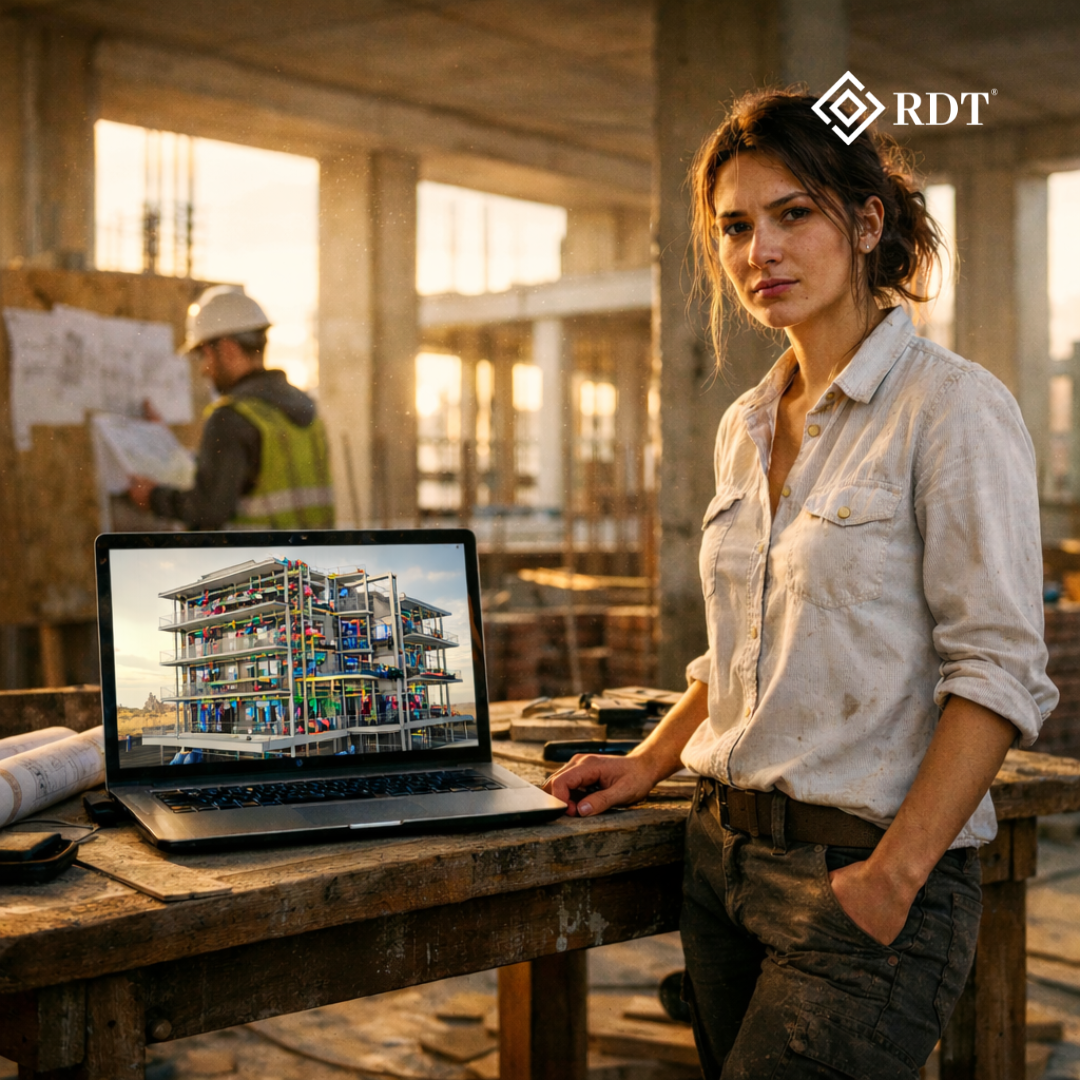
The construction industry is evolving at a rapid pace, and digital workflows are no longer optional. Architectural BIM Services Explained is not just a trending phrase but a practical approach that is reshaping how buildings are designed, reviewed, and delivered. From concept to construction, Building Information Modeling brings clarity, coordination, and control to every stage of a project. For architects, developers, and contractors, it has become a reliable way to reduce inefficiencies and deliver better outcomes.
What Are Architectural BIM Services
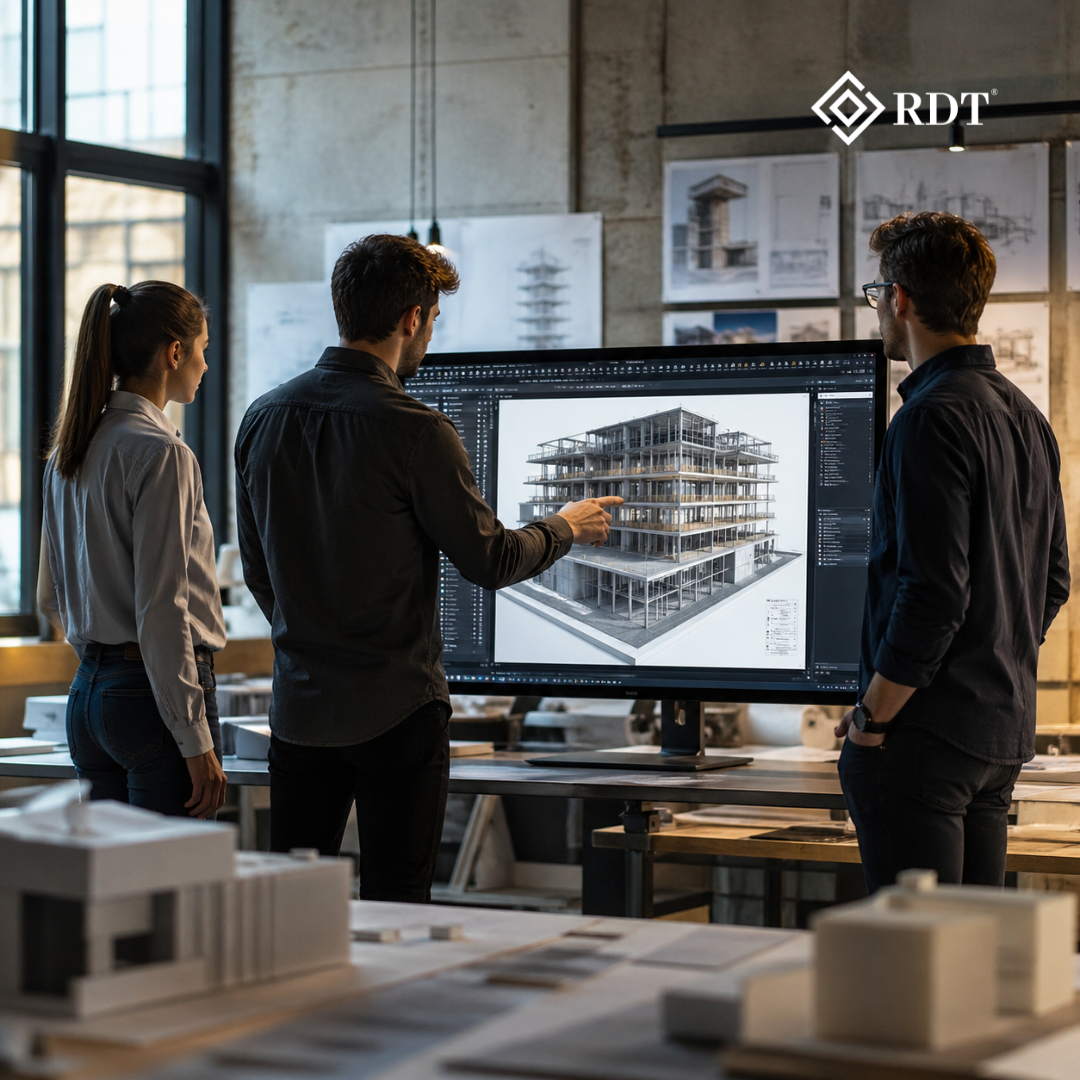
Architectural BIM services involve the creation and management of intelligent 3D models that go far beyond visual representation. These models include detailed information about materials, dimensions, systems, and performance. Instead of relying on disconnected drawings, teams work within a centralized model that acts as a single source of truth.
This integrated approach allows architects, engineers, and stakeholders to collaborate seamlessly. Every update made to the model is reflected across all views, ensuring consistency and eliminating the risk of working with outdated information.
Faster Approvals Through Better Visualization
One of the most significant advantages of BIM is the ability to accelerate approval processes. Traditional design workflows often involve multiple revisions, unclear drawings, and communication gaps that slow down decision making.
With BIM, designs are presented in a highly visual and data rich format. Clients and approval authorities can easily understand the project through realistic 3D views and detailed layouts. This clarity reduces misunderstandings and minimizes the need for repeated revisions.
As a result, approvals are obtained faster because stakeholders have a clear and accurate representation of the final outcome. The ability to review and validate designs early builds confidence and streamlines the entire approval cycle.
Improved Coordination and Clash Detection
In conventional workflows, coordination between different disciplines can be challenging. Architectural, structural, and MEP systems are often designed separately, leading to conflicts during construction.
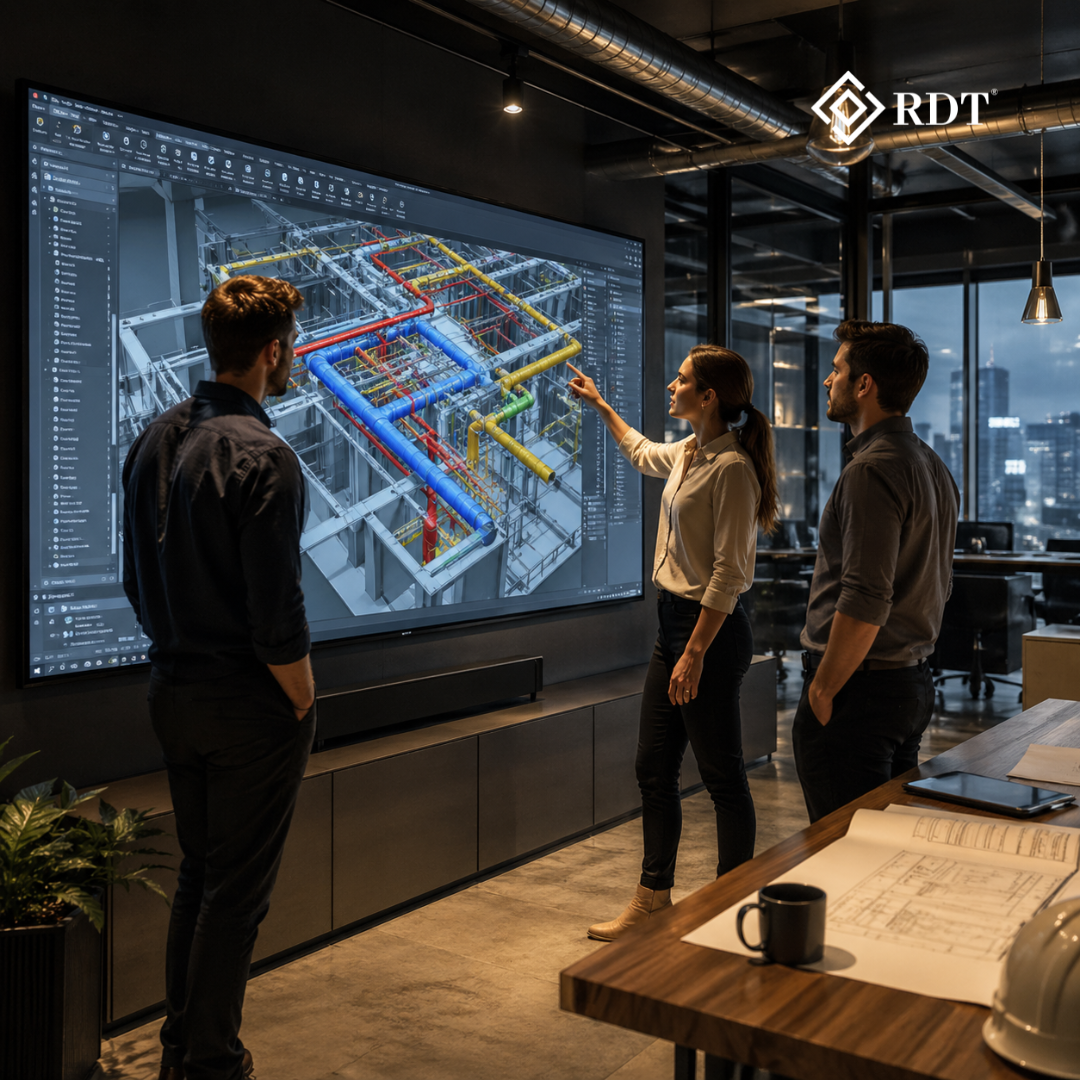
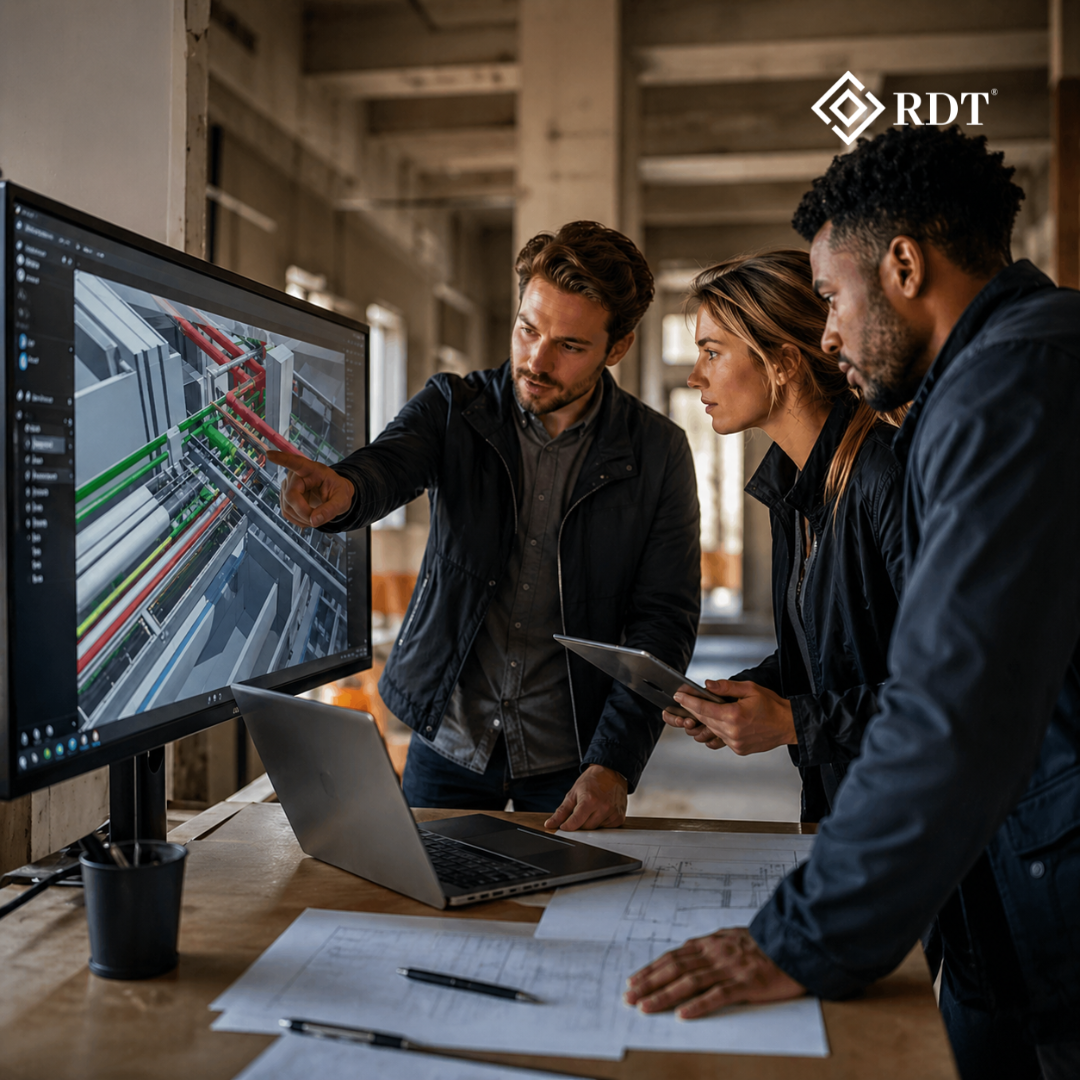
BIM eliminates this issue by bringing all disciplines into a shared environment. Clash detection tools identify potential conflicts between systems at the design stage itself. This proactive approach ensures that problems are resolved before they reach the construction site.
Improved coordination not only saves time but also reduces costly rework. It enables smoother execution and ensures that construction progresses without unnecessary interruptions.
Lower Costs with Accurate Planning
Cost control is a critical factor in any construction project, and BIM plays a key role in improving financial efficiency. By extracting quantities directly from the model, project teams gain accurate insights into material requirements and costs.
This level of precision helps in preparing reliable budgets and avoiding unexpected expenses. It also allows teams to evaluate different design options and choose the most cost effective solutions without compromising quality.
Additionally, reduced errors and rework translate into significant cost savings. When issues are identified and resolved early, there is less need for corrections during construction, which often come with high costs.
Enhanced Design Quality and Decision Making
Architectural BIM services empower teams to make better design decisions. With access to detailed information and real time updates, architects can explore multiple design alternatives and assess their impact before finalizing a solution.
The ability to simulate different scenarios improves overall design quality. Factors such as space utilization, energy performance, and material efficiency can be analyzed within the model. This leads to smarter designs that are both functional and sustainable.
Better decision making also results in improved client satisfaction. When clients are involved in the design process through clear visualizations, they are more likely to approve and support the final outcome.
Streamlined Construction Process
BIM does not stop at the design stage. It continues to add value during construction by providing accurate and coordinated information to all stakeholders.
Contractors can use BIM models for planning, scheduling, and execution. The clarity offered by the model reduces ambiguity and ensures that construction activities are carried out as intended. This leads to improved productivity and fewer delays.
Moreover, BIM enables better communication between on site teams and design teams. Any changes or updates can be incorporated into the model and shared instantly, ensuring that everyone stays aligned.
Long Term Benefits Beyond Construction
The advantages of BIM extend beyond project completion. The data embedded in BIM models can be used for facility management and maintenance.
Building owners can access detailed information about systems, materials, and components, making it easier to manage operations efficiently. This long term value makes BIM an investment rather than just a design tool.
From maintenance planning to future renovations, BIM provides a comprehensive database that supports the entire lifecycle of a building.
Why Architectural BIM Services Are Essential Today
As projects become more complex, the need for efficient and reliable workflows continues to grow. Architectural BIM services address this need by offering a structured and collaborative approach to design and construction.
They reduce uncertainties, improve communication, and enhance overall project performance. In a competitive industry, adopting BIM is no longer a choice but a necessity for firms that want to stay ahead.
Conclusion
Architectural BIM services are transforming the way buildings are designed and delivered. By enabling faster approvals, reducing costs, and improving build quality, BIM creates a strong foundation for successful project execution.
From early design stages to long term facility management, the benefits of BIM are evident at every step. It brings together people, processes, and technology into a unified system that drives efficiency and innovation.
If you are looking to streamline your design process, reduce costs, and deliver high quality projects with confidence, now is the time to adopt BIM.
RDT Technology offers reliable and efficient Architectural BIM Services tailored to support your projects at every stage. Partner with RDT Technology as your extended team and experience smoother workflows, faster approvals, and better project outcomes.