Introduction
The AEC industry is evolving faster than ever, and at the center of this transformation is The 3D Modeling Revolution in AEC. This shift is not just about adopting new tools. It is about redefining how projects are planned, visualized, coordinated, and executed. Leading firms have already moved beyond basic usage and are leveraging 3D modeling as a strategic advantage that drives efficiency, clarity, and control across every phase of a project.
While many firms are still exploring its potential, top performers are quietly setting new benchmarks. They understand something others do not. 3D modeling is not just a technical capability. It is a complete system that transforms how decisions are made and how outcomes are delivered.
A Centralized Source of Project Intelligence
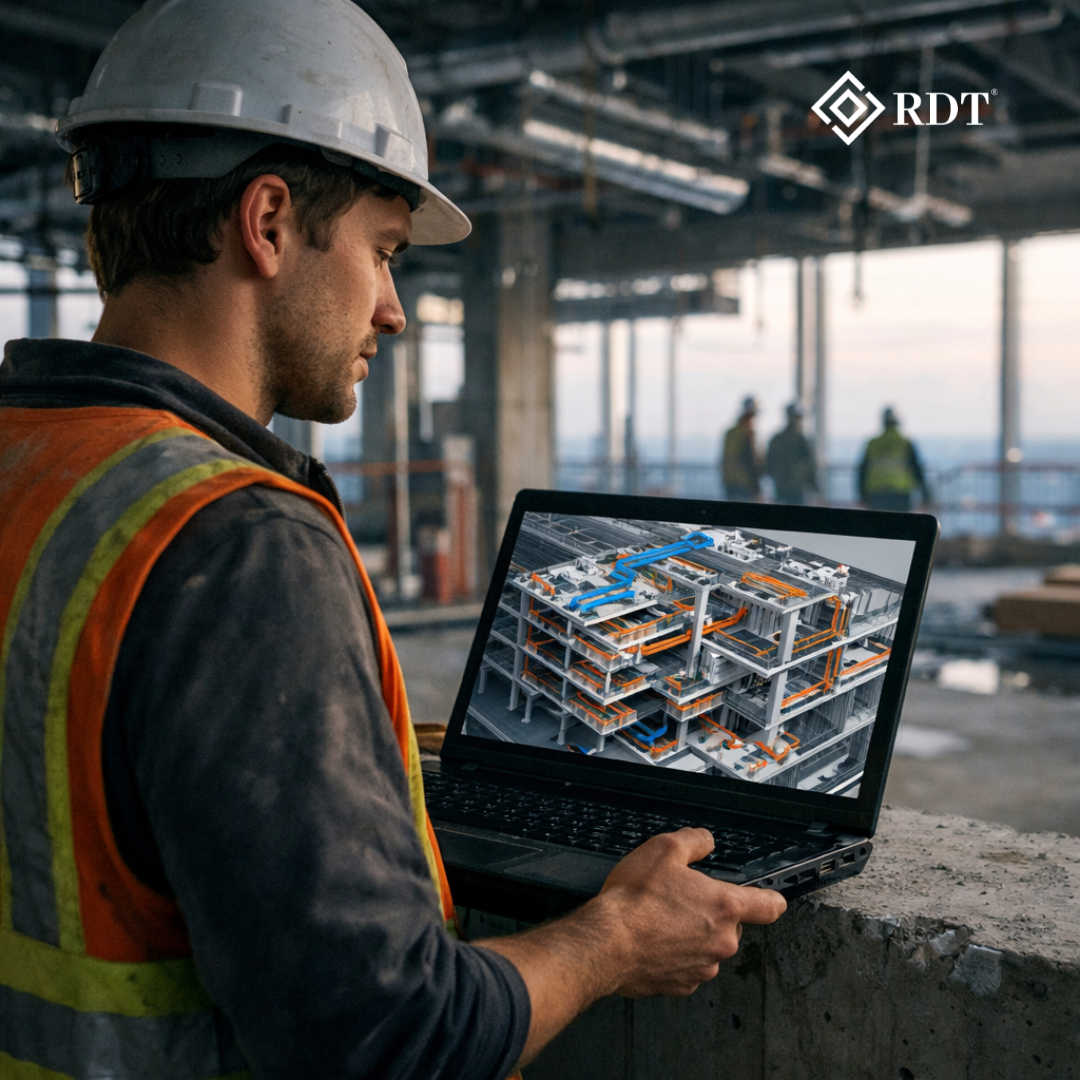
Top AEC firms treat 3D modeling as the backbone of their workflow. Instead of working with fragmented inputs, they build comprehensive digital environments that act as a single source of truth. Every component of the project exists within this unified model, allowing teams to access accurate and consistent information at all times.
These models are not limited to visual representation. They contain detailed intelligence about geometry, materials, spatial relationships, and system interactions. This depth of information enables teams to make better decisions early, reducing uncertainty and improving overall project quality.
Precision Driven Coordination
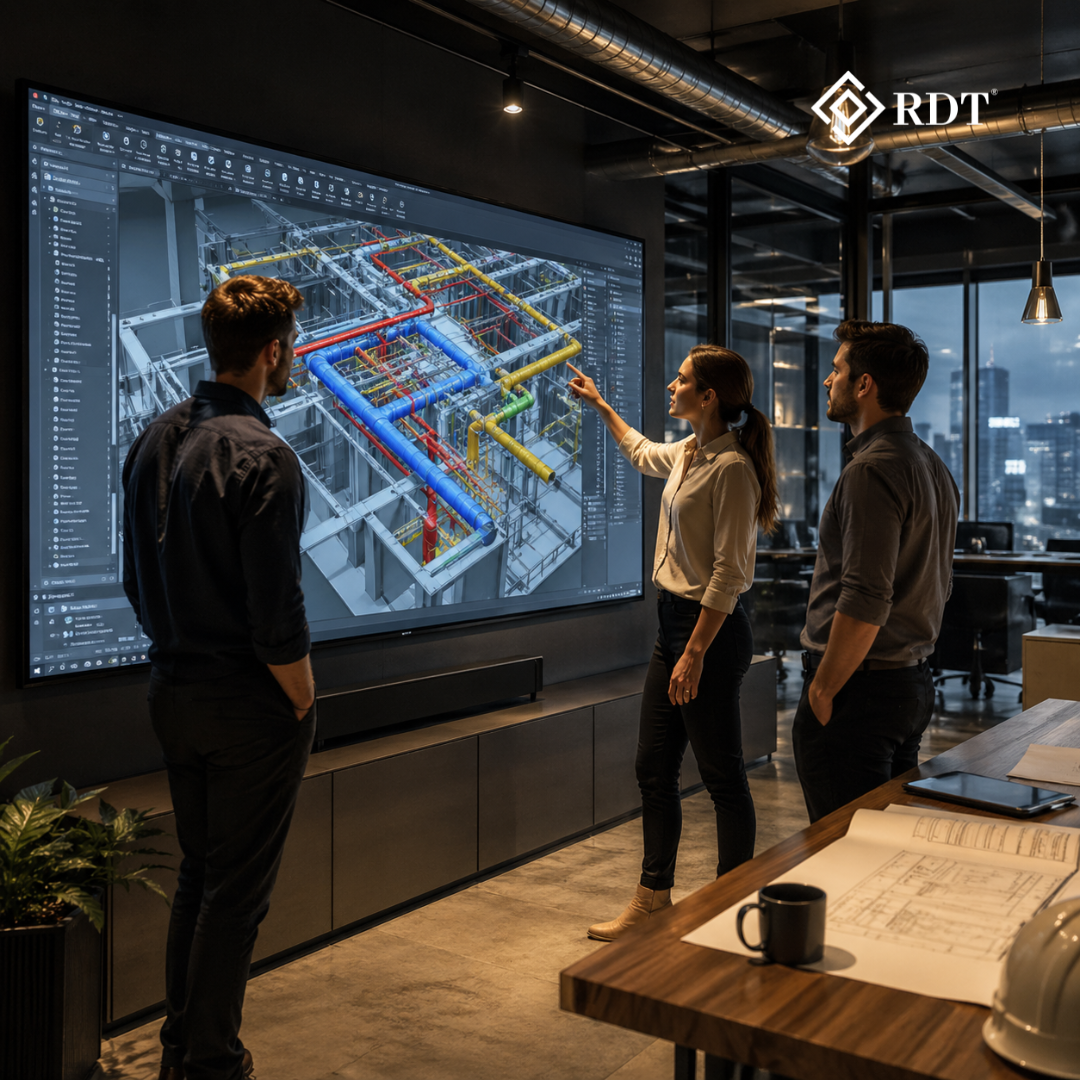
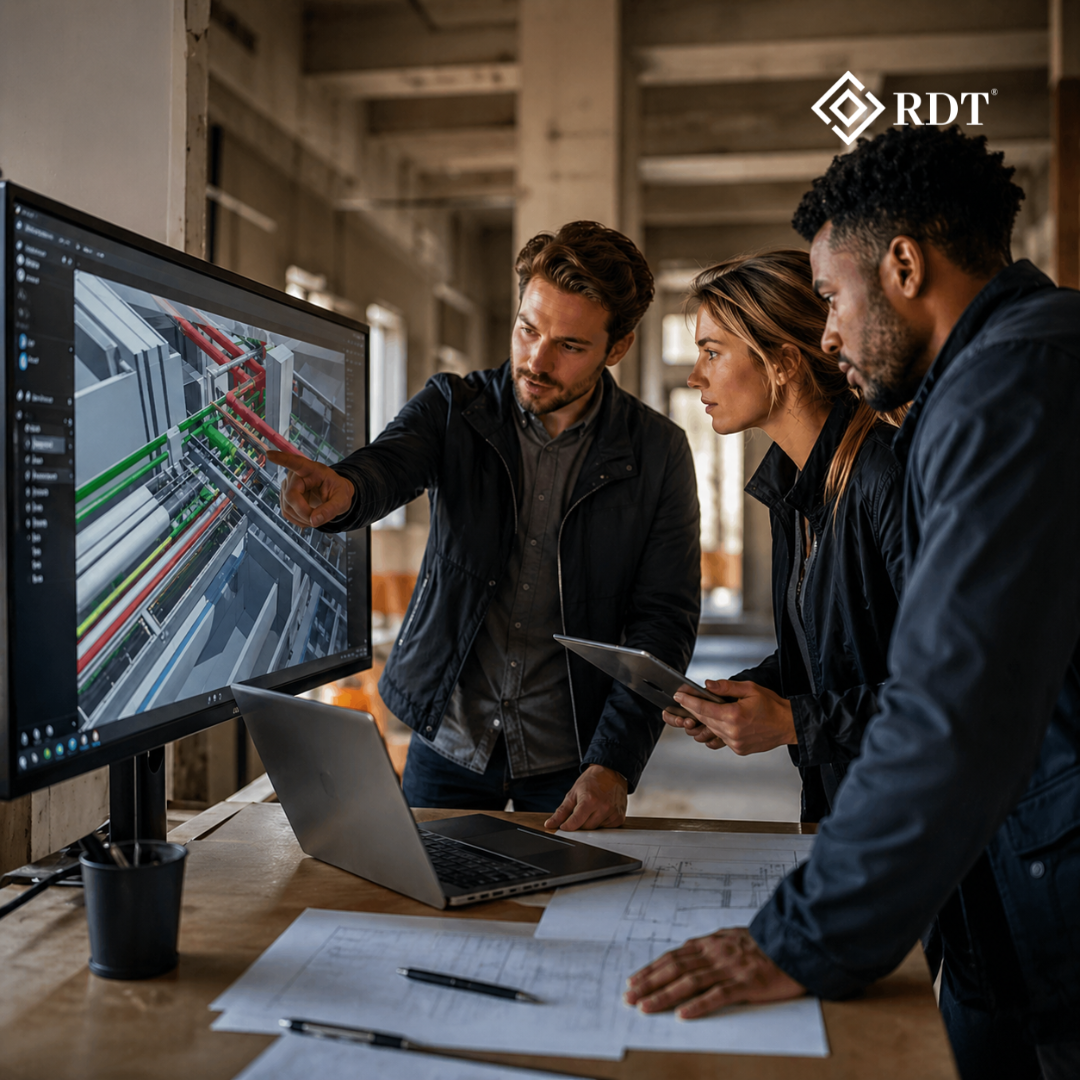
Coordination is one of the most critical aspects of any AEC project. Top firms approach coordination with a proactive mindset. They rely on 3D modeling to identify and resolve potential conflicts long before they reach execution stages.
All building systems are integrated into a single environment, allowing teams to analyze how each element interacts with others. This level of visibility makes it possible to detect clashes with precision and resolve them efficiently.
The result is a streamlined workflow where issues are addressed early, reducing disruptions and ensuring smoother execution. What sets leading firms apart is their ability to eliminate problems before they occur rather than reacting to them later.
Faster Decision Making with Greater Accuracy
Speed is essential in today’s competitive AEC landscape, but speed without accuracy can lead to costly mistakes. Top firms strike the perfect balance by leveraging 3D modeling to accelerate workflows while maintaining precision.
Changes can be made within the model and instantly reflected across all related elements. This eliminates delays caused by outdated information and ensures that every stakeholder is working with the most current data.
This level of efficiency allows teams to respond quickly to evolving project requirements without compromising quality. Faster decision making becomes a natural outcome of working within a well structured modeling environment.
Data That Drives Smarter Outcomes
One of the most powerful advantages of 3D modeling lies in the data embedded within it. Top firms use this data to guide every critical decision throughout the project lifecycle.
From quantity analysis to spatial optimization, the insights derived from a detailed model provide a strong foundation for informed decision making. Teams can evaluate multiple scenarios, test different approaches, and optimize outcomes based on accurate information.
This data driven approach reduces guesswork and enhances confidence in every decision. It allows firms to deliver results that are not only efficient but also highly reliable.
Stronger Client Engagement and Trust
Client expectations have evolved significantly. Today, clients want clarity, transparency, and confidence in project outcomes. 3D modeling enables firms to meet these expectations effectively.
Top firms use models to present their vision in a clear and engaging way. Clients can explore spaces, understand design intent, and provide feedback with confidence. This level of interaction builds trust and strengthens relationships.
When clients have a clear understanding of the project, decision making becomes faster and more aligned. This reduces the likelihood of misunderstandings and ensures a smoother project journey.
Risk Management Through Visualization
Every project carries a level of risk, but the ability to manage that risk effectively is what defines successful firms. 3D modeling provides a powerful tool for identifying potential challenges early in the process.
By visualizing the entire project in detail, teams can anticipate issues and develop solutions before they become critical. This proactive approach reduces uncertainty and enhances predictability.
Top firms use this capability to maintain control over timelines and budgets. They minimize surprises and ensure that projects progress with confidence and stability.
Seamless Collaboration Across Teams
Modern AEC projects involve multiple stakeholders working together across different disciplines. Effective collaboration is essential for success, and 3D modeling provides the platform to achieve it.
Teams can work within a shared environment where every update is visible in real time. This eliminates communication gaps and ensures that all stakeholders remain aligned throughout the project.
Top firms understand that collaboration is not just about exchanging information. It is about working together within a unified system that supports coordination and efficiency.
A Clear Competitive Advantage
In a highly competitive industry, differentiation is key. Firms that fully embrace 3D modeling gain a significant advantage over those that do not.
They can deliver projects faster, with greater accuracy and fewer errors. They can handle complex requirements with confidence and provide a superior experience to clients. This combination of efficiency and reliability sets them apart in the market.
What makes this advantage even more powerful is its sustainability. It is built on strong processes and intelligent workflows that continue to deliver value over time.
The Mindset That Sets Top Firms Apart
The real difference lies in how 3D modeling is perceived and implemented. Many firms see it as a task that needs to be completed. Top firms see it as a system that drives their entire operation.
They invest in refining their workflows, improving their models, and integrating 3D modeling into every stage of the project. This commitment allows them to unlock its full potential.
They do not treat it as an isolated activity. They make it a core part of their strategy. This shift in mindset is what enables them to achieve consistent and high quality results.
The Future of Model Driven Execution
The future of the AEC industry is being shaped by firms that embrace model driven execution. As projects become more complex, the need for intelligent and coordinated systems will continue to grow.
3D modeling will play an even more critical role in defining how projects are delivered. Firms that adapt and evolve will lead the industry, while those that resist change will struggle to keep up.
Top firms are already setting the standard. They are demonstrating what is possible when 3D modeling is used to its full potential.
Conclusion
The 3D modeling revolution in AEC is not just a technological shift. It is a transformation in how projects are approached, managed, and delivered. Leading firms have already recognized its value and are using it to achieve superior outcomes.
They are creating clarity, improving coordination, reducing risk, and driving efficiency at every stage. This is what sets them apart and allows them to consistently deliver successful projects.
For firms looking to stay competitive and grow in a rapidly evolving industry, the path forward is clear. Embracing 3D modeling at a deeper level is essential.
If you are ready to bring precision, efficiency, and reliability to your projects through advanced 3D modeling, partner with RDT Technology. Our team works as your dedicated backend support to deliver accurate, coordinated, and high quality modeling solutions tailored to your needs. Let RDT Technology help you execute smarter, faster, and with complete confidence.