The construction industry has always been driven by precision, coordination, and timing. Yet, electrical systems remain one of the most complex and error prone components of any project. From routing conduits to placing panels and coordinating with mechanical and structural systems, the margin for error is extremely small. Despite this reality, many project teams still rely on traditional 2D drawings or partially coordinated workflows. The result is predictable but often underestimated.
If you are still not using Electrical BIM Services, the real cost is not just technical inefficiency. It is lost time, wasted money, strained relationships, and missed opportunities. These costs compound quietly until they become impossible to ignore.
Let’s break down exactly what you are losing by not making the shift.
The Hidden Cost of Coordination Failures
Electrical systems do not exist in isolation. They intersect with HVAC ducts, plumbing lines, structural elements, and architectural finishes. In traditional workflows, each discipline often works in silos, leading to conflicts that only become visible during construction.
When clashes occur on site, the consequences are immediate. Work stops. Teams scramble for solutions. Redesigns are rushed. Materials may need to be reordered. Labor costs increase as crews wait or redo completed work.
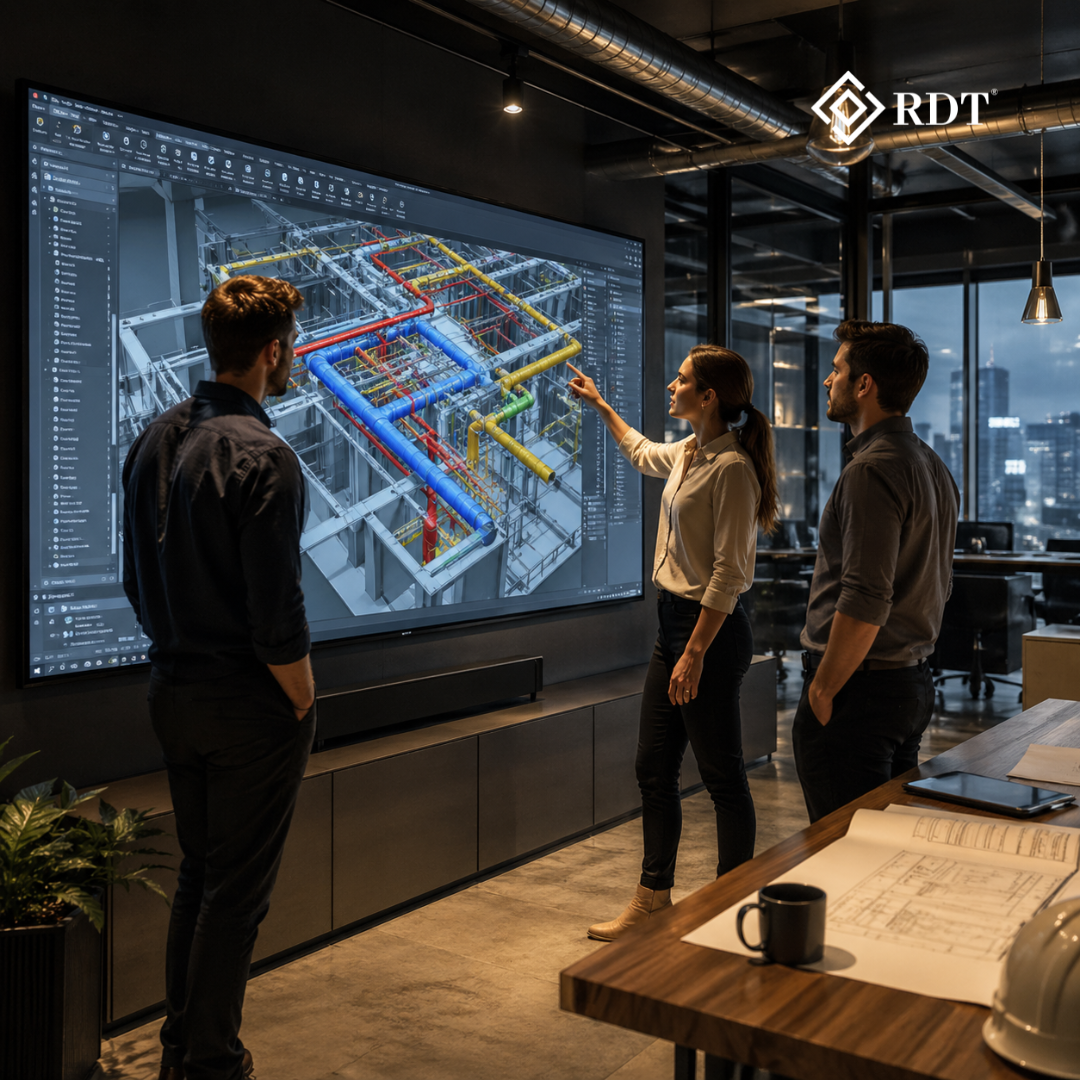
Electrical BIM Services eliminate this uncertainty by enabling coordinated 3D models where every system is visualized together. Clashes are identified and resolved before construction begins. Without this level of coordination, you are essentially gambling with your project timeline.
Rework That Drains Your Budget
Rework is one of the most expensive and frustrating aspects of construction. Even a small electrical routing error can lead to significant demolition and reconstruction. Multiply that across a large project, and the financial impact becomes substantial.
Traditional drawings leave room for interpretation. Installers may make assumptions that do not align with other trades. These misalignments often go unnoticed until installation is underway or completed.
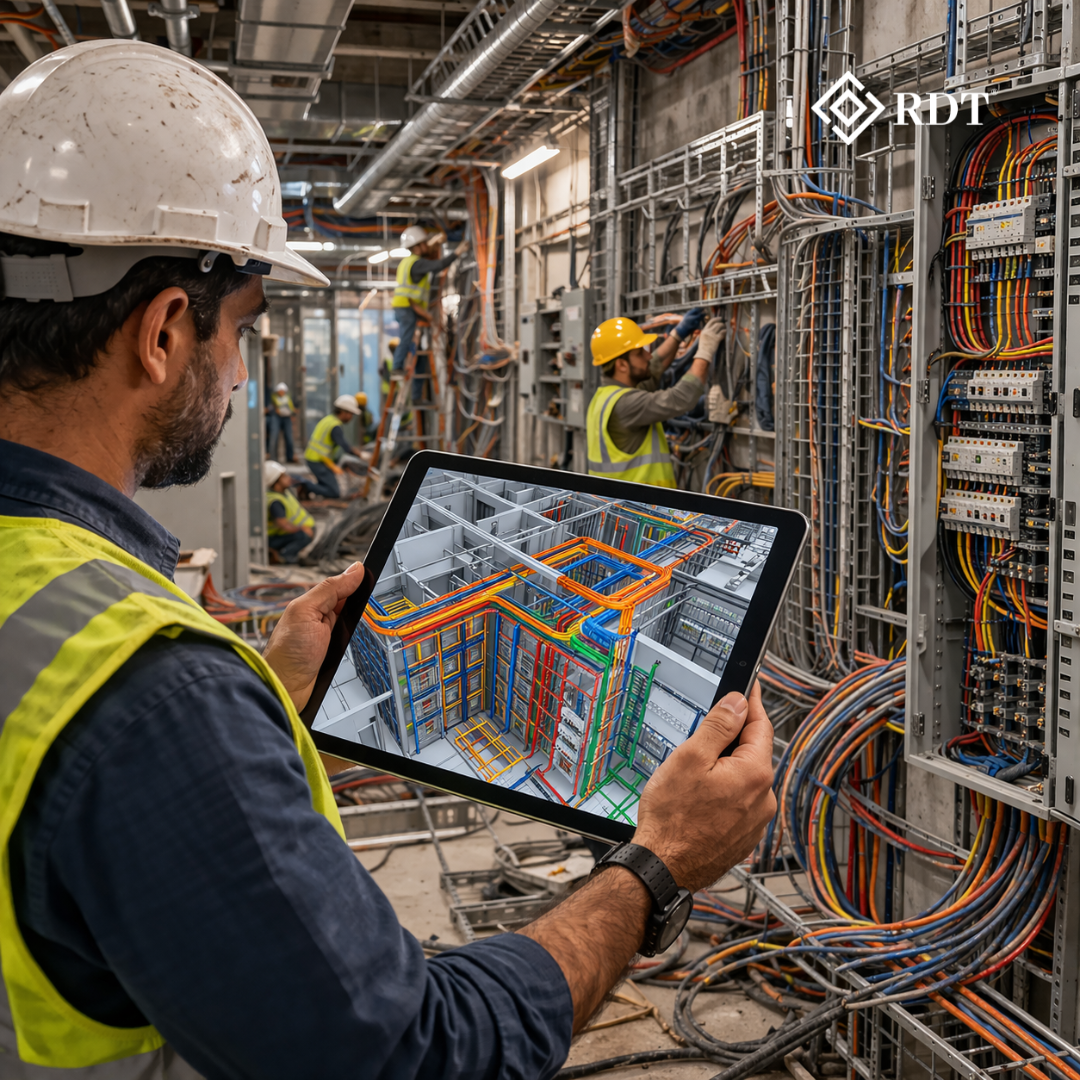
Electrical BIM Services provide detailed, accurate models that leave little room for guesswork. Every conduit, cable tray, and fixture is clearly defined. This level of clarity drastically reduces the likelihood of rework.
Without it, you are not just spending more money. You are also losing valuable time that cannot be recovered.
Delays That Disrupt Entire Projects
Time is one of the most critical resources in construction. Delays in electrical work can halt progress across multiple disciplines. Finishes, testing, and commissioning all depend on the timely completion of electrical systems.
When coordination issues arise or rework is required, schedules begin to slip. Deadlines become harder to meet. Clients grow frustrated. Contractors face penalties.
Electrical BIM Services support better planning and sequencing. With a clear understanding of how systems fit together, teams can schedule work more efficiently and avoid unnecessary disruptions.
If you are not leveraging this capability, you are increasing the risk of delays that ripple across the entire project.
Lack of Visualization Leads to Poor Decisions
One of the biggest limitations of traditional methods is the inability to fully visualize the final outcome. 2D drawings require interpretation, and even experienced professionals can miss critical details.
This lack of clarity affects decision making at every stage. Design choices may not account for spatial constraints. Installation teams may struggle to understand complex layouts. Stakeholders may find it difficult to evaluate options.
Electrical BIM Services provide a clear, detailed, and realistic view of the system before it is built. This improves communication, enhances understanding, and supports better decision making.
Without it, you are relying on assumptions instead of insights.
Inefficient Use of Resources
Material wastage and inefficient labor utilization are common in projects that lack proper coordination. Incorrect quantities, misplaced components, and unnecessary adjustments all contribute to higher costs.
Electrical BIM Services enable accurate quantity takeoffs and optimized layouts. This ensures that materials are used efficiently and that labor efforts are focused on productive tasks.
When you do not have this level of precision, resources are often mismanaged. This not only increases costs but also affects overall project efficiency.
Difficulty in Managing Complex Projects
Modern construction projects are becoming increasingly complex. High rise buildings, data centers, hospitals, and industrial facilities all require intricate electrical systems with strict performance requirements.
Managing this complexity without advanced tools is extremely challenging. Traditional methods simply do not provide the level of detail and coordination needed to handle such projects effectively.
Electrical BIM Services offer a structured and organized approach to managing complexity. They allow teams to break down systems into manageable components while maintaining a clear overview of the entire project.
Without this approach, complexity can quickly turn into chaos.
Reduced Confidence from Clients and Stakeholders
Clients today expect transparency, accuracy, and reliability. They want to know that their project is being handled with the highest level of professionalism.
When issues arise due to poor coordination or inaccurate drawings, it reflects poorly on the entire team. Confidence is lost. Relationships are strained. Future opportunities may be affected.
Electrical BIM Services demonstrate a commitment to quality and innovation. They show that you are using advanced methods to deliver better results.
If you are not using them, you may be perceived as outdated or less capable compared to competitors who are embracing modern practices.
Missed Opportunities for Competitive Advantage
The construction industry is evolving rapidly. Companies that adopt new technologies and processes gain a significant advantage over those that do not.
Electrical BIM Services are no longer a luxury. They are becoming a standard expectation for high quality projects. Firms that use them are better positioned to win bids, deliver projects efficiently, and build strong reputations.
By not adopting these services, you are not just maintaining the status quo. You are falling behind.
Poor Documentation and Long Term Challenges
The impact of electrical design does not end with construction. Maintenance, upgrades, and future modifications all depend on accurate documentation.
Traditional drawings may not reflect the actual installation. Changes made on site are not always recorded properly. This creates challenges for facility management teams.
Electrical BIM models provide accurate and up to date information that can be used throughout the lifecycle of the building. This supports better maintenance and reduces long term costs.
Without this level of documentation, you are creating problems that will surface long after the project is completed.
Safety Risks That Cannot Be Ignored
Electrical systems must be designed and installed with safety as a top priority. Poor coordination and inaccurate layouts can lead to hazardous conditions.
Overloaded circuits, improper clearances, and inaccessible components all pose risks to both workers and occupants.
Electrical BIM Services help identify potential safety issues early in the design phase. This allows teams to address them before they become real problems.
Ignoring these tools increases the likelihood of safety incidents, which can have serious consequences.
The Real Cost Is Bigger Than You Think
When you add up all these factors, the true cost of not using Electrical BIM Services becomes clear. It is not just about a few errors or delays. It is about a systemic inefficiency that affects every aspect of your project.
You lose time through delays and rework.
You lose money through inefficiencies and waste.
You lose trust through mistakes and miscommunication.
You lose opportunities by falling behind competitors.
These losses are not always immediately visible, but they accumulate over time and impact your overall success.
Moving Toward a Smarter Approach
The shift toward Electrical BIM Services is not just a trend. It is a response to the growing demands of modern construction. Projects are becoming more complex, timelines are becoming tighter, and expectations are higher than ever.
Adopting BIM based workflows allows you to meet these challenges with confidence. It enables better coordination, improved accuracy, and more efficient execution.
The question is no longer whether you should adopt Electrical BIM Services. The question is how much longer you can afford not to.
Final Thoughts
Every project comes with its own set of challenges, but many of the most common issues can be avoided with the right approach. Electrical BIM Services provide the tools and insights needed to deliver projects more efficiently and with greater confidence.
Continuing to rely on outdated methods may seem comfortable, but it comes at a cost that is too significant to ignore. The industry is moving forward, and those who adapt will be the ones who succeed.
CTA
If you are ready to eliminate costly errors, improve coordination, and deliver projects with confidence, it is time to make the shift.
Partner with RDT Technology for reliable, execution focused Electrical BIM Services that help you stay ahead, meet deadlines, and deliver with precision every time.