The construction industry is undergoing a major shift driven by complexity, tighter deadlines, and rising client expectations. Mechanical systems, especially heating, ventilation, and air conditioning, have become far more intricate than ever before. In this evolving landscape, one phrase is gaining serious attention across the industry, HVAC BIM Services Are Becoming Non Negotiable. This is not just a trend but a response to the growing challenges that traditional workflows can no longer handle effectively.
The Growing Complexity of HVAC Systems
Modern buildings are no longer simple structures with basic air circulation systems. Today’s projects involve advanced HVAC networks that must balance energy efficiency, indoor air quality, sustainability, and occupant comfort. From high rise commercial towers to healthcare facilities and industrial plants, HVAC systems are deeply integrated into the overall building performance.
This complexity introduces multiple coordination points. Ducts, pipes, equipment, and control systems must fit within limited spaces while avoiding conflicts with structural and electrical components. Without proper planning, these systems can easily clash with other elements, creating major issues during construction.
Why Traditional Methods Are Failing
For years, HVAC design relied on 2D drawings and fragmented communication between teams. While this approach worked for simpler projects, it struggles to keep up with modern demands. Drawings often lack the detail needed for precise execution, and coordination between disciplines is usually reactive rather than proactive.
This results in several challenges:
Design conflicts that are discovered too late
Rework on site that delays project timelines
Increased labor and material costs
Miscommunication between contractors and engineers
These problems not only impact budgets but also damage project credibility. Clients expect efficiency and precision, and traditional workflows often fall short.
The Shift Toward BIM Driven HVAC Design
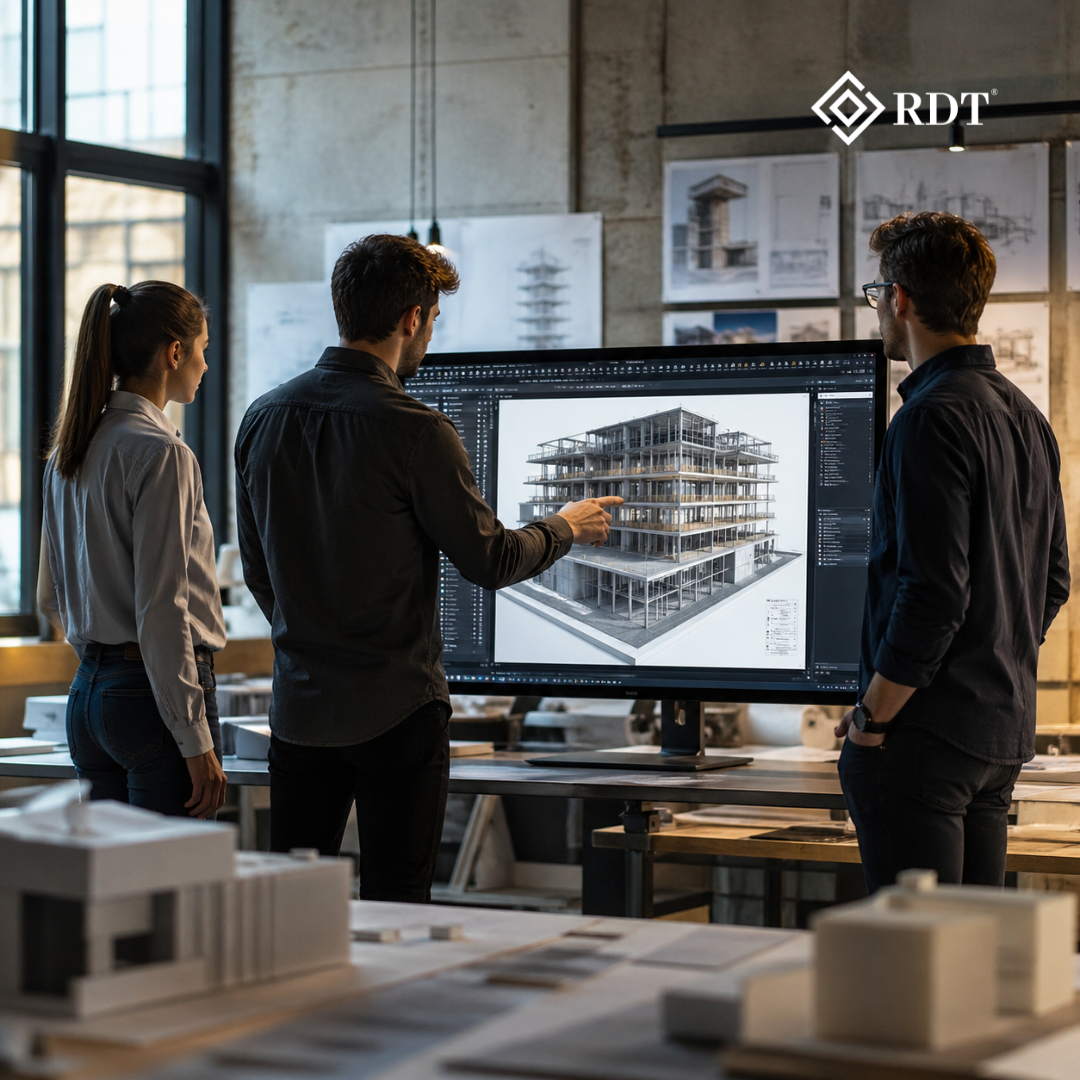
Building Information Modeling has transformed the way HVAC systems are designed and executed. Instead of relying on separate drawings, BIM creates a unified digital model that includes every component of the system.
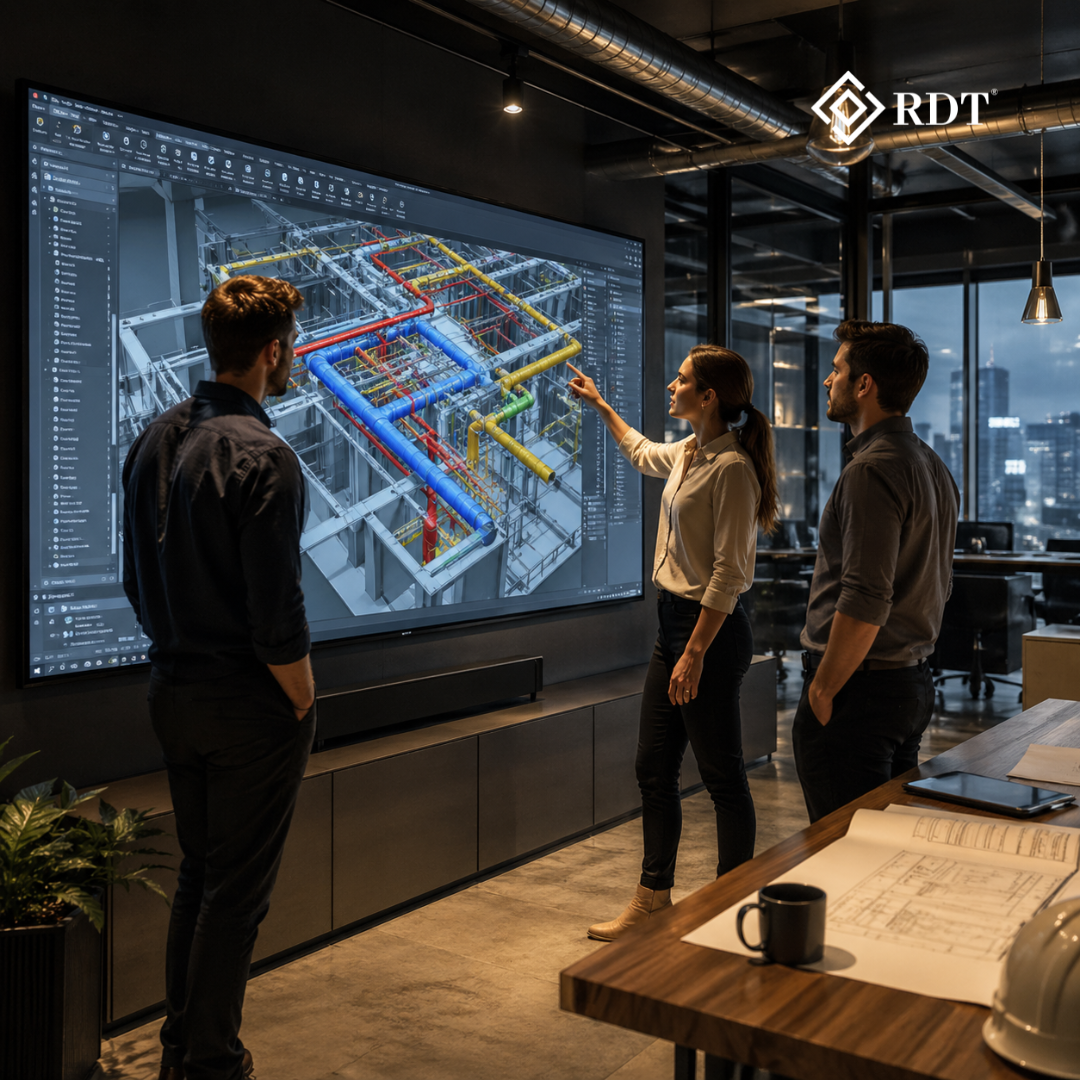
HVAC BIM services provide a detailed representation of ducts, fittings, equipment, and connections. This allows teams to visualize the entire system in a realistic environment before construction begins.
More importantly, BIM enables coordination with other disciplines in real time. Structural, electrical, and plumbing models can be integrated with the HVAC model to identify and resolve conflicts early.
Clash Detection That Prevents Costly Mistakes
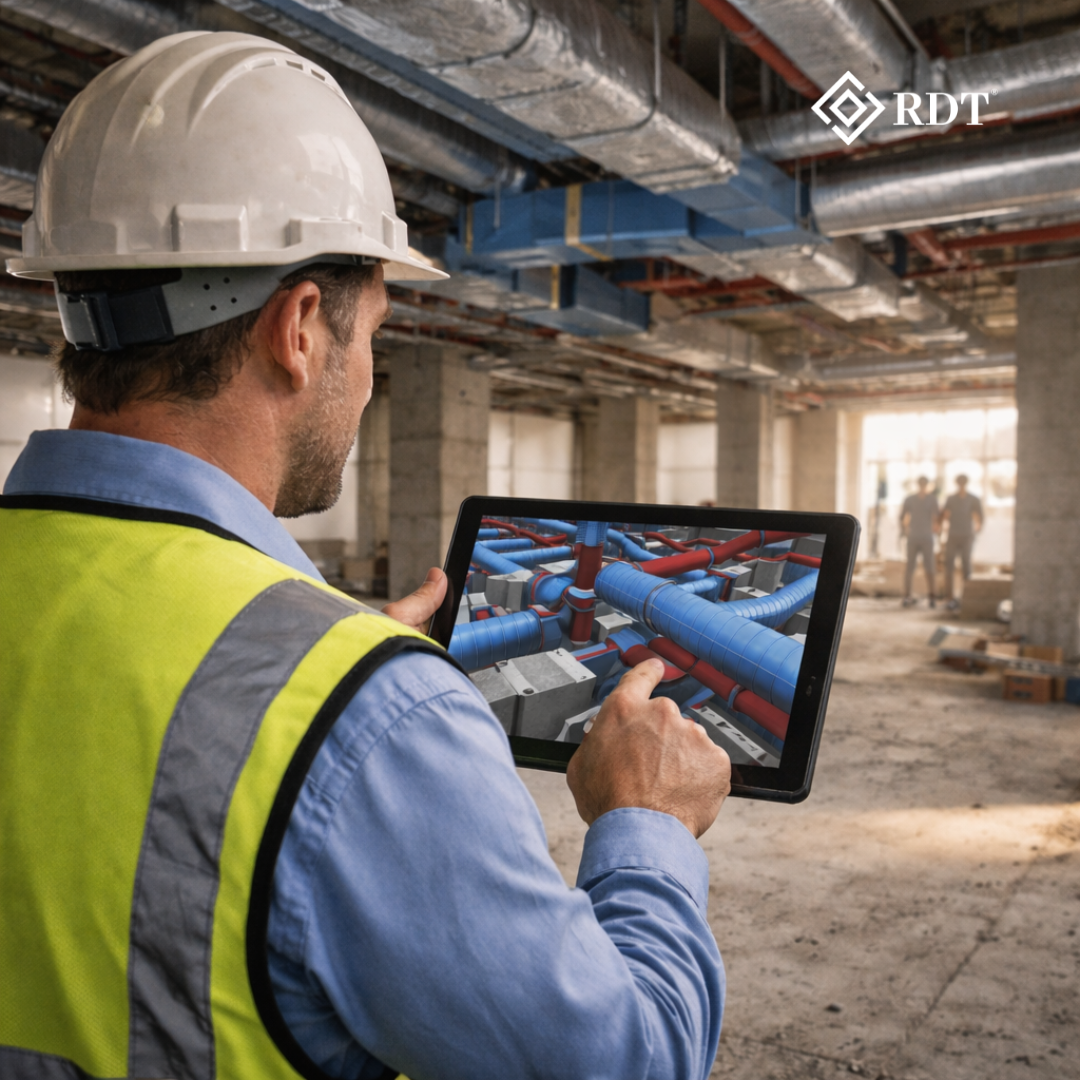
One of the biggest advantages of HVAC BIM is clash detection. In traditional workflows, clashes between ducts and structural elements are often discovered during installation. Fixing these issues on site can be expensive and time consuming.
With BIM, clashes are identified during the design phase. Teams can adjust layouts, reroute ducts, or modify structures before construction begins. This proactive approach eliminates surprises and ensures smoother execution.
The financial impact of this cannot be ignored. Avoiding even a single major clash can save significant costs and prevent delays that ripple across the entire project.
Accurate Planning and Material Optimization
HVAC systems involve a large number of components, each contributing to the overall cost of the project. Inaccurate estimates can lead to over ordering or shortages, both of which affect profitability.
BIM provides precise quantity takeoffs directly from the model. Every duct, fitting, and piece of equipment is accounted for. This accuracy helps in better procurement planning and reduces material wastage.
It also allows project managers to forecast costs with greater confidence, making it easier to stay within budget.
Improved Collaboration Across Teams
Construction projects involve multiple stakeholders, including engineers, contractors, fabricators, and consultants. Effective collaboration is essential for success, especially when dealing with complex HVAC systems.
BIM acts as a shared platform where all stakeholders can access the same information. Changes made by one team are visible to others, ensuring alignment across disciplines.
This transparency reduces misunderstandings and improves communication. It also speeds up decision making, as teams can review and resolve issues together.
Enhancing Energy Efficiency and Sustainability
Energy efficiency is a major focus in modern construction. HVAC systems play a critical role in determining a building’s energy performance. Poorly designed systems can lead to excessive energy consumption and higher operational costs.
BIM allows engineers to analyze system performance during the design stage. Factors such as airflow, load distribution, and equipment efficiency can be evaluated within the model.
This enables the creation of optimized HVAC systems that meet sustainability goals while maintaining occupant comfort. As regulations around energy efficiency become stricter, this capability becomes even more valuable.
Reducing Project Delays and Improving Delivery
Delays are one of the biggest challenges in construction. HVAC related issues are often a major contributor, especially when coordination problems arise during installation.
By resolving conflicts early and improving planning, BIM reduces the likelihood of delays. Construction teams can work with confidence, knowing that the design has already been validated.
This leads to faster project delivery without compromising quality. In a competitive market, the ability to complete projects on time is a significant advantage.
Meeting Client Expectations and Industry Standards
Clients today are more informed and demand higher standards from construction projects. They expect accurate designs, efficient execution, and minimal disruptions.
Many clients now require BIM as part of their project specifications. This is especially true for large scale and high value developments.
Adopting HVAC BIM services helps firms meet these expectations and stay competitive. It demonstrates a commitment to quality and innovation, which can strengthen client relationships.
The Cost of Ignoring HVAC BIM
Despite its benefits, some firms still hesitate to adopt BIM due to perceived costs or resistance to change. However, the cost of not using BIM can be far greater.
Projects that rely on outdated methods often face higher risks of errors, delays, and budget overruns. These issues can lead to financial losses and damage to reputation.
In contrast, BIM offers a structured and reliable approach that minimizes risks and maximizes efficiency. It is not just an investment in technology but an investment in better project outcomes.
The Future of HVAC BIM in Construction
As construction projects continue to grow in complexity, the role of BIM will only expand. Integration with advanced technologies such as automation and digital twins will further enhance its capabilities.
HVAC systems will become even more data driven, with real time insights guiding design and operation. BIM will serve as the foundation for this transformation, enabling smarter and more efficient buildings.
Firms that embrace this change will be better equipped to handle future challenges and deliver high quality projects consistently.
Conclusion
HVAC BIM services are no longer optional in modern construction. They are becoming an essential part of how projects are designed, coordinated, and executed. By improving accuracy, enhancing collaboration, and reducing risks, BIM helps create more efficient and reliable HVAC systems.
The shift toward BIM is driven by real challenges and real benefits. As the industry evolves, adopting BIM is not just about staying relevant but about staying ahead.
If you want to eliminate HVAC coordination issues, reduce costly rework, and deliver projects with precision, it is time to take the next step. Partner with RDT Technology and leverage high quality HVAC BIM services that streamline your workflow, improve accuracy, and ensure your projects run smoothly from design to execution.