Introduction
The architecture and construction industry has long operated on trust, experience, and traditional workflows that many professionals still defend today. But the truth is becoming harder to ignore. Architectural BIM Services are rapidly uncovering the inefficiencies, hidden risks, and costly gaps that have been normalized for decades. What was once considered standard practice is now being questioned, challenged, and in many cases, replaced.
For years, design teams relied on fragmented drawings, disconnected coordination, and manual interpretation of plans. These methods were accepted not because they were perfect, but because there was no better alternative widely adopted. Mistakes were expected. Delays were tolerated. Budget overruns were almost built into the system. The industry adjusted around inefficiency instead of eliminating it.
Today, that comfort zone is being disrupted.
The Illusion of Control in Traditional Workflows
Traditional design workflows often create an illusion of control. On paper, everything appears aligned. The drawings look clean. Documentation feels complete. But once construction begins, reality tells a different story. Clashes between systems emerge. Structural conflicts surface. Coordination gaps become painfully visible. These are not rare exceptions. They are recurring problems that cost time, money, and credibility.
The uncomfortable truth is that traditional workflows do not prevent errors. They simply delay their discovery.
When issues are found late in the process, the consequences multiply. Rework becomes unavoidable. Project timelines stretch beyond expectations. Budgets spiral out of control. Clients grow frustrated. Trust erodes. And yet, many teams continue to rely on the same outdated processes, believing that experience alone will compensate for system flaws.
How BIM Changes the Game Completely
This is where the shift becomes undeniable.
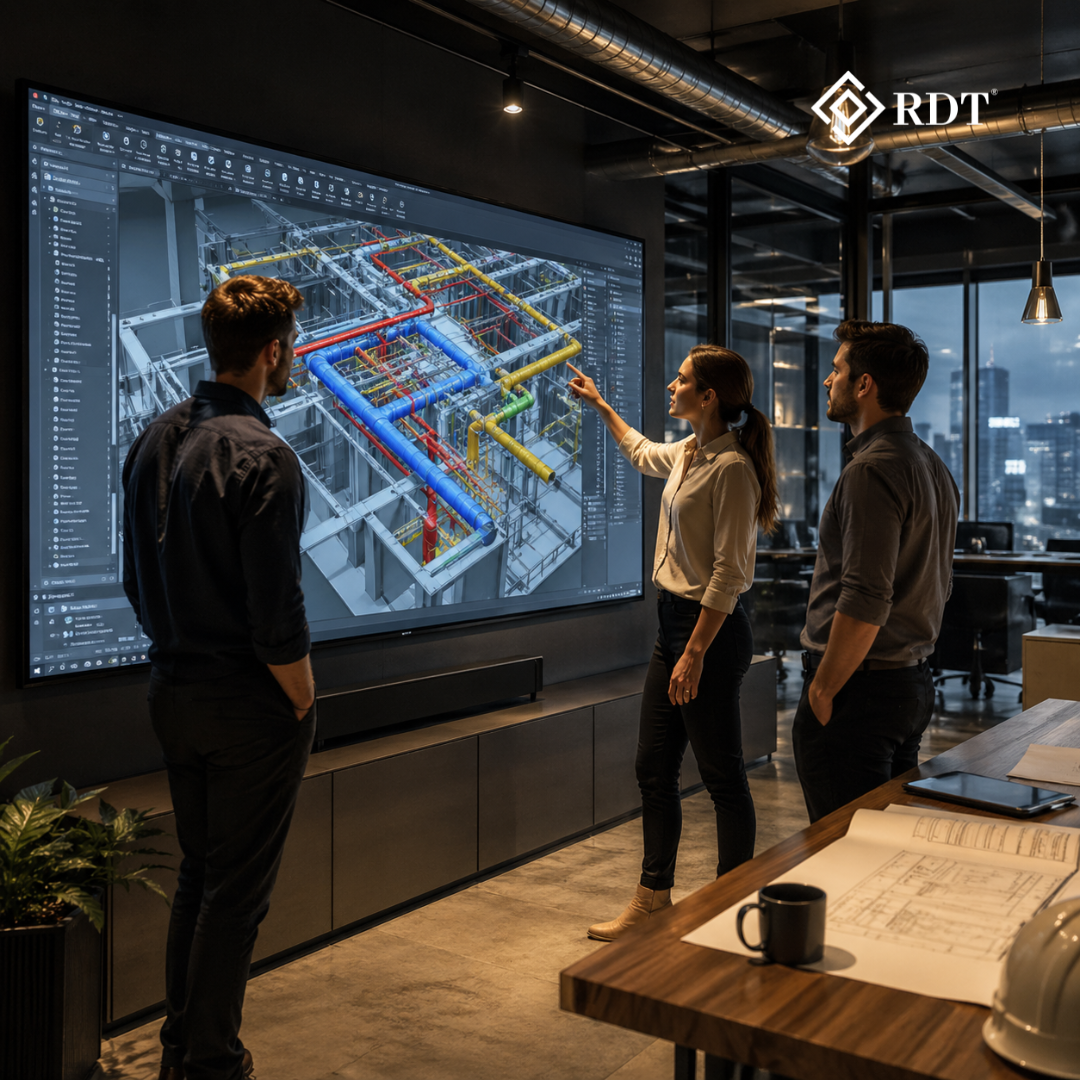
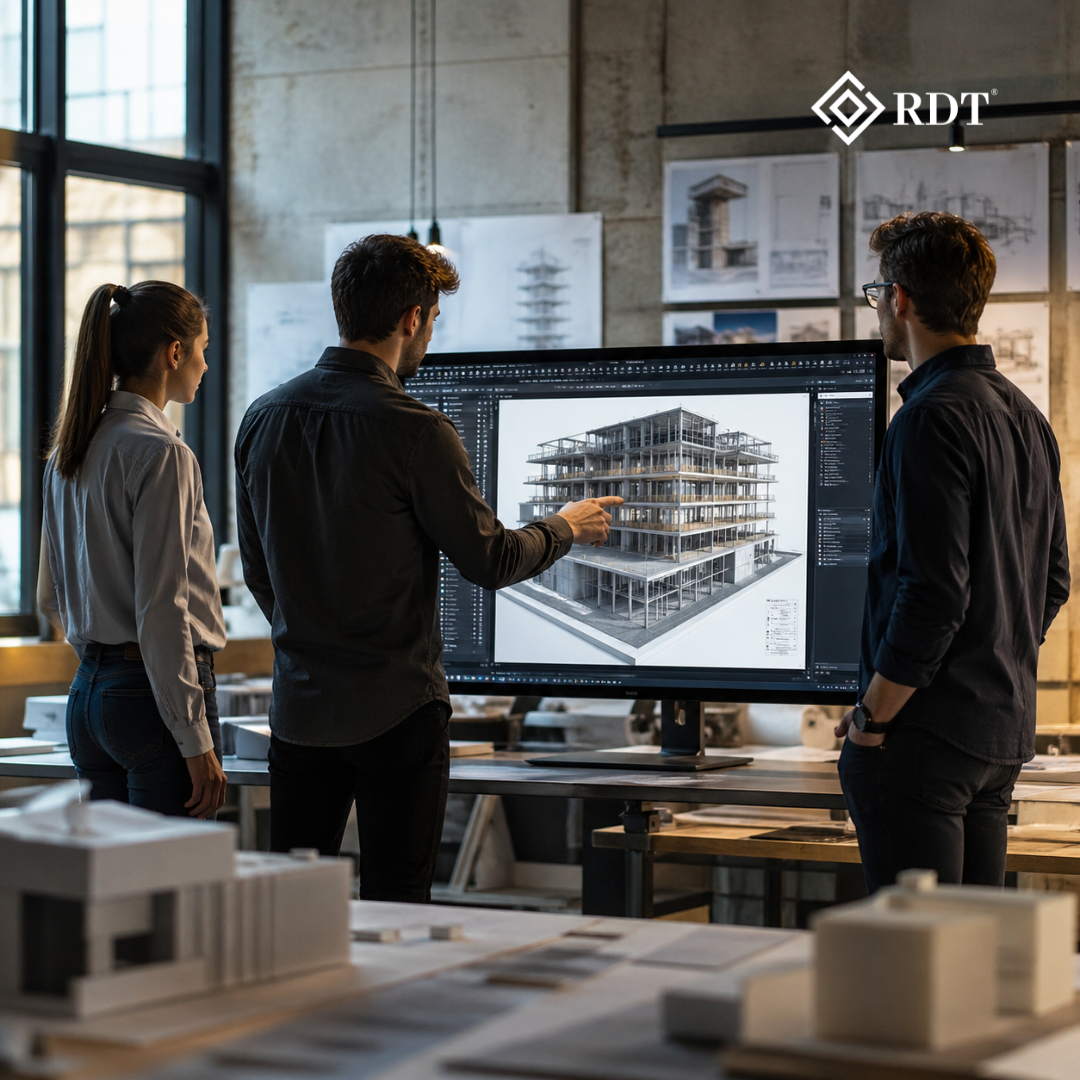
Architectural BIM Services introduce a completely different approach. Instead of relying on fragmented information, BIM creates a centralized, data driven environment where every element of the project is connected. Design, structure, and building systems are not treated as separate layers. They exist within a coordinated model that reflects real world conditions before construction even begins.
This level of visibility changes everything.
Clash detection becomes proactive rather than reactive. Coordination is no longer dependent on manual checks or assumptions. Every component is tested within the model, ensuring that conflicts are identified and resolved early. What used to surface on site now gets addressed during the design phase.
This is not just a technical improvement. It is a fundamental shift in accountability.
The Harsh Truth Many Teams Avoid
With BIM, there is no place for ambiguity. Every design decision is visible. Every coordination issue is traceable. Every change is documented. This transparency challenges the traditional mindset where problems could be hidden or passed down the line. It forces teams to confront issues early instead of managing consequences later.
Some professionals resist this shift. Not because BIM is ineffective, but because it exposes weaknesses that were previously overlooked or ignored. It removes the safety net of vague documentation and replaces it with precise, measurable outcomes. For those who are not ready to adapt, this level of clarity can feel uncomfortable.
However, for forward thinking teams, this is a competitive advantage.
Real Impact on Time, Cost, and Trust
Projects that leverage Architectural BIM Services operate with greater confidence. Decision making becomes faster and more accurate. Coordination across disciplines improves significantly. Construction teams receive clearer instructions, reducing confusion on site. The result is not just better efficiency, but better project outcomes.
Time savings are one of the most immediate benefits. When clashes are resolved early, construction progresses without constant interruptions. Teams spend less time fixing errors and more time executing the plan. This leads to smoother workflows and more predictable timelines.
Cost control is another critical advantage. By identifying issues before they become expensive problems, BIM reduces the need for rework. Material wastage decreases. Labor inefficiencies are minimized. Projects stay closer to their original budget, which directly impacts profitability.
Client confidence also improves. When projects run smoothly, trust builds naturally. Clients can see the value of a well coordinated approach. They experience fewer surprises and gain greater clarity on progress. This strengthens relationships and opens the door for future collaborations.
More Than Technology, It Is a Mindset Shift
Despite these benefits, the adoption of BIM is not just about technology. It is about mindset.
Organizations that succeed with BIM understand that it requires a shift in how teams think and operate. Collaboration becomes essential. Silos must be broken down. Information needs to flow seamlessly across disciplines. This cultural change is often more challenging than the technical implementation.
But it is also where the real transformation happens.
Architectural BIM Services are not just tools. They are enablers of a more disciplined, transparent, and accountable way of working. They push teams to move beyond assumptions and rely on validated data. They replace guesswork with precision. They turn reactive problem solving into proactive planning.
The Industry Is Reaching a Breaking Point
The industry is reaching a point where ignoring this shift is no longer a viable option.
Clients are becoming more informed. They expect better outcomes. They demand efficiency, transparency, and reliability. Projects are growing in complexity, leaving less room for error. The margin for inefficiency is shrinking. In this environment, traditional workflows struggle to keep up.
BIM is no longer a future concept. It is a present necessity.
The firms that embrace Architectural BIM Services are not just improving their processes. They are redefining their position in the market. They are able to deliver projects with greater accuracy, reduced risk, and enhanced quality. They stand out in a competitive landscape where performance matters more than ever.
On the other hand, those who resist change risk falling behind. The gaps in traditional workflows are becoming too visible to ignore. What was once hidden is now being exposed. And as more projects adopt BIM, the difference in outcomes becomes increasingly clear.
Conclusion
The industry is at a turning point. Traditional design workflows are being tested against a more advanced, transparent, and efficient alternative. The results are clear. BIM is not just an upgrade. It is a transformation that addresses the core problems that have existed for years.
Those who recognize this shift early will lead the future of architecture and construction. Those who ignore it will continue to face the same challenges, only with increasing pressure and diminishing tolerance from clients.
The choice is simple. Continue managing problems or start eliminating them.
If you are ready to move beyond outdated workflows and take full control of your projects with precision and clarity, it is time to act. RDT Technology is here to support your journey with reliable Architectural BIM Services that focus on execution, coordination, and real results. Connect with us today and let us help you deliver projects the way they should be delivered.