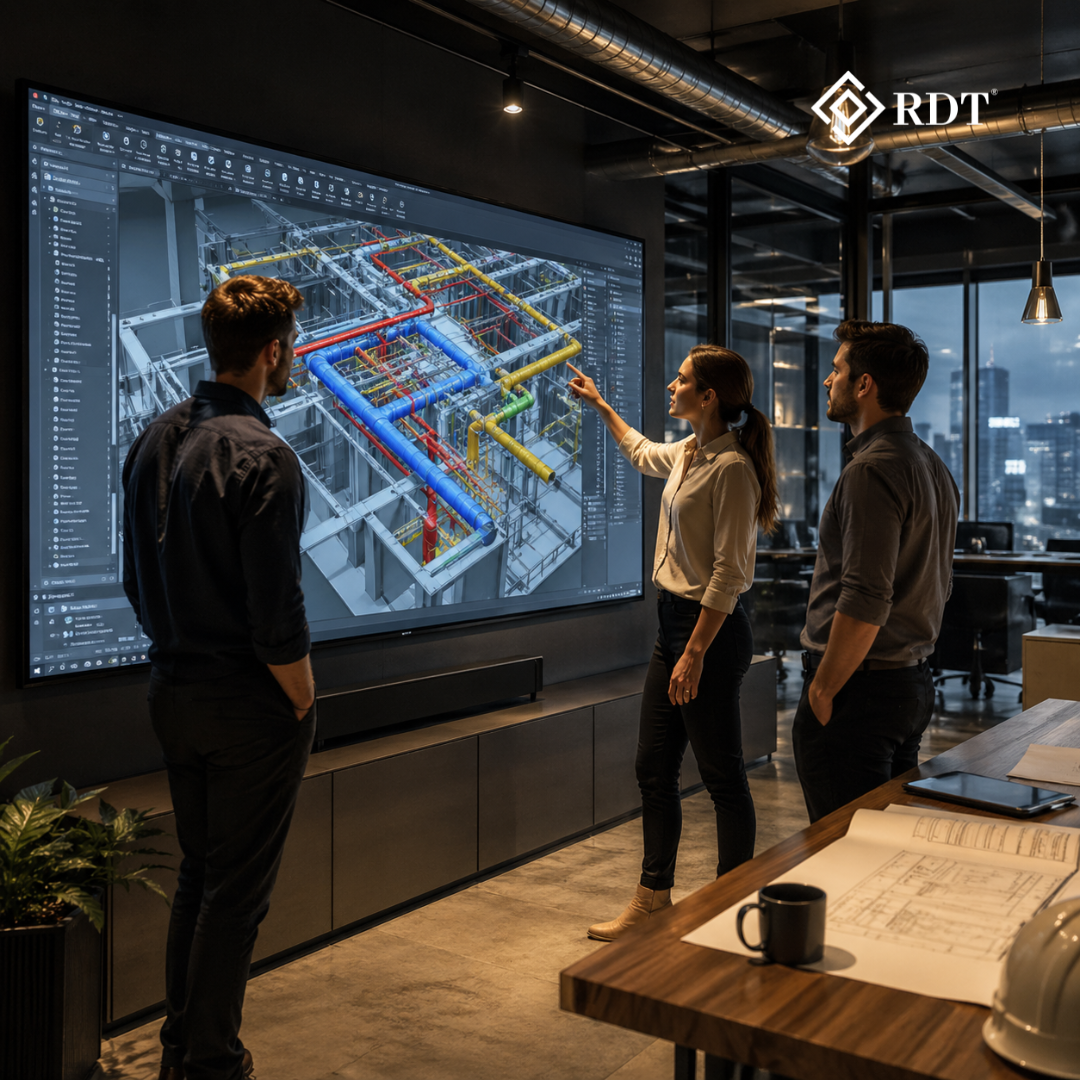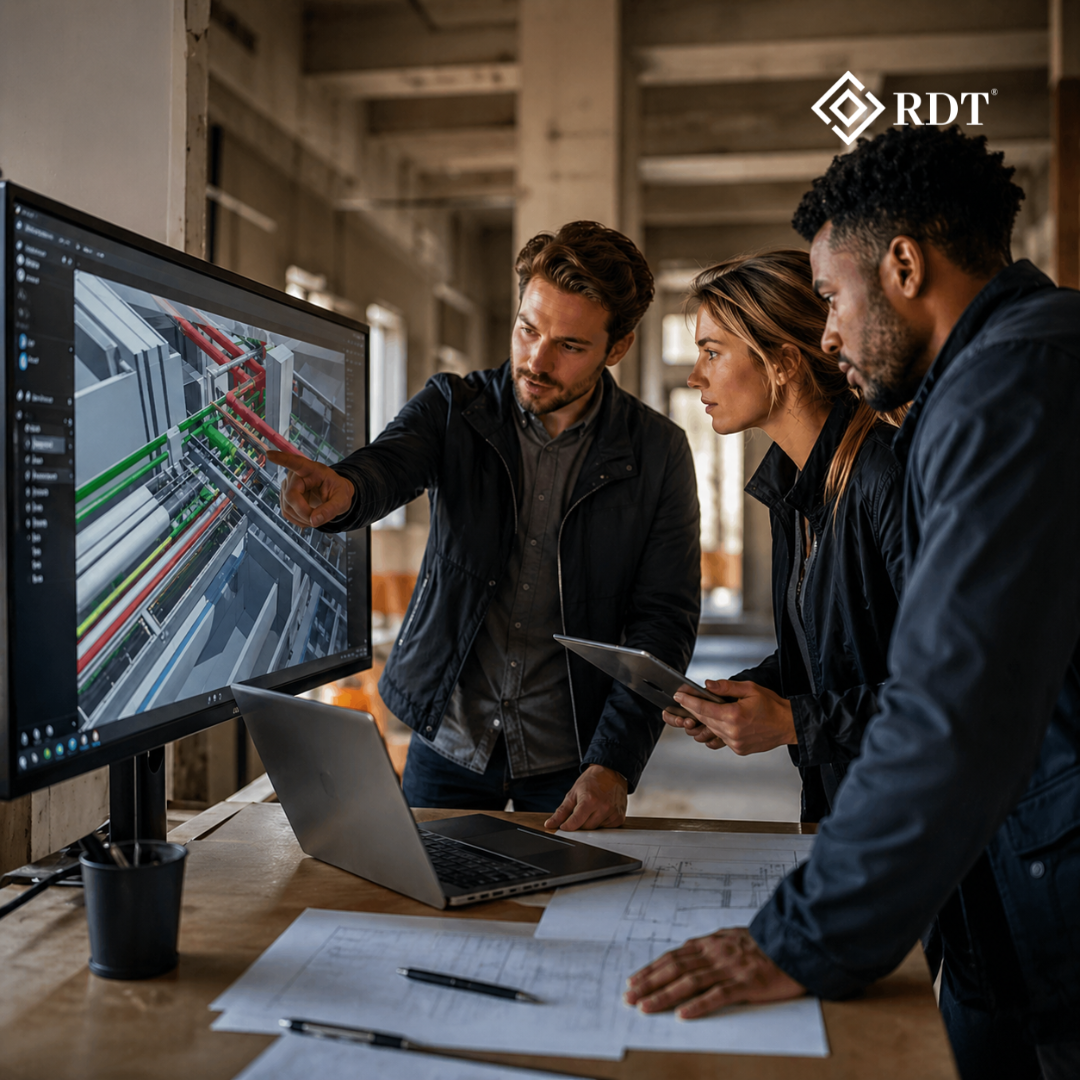
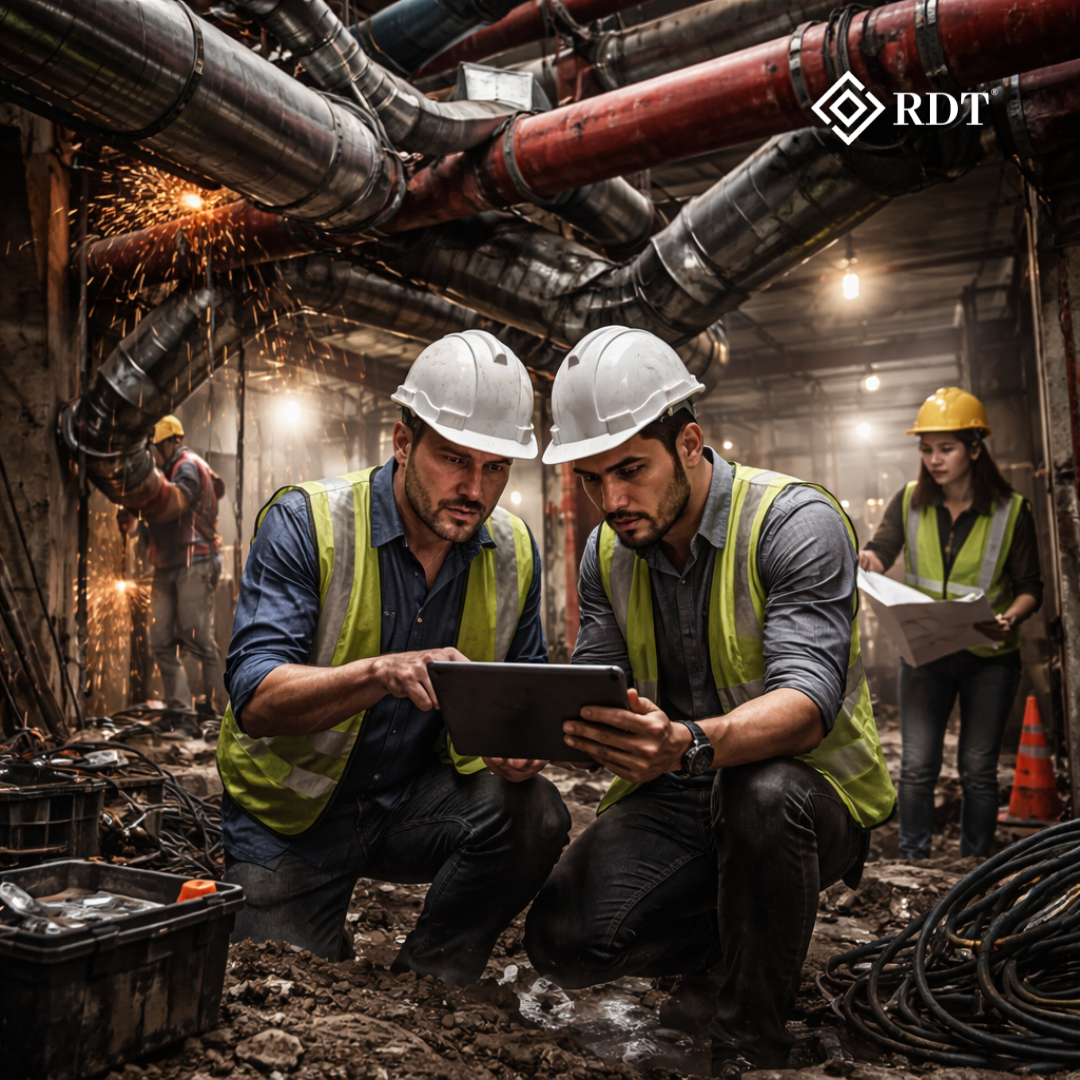
The construction industry is evolving fast, but one problem continues to drain time, money, and trust from projects across the globe. Clash Detection in BIM Projects has become a critical process that separates successful teams from those constantly battling delays and rework. Yet, despite access to advanced tools and workflows, many firms still fail to use it effectively. The result is predictable. Cost overruns, coordination chaos, and last minute firefighting that could have been avoided entirely.
Clash detection is not just a technical step in the BIM process. It is the backbone of coordination. When done right, it ensures that every system within a building fits and functions as intended before a single element is installed on site. When done poorly or ignored, it becomes one of the biggest hidden reasons projects spiral out of control.
The Real Cost of Ignoring Clash Detection
Every construction professional has seen it happen. Mechanical ducts cutting through structural beams. Electrical conduits clashing with plumbing lines. Ceiling spaces overloaded with conflicting systems. These are not minor inconveniences. They are expensive mistakes that multiply rapidly.
Rework is one of the biggest cost drivers in construction. When clashes are discovered during construction, the cost of fixing them is significantly higher than resolving them during the design stage. Labor costs increase, materials are wasted, and schedules are pushed beyond deadlines. In large scale projects, even a single unresolved clash can trigger a chain reaction of delays affecting multiple trades.
The brutal truth is simple. Most of these issues are not unexpected. They are preventable. They exist because clash detection was either rushed, poorly executed, or treated as a formality rather than a priority.
Why Most Teams Still Get It Wrong
Despite widespread awareness of BIM processes, many teams struggle to implement effective clash detection. The reasons are not always technical. In fact, they are often rooted in workflow gaps and mindset issues.
One major problem is incomplete or inconsistent models. If architectural, structural, and MEP models are not developed to the required level of detail, clash detection becomes unreliable. Missing data leads to false confidence, and real issues remain hidden until it is too late.
Another issue is lack of coordination between stakeholders. Clash detection is not a one person task. It requires active collaboration between designers, engineers, and contractors. Without proper communication, clashes may be identified but not resolved effectively.
Time pressure also plays a role. In fast track projects, teams often rush through coordination stages to meet deadlines. Clash detection becomes a checkbox activity instead of a thorough review process. This approach almost always backfires during construction.
Understanding the True Purpose of Clash Detection
Clash detection is not just about identifying conflicts. It is about creating a coordinated and buildable model. The goal is not to generate long lists of clashes but to ensure that systems work together seamlessly.
There are typically three types of clashes. Hard clashes occur when two elements physically intersect. Soft clashes involve issues related to clearance or access space. Workflow clashes arise from scheduling conflicts between different trades.
A strong clash detection process addresses all three. It ensures that installations can happen without obstruction, maintenance access is preserved, and sequencing conflicts are minimized. This level of coordination transforms the model into a reliable construction guide rather than just a design representation.
The Gap Between Detection and Resolution
One of the biggest mistakes teams make is focusing only on detection. Running clash tests and generating reports is only the first step. The real value lies in resolution.
Clashes must be reviewed, prioritized, and assigned to the right stakeholders. Decisions must be made quickly and communicated clearly. Without a structured resolution process, clash reports become overwhelming and ineffective.
Successful teams follow a disciplined approach. They categorize clashes based on severity, assign responsibility, and track progress until resolution. Regular coordination meetings ensure that issues are addressed in a timely manner. This structured workflow prevents small problems from escalating into major disruptions.
How Poor Clash Detection Impacts Project Profitability
Profit margins in construction are already tight. Poor coordination can erode them further. Every unresolved clash translates into additional costs that were never planned.
Delays caused by rework lead to penalties and loss of client trust. Inefficient workflows reduce productivity on site. Teams spend more time fixing problems than progressing with construction. These hidden costs add up quickly and can turn profitable projects into financial burdens.
On the other hand, effective clash detection creates a clear path for execution. It reduces uncertainty, improves efficiency, and enhances overall project performance. It allows teams to deliver on time and within budget, which directly impacts profitability.
The Role of Technology and Skilled Execution
Advanced BIM tools have made clash detection more powerful than ever. However, technology alone is not enough. The quality of results depends on how these tools are used.
Accurate model setup, proper coordination workflows, and skilled professionals are essential. Teams must understand not just how to run clash tests but how to interpret results and make informed decisions.
Execution plays a crucial role. A well structured process supported by experienced professionals ensures that clash detection delivers real value. Without this, even the best tools fail to produce meaningful outcomes.
Why Outsourcing Clash Detection Makes Sense
Many firms struggle to manage clash detection in house due to resource constraints and project complexity. This is where outsourcing becomes a practical solution.
An experienced backend team can handle model coordination, run detailed clash detection, and provide structured reports. This allows core project teams to focus on decision making and execution rather than getting bogged down in technical processes.
Outsourcing also brings consistency. Dedicated teams follow standardized workflows and maintain quality across projects. This reduces errors and improves overall efficiency.
For companies looking to scale operations without increasing overhead, outsourcing clash detection is not just an option. It is a strategic advantage.
Building a Clash Free Workflow
Achieving effective clash detection requires a proactive approach. It starts with clear modeling standards and consistent levels of detail across all disciplines. Coordination must begin early in the design phase and continue throughout the project lifecycle.
Regular clash detection cycles should be integrated into the workflow. Issues must be tracked and resolved systematically. Communication between teams should be transparent and continuous.
Training and awareness are equally important. Teams must understand the importance of coordination and the impact of their work on other disciplines. A collaborative mindset is essential for success.
The Future of Clash Detection in BIM
As construction projects become more complex, the importance of clash detection will only increase. Integration with other technologies such as automation and real time collaboration will further enhance its capabilities.
However, the core principle will remain the same. Coordination is key. Projects that prioritize clash detection will continue to outperform those that treat it as an afterthought.
The industry is moving towards smarter and more efficient workflows. Clash detection is at the center of this transformation. It is no longer optional. It is a necessity for delivering high quality projects.
Final Thoughts
The brutal truth about clash detection is that most losses in construction are self-inflicted. They are the result of poor coordination, rushed processes, and lack of attention to detail. The tools and knowledge to prevent these issues already exist. What is needed is the right approach and execution.
Clash detection is not just about avoiding problems. It is about building confidence in the project. It ensures that every element is aligned, every system is coordinated, and every stakeholder is on the same page.
Projects that invest in proper clash detection do not just save money. They gain a competitive edge. They deliver better results, build stronger relationships, and create a reputation for reliability.
Stop letting coordination issues eat into your profits and delay your projects. RDT Technology works as your dedicated backend BIM support team, handling clash detection, model coordination, and detailed reporting with precision and consistency.
Take advantage of our expertise and streamline your workflow with a team that focuses on execution, accuracy, and timely delivery. Partner with RDT Technology today and turn your BIM projects into coordinated, conflict free success stories.