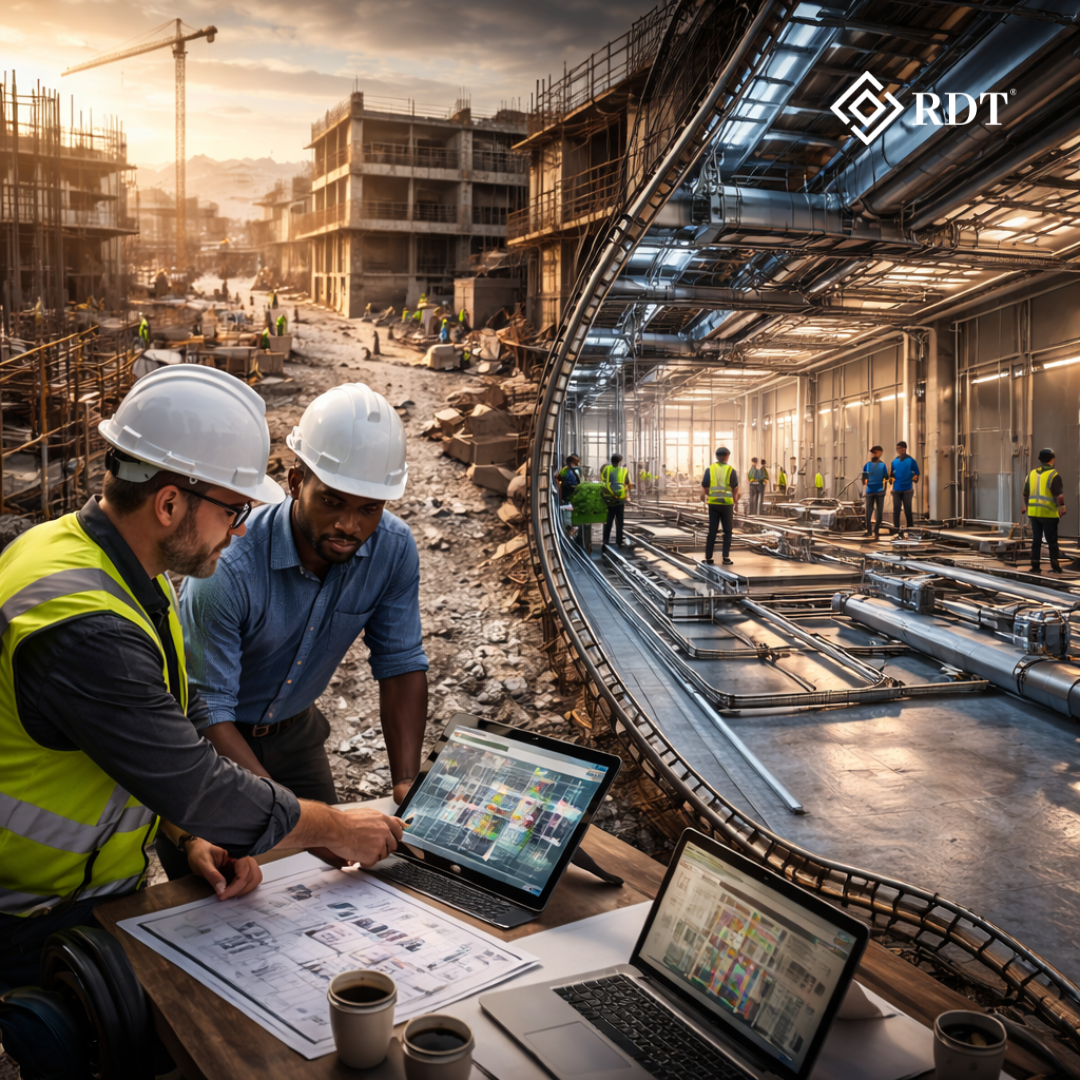
In today’s fast evolving design and construction landscape, precision is no longer optional. It defines whether a project succeeds or struggles with delays, rework, and rising costs. What many professionals fail to realize is that the real competitive advantage lies in understanding the deeper 3D Modeling Secrets that drive accuracy, coordination, and efficiency across every stage of a project.
While 3D modeling is widely used, its full potential often remains untapped. Many still treat it as a visual tool rather than a strategic asset. The reality is far more powerful. When used correctly, it becomes the backbone of intelligent project execution, enabling teams to predict challenges, optimize designs, and deliver flawless outcomes.
Let’s uncover the hidden truths that make 3D modeling a powerful force for boosting project precision instantly.
The Real Power of 3D Modeling Lies Beyond Visualization
Most people associate 3D modeling with high quality visuals and presentations. While that is one of its benefits, it only scratches the surface of what it can truly deliver.
At its core, 3D modeling is built on data. Every component within a model carries detailed information such as size, material, positioning, and relationships with other elements. This transforms the model into a living system rather than a static design.
With this intelligence, teams can analyze performance, identify inefficiencies, and make informed decisions early in the process. It shifts the focus from reactive problem solving to proactive planning.
Precision Starts with Coordination
One of the biggest reasons projects fail to maintain precision is the lack of coordination between different disciplines. Architects, engineers, and contractors often work independently, which leads to inconsistencies and conflicts during execution.
3D modeling creates a unified platform where all stakeholders collaborate within a single environment. This integration ensures that every element is aligned and updated in real time.
As a result, errors are minimized, communication improves, and teams operate with a shared understanding of the project. This level of coordination is essential for achieving high precision.
Clash Detection Is Only the First Step
Clash detection is often highlighted as a key advantage of 3D modeling, but its true value goes beyond simply identifying conflicts.
When clashes are detected early, teams gain the opportunity to rethink and refine their designs. They can analyze spatial constraints, adjust layouts, and improve system efficiency before construction begins.
This approach not only prevents rework but also enhances the overall quality of the project. Instead of reacting to issues, teams design with clarity and confidence from the start.
Faster Workflows with Greater Accuracy
There is a common belief that achieving higher precision takes more time. In reality, 3D modeling proves that speed and accuracy can go hand in hand.
Automation of repetitive tasks, instant updates, and real time visualization allow teams to work more efficiently. Changes can be made quickly, and their impact can be evaluated immediately.
This reduces delays and ensures that the project progresses smoothly without compromising on quality.
Hidden Cost Savings Across the Project Lifecycle
Cost control is a critical factor in any project, yet many overlook the long term savings enabled by 3D modeling.
By reducing errors and eliminating rework, it significantly lowers construction costs. Accurate quantity estimation ensures better resource planning, preventing material waste and over ordering.
Beyond construction, well modeled projects perform better during operation and maintenance. This leads to reduced lifecycle costs and improved return on investment.
Clear Communication That Drives Better Decisions
Miscommunication is one of the leading causes of project inefficiencies. Traditional drawings often leave room for interpretation, creating confusion among stakeholders.
3D modeling removes this uncertainty by presenting information in a clear and interactive format. Teams can visualize every aspect of the project, making it easier to understand complex systems.
This clarity improves collaboration and ensures that decisions are based on accurate and complete information.
Real Time Decision Making Changes Everything
Delays in decision making can disrupt project timelines and increase costs. Waiting for updated drawings or approvals slows down progress and creates bottlenecks.
With 3D modeling, teams have access to real time data. They can explore different scenarios, test solutions, and make decisions instantly.
This agility keeps projects moving forward and allows teams to respond effectively to challenges.
A Powerful Tool for Risk Reduction
Every project comes with uncertainties that can impact timelines, budgets, and quality. Identifying risks early is essential for successful delivery.
3D modeling provides a comprehensive view of the project, making it easier to spot potential issues during the design phase.
By addressing these risks early, teams can avoid costly disruptions and maintain control over the project. This proactive approach increases confidence and predictability.
Closing the Gap Between Design and Construction
One of the most common challenges in the industry is the disconnect between design intent and actual execution. What looks perfect in drawings does not always translate accurately on site.
3D modeling bridges this gap by providing a detailed and realistic representation of the project. Contractors can use the model as a reliable reference during construction.
This ensures that installations align with the design, improving quality and reducing deviations.
Building for the Future with Intelligent Modeling
As the industry moves towards smarter and more sustainable solutions, the role of 3D modeling continues to grow.
It supports the creation of efficient designs that adapt to changing needs. It also provides a strong foundation for future upgrades and technological integration.
Projects that leverage advanced modeling techniques are better prepared for long term success and evolving industry demands.
Why Many Still Miss Out on Its Full Potential
Despite its advantages, many professionals still underutilize 3D modeling. This often stems from a lack of awareness or hesitation to adopt new methods.
Some view it as an additional cost rather than a strategic investment. Others continue to rely on traditional practices without recognizing their limitations.
However, the industry is rapidly evolving. Those who embrace advanced modeling techniques gain a significant edge, while others risk falling behind.
Unlocking the True Value of 3D Modeling
The true impact of 3D modeling depends on how effectively it is integrated into project workflows. It is not just about using the tool but about using it strategically.
Successful teams ensure collaboration across all disciplines and continuously refine their processes. They treat 3D modeling as a central component of project execution rather than an optional feature.
When implemented correctly, it becomes a powerful driver of precision, efficiency, and innovation.
Conclusion
3D modeling has transformed the way projects are designed, planned, and executed. Its ability to combine visualization with intelligent data makes it an essential tool for achieving high precision.
From improving coordination and communication to enabling real time decision making and reducing risks, it delivers value at every stage of the project.
Understanding and applying these 3D Modeling Secrets allows teams to move beyond traditional limitations and achieve superior results. It is not just about keeping up with industry trends but about setting new standards for excellence.
If you want to unlock the full potential of 3D modeling and deliver projects with unmatched precision and efficiency, it is time to partner with RDT Technology. Our expertise in advanced modeling solutions helps you reduce errors, improve coordination, and achieve outstanding project outcomes.