In the architecture, engineering, and construction industry, problems rarely begin on-site. They originate quietly within drawings, models, and assumptions. By the time these issues surface during construction, they have already caused delays, increased costs, and strained relationships. Traditional visualization has always focused on presenting a perfect future. However, perfection is rarely the full story.
The Ghost Render introduces a new way of thinking. It shifts visualization from showcasing ideal outcomes to revealing hidden risks before they become real. It is not just about what a project will look like, but what it might suffer from if critical issues are ignored.
What is The Ghost Render
The Ghost Render is a forward-thinking visualization approach that highlights potential failures within a project before construction begins. Instead of presenting flawless environments, it integrates subtle and realistic indicators of risk directly into the render.
This approach transforms renders into decision-making tools. It enables stakeholders to see beyond aesthetics and understand the practical consequences of design and coordination choices.
The Problem with Traditional Rendering
Most rendering practices in the AEC industry focus on visual appeal. They are designed to impress clients, secure approvals, and communicate design intent clearly. While this serves a purpose, it often creates a false sense of confidence.
Clients see polished surfaces, perfect lighting, and ideal conditions. What they do not see are the hidden conflicts within the design. Structural misalignments, system clashes, and environmental risks remain buried in technical documents.
This gap between what is shown and what actually exists leads to costly consequences during construction.
Making the Invisible Visible
The Ghost Render addresses this gap by bringing hidden issues to the surface. It visually represents risks that are otherwise difficult to interpret through drawings or reports.
For example, a minor coordination error between a beam and a ceiling system might go unnoticed in a model review. In a Ghost Render, this could appear as a visible deformation in the ceiling finish. The issue becomes immediately understandable, even for non-technical stakeholders.
By turning abstract data into realistic visuals, The Ghost Render creates a stronger emotional and practical response.
Clash Detection Reimagined
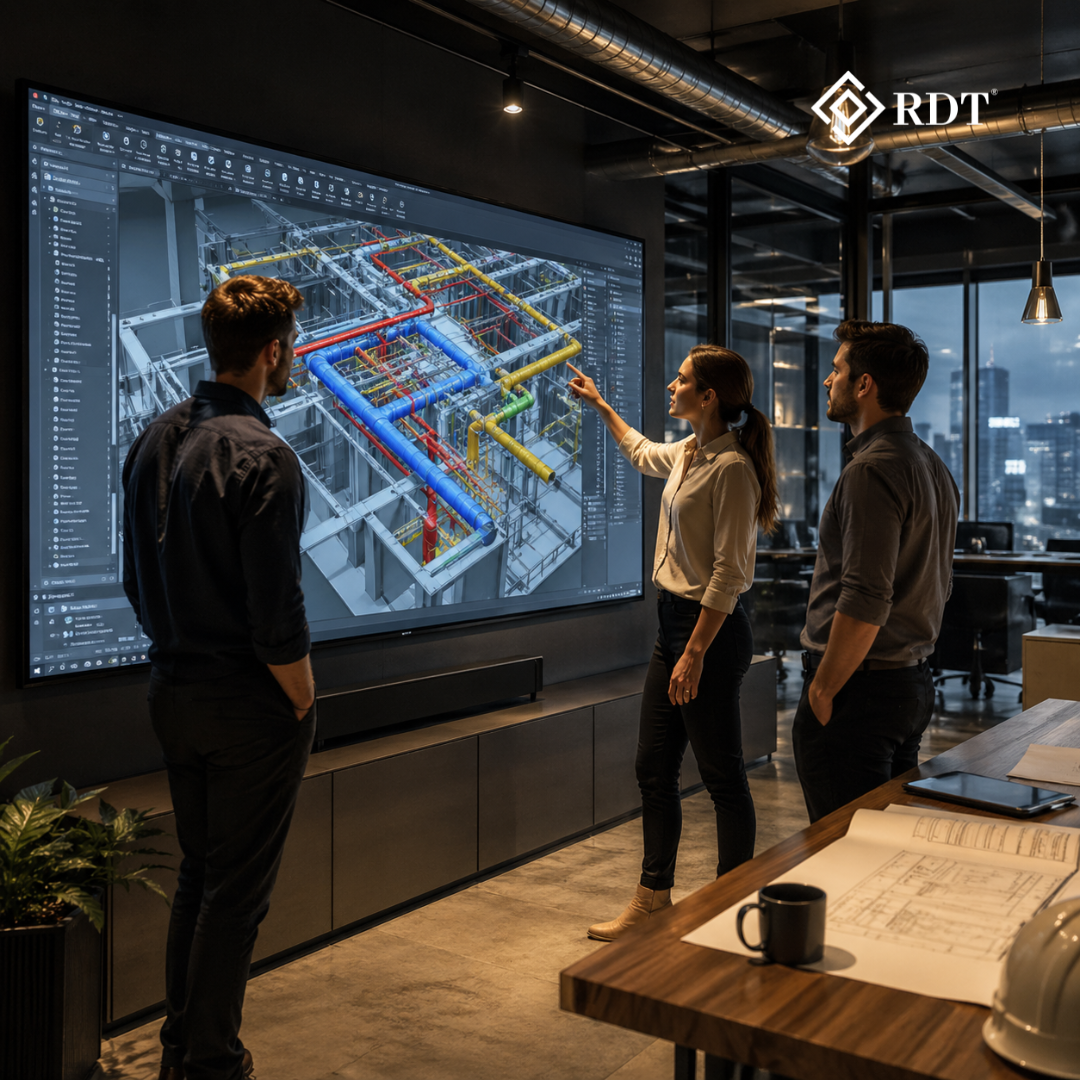
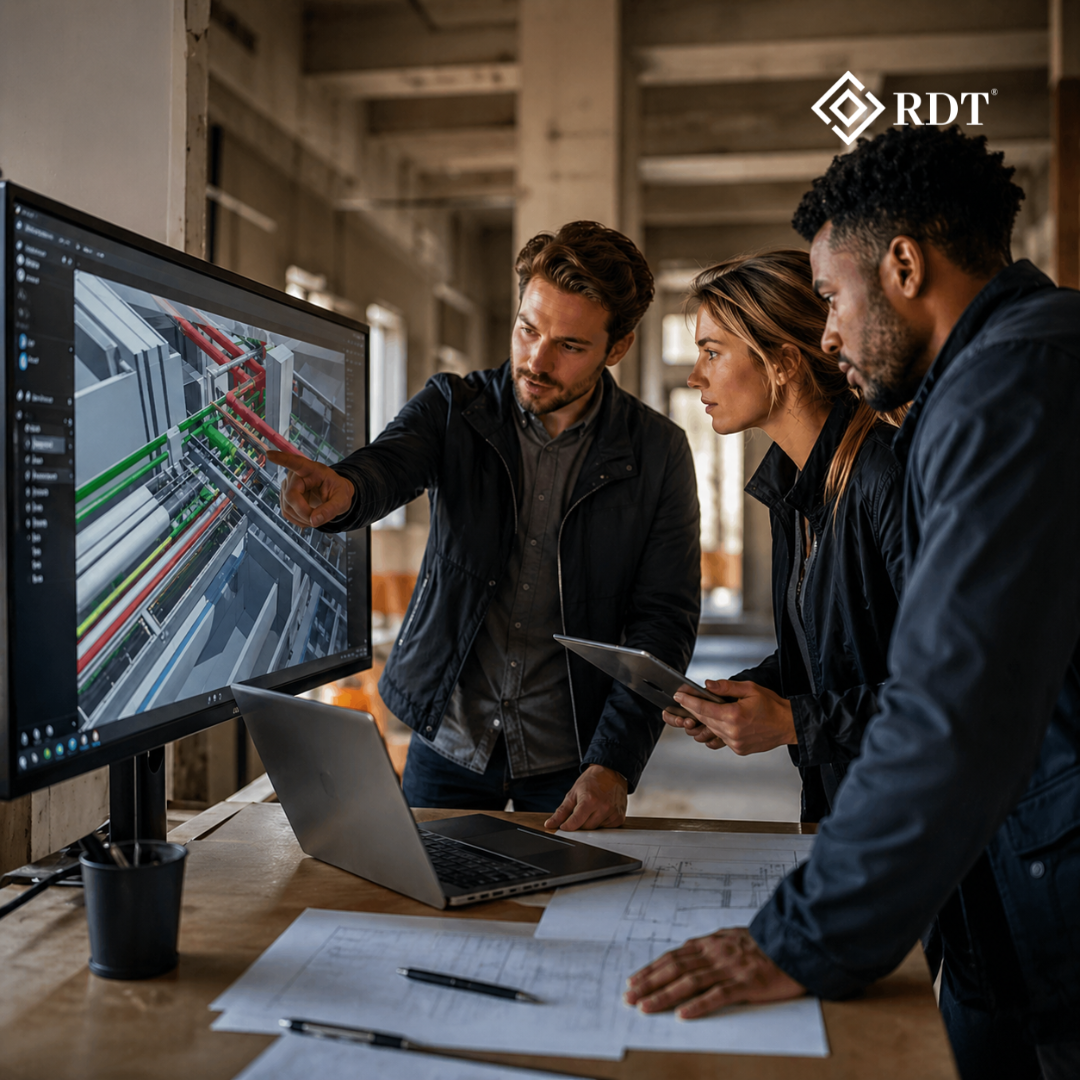
Clash detection tools are widely used in BIM workflows. They identify conflicts between different building systems and generate detailed reports. However, these reports are often complex and not easily understood by clients or decision-makers.
The Ghost Render takes clash detection a step further. It translates these conflicts into real-world visual scenarios.
Instead of reviewing a list of clashes, stakeholders can see the impact directly. A duct intersecting a beam is no longer just a technical issue. It becomes a visible defect that disrupts the building’s functionality and appearance.
This clarity accelerates decision-making and ensures that issues are resolved early.
Visualizing Water and Environmental Risks
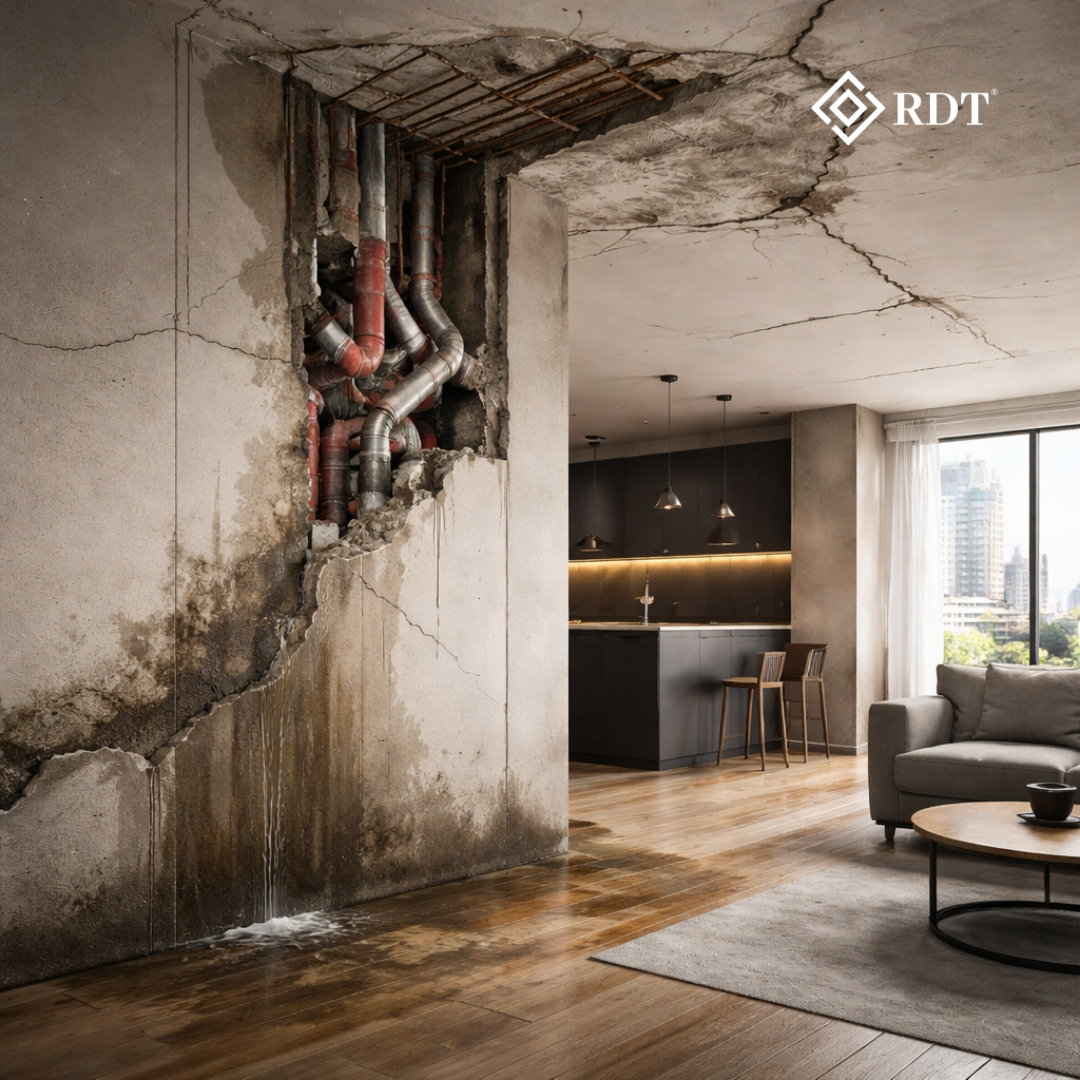
Water-related failures are among the most common and expensive issues in construction. Poor drainage design, inadequate waterproofing, and environmental exposure can lead to long-term damage.
The Ghost Render allows teams to simulate these scenarios before they occur.
A basement space can be rendered with realistic signs of water seepage. Exterior walls can show the effects of prolonged moisture exposure. These visual cues help stakeholders understand the importance of proper detailing and preventive measures.
By seeing the consequences early, teams are more likely to invest in better solutions.
Enhancing Client Understanding
Clients often rely heavily on visuals to make decisions. Technical drawings and BIM models can be difficult to interpret without specialized knowledge.
The Ghost Render bridges this gap by presenting information in a universally understandable format.
When clients see potential issues within a realistic environment, they gain a deeper understanding of the project. This leads to more informed decisions and fewer surprises during construction.
Transparency also builds trust. Clients appreciate being informed about risks rather than discovering them later.
A Competitive Advantage for Firms
In a competitive market, differentiation is essential. Many firms offer similar services and capabilities. The Ghost Render provides a unique opportunity to stand out.
By offering risk-based visualization, firms position themselves as proactive and forward-thinking. They demonstrate a commitment to project success beyond basic deliverables.
This approach not only attracts clients but also strengthens long-term relationships.
Improving Construction Outcomes
Construction projects often face delays due to unforeseen issues. These problems disrupt schedules, increase costs, and create conflicts among stakeholders.
The Ghost Render helps mitigate these risks by identifying potential problem areas early in the project lifecycle.
Teams can develop solutions before construction begins, leading to smoother execution. This reduces rework, improves efficiency, and enhances overall project performance.
Integration with BIM Workflows
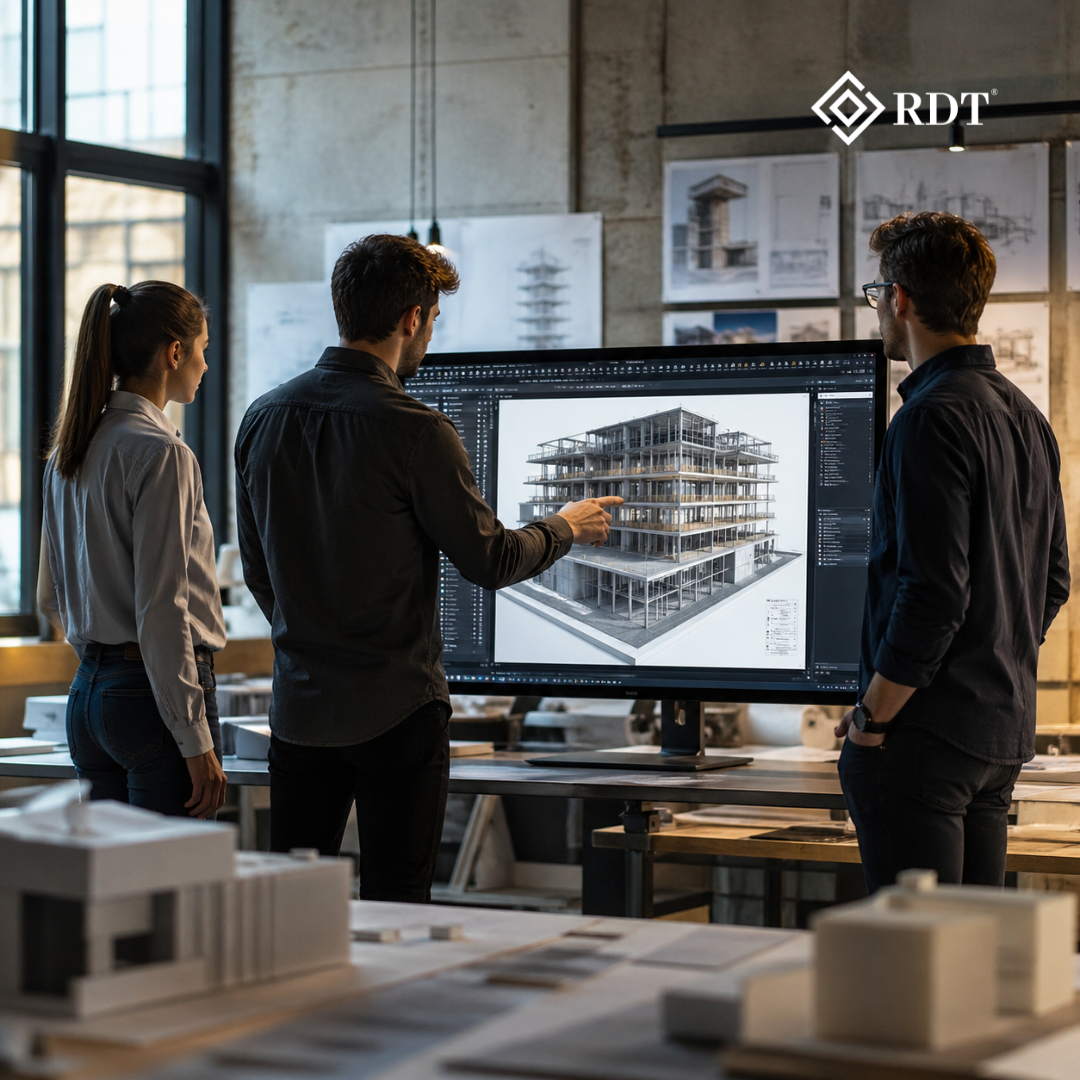
Building Information Modeling already contains valuable data about a project. Geometry, materials, and system relationships are all embedded within the model.
The Ghost Render leverages this data to create accurate and meaningful visualizations.
Clashes identified in BIM can be translated into visible defects. Material properties can inform realistic deterioration effects. Environmental data can influence how risks are represented.
This integration maximizes the value of existing workflows and makes complex information more accessible.
Applications in Safety Planning
Safety is a critical concern in the AEC industry. While regulations and training programs are essential, visualizing risks can significantly enhance awareness.
The Ghost Render can be used to depict potential safety hazards within a project.
For example, it can illustrate unsafe access points, equipment conflicts, or structural vulnerabilities. These visuals can be incorporated into training sessions to improve understanding and retention.
Seeing a potential hazard creates a stronger impact than reading about it. This leads to safer behavior on-site.
The Need for Cultural Shift
Adopting The Ghost Render requires a change in mindset. It involves embracing transparency and acknowledging that no design is without risk.
Some teams may hesitate to present potential issues to clients. However, this openness ultimately builds stronger relationships.
Clients value honesty and proactive problem-solving. By addressing risks early, teams can avoid larger issues later.
The Role of Expertise
Creating effective Ghost Renders is not a simple task. It requires a deep understanding of construction processes, materials, and environmental factors.
Visualization specialists must work closely with engineers and designers. Together, they can identify realistic risk scenarios and represent them accurately.
This collaboration ensures that the renders are both visually compelling and technically meaningful.
The Future of Visualization
Technology is rapidly evolving, and the possibilities for The Ghost Render are expanding.
Real-time rendering tools and advanced simulations will enable more dynamic visualizations. Stakeholders may soon interact with renders that allow them to explore different scenarios and outcomes.
This level of engagement will transform how decisions are made in the AEC industry.
Visualization will no longer be limited to presentation. It will become a critical tool for analysis and strategy.
Conclusion
The Ghost Render represents a powerful evolution in AEC visualization. It shifts the focus from perfection to awareness. It brings hidden risks into the spotlight and enables better decision-making.
In an industry where unseen mistakes can have significant consequences, this approach offers a new level of clarity and control.
By visualizing what could go wrong, teams can take action before problems arise. This leads to better projects, stronger relationships, and improved outcomes.
The future of construction lies not just in building better structures, but in understanding them more deeply before they are built.
If you want to eliminate hidden risks and bring unmatched clarity to your projects, it is time to adopt The Ghost Render approach. Partner with RDT Technology and experience a smarter, more transparent way of visualizing and delivering your developments with confidence and precision.