In the world of luxury real estate, perception is everything. Buyers are not simply investing in square footage or location. They are buying an experience, a lifestyle, and a vision of exclusivity that must feel real long before construction is complete. This is where hyper realistic rendering becomes not just valuable, but essential. When expectations are exceptionally high, anything less than true to life visualization fails to create the emotional connection required to close high value deals.
The New Standard in Luxury Real Estate Visualization
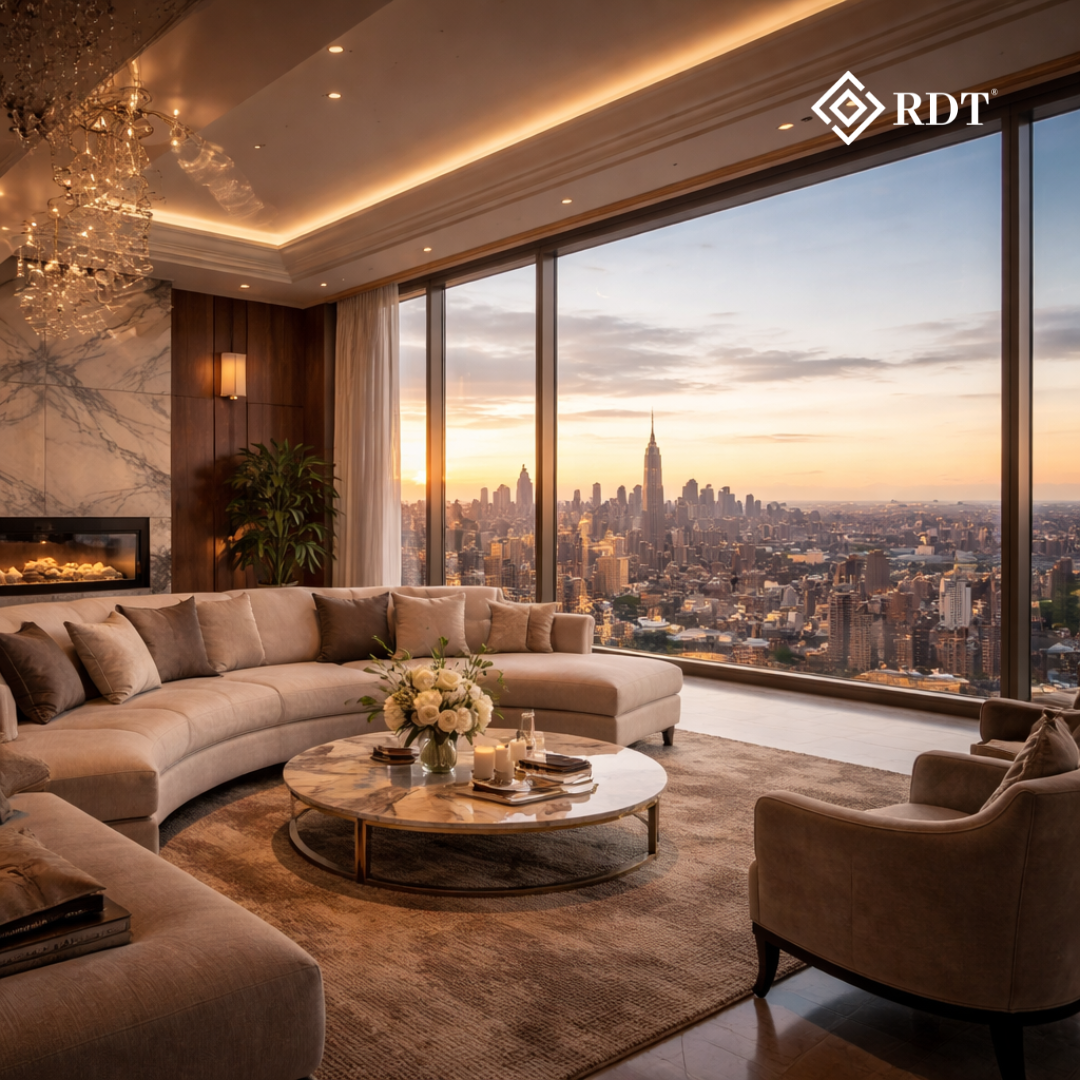
Luxury developments operate in a completely different league compared to standard residential or commercial projects. The clientele is more discerning, the stakes are higher, and the competition is relentless. A basic rendering might communicate layout and structure, but it cannot capture the feeling of stepping into a sunlit penthouse overlooking the skyline or experiencing the warmth of premium materials in a private villa.
Buyers at this level do not want to imagine. They expect to see and feel the final product before it exists. Hyper realistic rendering bridges that gap between concept and reality with precision and impact. It transforms architectural intent into a visual experience that feels tangible, immersive, and emotionally compelling.
Why Emotional Connection Drives Luxury Sales
One of the primary reasons hyper realistic rendering is crucial for luxury projects is the emotional response it generates. High end buyers make decisions based on how a space makes them feel. They want to visualize themselves living in that environment, hosting guests, enjoying the ambiance, and experiencing comfort and prestige.
Flat or generic visuals fail to evoke this response. In contrast, detailed lighting, accurate textures, natural reflections, and lifelike surroundings create an atmosphere that resonates on a deeper level. This emotional engagement is what converts interest into intent and intent into investment.
The Power of Lighting in Hyper Realism
Lighting is not simply about brightness. It defines mood, depth, and realism. The way sunlight filters through sheer curtains, the reflection of a chandelier on polished marble, or the subtle glow of ambient lighting in a living space can dramatically influence perception.
Hyper realistic rendering captures these nuances with precision, turning a static image into a living scene. It allows viewers to experience different times of day, lighting conditions, and atmospheres, making the space feel alive and believable.
Material Accuracy Reflects True Luxury
Luxury projects are defined by their materials. Natural stone, hardwood, glass, and premium finishes must be represented with complete accuracy to maintain authenticity. A standard rendering may show surfaces, but it often lacks depth and realism.
Hyper realistic rendering goes further by showcasing textures, imperfections, reflections, and interactions with light. A marble floor is not just a surface. It reveals its veining, polish, and richness. This level of detail reinforces quality and craftsmanship, which are critical in influencing buyer perception.
Exterior Visualization That Completes the Story
The value of a luxury property extends beyond its interiors. Surroundings play a significant role in shaping its appeal. Landscapes, skyline views, water features, and environmental context must be seamlessly integrated into the visualization.
Hyper realistic rendering ensures that these elements are not treated as secondary. Instead, they become part of the overall experience. A beachfront villa must convey the movement of waves, the softness of the horizon, and the connection between architecture and nature. This creates a complete and immersive narrative.
Precision in Scale and Spatial Experience
Luxury spaces emphasize openness, proportion, and spatial flow. Poor visualization can distort these elements, leading to confusion or mistrust. Hyper realistic rendering ensures that scale is accurate and spaces are represented as they are intended to be experienced.
Buyers gain a clear understanding of dimensions, layouts, and transitions between areas. This clarity builds confidence and reduces hesitation during the decision making process.
First Impressions in a Digital First Market
In today’s digital landscape, most buyers encounter projects online before any physical interaction. First impressions are formed within seconds. High quality visuals are no longer optional. They are essential.
A hyper realistic rendering captures attention instantly, encouraging users to pause, explore, and engage. On the other hand, low quality visuals risk being overlooked or dismissed. In a competitive market, this difference can directly impact sales performance.
A Powerful Marketing and Branding Tool
Hyper realistic renderings are versatile assets that can be used across websites, social media, presentations, and advertising campaigns. Consistent visual quality strengthens brand identity and communicates professionalism.
It positions the project as premium and aligns with the expectations of high end buyers. Strong visuals do not just showcase a property. They elevate its perceived value and market presence.
Improved Communication and Decision Making
Beyond marketing, hyper realistic rendering plays a vital role in project communication. Architects, designers, and developers can align their vision more effectively through detailed visuals.
This reduces misunderstandings, minimizes revisions, and improves overall efficiency. Clients benefit from greater transparency and clarity, making the process more collaborative and streamlined.
Standing Out in a Competitive Market
Luxury buyers often evaluate multiple properties before making a decision. On paper, many projects may appear similar. What sets one apart is how it is presented.
Hyper realistic rendering creates a distinct visual identity that captures attention and builds preference. It highlights the uniqueness of the project and reinforces its exclusivity. This competitive edge can be the difference between a missed opportunity and a successful sale.
Beyond Technology, A Craft of Precision
Hyper realistic rendering is not just about advanced tools. It requires expertise, creativity, and a deep understanding of design principles. Every detail must be carefully considered to achieve a cohesive and believable result.
From composition and lighting to materials and environment, each element contributes to the final outcome. This level of craftsmanship distinguishes exceptional renderings from average ones.
The Future of Luxury Visualization
As technology continues to evolve, expectations will rise. Buyers will demand more immersive and interactive experiences. Virtual reality and augmented reality are already transforming how projects are presented.
However, the foundation remains the same. High quality, accurate, and emotionally engaging visuals will always be at the core of effective luxury marketing.
Conclusion
Luxury projects are more than structures. They represent aspiration, identity, and lifestyle. Every detail must reflect excellence, including how the project is presented.
Settling for average visualization limits the potential of even the most well designed development. Hyper realistic rendering ensures that the vision is communicated with clarity, impact, and authenticity. It transforms ideas into experiences and creates a lasting impression that drives decision making.
If your luxury project deserves to stand out, it needs visuals that do more than represent it. It needs visuals that sell it. Book a meeting with RDT Technology to bring your vision to life with hyper realistic rendering that captures attention, builds trust, and drives high value decisions.