
Introduction
In the fast paced construction industry, design build firms are constantly under pressure to deliver projects that meet strict timelines, budgets, and quality standards. One of the most critical elements that determines project success is the quality of construction documentation. Accurate and well coordinated documentation forms the backbone of every successful project, ensuring that all stakeholders work with clarity and precision from concept to completion.
Construction documentation services have evolved into a strategic necessity for design build firms that aim to streamline workflows, reduce errors, and enhance overall project outcomes. By investing in high quality documentation, firms can bridge the gap between design intent and on site execution while minimizing costly delays and rework.
Understanding Construction Documentation
Construction documentation refers to the detailed drawings, specifications, and supporting information that guide the construction process. These documents include architectural drawings, structural plans, MEP layouts, material specifications, and schedules that collectively define how a project will be built.
For design build firms, construction documentation plays a dual role. It not only communicates the design vision but also serves as a practical guide for contractors, engineers, and project managers. Clear and precise documentation ensures that every aspect of the project is understood and executed correctly.
Unlike traditional workflows where design and construction are handled separately, design build firms require highly integrated documentation that supports collaboration across disciplines. This makes the accuracy and coordination of documents even more important.
The Importance of Accuracy in Construction Documentation
Accuracy in construction documentation is essential for avoiding errors that can lead to delays, cost overruns, and compromised quality. Even minor inconsistencies between drawings and specifications can create confusion on site, resulting in rework and wasted resources.
Well prepared documentation ensures that all project details are clearly defined. Dimensions, materials, connections, and installation methods must be precise and consistent across all documents. This level of accuracy helps contractors execute the project with confidence and reduces the likelihood of misinterpretation.
For design build firms, accurate documentation also strengthens accountability. When all stakeholders rely on the same set of coordinated documents, it becomes easier to track progress, identify issues, and maintain quality control throughout the project lifecycle.
Enhancing Efficiency Through Streamlined Documentation
Efficiency is a key factor in the success of design build projects. Construction documentation services contribute significantly to improving efficiency by organizing information in a clear and structured manner.
When documentation is well coordinated, teams spend less time searching for information or resolving discrepancies. This leads to faster decision making and smoother project execution. Clear documentation also reduces the need for frequent revisions, allowing projects to move forward without unnecessary interruptions.
Another important aspect of efficiency is the ability to standardize documentation processes. By adopting consistent formats and workflows, design build firms can improve productivity and maintain uniform quality across multiple projects. This not only saves time but also enhances overall project management.
Supporting Better Collaboration Across Teams
Design build projects involve multiple stakeholders, including architects, engineers, contractors, and clients. Effective collaboration among these parties is essential for achieving project goals.
Construction documentation serves as a common language that aligns all stakeholders. When documents are clear, detailed, and coordinated, they provide a shared understanding of the project. This reduces misunderstandings and ensures that everyone is working towards the same objectives.
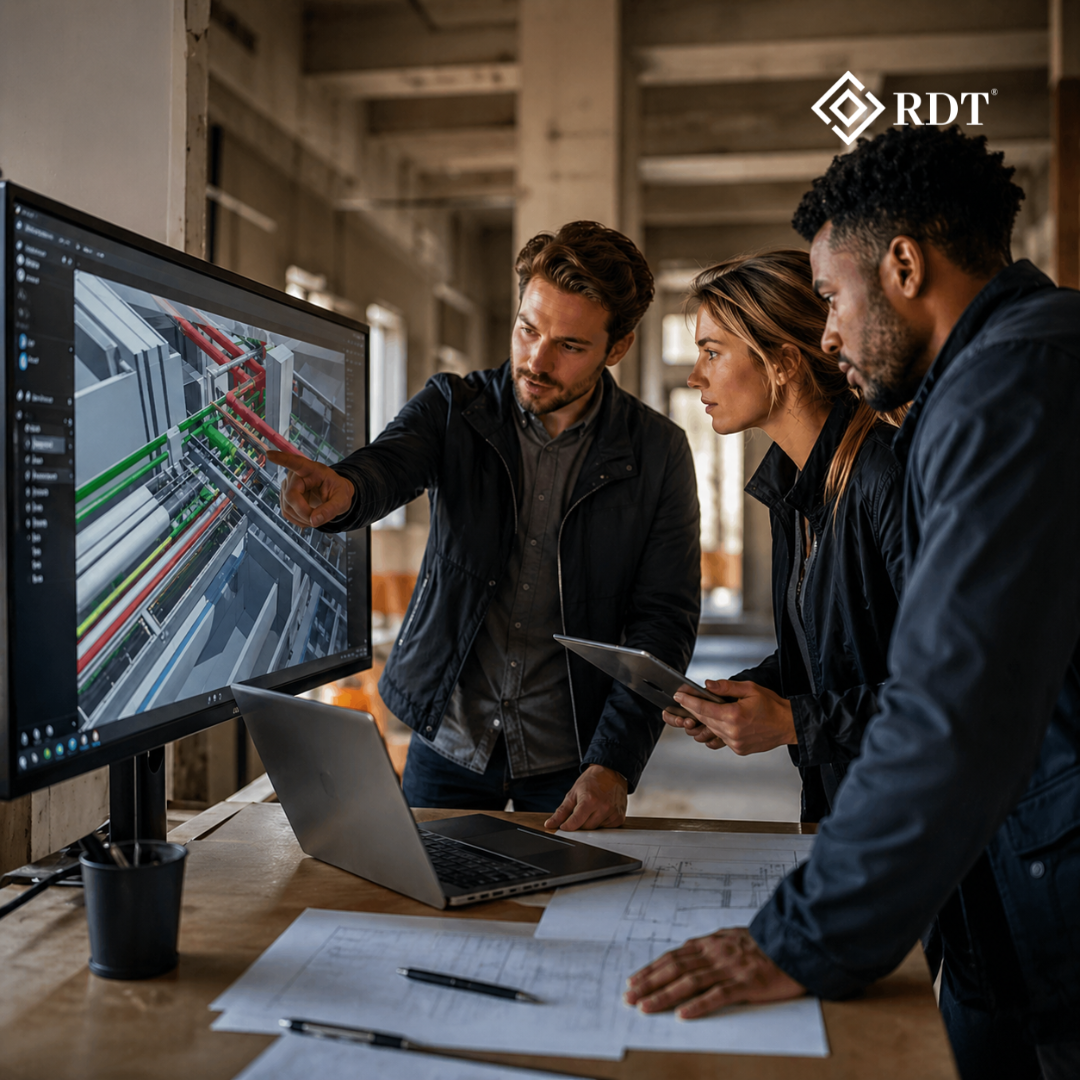
Advanced documentation practices also enable better coordination between different disciplines. Architectural, structural, and MEP systems must be integrated seamlessly to avoid conflicts during construction. High quality documentation helps identify and resolve these issues early, leading to smoother execution on site.
Reducing Risks and Avoiding Costly Errors
One of the biggest challenges in construction projects is managing risk. Poor documentation can lead to errors that result in delays, disputes, and additional costs.
Construction documentation services play a crucial role in risk mitigation by ensuring that all project details are clearly defined and verified before construction begins. This includes checking for inconsistencies, resolving conflicts between different systems, and ensuring compliance with industry standards and regulations.
By addressing potential issues at the documentation stage, design build firms can prevent costly problems during construction. This proactive approach not only saves money but also protects the reputation of the firm.
Improving Project Delivery and Timelines
Timely project delivery is a major priority for design build firms. Delays can have significant financial and operational impacts, making it essential to maintain a smooth workflow from start to finish.
Construction documentation services contribute to improved project delivery by providing clear and reliable information that supports efficient execution. When contractors have access to accurate and well organized documents, they can complete tasks more quickly and with fewer interruptions.
In addition, well prepared documentation facilitates better planning and scheduling. Project managers can use detailed drawings and specifications to allocate resources effectively and monitor progress with greater accuracy. This leads to improved coordination and timely completion of projects.
The Role of Technology in Modern Documentation
Technology has transformed the way construction documentation is created and managed. Digital tools and software enable the development of highly detailed and coordinated documents that enhance accuracy and efficiency.
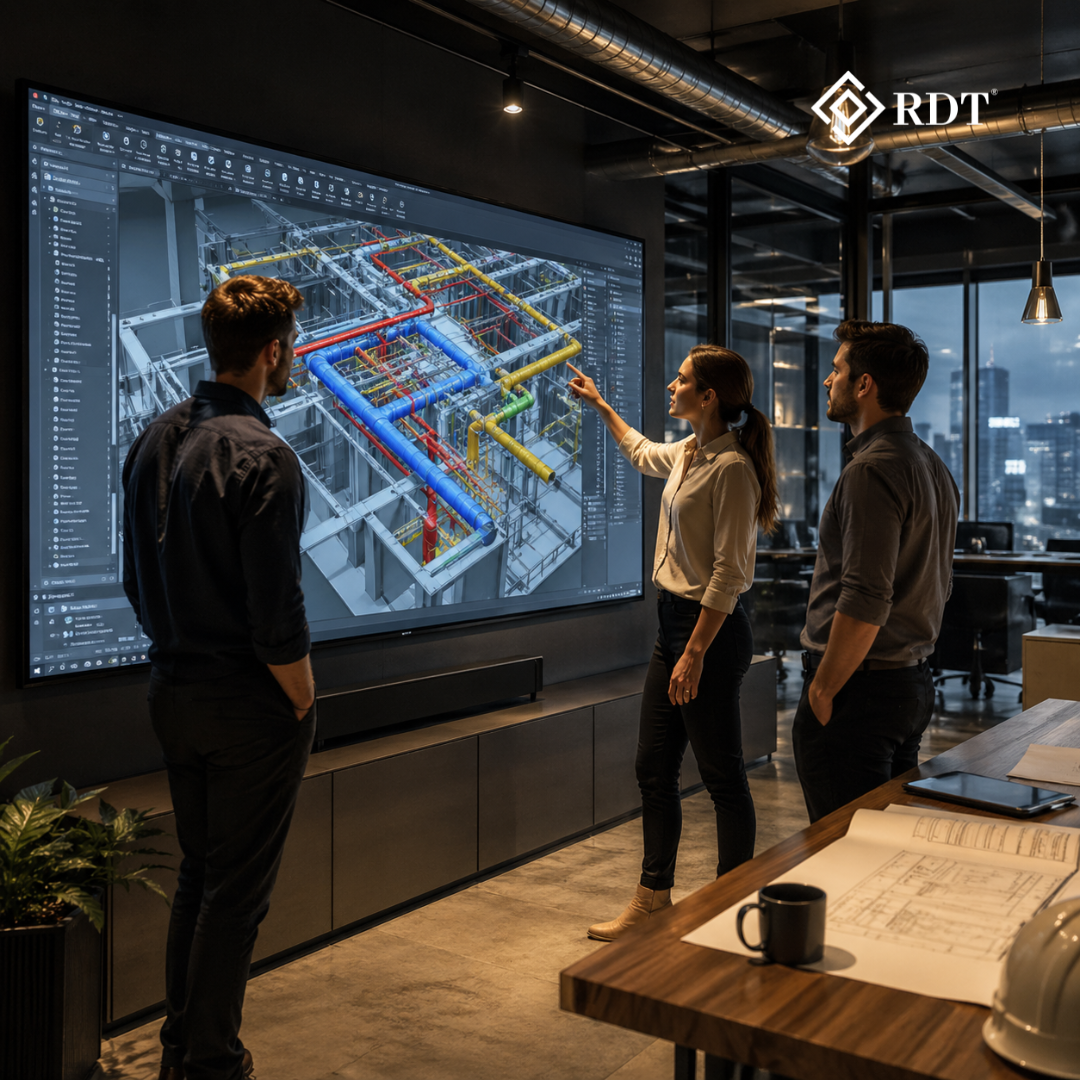
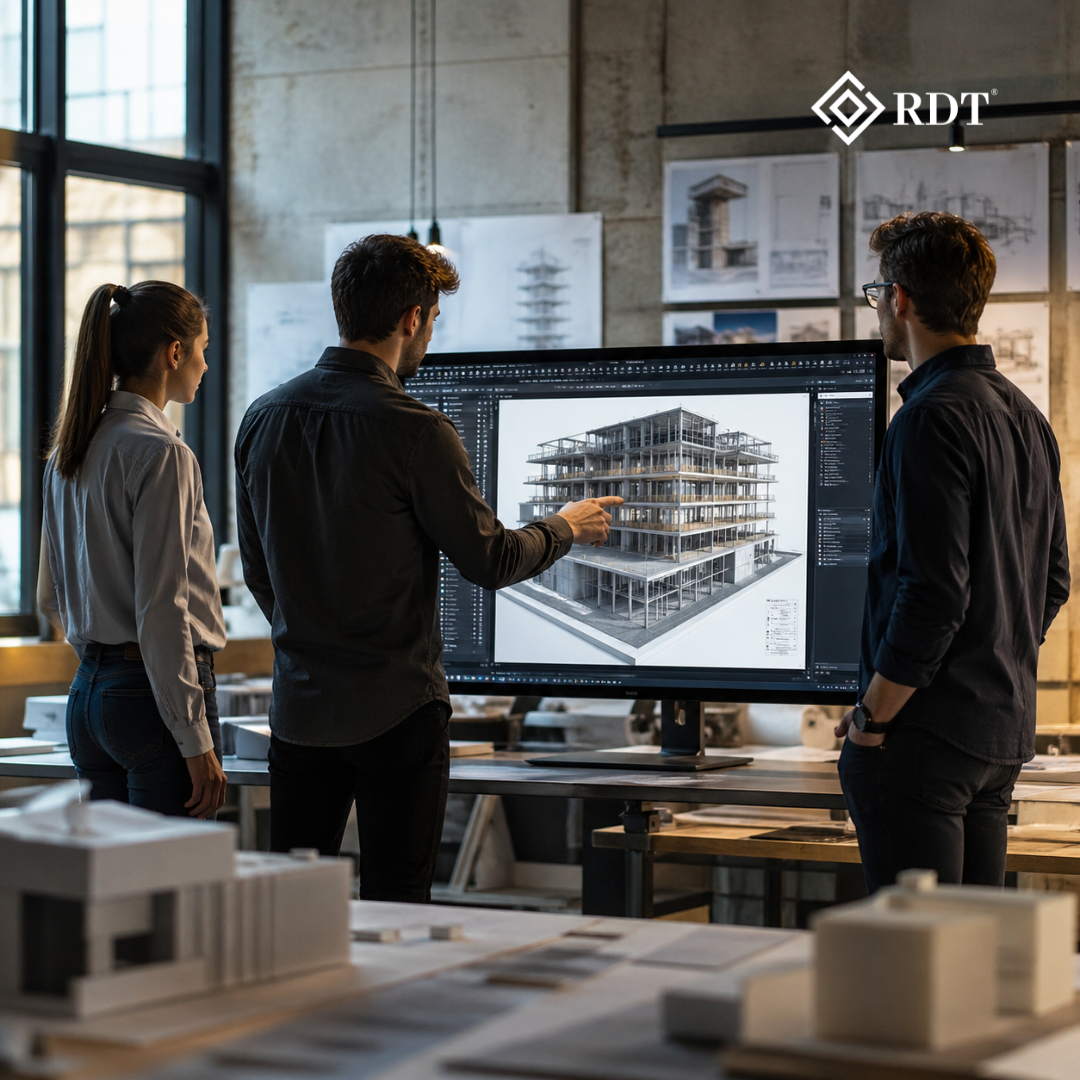
Building Information Modeling plays a significant role in modern documentation practices. It allows design build firms to create intelligent models that integrate architectural, structural, and MEP systems into a single platform. This improves coordination and reduces the risk of conflicts during construction.
Digital documentation also enables real time updates and collaboration. Teams can access the latest information from anywhere, ensuring that everyone is working with the most current data. This level of connectivity enhances communication and supports faster decision making.
Customization and Flexibility for Project Needs
Every construction project is unique, with specific requirements and challenges. Construction documentation services offer the flexibility to tailor documents according to the needs of each project.
Design build firms can customize drawings, specifications, and schedules to align with project goals and client expectations. This ensures that the documentation is relevant and practical for the specific context of the project.
Flexibility also allows for adjustments during the project lifecycle. As design changes occur, documentation can be updated to reflect the latest information. This adaptability is essential for maintaining accuracy and consistency throughout the project.
Choosing the Right Construction Documentation Partner
Selecting the right partner for construction documentation services is a critical decision for design build firms. A reliable partner brings expertise, precision, and a deep understanding of industry requirements.
Firms should look for a service provider with a proven track record of delivering high quality documentation across various project types. Attention to detail, strong coordination skills, and the ability to meet deadlines are key factors to consider.
Effective communication is also essential. A good documentation partner works closely with the design build team to understand project requirements and ensure that all deliverables align with the overall vision.
Future Trends in Construction Documentation
The future of construction documentation is driven by innovation and increasing demand for efficiency and accuracy. Digital transformation will continue to play a major role in shaping documentation practices.
Automation and advanced modeling tools are expected to streamline the creation of construction documents, reducing manual effort and improving consistency. Integration with project management systems will further enhance coordination and tracking.
Sustainability is also becoming an important consideration. Documentation will increasingly include detailed information about energy efficiency, materials, and environmental impact, helping design build firms meet evolving standards and client expectations.
As the industry continues to evolve, firms that embrace these advancements will be better positioned to deliver high quality projects with greater efficiency and reliability.
Conclusion
Construction documentation services are a vital component of success for design build firms. They provide the foundation for accurate communication, efficient workflows, and effective collaboration across all stages of a project.
By ensuring precision and coordination, these services help reduce risks, improve project timelines, and enhance overall quality. In a competitive industry where every detail matters, investing in high quality construction documentation is essential for achieving consistent and successful outcomes.
Take your design build projects to the next level with precise and reliable construction documentation services. Partner with RDT Technology to enhance accuracy, streamline workflows, and deliver projects with confidence and excellence.