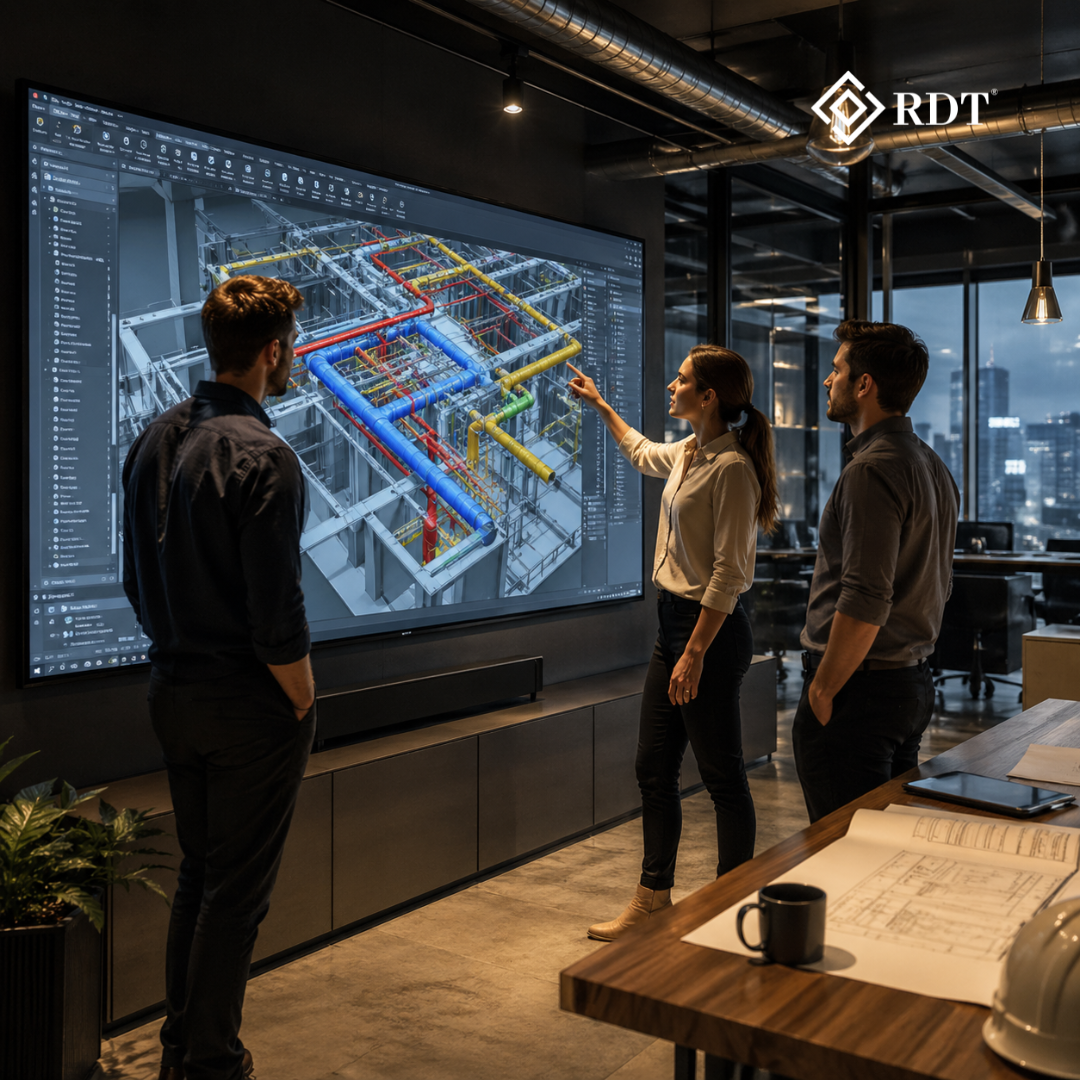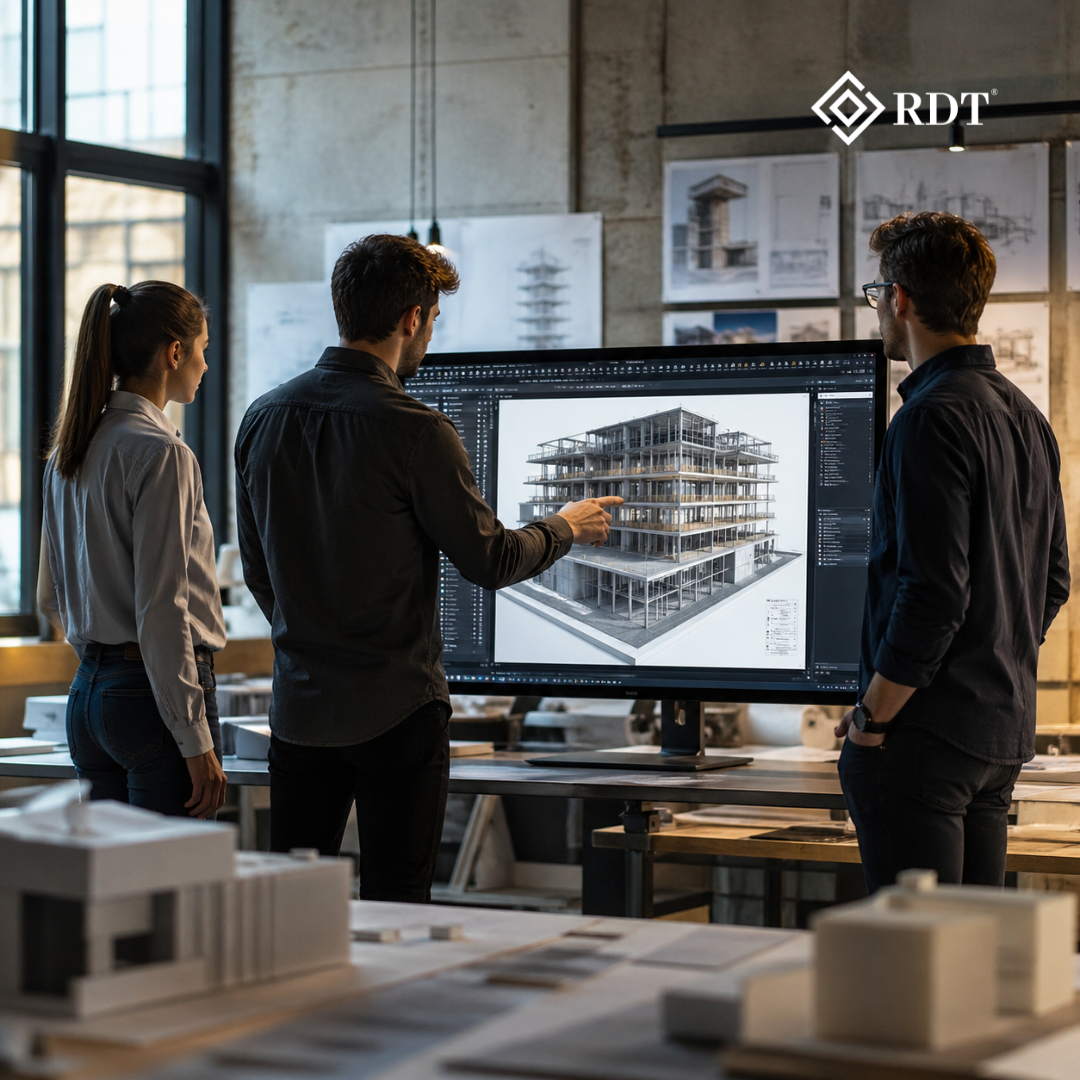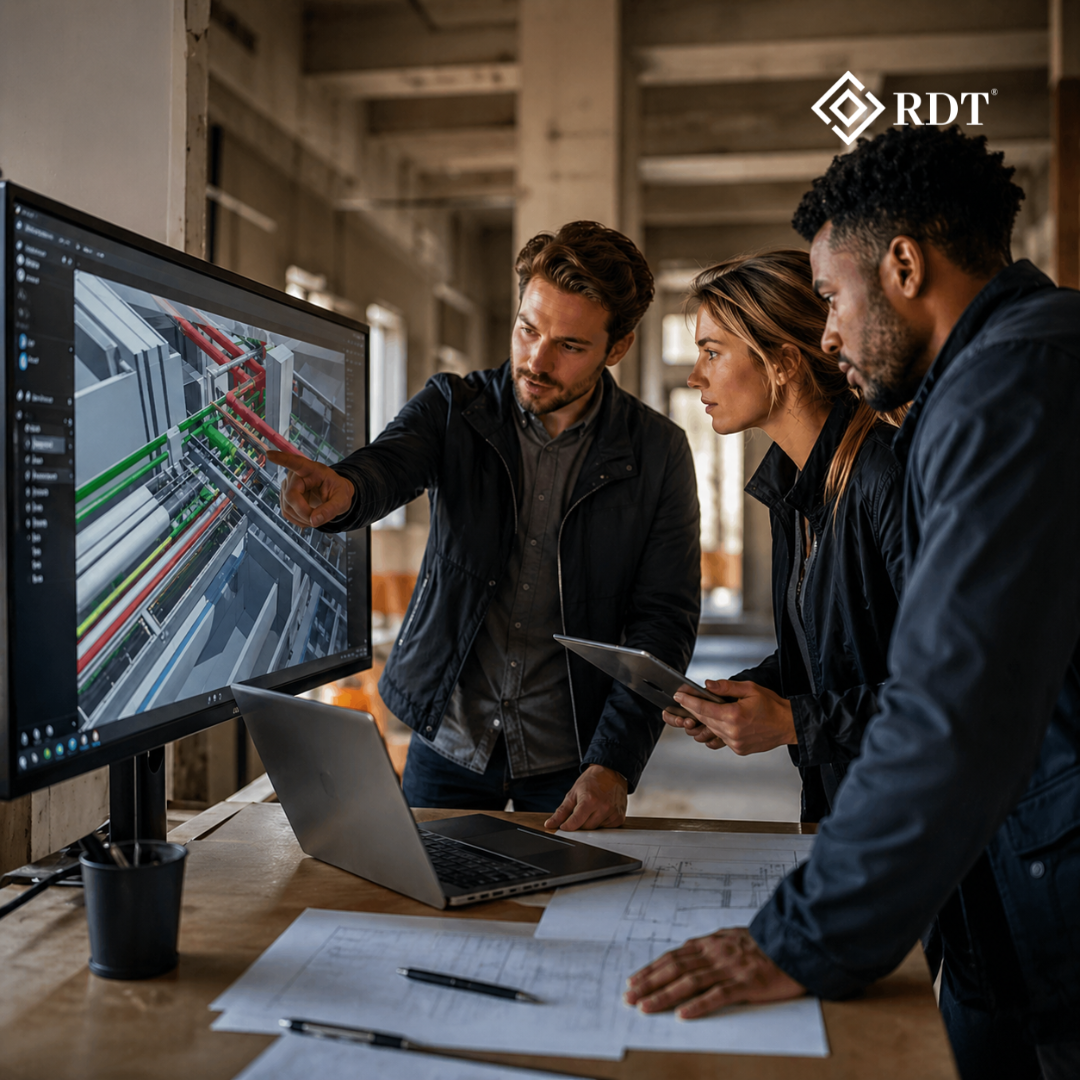

Architectural visualization has evolved from a simple presentation tool into an essential part of the modern design and construction process. Architects, developers, and designers now rely on high quality visuals to communicate ideas clearly and help clients understand projects long before construction begins. As technology continues to advance, the Top Architectural Visualization Trends are redefining how projects are presented, experienced, and approved. In 2026 the industry is witnessing rapid innovation through real time rendering, immersive experiences, and intelligent design tools that are transforming the way architecture is visualized and shared.
Architectural visualization plays a critical role in bridging the gap between imagination and reality. It allows architects to convert technical drawings and digital models into compelling visual stories that clients and stakeholders can easily understand. With increasing competition in architecture and real estate markets, the ability to present projects through realistic and engaging visuals has become more important than ever.
The following sections explore the major trends shaping architectural visualization in 2026 and how they are influencing design communication, project approvals, and marketing strategies.
Real Time Rendering Becoming the Industry Standard
One of the most important developments in architectural visualization is the rise of real time rendering. In traditional workflows, creating a high quality render often required hours of processing time. Designers had to wait for the final output before reviewing the results, which slowed down the design process.
In 2026 real time rendering engines allow designers to see changes instantly as they adjust materials, lighting, or camera angles. This immediate feedback enables architects and visualization artists to experiment with multiple design options quickly. Instead of waiting for long rendering cycles, teams can evaluate design decisions in real time and make improvements more efficiently.
This shift has also improved client collaboration. During design meetings, architects can modify elements of the project while the client watches the changes live. Whether it involves adjusting wall finishes, changing lighting conditions, or exploring different furniture layouts, real time rendering allows clients to participate actively in the design process.
Another advantage of real time rendering is that it supports multiple outputs from the same environment. Designers can produce still images, animations, and interactive walkthroughs without rebuilding the entire scene. This flexibility makes real time technology one of the most influential forces shaping architectural visualization in 2026.
Immersive Virtual Reality Experiences
Virtual reality has become a powerful tool for presenting architectural designs in an immersive and interactive way. Instead of looking at static images, clients can now walk through digital environments and experience the scale and atmosphere of a building before it is constructed.
VR technology allows users to explore spaces from a first person perspective. They can move through rooms, observe ceiling heights, and understand the relationship between interior and exterior spaces. This level of immersion helps clients visualize how a building will feel once it is completed.
For real estate developers, VR walkthroughs are becoming an effective marketing strategy. Potential buyers can explore apartments, offices, or villas remotely without visiting the construction site. This is especially valuable for international investors who want to evaluate properties from different locations around the world.
Another benefit of immersive visualization is improved project approval. When stakeholders experience a design in a realistic environment, they gain greater confidence in the project. This clarity often reduces revisions and accelerates decision making.
As VR equipment becomes more affordable and accessible, immersive walkthroughs are expected to become a standard feature in architectural visualization projects.
AI Assisted Visualization Workflows
Artificial intelligence is increasingly influencing how architectural visualization is produced. Rather than replacing designers, AI tools are helping artists streamline their workflows and automate repetitive tasks.
Many visualization platforms now include intelligent features that assist with scene generation, texture creation, and lighting optimization. These tools can quickly populate landscapes with vegetation, generate environmental backgrounds, and improve image quality.
AI technology is also useful during the early concept stage of a project. Architects can generate preliminary visual concepts from sketches or simple descriptions. This allows designers to explore multiple creative directions before committing to a final design.
Despite these advancements, human creativity remains essential in architectural visualization. Creating convincing visual narratives requires an understanding of architectural principles, lighting behavior, and composition. AI tools act as supportive assistants that enhance productivity while leaving the artistic direction in the hands of experienced professionals.
In 2026 successful visualization studios are combining advanced AI tools with skilled artists to produce compelling architectural imagery.
Short Form Architectural Animation for Digital Platforms
Another emerging trend in architectural visualization is the growing demand for short video content. Social media platforms have changed how architectural projects are presented to audiences. Instead of relying only on still images, many studios are now creating short cinematic animations.
These videos often highlight key design features such as natural lighting, material textures, and spatial transitions. Short architectural clips can communicate the atmosphere of a space more effectively than static renders.
For marketing purposes, developers and architects use these animations to promote new projects across digital platforms. A brief cinematic sequence showing a building exterior at sunrise or a warm interior scene can capture attention quickly and create a strong emotional connection with viewers.
Modern rendering technology makes it easier to produce high quality animations without lengthy production times. As a result, short architectural videos are becoming an important component of architectural visualization strategies in 2026.
Sustainable Design Visualization
Sustainability has become a major priority in contemporary architecture, and visualization techniques are evolving to reflect this focus. Clients and developers increasingly want to understand how buildings interact with their surrounding environment.
Architectural visualizations now highlight sustainable design features such as solar panels, green roofs, rainwater harvesting systems, and natural ventilation strategies. These visual elements help stakeholders recognize the environmental benefits of a project.
Another growing design philosophy is biophilic architecture, which emphasizes the integration of natural elements into built environments. Visualization artists are incorporating lush greenery, natural materials, and outdoor landscapes to illustrate how buildings can coexist harmoniously with nature.
Creating convincing natural environments requires careful attention to lighting, textures, and environmental details. As sustainability continues to shape architectural practice, visualization will play an important role in communicating environmentally responsible design strategies.
Cloud Based Rendering and Remote Collaboration
Cloud technology is also transforming architectural visualization workflows. In the past, producing complex renders required powerful computers and expensive hardware setups.
Cloud rendering platforms now allow designers to upload their scenes to remote servers where rendering tasks are completed quickly. This approach eliminates the need for expensive local hardware and allows studios to handle large projects more efficiently.
Another advantage of cloud based workflows is improved collaboration. Architects, designers, and visualization artists can work together from different locations and share updates in real time. Project files can be stored online, making it easier for teams to review changes and maintain consistent workflows.
For smaller studios and independent artists, cloud rendering has opened new opportunities. High quality visualization is no longer limited to firms with large hardware investments. This technology is making advanced visualization tools accessible to a wider range of professionals.
Hyper Realistic Materials and Lighting
Achieving photorealism remains one of the primary goals of architectural visualization. In 2026 artists have access to advanced tools that simulate materials and lighting with remarkable accuracy.
Modern rendering engines can replicate subtle surface textures, reflections, and environmental lighting conditions. These capabilities allow visualization artists to create scenes that closely resemble real world photography.
Attention to detail is critical when producing photorealistic images. Elements such as reflections on glass, soft shadows on surfaces, and realistic weather conditions contribute to the authenticity of a visualization.
In real estate marketing, photorealistic renders help potential buyers imagine themselves living or working in a space. When a visualization captures the atmosphere and mood of a building, it becomes a powerful storytelling tool that supports project marketing and investment decisions.
Interactive Digital Twins and Smart Building Visualization
Another trend gaining momentum is the use of digital twins in architecture and construction. A digital twin is a virtual representation of a building that mirrors the real structure and its operational systems.
Architectural visualization is increasingly connected with digital twin technology to create interactive models that evolve throughout a building lifecycle. These models allow architects, engineers, and facility managers to analyze building performance and simulate different operational scenarios.
For complex projects such as airports, hospitals, and smart cities, digital twins provide valuable insights into how different systems interact. Visualization tools help stakeholders understand these complex relationships through clear and interactive representations.
As smart building technologies continue to expand, digital twin visualization will become an important part of architectural planning and facility management.
Conclusion
Architectural visualization is undergoing rapid transformation as new technologies and creative techniques redefine how architectural ideas are communicated. From real time rendering and immersive virtual reality experiences to AI assisted workflows and sustainable design visualization, the industry is evolving in exciting ways.
These innovations are improving collaboration between architects, clients, and developers while making design presentations more engaging and informative. Visualization is no longer just a marketing tool. It has become an essential part of the design process that supports better decision making and clearer communication.
As the architecture and construction industries continue to adopt advanced visualization technologies, professionals who embrace these trends will be better positioned to deliver impactful design experiences.
If you want to present your architectural projects with stunning visuals and immersive design experiences, partnering with the right visualization team is essential.
RDT Technology offers professional architectural visualization, conceptual design, and advanced presentation solutions that help architects, developers, and real estate professionals communicate their ideas with clarity and precision.
Whether you need photorealistic renders, architectural walkthroughs, or concept visualization for your next project, the experts at RDT Technology are ready to bring your vision to life. Contact RDT Technology today and elevate the way your architectural ideas are presented to the world.