In the construction industry, successful projects are rarely the result of chance. Behind every well executed building stands a strong foundation of planning, coordination, and clear communication. While architectural design often receives the spotlight, another critical component works quietly behind the scenes to ensure that projects move forward smoothly. That component is construction documentation.
Construction documentation forms the technical language of a project. It translates design ideas into precise instructions that contractors, engineers, and project managers can follow during the building process. Without well prepared documentation, even the most brilliant architectural concept can face delays, errors, and unexpected costs.
In today’s fast moving construction environment, the importance of accurate documentation has grown significantly. With projects becoming more complex and timelines tighter than ever before, construction documentation has evolved into the silent backbone that supports every successful project.
Understanding Construction Documentation
Construction documentation refers to the detailed drawings, specifications, and written instructions that guide the construction of a building. These documents provide a clear roadmap for contractors and construction teams, helping them understand how every part of the project should be built.
Architectural drawings illustrate the layout, dimensions, and spatial arrangement of the structure. Structural drawings define the framework that supports the building. Mechanical, electrical, and plumbing drawings describe the systems that make the building functional and comfortable.
Together, these documents form a complete set of instructions that translate design concepts into physical construction.
Construction documentation also includes specifications that explain materials, finishes, installation methods, and quality standards. These written guidelines ensure that every component of the building meets the required performance and safety expectations.
Without these documents, construction teams would struggle to interpret design intentions, which could result in confusion and costly mistakes.
Bridging the Gap Between Design and Construction
Architectural design represents creativity and vision. However, construction requires precision and clarity. Construction documentation bridges the gap between these two phases of a project.
Design drawings communicate ideas, but construction documentation provides the level of detail required to transform those ideas into reality. It ensures that contractors understand exactly what needs to be built and how each component fits within the overall structure.
This clarity helps reduce misinterpretation during construction. When contractors have access to detailed documentation, they can follow accurate instructions that align with the architect’s original vision.
Clear documentation also enables different construction teams to coordinate their work effectively. Structural engineers, mechanical contractors, and electrical specialists can review the same set of documents to ensure their systems integrate smoothly within the building.
Reducing Errors and Construction Conflicts
One of the most significant benefits of construction documentation is its ability to reduce errors during the building process.
Construction sites involve numerous teams working simultaneously on different aspects of a project. Without clear instructions, misunderstandings can easily occur. Even small errors can lead to delays, material waste, or expensive rework.
Detailed documentation provides clarity that helps prevent these issues. Accurate drawings specify measurements, locations, and installation details so that construction teams can perform their tasks with confidence.
When potential conflicts are identified during the documentation phase, they can be resolved before construction begins. This proactive approach saves time and resources while improving the overall efficiency of the project.
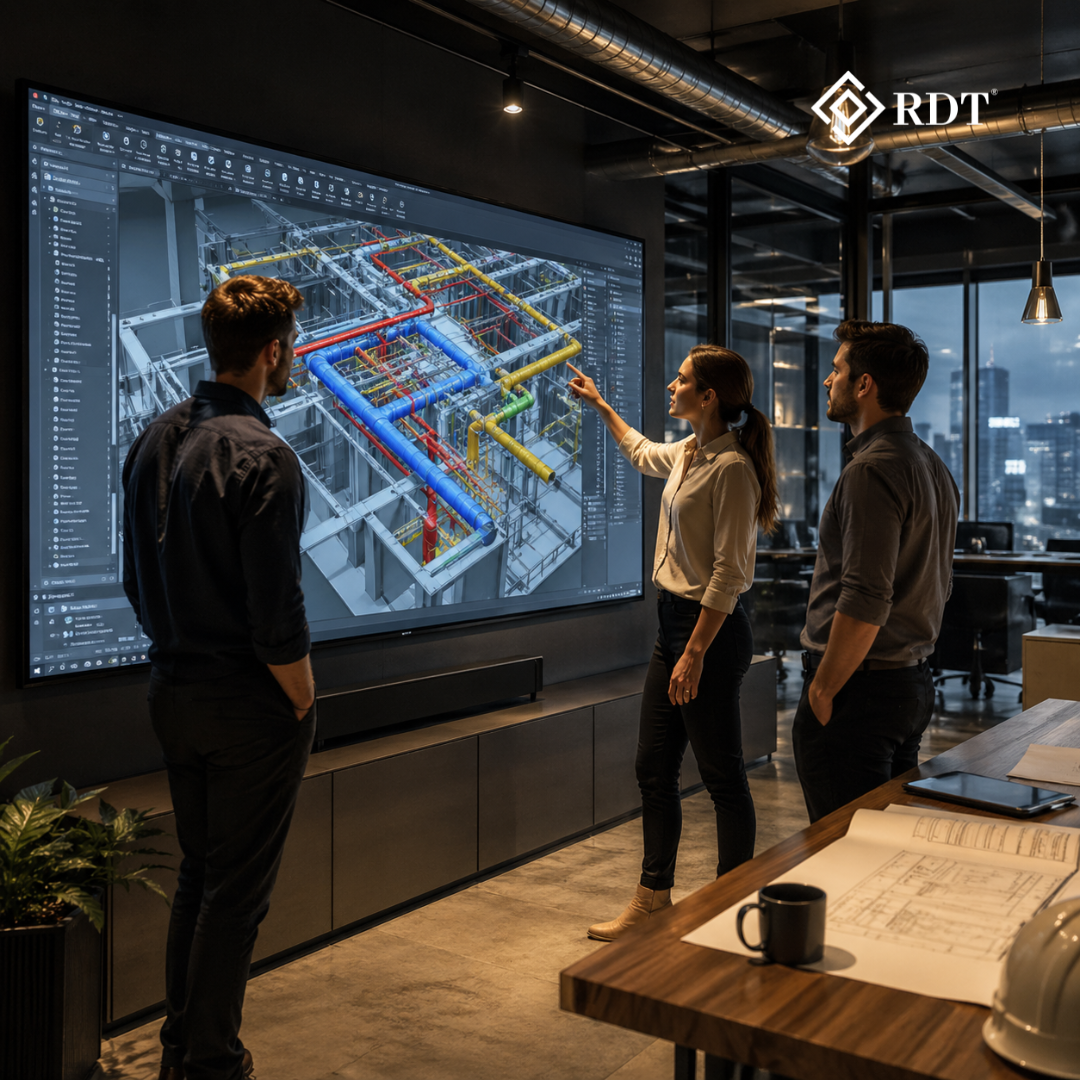
CD also helps identify coordination issues between building systems. For example, mechanical ducts and structural beams must occupy different spaces within the structure. Proper documentation ensures that these systems are carefully planned and positioned to avoid conflicts on site.
Supporting Effective Project Communication
Construction projects involve collaboration between many professionals, including architects, engineers, contractors, and clients. Effective communication is essential for keeping the project aligned with its goals.
Construction documentation acts as a shared reference point for all stakeholders. It provides a standardized set of instructions that everyone involved can review and understand.
This consistency improves communication between teams and reduces the risk of misunderstandings. When questions arise during construction, teams can refer to the documentation for clarification.
Documentation also supports communication with project owners and clients. Detailed drawings and specifications help clients understand how their building will be constructed and what materials will be used.
By providing transparency, construction documentation builds trust between project teams and stakeholders.
Enhancing Project Efficiency and Scheduling
Construction projects often operate within tight schedules and strict budgets. Delays can have significant financial consequences for developers and contractors.
Accurate construction documentation contributes to better project planning and scheduling. Contractors rely on detailed drawings to estimate material quantities, plan labor requirements, and organize construction sequences.
When documentation is clear and complete, teams can prepare more accurate construction schedules. This preparation helps prevent unexpected disruptions during the building process.
For example, contractors can determine the order in which different building components must be installed. Structural elements may need to be completed before mechanical systems are added. Proper documentation allows project managers to coordinate these tasks effectively.
As a result, construction teams can work more efficiently while minimizing costly interruptions.
Ensuring Compliance With Regulations and Standards
Construction projects must comply with local building regulations, safety codes, and industry standards. These regulations exist to ensure that buildings remain safe, functional, and environmentally responsible.
Construction documentation plays a critical role in demonstrating compliance with these requirements. Detailed drawings and specifications show how the project meets structural, safety, and accessibility guidelines.
Regulatory authorities often review construction documentation before granting building permits. If the documents lack clarity or fail to meet regulatory standards, approvals may be delayed.
Well prepared documentation helps streamline the approval process by providing clear evidence that the design follows all relevant regulations.
During construction, inspectors also refer to these documents to verify that the building is being constructed according to approved plans.
Supporting Cost Control and Budget Management
Cost management is one of the most challenging aspects of construction projects. Unexpected changes during construction can quickly increase project expenses.
Construction documentation helps control costs by providing clear instructions before construction begins. When contractors understand the exact scope of work, they can estimate material quantities and labor requirements more accurately.
Detailed documentation also reduces the likelihood of design changes during construction. When design decisions are fully documented, contractors can proceed with confidence, reducing the need for costly revisions.
Accurate documentation supports procurement as well. Contractors can order materials based on precise specifications rather than rough estimates. This accuracy helps prevent material shortages or unnecessary surplus.
Ultimately, construction documentation contributes to better financial planning and budget stability throughout the project lifecycle.
Improving Quality and Consistency
Quality control is essential in construction, especially for projects that require long term durability and performance.
CD defines the quality standards that contractors must follow during the building process. Specifications describe acceptable materials, installation techniques, and performance requirements.
This guidance helps ensure that construction teams maintain consistent quality across every part of the project.
For example, documentation may specify the type of concrete required for structural elements or the insulation standards needed for energy efficiency. These instructions help contractors select the correct materials and apply them according to established guidelines.
As a result, the completed building meets the intended performance and aesthetic expectations.
The Growing Importance of Digital Documentation
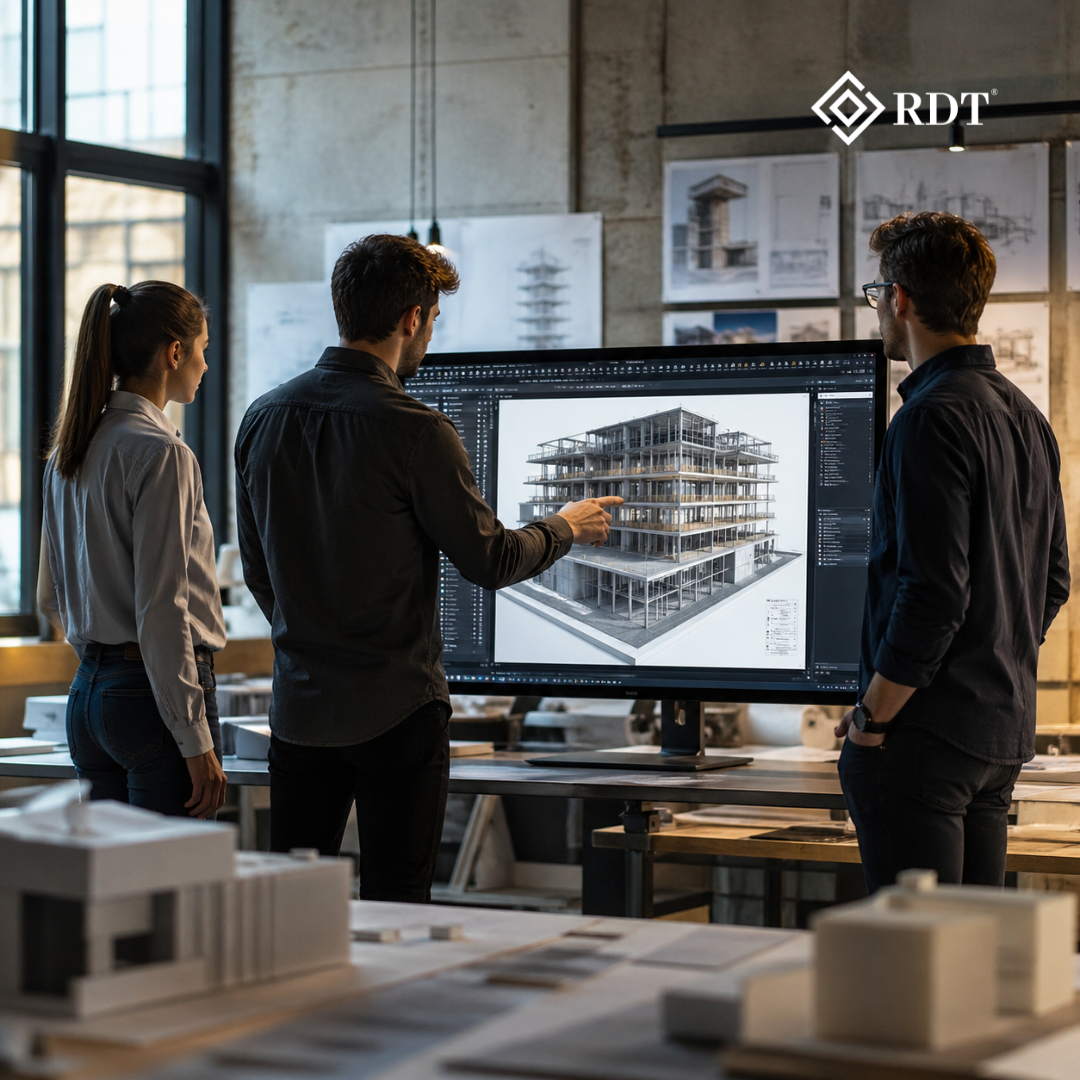
Advancements in digital technology have transformed how construction documentation is created and managed. Modern design tools now allow architects and engineers to produce highly detailed digital drawings that improve accuracy and collaboration.
Building Information Modeling has further enhanced the documentation process by integrating design data within a centralized digital model. This model allows project teams to visualize building components and detect coordination issues before construction begins.
Digital documentation also enables easier sharing and updates. Teams can access project files remotely, ensuring that everyone works with the latest version of the documents.
As construction projects continue to grow in complexity, digital documentation will play an increasingly important role in maintaining accuracy and efficiency.
Conclusion
Construction documentation may not always receive the recognition it deserves, but its impact on project success cannot be overstated. It serves as the technical blueprint that transforms architectural vision into a structured and achievable construction process.
By providing clear instructions, reducing errors, improving communication, and supporting regulatory compliance, construction documentation strengthens every stage of a building project.
In an industry where precision, coordination, and efficiency are essential, well prepared documentation remains the silent backbone that supports successful construction outcomes.
As projects become more complex and expectations continue to rise, the value of detailed and reliable construction documentation will only grow.
If you want your construction projects to move forward with accuracy, clarity, and confidence, professional documentation can make all the difference. RDT Technology delivers reliable and detailed construction documentation services that help architects, engineers, and contractors execute projects with greater precision and efficiency.
Connect with RDT Technology today to ensure your building projects are supported by high quality construction documentation that drives smoother workflows and successful project delivery.