The architecture and construction industry has always relied on visual communication to transform ideas into real world structures. For decades, architects used sketches, technical drawings, and physical models to present their concepts. While these methods were effective, they often required interpretation and imagination from clients who were not trained in reading architectural plans.
In 2026, the design and construction industry is experiencing a major shift. 3D rendering services have become the backbone of design visualization, enabling architects, developers, and designers to present projects with exceptional clarity and realism. With advanced rendering technologies, stakeholders can now see a project in its near final form long before construction begins.
This transformation has significantly improved communication, reduced design errors, and accelerated project approvals. As architecture continues to embrace digital innovation, 3D rendering services are no longer optional tools. They are essential components of modern design workflows.
The Evolution of Architectural Visualization
Architectural visualization has come a long way from hand drawn sketches and static blueprints. Traditionally, architects relied on two dimensional drawings to represent building layouts, elevations, and structural details. While these drawings were technically precise, they often lacked the visual depth needed for non technical stakeholders to fully understand a design.
The introduction of computer aided design began improving the accuracy of architectural documentation. However, even early digital drawings remained largely two dimensional. The true transformation arrived with the development of 3D rendering technology.
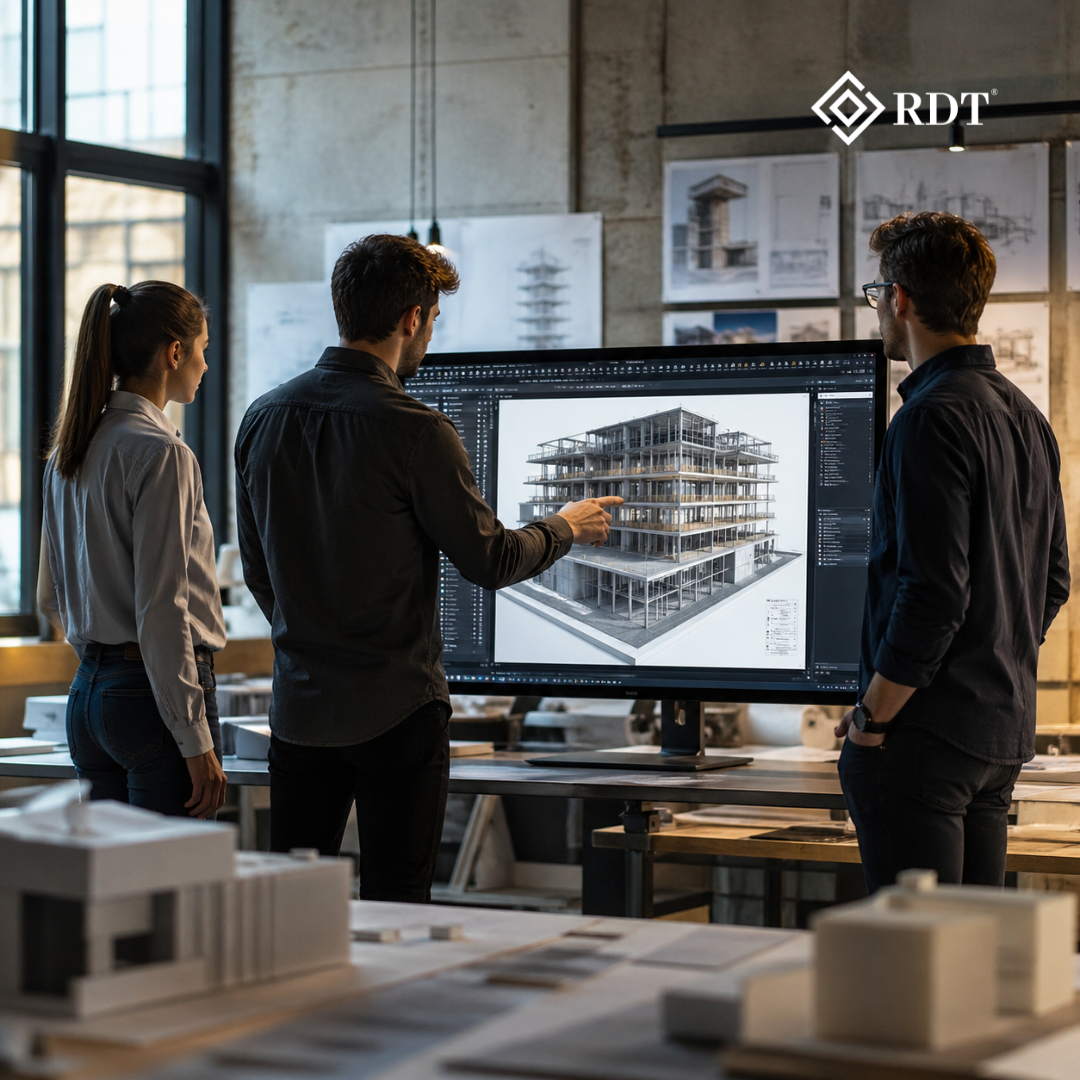
3D rendering allows architects to convert design models into highly realistic visual representations. These renderings simulate materials, lighting, shadows, landscaping, and environmental conditions to create images that resemble real photographs. This level of realism enables clients and investors to understand the full potential of a project before a single brick is laid.
The ability to visualize buildings in three dimensions has dramatically improved the design process and has become one of the most powerful communication tools in architecture today.
Why 3D Rendering Services Are Essential in Modern Architecture
In the modern construction environment, projects involve multiple stakeholders including architects, engineers, developers, investors, and marketing teams. Each participant requires clear visual information to make decisions confidently.
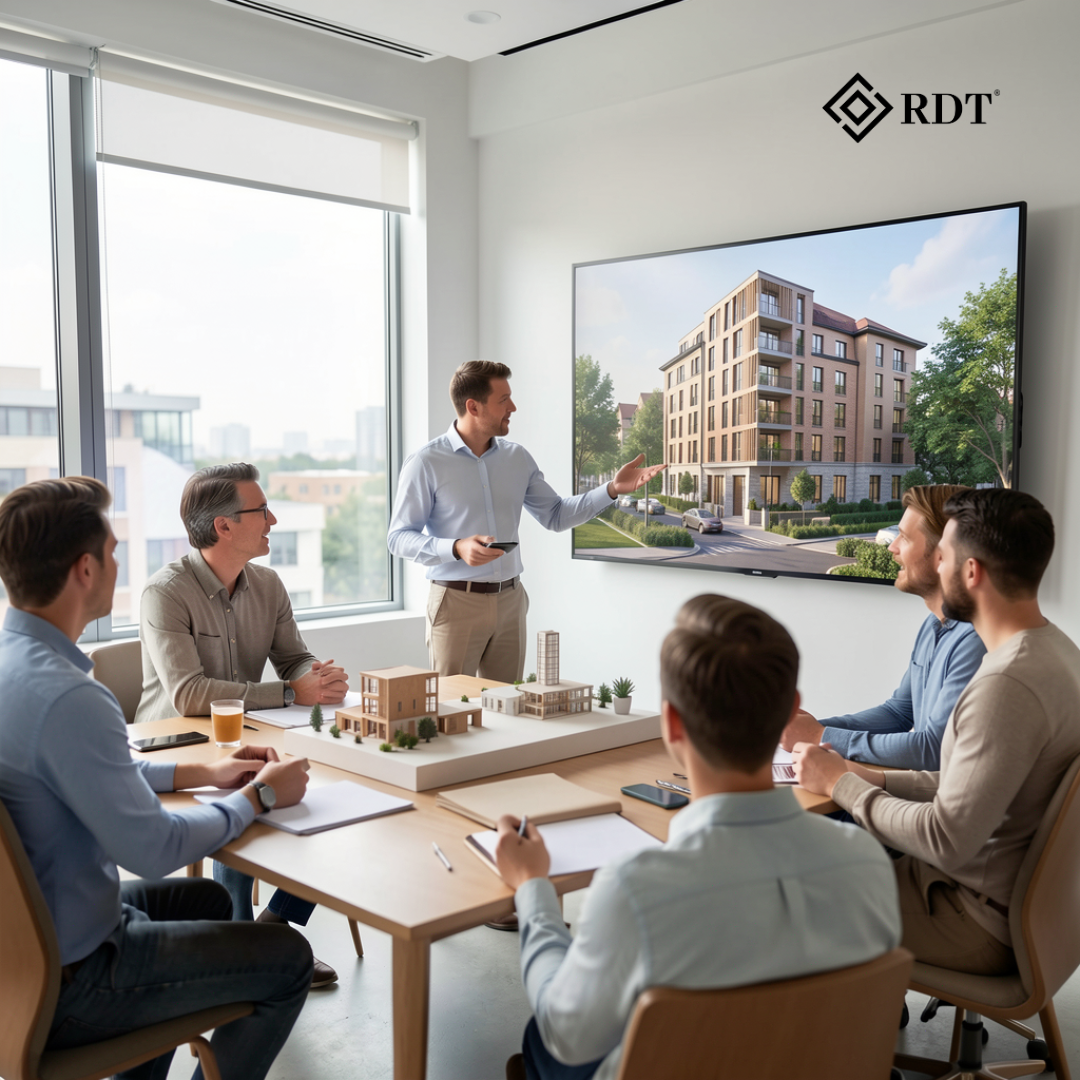
3D rendering services help bridge the communication gap between technical design teams and non technical clients. By presenting a detailed visual representation of a project, architects can ensure that everyone involved understands the design intent.
Photorealistic renderings also provide a clear preview of the final outcome. Clients can see how materials, colors, lighting, and spatial arrangements will appear in reality. This clarity significantly reduces misunderstandings and helps prevent costly design revisions later in the project lifecycle.
Because of these advantages, architectural firms around the world are increasingly adopting professional rendering services as a core part of their workflow.
Faster Design Approvals Through Realistic Visualization
One of the biggest advantages of 3D rendering services is their ability to accelerate decision making. Traditional design presentations often required clients to interpret complex drawings and imagine how the finished building would look.
With high quality renderings, clients can immediately understand the project. Exterior perspectives, interior views, landscape designs, and lighting conditions can all be presented visually.
This clarity allows stakeholders to identify design changes early in the process. Instead of discovering issues during construction, adjustments can be made during the planning stage. Real time visualization technologies even allow designers to modify materials, layouts, or lighting conditions instantly during presentations.
The result is a faster approval process, fewer revisions, and more efficient project timelines.
Immersive Technologies Are Transforming Client Experiences
Another major factor driving the dominance of 3D rendering services in 2026 is the rise of immersive technologies such as Virtual Reality and Augmented Reality.
These technologies allow clients to explore architectural designs in fully interactive environments. Instead of viewing static images, clients can walk through digital spaces and experience the design as if they were physically present.
This immersive experience helps clients better understand spatial relationships, scale, and functionality. Developers are increasingly using virtual walkthroughs to present residential and commercial projects to investors and buyers.
The impact on real estate marketing is significant. Buyers can explore properties long before construction begins, creating stronger engagement and faster sales decisions.
As immersive visualization tools continue to evolve, 3D rendering services will remain at the center of architectural presentations.
Artificial Intelligence Is Enhancing Rendering Workflows
Artificial Intelligence is playing an increasingly important role in design visualization. AI powered tools are now assisting architects and visualization specialists in creating more realistic and efficient renderings.
These technologies can automate complex tasks such as lighting adjustments, material generation, and environmental modeling. AI also helps populate scenes with realistic elements such as furniture, vegetation, and human activity, allowing artists to focus more on creativity and storytelling.
In addition, AI driven rendering tools can generate multiple design variations quickly, allowing architects to explore different creative directions without extending project timelines.
The integration of AI into rendering workflows is making visualization faster, smarter, and more powerful than ever before.
Sustainable Architecture Visualization
Sustainability has become a central focus in architecture and urban development. Governments, developers, and communities are increasingly prioritizing environmentally responsible buildings.
3D rendering services play a critical role in visualizing sustainable design strategies. Architects can demonstrate energy efficient features such as solar panels, green roofs, natural ventilation systems, and daylight optimization directly within their renderings.
Visualization tools also allow designers to simulate environmental conditions such as sunlight exposure and thermal performance. These insights help architects refine building designs to improve energy efficiency and reduce environmental impact.
By presenting sustainable features visually, architects can communicate the environmental value of their designs more effectively to clients and stakeholders.
Marketing and Real Estate Advantages
Beyond design development, 3D rendering services have become powerful marketing tools for real estate developers and property investors.
Photorealistic visuals help developers showcase projects through websites, social media campaigns, brochures, and investor presentations. These visuals create excitement around new developments and allow potential buyers to imagine themselves living or working in the space.
High quality architectural renderings are particularly valuable during the pre construction phase when the physical building does not yet exist. Developers can promote properties, attract investors, and generate early sales using compelling visual presentations.
Because digital marketing relies heavily on visual content, the demand for high quality rendering services continues to grow across the real estate industry.
Improved Collaboration Across Project Teams
Large construction projects involve collaboration between multiple disciplines including architects, engineers, contractors, and project managers.
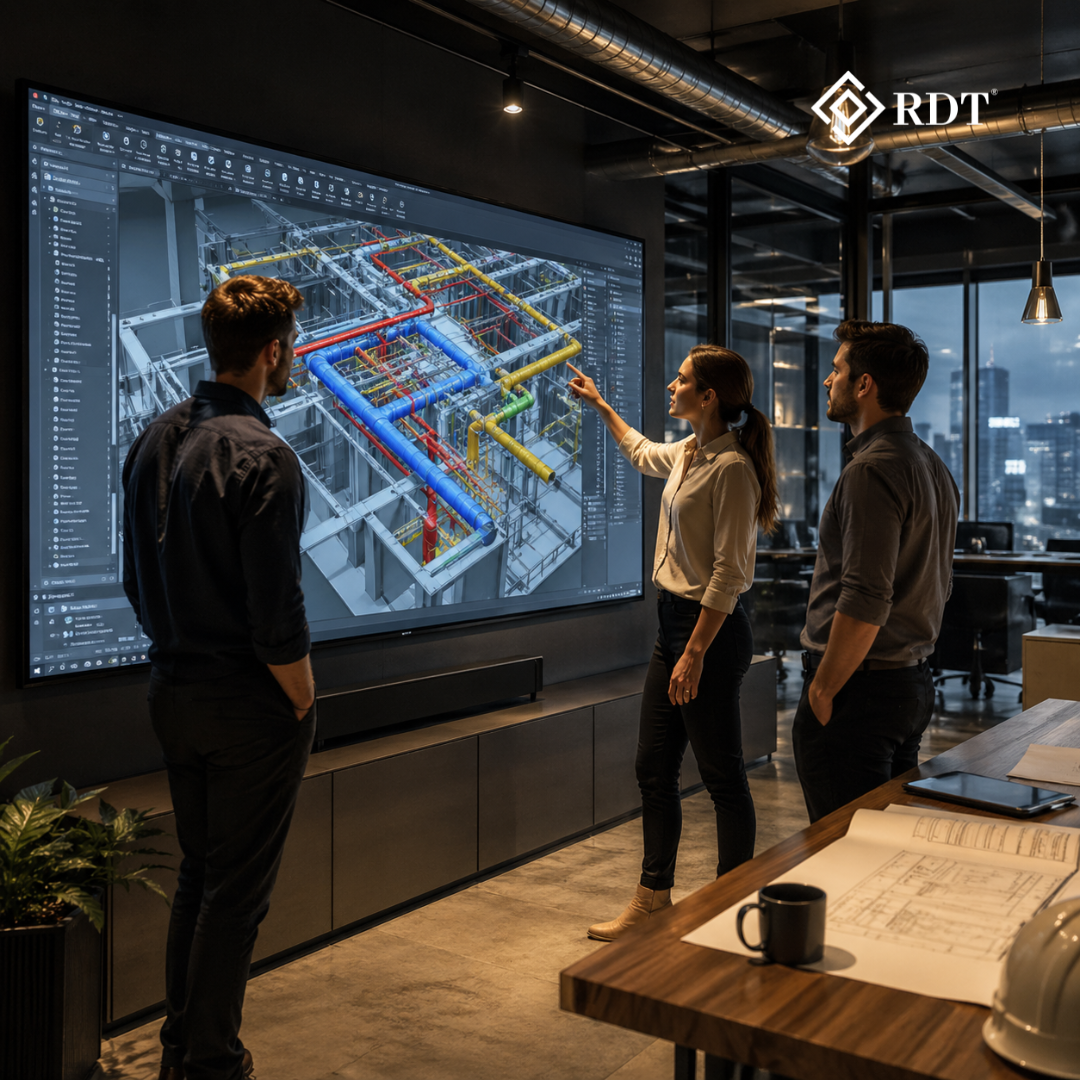
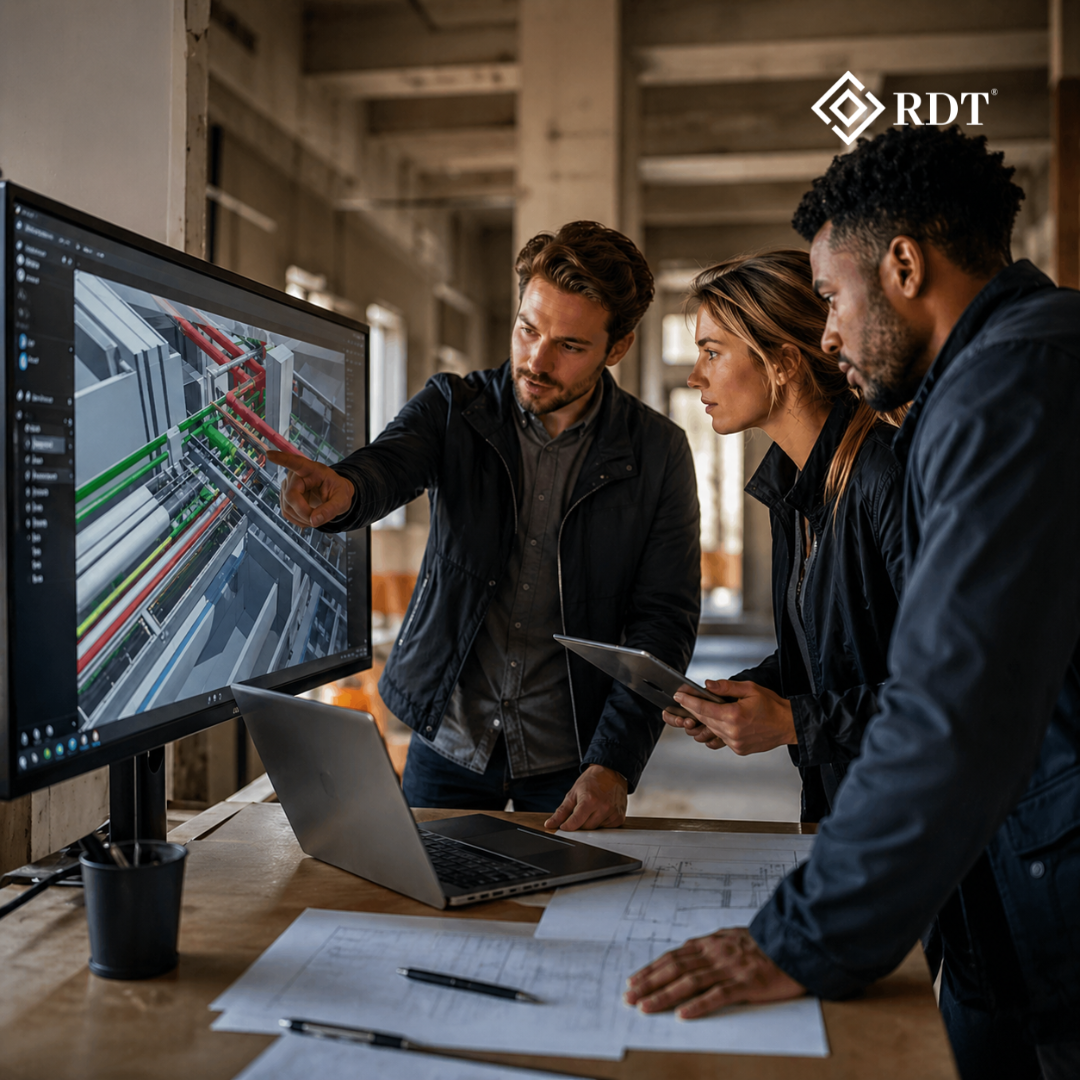
3D rendering services improve coordination between these teams by providing a shared visual reference. When everyone involved in the project can see the same detailed model, communication becomes more efficient and misunderstandings are reduced.
Cloud based visualization platforms now allow teams to share renderings and design updates in real time, enabling faster collaboration regardless of geographical location.
This collaborative approach improves project efficiency and ensures that design intent is maintained throughout the construction process.
The Future of Design Visualization
Looking ahead, the future of architectural visualization will continue to evolve with advancements in technology. Real time rendering engines, artificial intelligence, immersive environments, and cloud based collaboration will further enhance how designs are presented and understood.
Architects will increasingly rely on interactive visualization tools that allow clients to explore multiple design options dynamically. Instead of static presentations, design reviews will become interactive experiences where materials, layouts, and lighting conditions can be adjusted instantly.
As urban development becomes more complex and competitive, the ability to present ideas clearly and convincingly will be more important than ever.
3D rendering services will continue to play a central role in this transformation, helping architects turn ideas into compelling visual experiences that inspire confidence and accelerate project success.
Conclusion
Architecture is ultimately about transforming imagination into physical spaces that shape how people live, work, and interact with their environment. In 2026, the tools used to communicate architectural ideas have reached an unprecedented level of sophistication.
3D rendering services have revolutionized design visualization by providing realistic previews of buildings long before construction begins. From improving communication and accelerating approvals to supporting sustainable design and marketing strategies, rendering technology has become indispensable in the modern architecture industry.
As technology continues to advance, the influence of 3D visualization will only grow stronger. Firms that embrace these tools will be better positioned to deliver innovative designs, impress clients, and remain competitive in an increasingly digital construction landscape.
If you are looking to present your architectural concepts with stunning realism and clarity, professional 3D rendering services can make a significant difference. At RDT Technology, we specialize in delivering high quality architectural visualization solutions that help architects, developers, and construction professionals showcase their projects with confidence. Partner with RDT Technology to transform your ideas into powerful visual experiences that accelerate approvals, attract investors, and bring your designs to life.