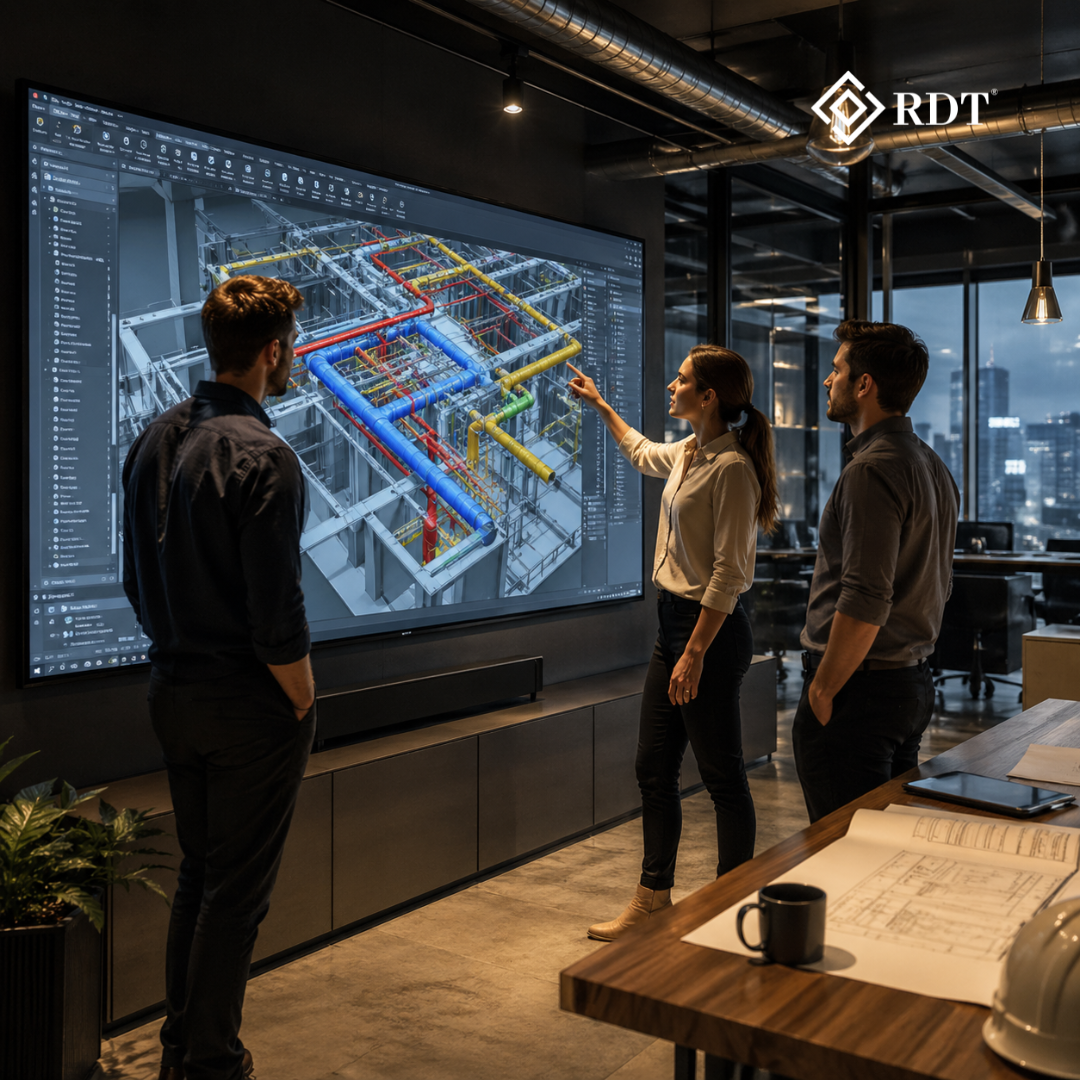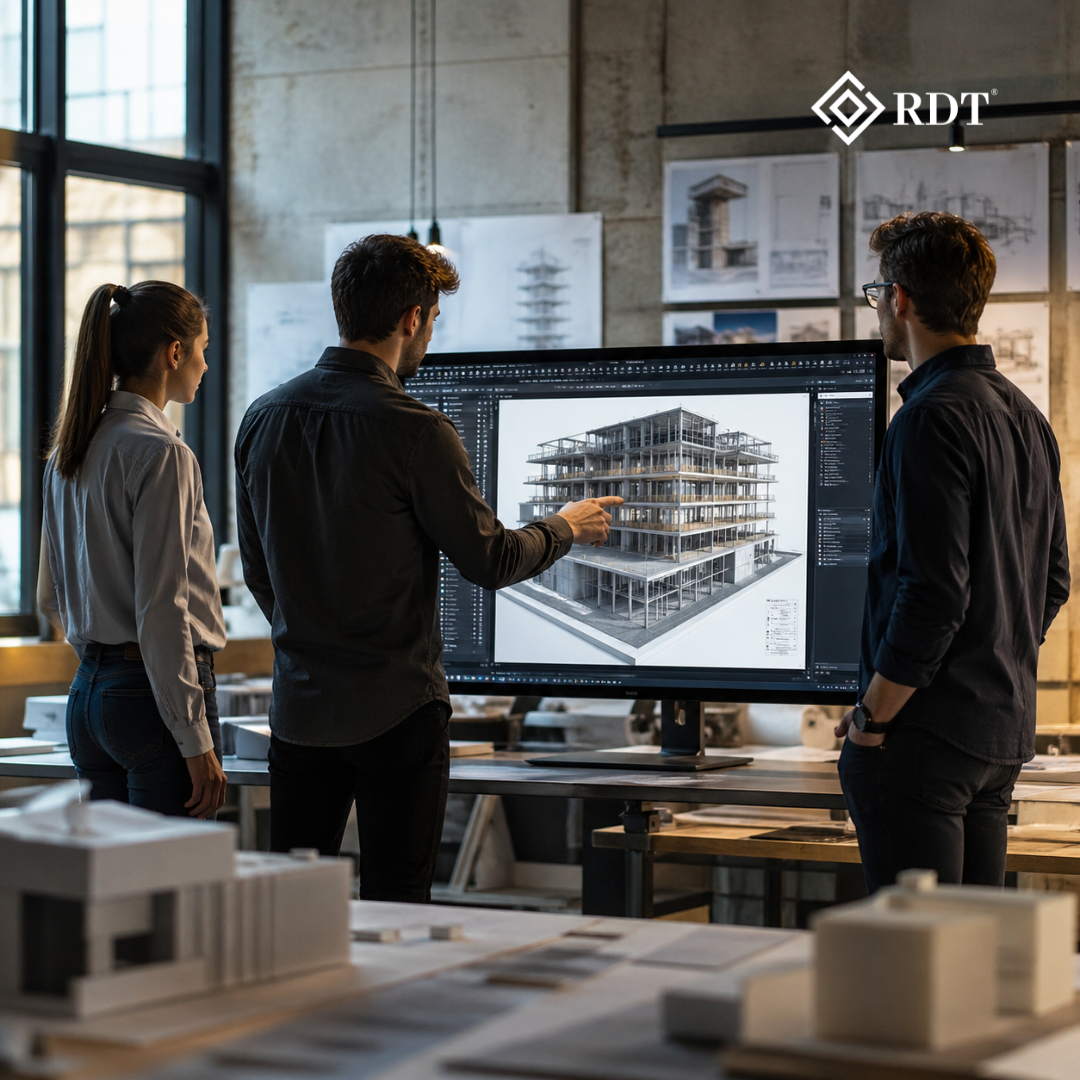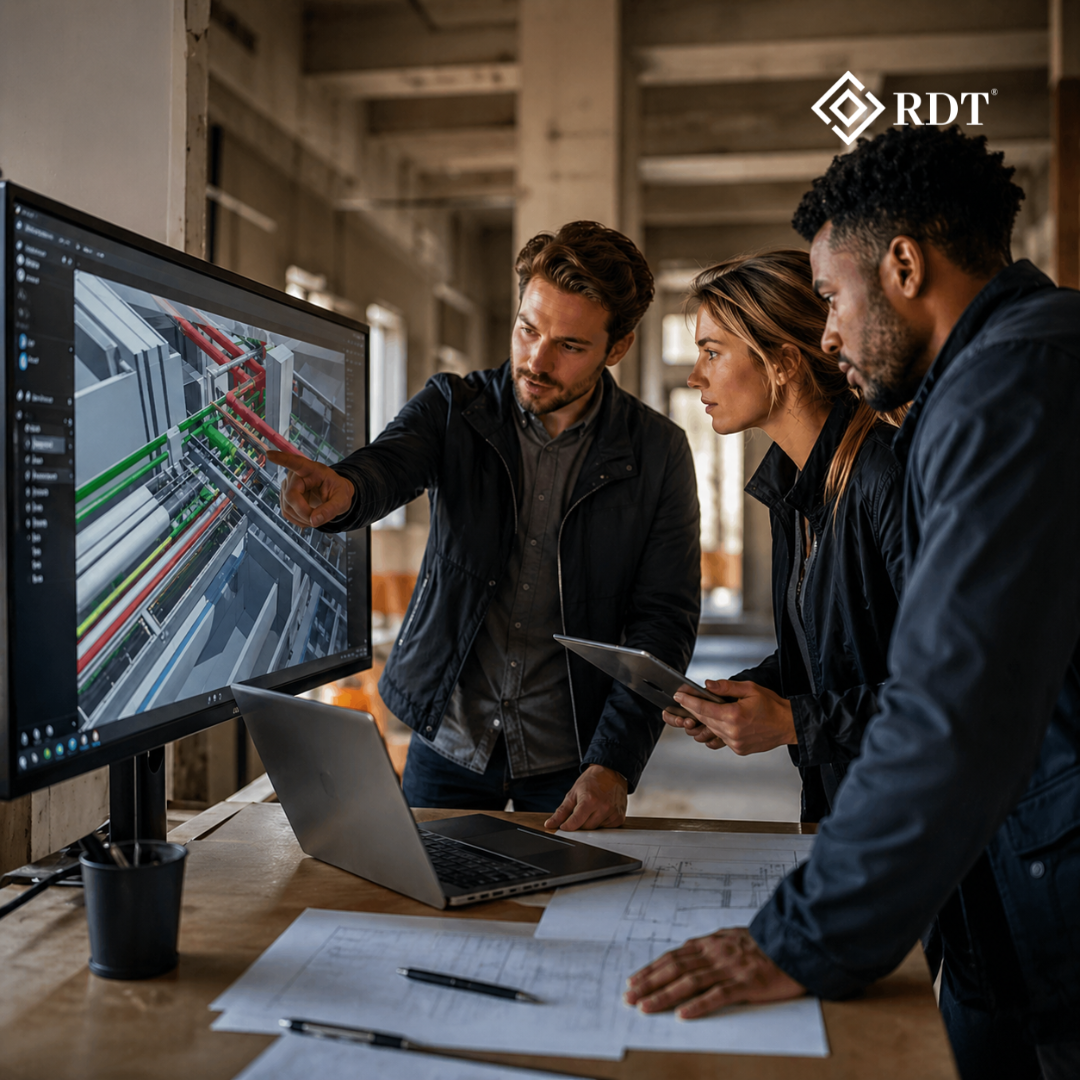
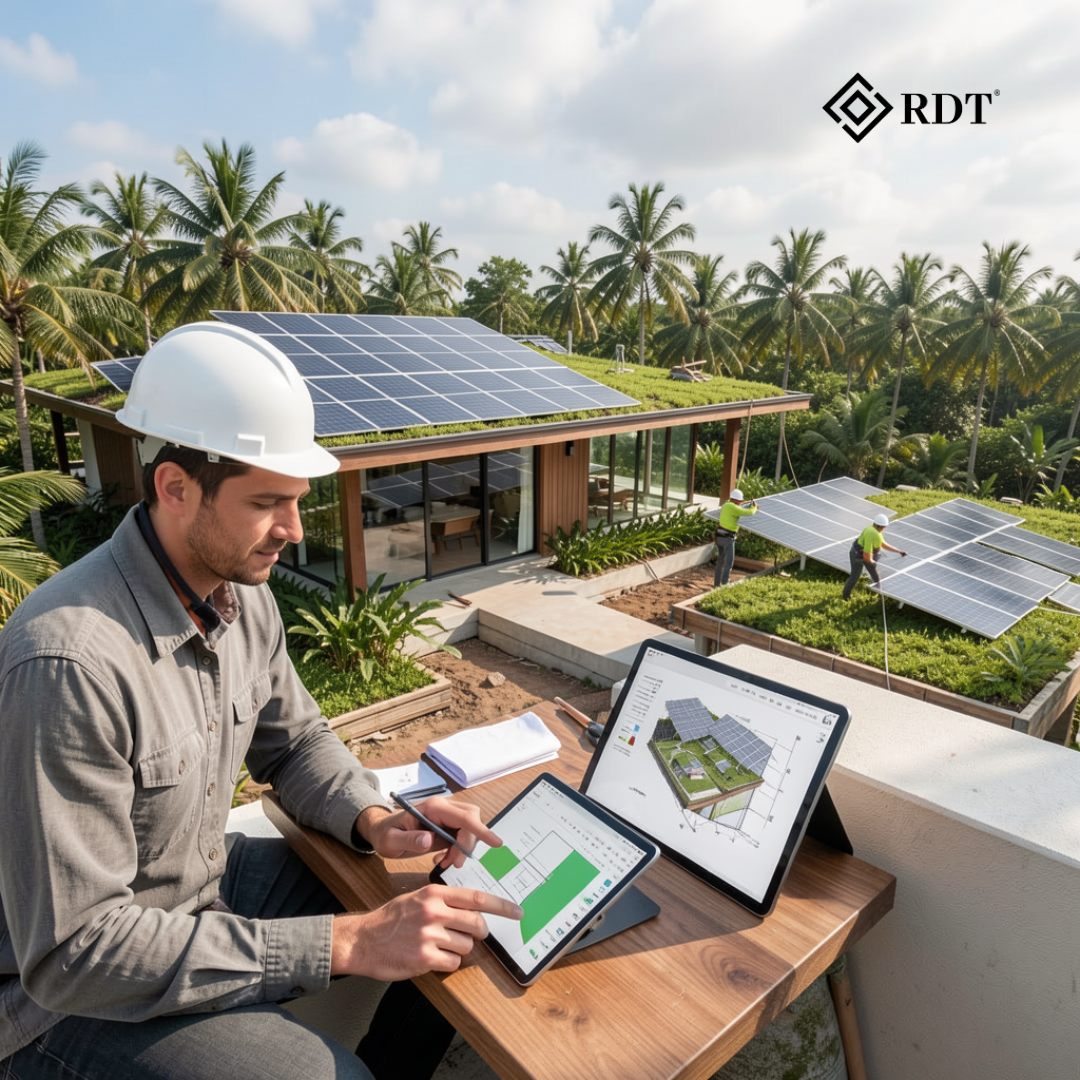
The global construction industry is experiencing a transformation driven by sustainability, technology, and smarter project management practices. As cities continue to expand and environmental concerns become more urgent, architects, engineers, and developers are searching for solutions that reduce waste, conserve energy, and improve long term building performance. Sustainable architecture has become a key priority for modern projects, and Building Information Modeling has emerged as one of the most powerful tools supporting this goal.
Building Information Modeling, commonly known as BIM, allows professionals to design, analyze, and manage buildings through intelligent digital models. These models contain detailed information about every component of a structure, from structural systems to mechanical and electrical networks. Instead of relying only on traditional drawings, project teams can collaborate through a shared digital environment that improves decision making throughout the lifecycle of a building.
In 2026, BIM has become an essential part of sustainable architecture. It provides the data, coordination, and analytical capabilities needed to design buildings that are efficient, environmentally responsible, and cost effective over time.
The Growing Importance of Sustainable Architecture
Sustainable architecture focuses on designing buildings that minimize environmental impact while improving energy efficiency and occupant wellbeing. This approach includes responsible material selection, energy efficient systems, reduced carbon emissions, and better lifecycle performance.
Modern buildings are expected to perform far beyond their basic structural functions. They must conserve energy, reduce operational costs, and provide healthier indoor environments. Governments and regulatory bodies across the world are also introducing stricter environmental standards and green building certifications.
Architects and developers therefore face increasing pressure to design projects that meet sustainability goals without compromising design quality or construction timelines. Achieving this balance requires advanced planning, accurate data, and strong collaboration between multiple disciplines. BIM makes this possible.
How BIM Supports Sustainable Design
One of the most important advantages of BIM is the ability to simulate and analyze building performance before construction begins. This allows architects and engineers to test different design options and choose the most sustainable solution.
Through BIM models, professionals can evaluate energy consumption, daylight performance, material quantities, and environmental impact. Instead of making decisions based on assumptions, teams can rely on accurate digital data that reflects real world conditions.
For example, architects can analyze how building orientation affects natural lighting and heating. Mechanical engineers can optimize HVAC systems for energy efficiency. Structural engineers can evaluate material usage to reduce waste. All of these insights contribute to a more sustainable final design.
By addressing sustainability challenges early in the design process, BIM helps prevent costly changes later in the project lifecycle.
Improved Collaboration for Better Environmental Outcomes
Sustainable architecture requires close collaboration between multiple disciplines. Architects, structural engineers, mechanical engineers, electrical engineers, and contractors must work together to create integrated solutions that support energy efficiency and environmental responsibility.
Traditional design workflows often create communication gaps between teams. These gaps can lead to design conflicts, inefficient systems, and unnecessary material usage.
BIM creates a collaborative digital environment where all project stakeholders work on a shared model. Each discipline can contribute its expertise while maintaining visibility into the entire project. When a design change is made, the model automatically updates across related systems.
This level of coordination significantly reduces errors and ensures that sustainable design strategies are implemented consistently throughout the project.
Accurate Material Management and Waste Reduction
Construction waste is a major environmental challenge in the building industry. Poor planning, inaccurate quantity estimates, and design changes during construction often result in excess materials being discarded.
BIM helps reduce waste by providing precise material quantities through automated quantity takeoffs. Project teams can calculate exactly how much material is required before construction begins.
This accuracy supports responsible procurement practices and minimizes surplus materials on site. Contractors can also plan construction sequences more efficiently, which reduces resource consumption and project delays.
By improving material management, BIM directly contributes to more sustainable construction practices.
Energy Efficient Building Systems
Energy consumption is one of the largest contributors to the environmental impact of buildings. Heating, cooling, lighting, and ventilation systems must be carefully designed to minimize energy use while maintaining comfort for occupants.
BIM allows engineers to simulate energy performance and evaluate different system configurations. Designers can analyze how insulation, glazing, shading devices, and HVAC systems influence energy consumption.
Through these simulations, project teams can identify the most efficient solutions for each building. This leads to reduced operational energy use and lower carbon emissions throughout the life of the structure.
In 2026, energy modeling through BIM has become a standard practice for sustainable architecture projects.
Lifecycle Sustainability and Building Performance
Sustainability does not end when construction is completed. Buildings must continue to perform efficiently for decades after they are occupied. Maintenance, renovations, and operational management all influence the long term environmental impact of a structure.
BIM supports lifecycle sustainability by providing a comprehensive digital record of the building. Facility managers can access detailed information about systems, equipment, and materials directly from the model.
This information helps building operators maintain systems more efficiently and plan upgrades when necessary. Preventive maintenance becomes easier because teams can quickly locate components and understand their specifications.
By supporting better facility management, BIM extends the sustainability benefits of a project far beyond the design and construction phases.
Supporting Green Building Certifications
Many modern developments aim to achieve green building certifications that recognize environmental responsibility and energy efficiency. Certifications such as LEED and other regional sustainability standards require detailed documentation and performance analysis.
BIM simplifies the process of achieving these certifications. The digital model can generate accurate reports related to energy performance, material usage, and environmental impact.
Project teams can demonstrate compliance with sustainability criteria more effectively because the necessary data is already embedded within the model.
As green building certifications continue to gain importance in 2026, BIM plays a critical role in helping projects meet these standards.
Cost Efficiency and Long Term Value
Some developers initially assume that sustainable architecture increases project costs. In reality, sustainable buildings often deliver significant financial benefits when designed properly.
BIM helps identify cost efficient solutions by analyzing multiple design options before construction begins. Teams can compare materials, systems, and layouts to determine which combination delivers the best performance at the most reasonable cost.
In addition, improved coordination reduces the likelihood of costly design conflicts and construction delays.
Over time, energy efficient systems and optimized building performance lead to lower operational expenses. Building owners therefore benefit from both environmental and economic advantages.
The Future of Sustainable Architecture with BIM
As technology continues to advance, BIM will play an even greater role in shaping sustainable architecture. Integration with emerging technologies such as data analytics, digital twins, and advanced simulation tools will allow designers to understand building performance in even greater detail.
Urban development is also becoming more complex, with cities focusing on resilience, climate adaptation, and resource efficiency. BIM provides the digital foundation required to support these evolving priorities.
In 2026 and beyond, sustainable architecture will rely heavily on data driven design processes. BIM will remain at the center of this transformation because it connects design intelligence with real world performance.
Architects, engineers, and developers who adopt BIM effectively will be better equipped to create buildings that meet both environmental goals and client expectations.
Conclusion
Sustainable architecture is no longer an optional consideration in modern construction. It is a fundamental responsibility for professionals who design and build the environments where people live and work.
Building Information Modeling provides the tools needed to achieve this responsibility. From energy analysis and material management to collaboration and lifecycle planning, BIM enables project teams to design buildings that are efficient, environmentally responsible, and economically viable.
As the construction industry continues to evolve in 2026, BIM stands as one of the most important technologies supporting the transition toward a more sustainable future.
If you are planning a project that prioritizes sustainability, precision, and long term building performance, partnering with experienced BIM professionals can make a significant difference.
RDT Technology provides advanced BIM solutions that support efficient design, seamless coordination, and sustainable construction outcomes. Contact RDT Technology today to discover how expert BIM services can help transform your next project into a smarter and more sustainable development.