Architectural visualization has evolved far beyond static images and printed drawings. In the past, architects relied on sketches, physical models, and two dimensional renderings to communicate their ideas. While these methods served their purpose, they often left room for interpretation. Clients had to imagine how spaces would feel, how materials would look under natural light, and how circulation would function in real life.
Today, interactive and immersive rendering is transforming this experience. It allows architects, engineers, developers, and clients to explore projects in dynamic digital environments. Instead of observing a design from a fixed viewpoint, stakeholders can move through spaces, interact with elements, and experience architecture before construction begins. This shift is redefining how projects are presented, reviewed, and approved.
The Evolution of Architectural Visualization
Traditional visualization focused on creating realistic still images. These renderings were carefully composed to highlight the most attractive angles of a project. They were valuable marketing tools and helpful design references. However, they remained static representations of a dynamic environment.
As computing power increased and visualization software became more advanced, real time rendering engines emerged. These tools made it possible to navigate through three dimensional environments smoothly and interactively. Rather than waiting hours for a single high resolution image, designers could adjust materials, lighting, and perspectives instantly.
This evolution has changed expectations across the architecture and construction industry. Clients now expect more than photorealistic images. They want experiences that feel authentic and engaging.
From Passive Viewing to Active Exploration
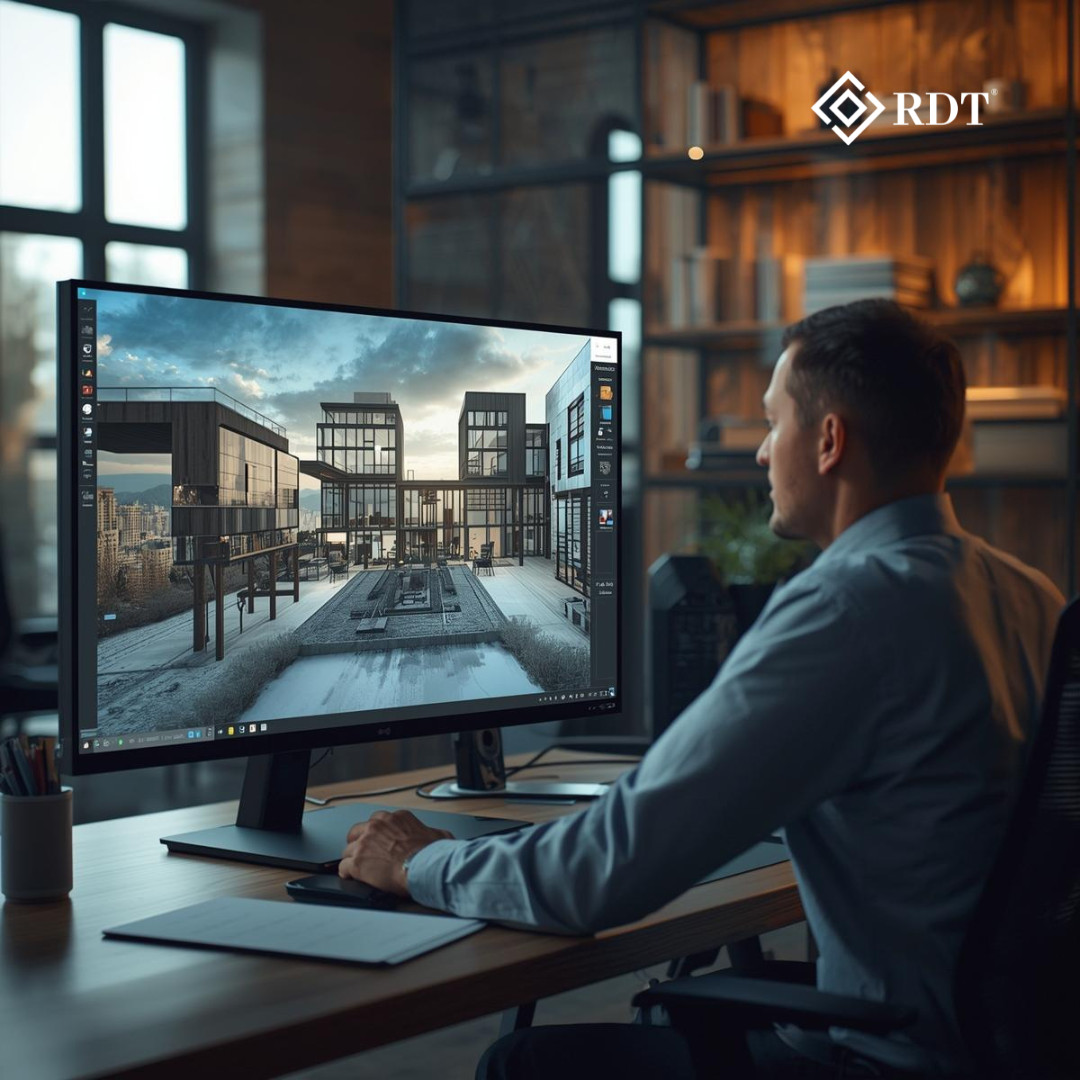
One of the most significant transformations brought by interactive rendering is the shift from passive viewing to active exploration. In a static rendering, the viewer sees what the designer chooses to show. In an interactive environment, the viewer controls the experience.
Clients can walk through a lobby, examine façade details up close, or observe how sunlight enters a room at different times of the day. This level of control builds a deeper understanding of scale, proportion, and atmosphere. It also encourages meaningful feedback.
When clients explore a space themselves, they are more likely to notice details that matter to them. This leads to more informed discussions and better alignment between design intent and client expectations.
Enhancing Realism Through Immersion
Immersive rendering takes interactivity even further by incorporating technologies such as virtual reality and augmented reality. With a headset, users can step inside a full scale digital model and experience the project as if it were already built.
This immersive experience enhances spatial perception. Ceiling heights feel real. Distances between walls become intuitive. Furniture layouts can be assessed in a natural way. Instead of interpreting measurements on a drawing, clients can physically sense the environment.
Augmented reality adds another layer by overlaying digital models onto real world surroundings. Developers can visualize how a new building integrates into an existing neighborhood. Interior designers can test layout options within an actual room. This blend of physical and digital context improves design accuracy and decision making.
Improving Design Communication
Clear communication is essential in architectural projects. Misunderstandings can lead to costly revisions and delays. Interactive and immersive rendering reduces ambiguity by presenting designs in a format that is easy to comprehend.
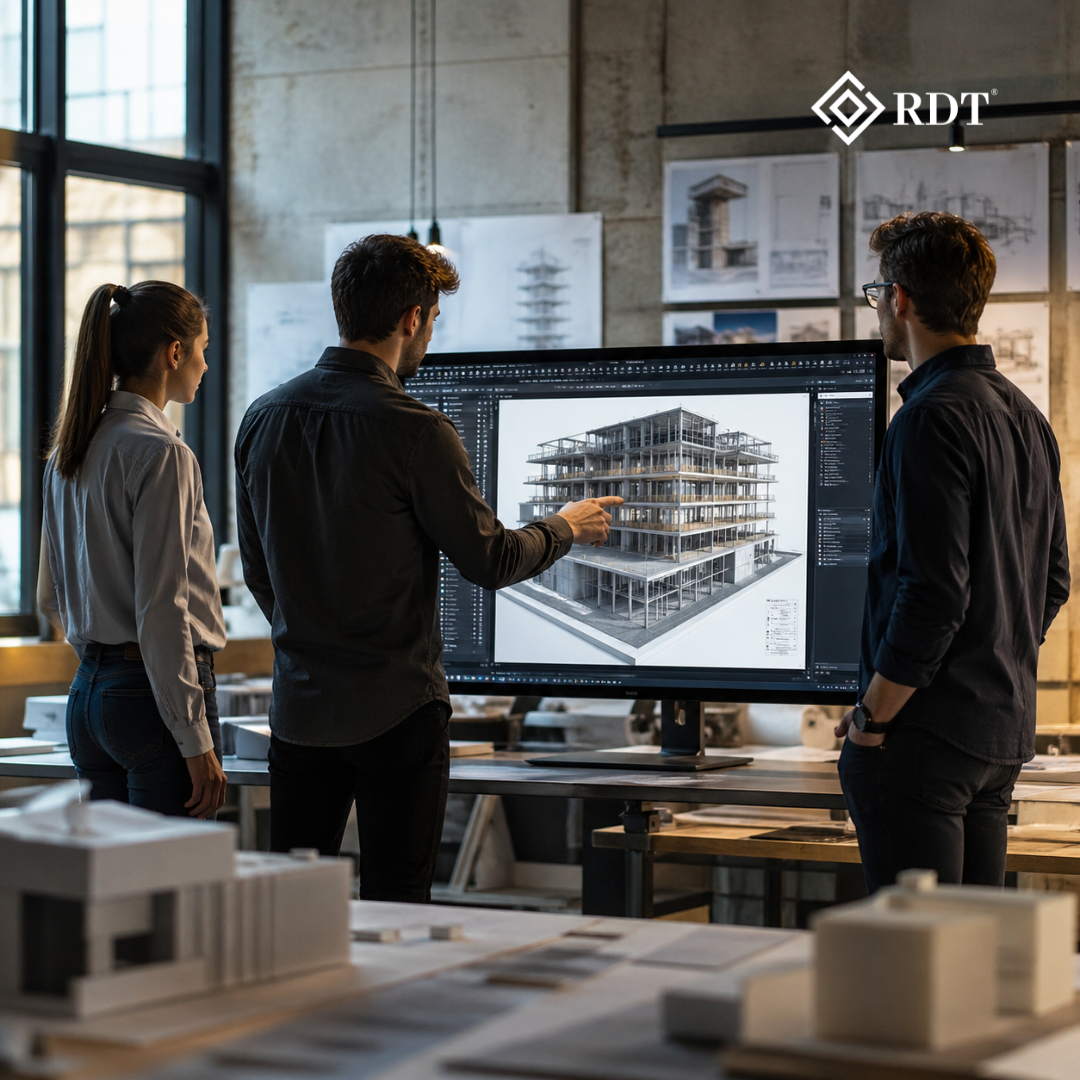
Complex geometries, layered materials, and intricate lighting strategies become easier to explain when stakeholders can see them in context. Instead of relying solely on technical terminology, architects can demonstrate their ideas visually.
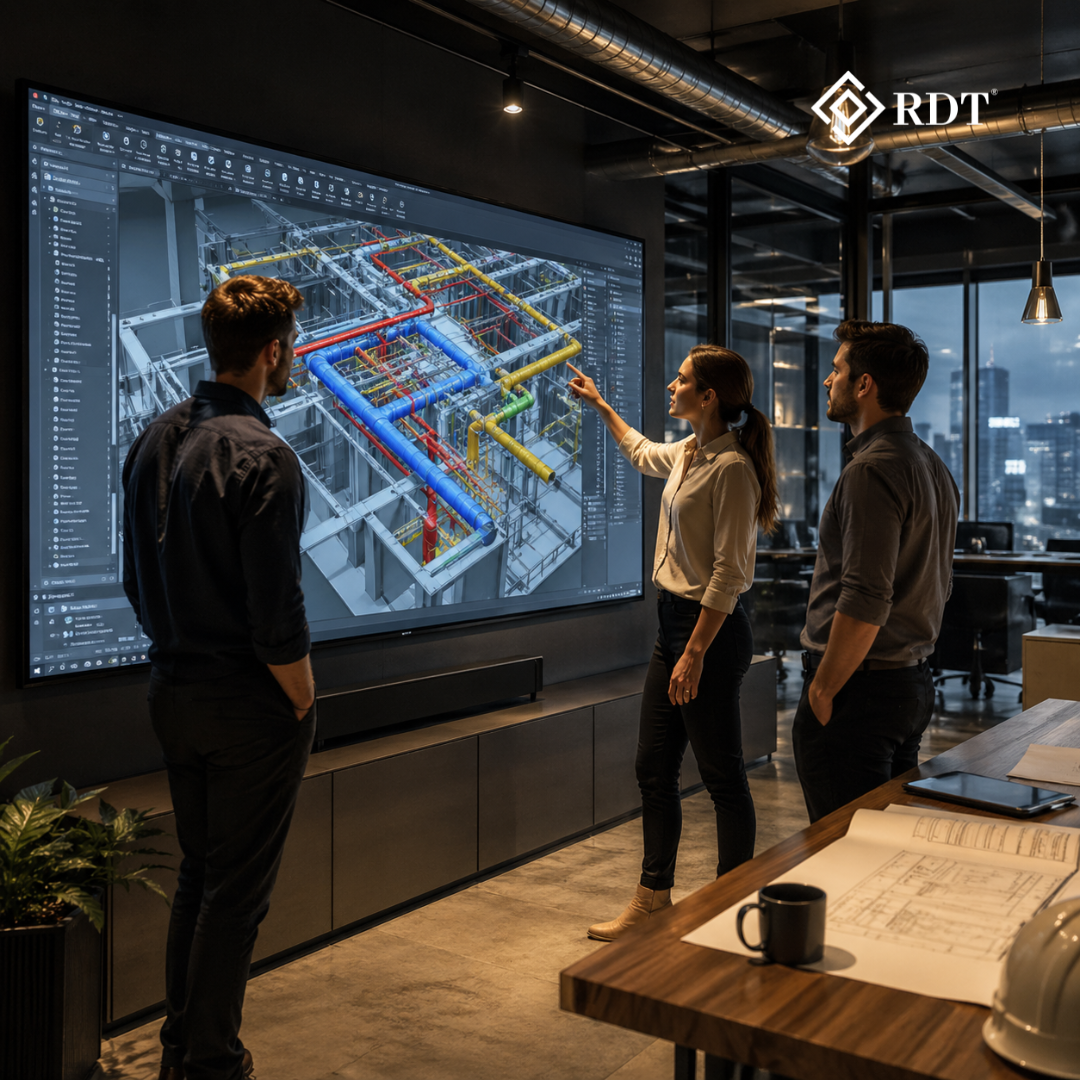
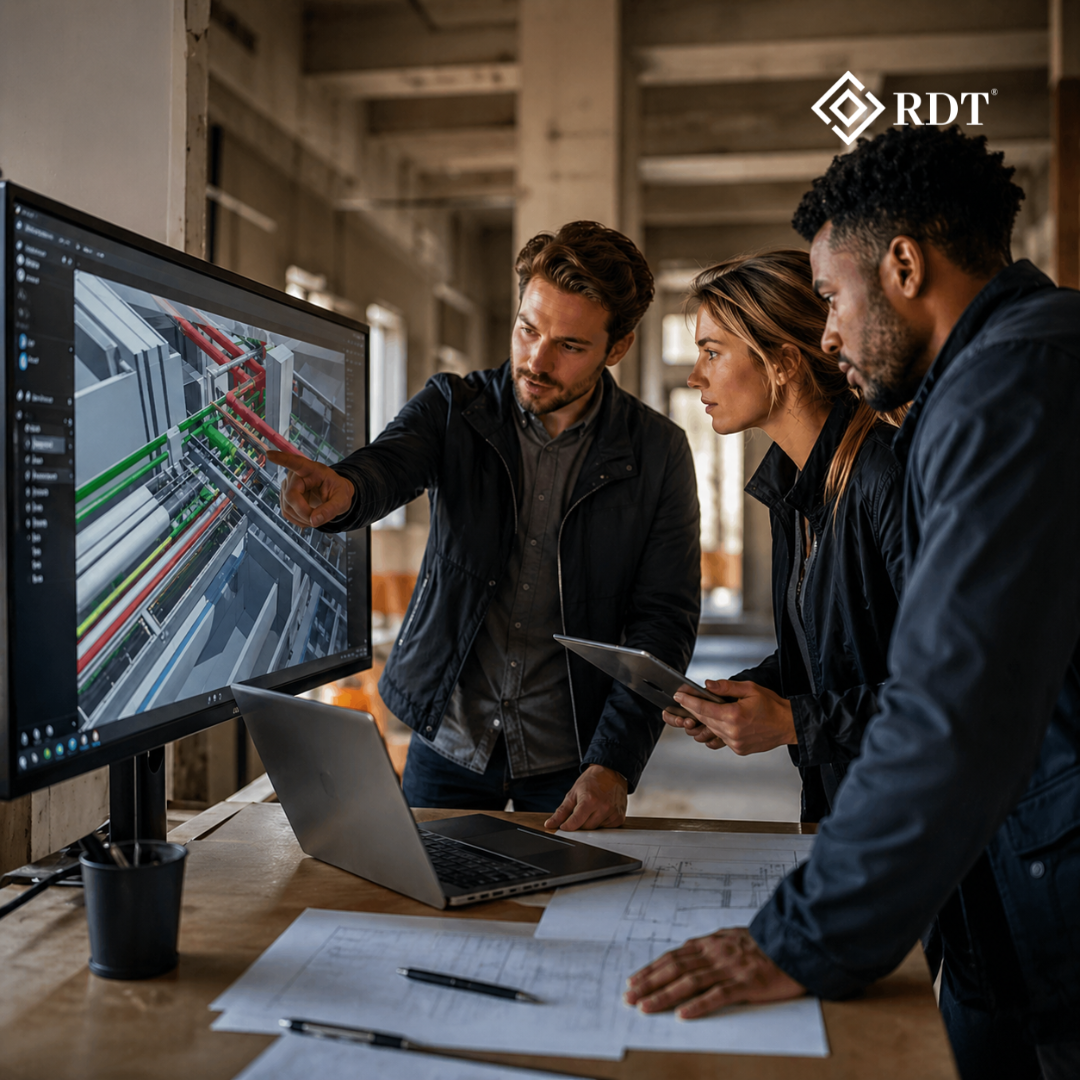
For multidisciplinary teams, this clarity is invaluable. Engineers, consultants, and contractors can review models collaboratively. Potential conflicts can be identified earlier. Design adjustments can be evaluated in real time.
Accelerating the Approval Process
Project approvals often depend on the ability of decision makers to fully understand a proposal. When visualization is limited to static drawings, the approval process can be slow and uncertain.
Interactive rendering shortens this timeline. Clients and authorities can explore the project thoroughly and ask questions based on direct observation. Adjustments can be implemented quickly within the digital model and reviewed immediately.
This agility fosters confidence. When stakeholders see how changes impact the overall design instantly, they feel more comfortable moving forward. As a result, projects progress more smoothly from concept to construction.
Supporting Better Material and Lighting Decisions
Material selection and lighting design play a crucial role in architectural quality. Subtle variations in texture, color, and reflectivity can significantly influence the atmosphere of a space.
Interactive rendering allows designers to experiment with materials and lighting scenarios in real time. For example, a façade finish can be swapped instantly to compare visual impact. Interior lighting intensity can be adjusted to evaluate mood and functionality.
Daylight simulations further enhance understanding by showing how natural light interacts with surfaces throughout the day. This insight leads to better informed decisions that improve both aesthetics and performance.
Transforming Marketing and Client Engagement
Developers and real estate professionals are increasingly using immersive visualization as a marketing tool. Prospective buyers and investors can tour properties virtually, even before construction begins.
Interactive walkthroughs create emotional connections. Instead of viewing floor plans, clients can experience living spaces firsthand. They can explore amenities, examine views from balconies, and understand spatial flow.
This level of engagement builds excitement and trust. It also expands market reach, allowing international clients to experience projects remotely.
Enhancing Collaboration Through Cloud Platforms
Modern rendering solutions often integrate with cloud based collaboration platforms. This connectivity enables teams to share interactive models online, making them accessible from anywhere.
Stakeholders can log in, explore the project, and leave comments directly within the digital environment. Designers can respond to feedback quickly and update models accordingly.
This streamlined communication reduces the need for lengthy email exchanges and physical meetings. It ensures that everyone works from the most current version of the design.
Reducing Risk and Increasing Accuracy
Construction projects involve significant financial investment. Errors in interpretation or misaligned expectations can lead to disputes and additional costs.
By providing a clear and immersive representation of the final outcome, interactive rendering minimizes uncertainty. Clients gain confidence that the built project will match their vision. Contractors gain clarity about design intent.
When expectations are aligned from the beginning, the likelihood of major revisions during construction decreases. This risk reduction contributes to more predictable project outcomes.
Encouraging Innovation in Design
Immersive technologies open new possibilities for creative exploration. Architects can test unconventional forms and complex spatial arrangements without the constraints of traditional presentation methods.
In a virtual environment, designers can experiment freely, evaluating how bold ideas perform visually and spatially. This encourages innovation while maintaining practical oversight.
As immersive rendering tools continue to evolve, they will likely integrate more advanced simulations related to acoustics, thermal comfort, and environmental performance. These capabilities will further enhance the design process.
The Future of Architectural Visualization
Interactive and immersive rendering is not a temporary trend. It represents a fundamental shift in how architecture is conceived and communicated. As hardware becomes more accessible and software more sophisticated, these technologies will become standard practice.
Clients will expect immersive experiences as part of every major project. Design teams will rely on real time visualization to coordinate complex systems. Marketing strategies will increasingly revolve around virtual engagement.
The architectural industry is moving toward a future where digital experiences are as important as physical construction. Firms that embrace this transformation will be better positioned to deliver clarity, innovation, and value.
Conclusion
Modern architectural visualization has entered a new era. Interactive and immersive rendering has transformed static representations into dynamic experiences. It empowers clients to explore spaces, enhances collaboration among teams, accelerates approvals, and reduces risk.
By turning concepts into engaging digital environments, architects can communicate their vision with unprecedented clarity. This technology bridges the gap between imagination and reality, ensuring that every stakeholder understands the project before it is built.
If you are ready to elevate your architectural visualization with cutting edge interactive and immersive rendering solutions, partner with RDT Technology. Our expertise in advanced visualization and BIM services ensures precise communication, enhanced collaboration, and impactful project presentations. Contact RDT Technology today to transform your design vision into an immersive experience.