The Architecture, Engineering, and Construction industry has always relied on coordination. For decades, project teams depended on drawings, spreadsheets, phone calls, and countless meetings to bring ideas to life. While this approach built cities and infrastructure around the world, it also created frequent misunderstandings, design conflicts, cost overruns, and project delays. As projects have become more complex and timelines more demanding, traditional coordination methods have struggled to keep pace.
Building Information Modeling (BIM) has emerged as a transformative solution. It is not just a software upgrade or a visual enhancement. It is a fundamental shift in how projects are designed, documented, and delivered. Across the AEC sector, companies are replacing fragmented coordination systems with collaborative digital workflows powered by Building Information Modeling. This shift is not a trend. It is a response to the growing need for precision, efficiency, and accountability.
Understanding Traditional Project Coordination
Traditional project coordination in the AEC industry typically revolves around two dimensional drawings and isolated documentation. Architects, structural engineers, and MEP consultants produce separate drawing sets. These sets are then exchanged and reviewed for potential clashes. When issues are identified, revisions are made and redistributed.
This linear process creates several challenges. First, there is limited visibility between disciplines during the design phase. Second, any design change often requires multiple updates across various documents. Third, coordination meetings become lengthy because stakeholders are reviewing static drawings rather than interacting with a shared model.
Manual coordination increases the risk of errors. A missed update in one drawing can lead to significant construction conflicts on site. When these conflicts surface during construction, they cause delays and increase costs. In large scale projects, even small coordination gaps can translate into major financial consequences.
The Rise of Building Information Modeling
Building Information Modeling introduces a digital environment where all project stakeholders can collaborate on a shared, data rich model. Instead of working in isolated files, architects, engineers, contractors, and project managers contribute to a unified representation of the building.
A Building Information Model is more than a three dimensional visual. It contains detailed information about materials, dimensions, performance criteria, schedules, and costs. Every component within the model is intelligent and interconnected. If one element changes, related elements update accordingly.
This level of integration transforms coordination. Conflicts can be identified automatically through clash detection tools. Design revisions are visible in real time. Teams can simulate construction sequences and analyze performance before ground is broken. The model becomes the single source of truth throughout the project lifecycle.
Improved Accuracy and Reduced Errors
One of the primary reasons Building Information Modeling is overtaking traditional coordination is accuracy. Traditional methods rely heavily on human oversight. Even experienced professionals can overlook conflicts when reviewing complex drawing sets.
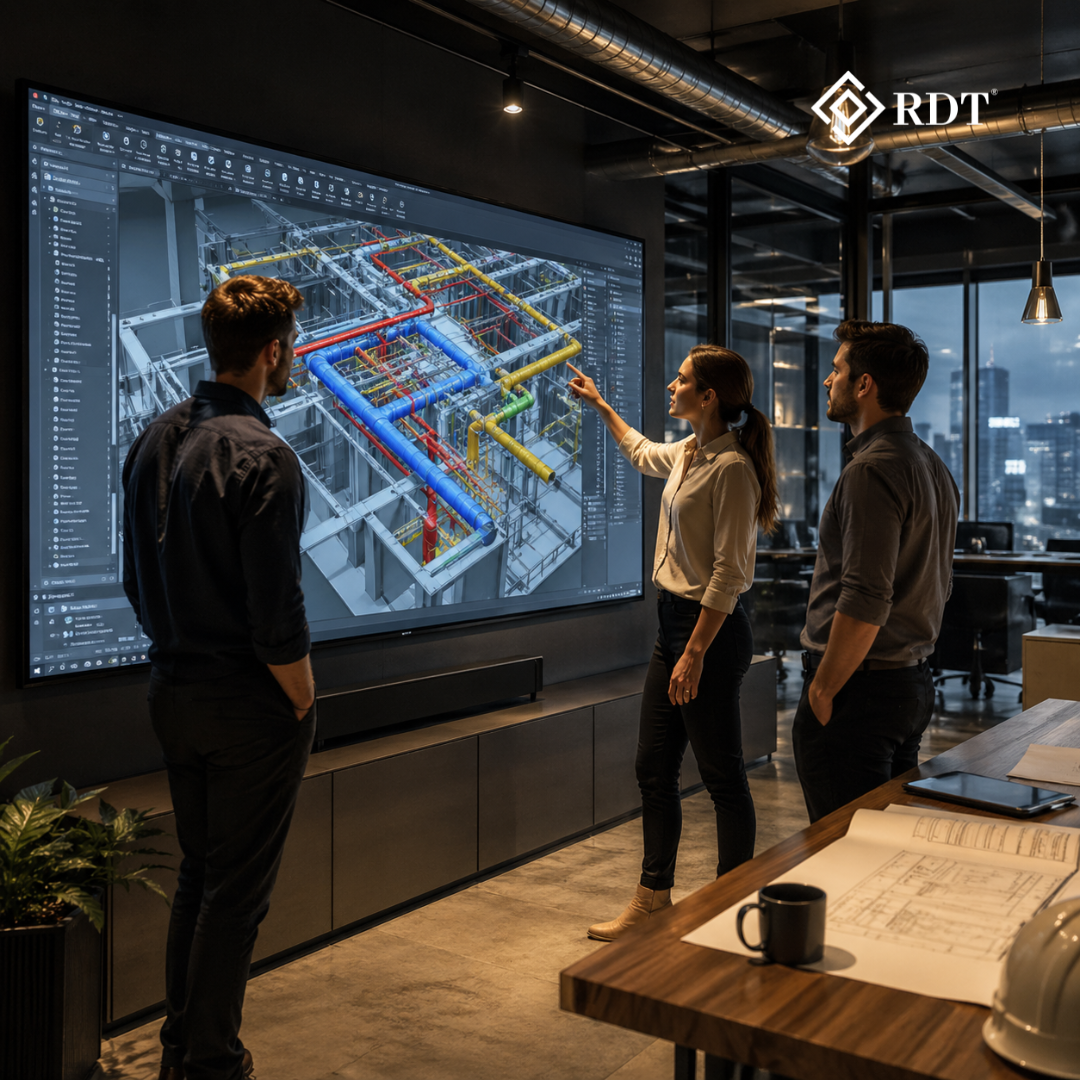
With Building Information Modeling, clash detection software highlights conflicts between structural, mechanical, electrical, and plumbing systems before construction begins. This proactive identification of issues significantly reduces rework on site. Contractors can address potential problems during the design stage, where adjustments are less expensive and easier to implement.
Accurate modeling also improves quantity takeoffs and cost estimation. Since every object in the model carries detailed information, project teams can generate reliable material quantities directly from the model. This minimizes estimation errors and enhances budget control.
Enhanced Collaboration Across Disciplines
Traditional coordination often operates in silos. Each discipline works independently and communicates primarily during scheduled coordination meetings. This approach limits continuous collaboration.
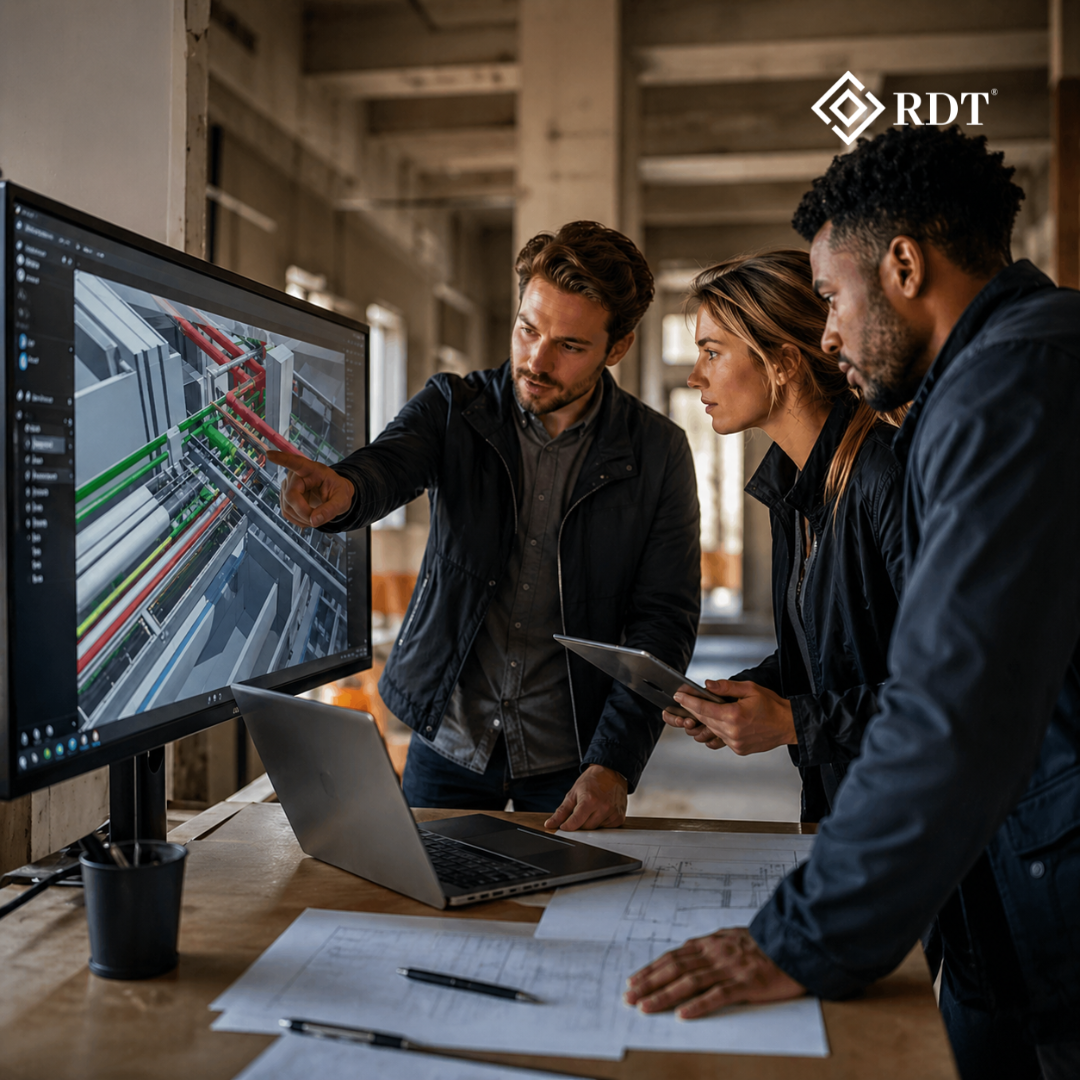
Building Information Modeling fosters real time collaboration. Cloud based platforms allow multiple stakeholders to access and update the model simultaneously. Changes are transparent, and version control reduces confusion. Team members can leave comments directly within the model environment, making communication more precise.
This collaborative framework strengthens accountability. When every discipline can see how their design interacts with others, responsibility becomes shared. The result is a more cohesive team dynamic and a smoother design development process.
Greater Efficiency and Time Savings
Time is a critical factor in construction projects. Delays not only increase costs but also impact client satisfaction and business reputation. Traditional coordination processes are time intensive because they depend on repeated drawing reviews and manual updates.
Building Information Modeling accelerates workflows. Automated updates eliminate the need to revise multiple drawing sets manually. Design iterations can be tested quickly within the model. Construction sequencing simulations allow project managers to optimize schedules before mobilization.
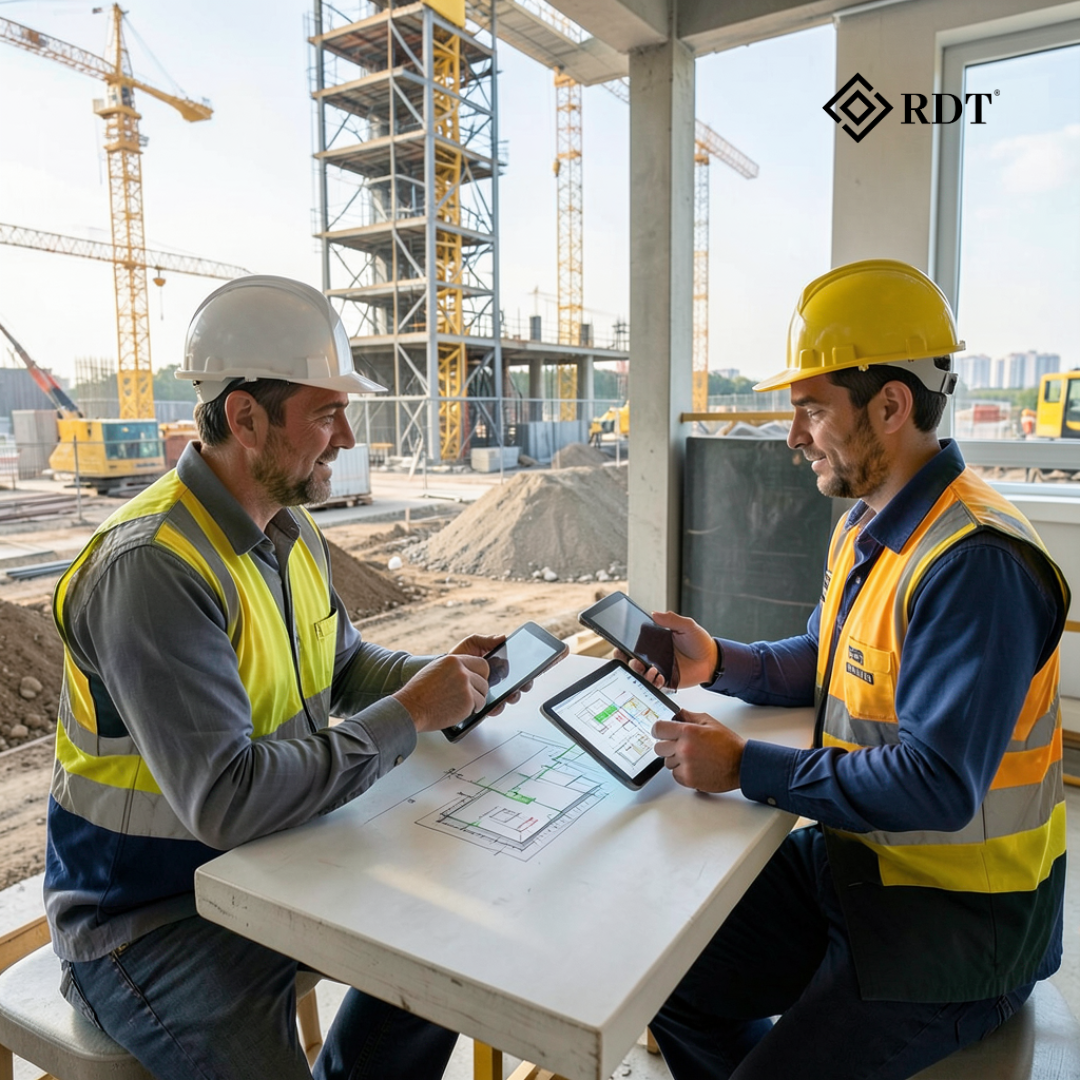
In addition, prefabrication has become more reliable due to precise digital models. Contractors can fabricate components off site with confidence that they will fit correctly on site. This reduces installation time and improves overall project efficiency.
Better Visualization and Decision Making
Two dimensional drawings require interpretation. Clients and non technical stakeholders often struggle to fully understand spatial relationships and design intent through flat plans and sections.
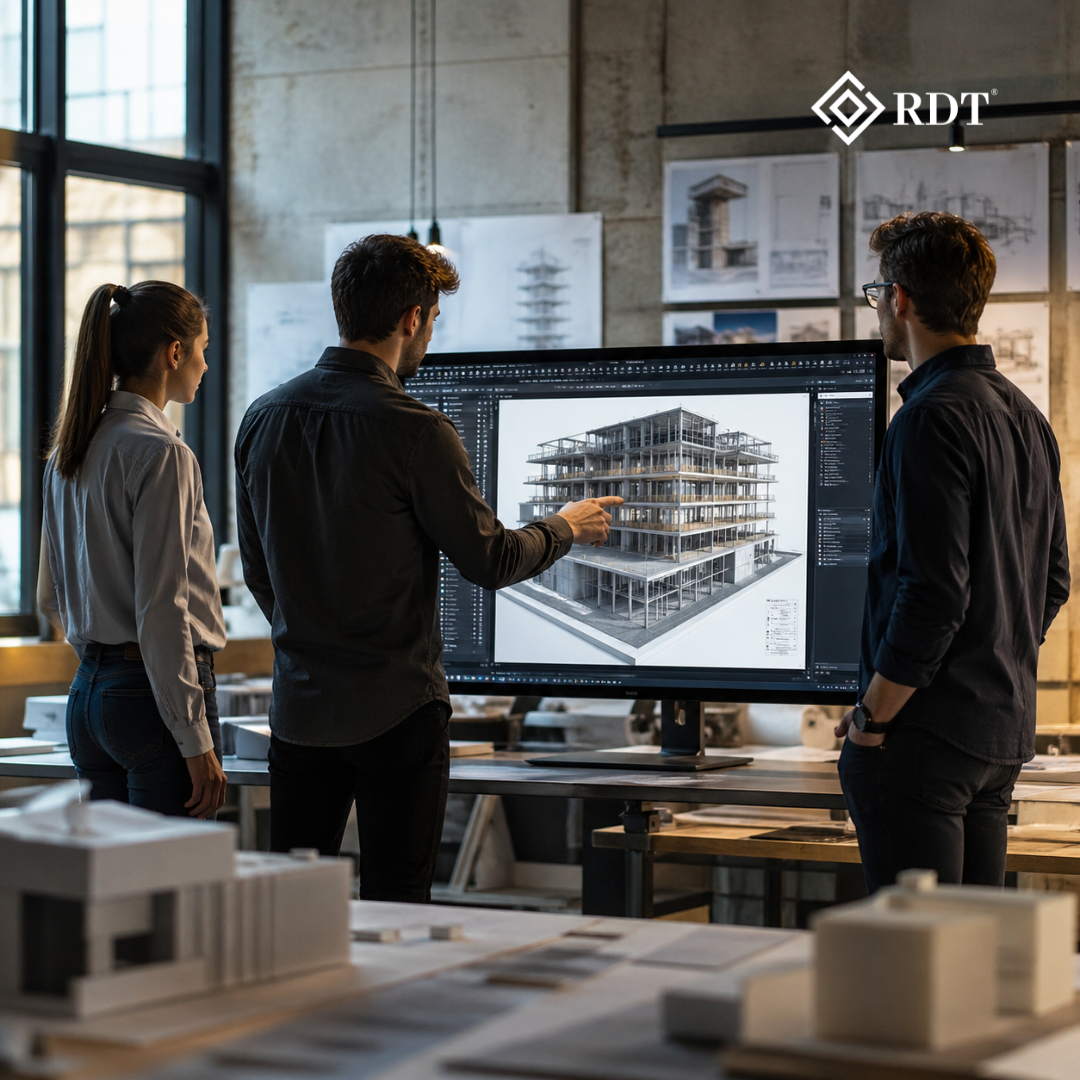
Building Information Modeling provides realistic three dimensional visualization. Stakeholders can explore the project virtually, gaining a clear understanding of scale, layout, and design features. This clarity supports informed decision making and reduces the likelihood of late stage changes.
Advanced modeling tools also allow performance analysis. Teams can evaluate energy efficiency, lighting conditions, and structural behavior during the design phase. These insights lead to smarter decisions that enhance sustainability and long term building performance.
Lifecycle Benefits Beyond Construction
Traditional coordination methods primarily focus on the design and construction phases. Once a project is completed, much of the documentation becomes archived and underutilized.
Building Information Modeling extends value beyond project delivery. The model serves as a digital asset for facility management. Building owners can access detailed information about equipment, maintenance schedules, and replacement timelines directly from the model.
This lifecycle approach improves operational efficiency and reduces long term costs. Facility managers can locate systems quickly, plan maintenance proactively, and make data driven decisions about upgrades or renovations.
Risk Mitigation and Cost Control
Risk management is a constant concern in the AEC industry. Budget overruns, schedule delays, and contractual disputes can have serious financial implications.
Building Information Modeling enhances risk mitigation through early problem detection and transparent documentation. Clear digital records reduce ambiguity and strengthen contractual clarity. Accurate cost data derived from the model supports better financial planning.
By resolving design conflicts before construction begins, projects experience fewer change orders. This stability improves cash flow predictability and strengthens relationships between stakeholders.
Industry Adoption and Competitive Advantage
As more clients recognize the benefits of Building Information Modeling, it is becoming a standard requirement in many projects. Public sector agencies and private developers increasingly request BIM deliverables as part of tender submissions.
Firms that rely solely on traditional coordination methods risk falling behind. Clients expect efficiency, transparency, and innovation. Companies that embrace Building Information Modeling demonstrate their commitment to modern practices and quality assurance.
Moreover, BIM proficiency enhances competitiveness. It allows firms to handle complex projects with confidence and deliver measurable value. In a market where margins can be tight, operational efficiency and reduced risk provide a strong competitive edge.
Cultural Shift and Skill Development
The transition from traditional coordination to Building Information Modeling is not only technological but cultural. It requires teams to adopt collaborative mindsets and invest in skill development.
Training and upskilling are essential for successful implementation. When professionals understand how to leverage BIM tools effectively, productivity increases significantly. Organizations that prioritize knowledge development build resilient teams capable of adapting to future advancements.
This cultural evolution strengthens the entire industry. As digital literacy grows, innovation accelerates, and project delivery standards continue to improve.
The Future of Project Coordination
The AEC industry is moving toward integrated digital ecosystems. Building Information Modeling is at the center of this transformation. Emerging technologies such as digital twins, augmented reality, and artificial intelligence are building upon BIM foundations to create even more advanced coordination capabilities.
Traditional project coordination will not disappear overnight, but its limitations are increasingly evident. As projects grow in complexity and sustainability demands rise, the need for intelligent data driven coordination becomes essential.
Building Information Modeling represents a smarter, more connected approach to project delivery. It aligns with the industry’s goals of efficiency, accuracy, sustainability, and long term value creation.
Conclusion
Building Information Modeling is overtaking traditional project coordination because it addresses the core challenges that have long affected the AEC industry. It improves accuracy, enhances collaboration, reduces risk, accelerates timelines, and delivers value beyond construction. In a competitive and rapidly evolving market, these advantages are too significant to ignore.
Organizations that embrace BIM are not simply upgrading their tools. They are redefining how projects are conceptualized, executed, and managed. The shift reflects a broader commitment to innovation and excellence.
If your organization is ready to move beyond outdated coordination methods and embrace a smarter digital future, now is the time to act. Partner with RDT Technology to implement advanced Building Information Modeling solutions that elevate your projects, streamline collaboration, and deliver measurable results. Contact RDT Technology today and take the next step toward transforming your AEC workflows with confidence.