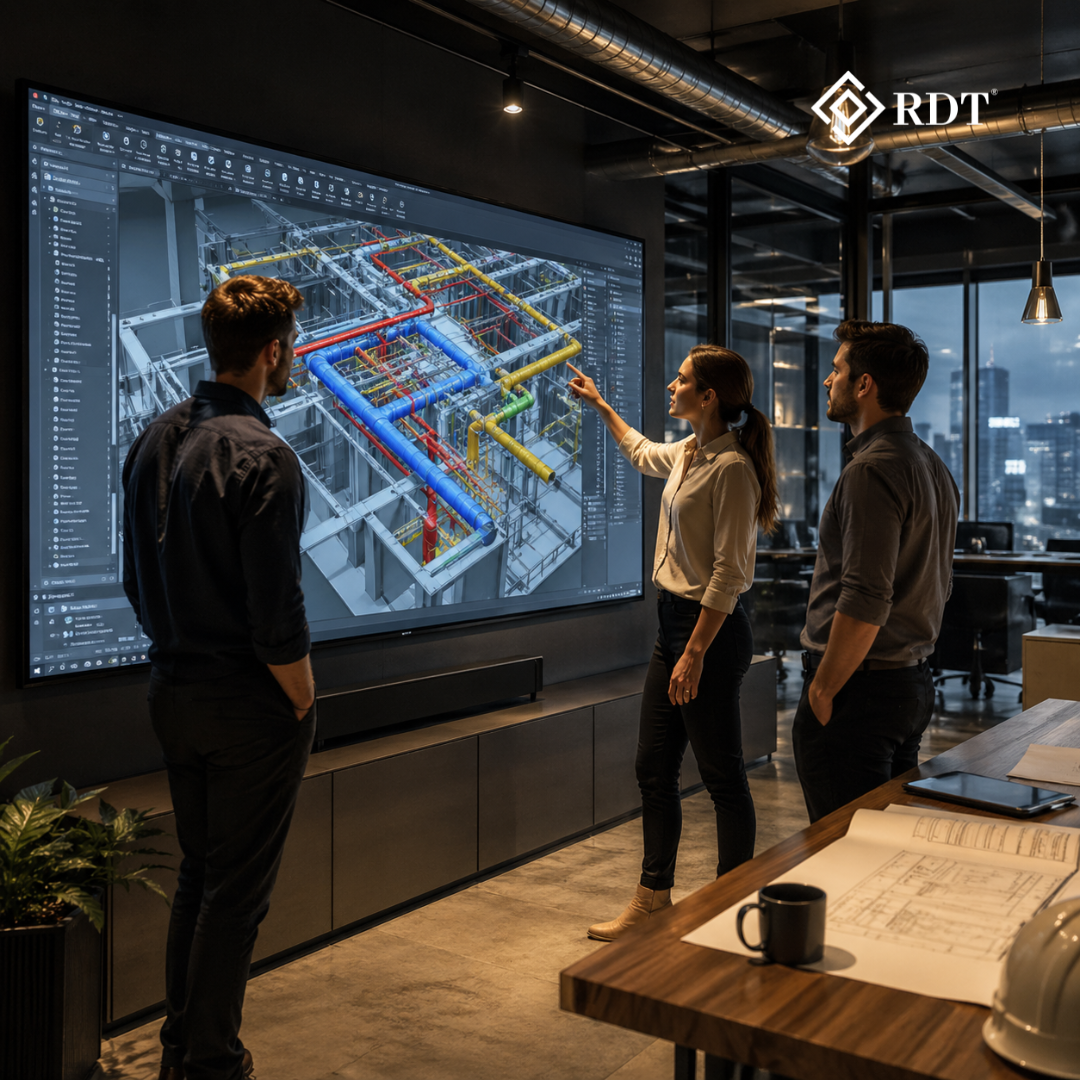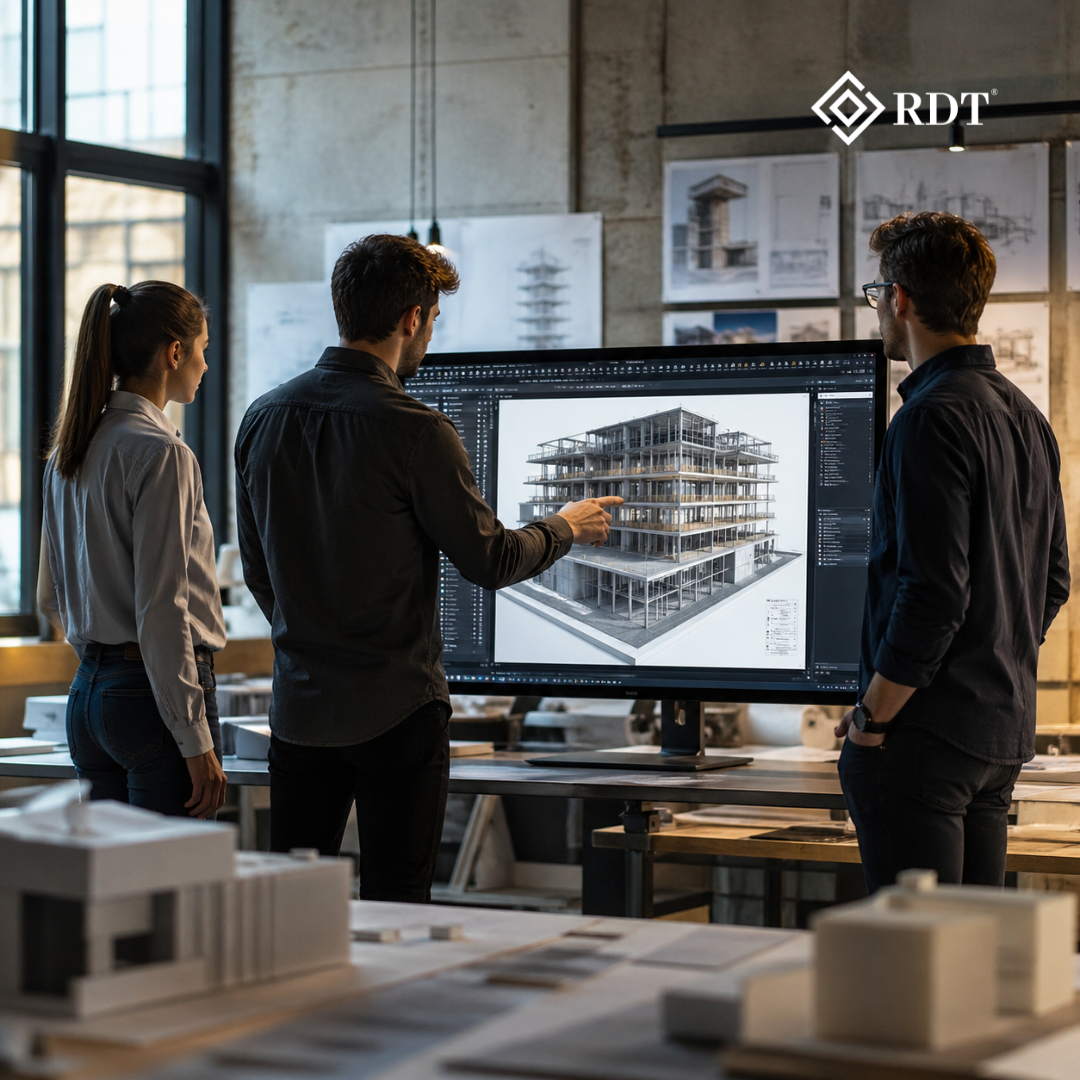
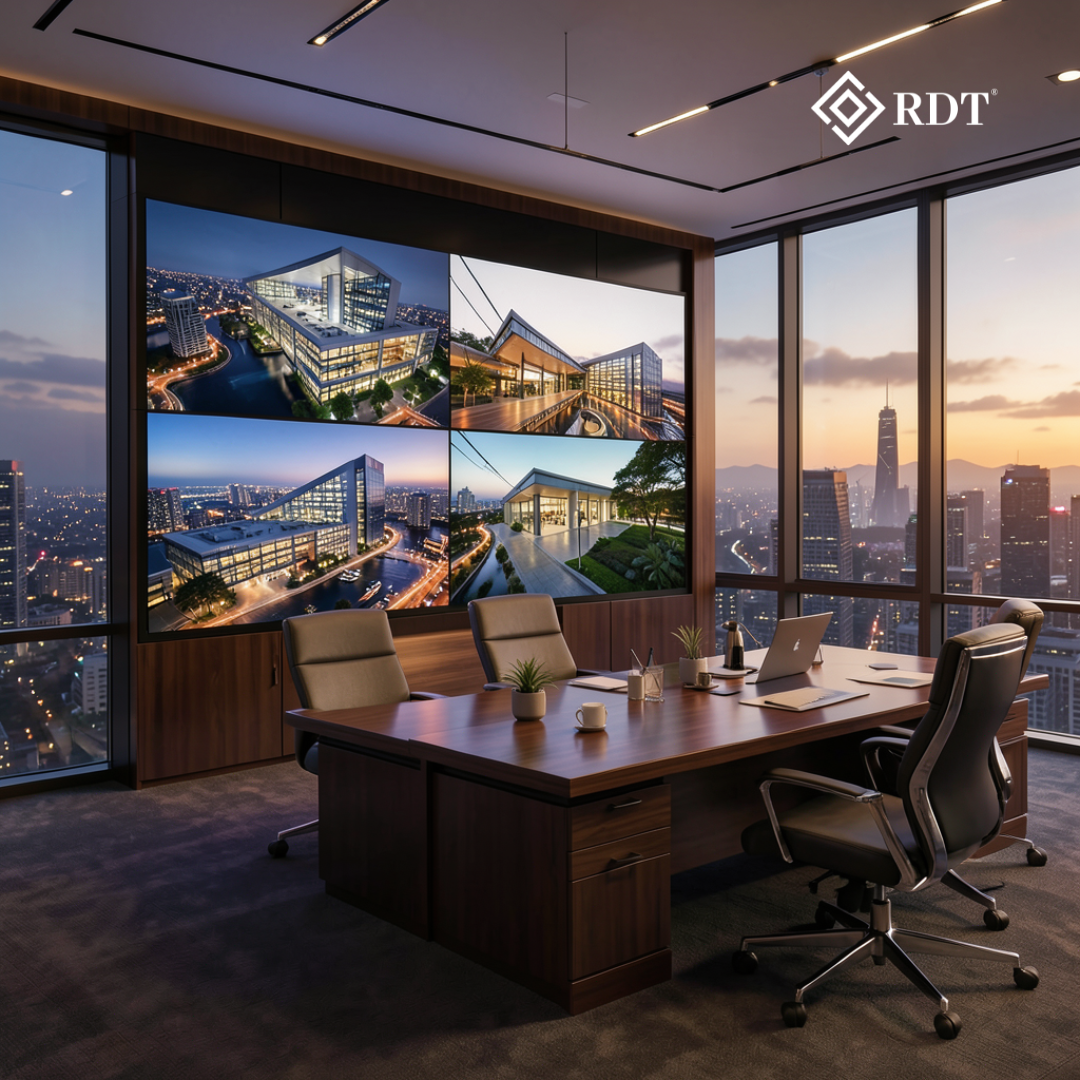
In the construction industry, time is one of the most valuable resources. Delayed approvals slow down design development, postpone procurement, and disrupt project schedules. In many cases, projects do not suffer because of poor technical planning but because decision making takes longer than expected. Clients hesitate when they cannot clearly understand what the final outcome will look like. Architectural visualization is changing this reality by transforming complex drawings into clear visual experiences that accelerate client decisions.
Architectural visualization refers to the creation of realistic visual representations of buildings before they are constructed. These visuals can include high quality renderings, interior perspectives, exterior views, walkthroughs, and immersive experiences. Instead of relying solely on technical drawings, clients can now see a near realistic preview of their future space. This clarity reduces uncertainty and builds confidence, leading to faster approvals and smoother project progression.
The Challenge of Traditional Communication
For decades, architects and engineers relied on floor plans, sections, elevations, and technical specifications to communicate design intent. While these documents are essential for construction, they are not always easy for non technical clients to interpret. A client without architectural training may struggle to imagine ceiling heights from a section drawing or understand spatial flow from a two dimensional layout.
This gap in understanding often leads to repeated explanations, extended meetings, and multiple revisions. Clients may approve a design based on limited understanding and later request changes once construction begins. Such changes are costly and time consuming.
Architectural visualization bridges the gap between technical language and human perception. By presenting a lifelike preview of the final project, it allows clients to evaluate design choices more intuitively and confidently.
Transforming Ideas Into Tangible Experiences
One of the main reasons visualization speeds up decision making is its ability to transform abstract ideas into tangible experiences. A design concept described in words may feel uncertain. A detailed rendering showing materials, lighting, furniture placement, and textures makes the concept feel real.
When clients can see how natural light enters a living room or how a commercial lobby will appear with specific finishes, they connect emotionally with the design. This emotional engagement encourages decisive responses rather than prolonged hesitation.
Visualization provides context that technical drawings alone cannot deliver. It answers questions before they are even asked. How will the façade look at sunset. Will the interior feel spacious. Does the selected material create the intended atmosphere. Realistic visuals address these concerns instantly.
Reducing Design Revisions
Frequent design revisions are a common cause of project delays. Many revisions occur because clients do not fully understand the design during early stages. Once construction begins and the physical structure takes shape, they realize that certain elements do not match their expectations.
Architectural visualization minimizes this risk by revealing details early. Clients can evaluate proportions, finishes, colors, and spatial relationships before construction starts. If changes are required, they can be made digitally without affecting physical progress on site.
This proactive approach reduces costly rework and shortens approval cycles. Instead of multiple rounds of clarification meetings, clients make informed decisions based on visual evidence.
Enhancing Communication Between Stakeholders
Construction projects involve architects, engineers, developers, contractors, marketing teams, and end users. Each stakeholder views the project from a different perspective. Miscommunication can easily occur when relying only on technical documentation.
Visualization acts as a universal communication tool. A realistic rendering conveys information that words and numbers cannot. It aligns everyone around a shared visual reference.
For example, a developer reviewing a mixed use project can quickly understand the scale and visual impact of the building. A marketing team can use the same visuals to plan promotional strategies. Investors can evaluate design quality without technical training. This alignment reduces back and forth discussions and speeds up approvals.
Supporting Faster Investor and Buyer Decisions
In real estate development, speed is directly linked to profitability. Developers often seek pre-sales or investor commitments before project completion. Convincing buyers to invest in a property that exists only on paper can be challenging.
Architectural visualization provides a powerful solution. High quality renderings and walkthroughs allow potential buyers to imagine themselves in the finished space. Instead of trying to interpret a floor plan, they can see furnished interiors, landscaped exteriors, and surrounding environments.
This clarity builds trust and accelerates purchasing decisions. Buyers feel more secure investing in a project when they can visualize the outcome. As a result, sales cycles shorten and revenue generation begins earlier.
Improving Material and Design Selections
Selecting materials and finishes can be overwhelming for clients. Samples may look different under various lighting conditions, and imagining how different elements work together is not always easy.
Visualization allows designers to simulate different material options in realistic settings. Clients can compare flooring types, wall textures, lighting fixtures, and color palettes within a complete visual scene. Seeing these combinations reduces uncertainty and prevents indecision.
When clients view accurate representations of their choices, they can approve selections with confidence. This speeds up procurement and keeps the project timeline on track.
Increasing Confidence Through Realism
The effectiveness of architectural visualization depends heavily on realism. High quality renderings that accurately represent scale, lighting, materials, and context build credibility. When visuals feel authentic, clients trust the information presented.
Realistic shadows, reflections, and environmental details make the design believable. Accurate representation of surrounding buildings and landscapes provides context that enhances understanding. Clients can evaluate how the project integrates into its environment rather than viewing it in isolation.
This level of detail reduces doubts and questions. Clients feel assured that what they see is a reliable preview of the final construction. Confidence leads to quicker approvals.
Facilitating Remote Decision Making
Modern construction projects often involve stakeholders located in different cities or countries. Coordinating meetings and site visits can be time consuming.
Architectural visualization supports remote decision making by delivering comprehensive visual information digitally. Clients can review renderings, animations, and virtual walkthroughs from anywhere. Online presentations become more effective when supported by realistic visuals.
This flexibility reduces scheduling conflicts and accelerates approval processes. Decisions that once required physical meetings can now be finalized through virtual presentations backed by compelling visuals.
Strengthening Marketing and Branding
Beyond technical approvals, visualization plays a significant role in branding and marketing. Developers and construction firms use visual content to showcase design quality and innovation.
Strong visual representation enhances brand perception. It demonstrates professionalism and attention to detail. When clients see polished renderings and immersive presentations, they associate the project with quality and reliability.
This positive perception influences decision speed. Clients are more likely to approve proposals from teams that communicate clearly and visually.
Reducing Risk and Uncertainty
Uncertainty is one of the biggest obstacles to fast decision making. Clients hesitate when they fear making the wrong choice. Architectural visualization reduces this uncertainty by presenting realistic previews.
By simulating lighting conditions, environmental context, and interior ambiance, visualization reveals potential issues before construction begins. If a design element appears impractical or visually unappealing, it can be adjusted early.
Reducing risk increases decisiveness. Clients who feel secure in their understanding of the project move forward more quickly.
Adapting to Complex Projects
As projects become more complex, the need for clear visualization increases. Large commercial developments, healthcare facilities, educational campuses, and high rise residential buildings involve intricate layouts and multiple functional zones.
Visualization simplifies complexity. It breaks down large projects into understandable visual segments. Clients can focus on specific areas while still appreciating the overall design vision.
By making complex information accessible, visualization streamlines approvals even for large scale developments.
Driving Efficiency Across the Project Lifecycle
Faster client decisions create ripple effects across the entire project lifecycle. When approvals are timely, design development progresses smoothly. Procurement schedules remain stable. Construction teams receive clear instructions without delays.
Architectural visualization acts as a catalyst for this efficiency. It enhances communication, builds trust, and accelerates agreement. Time saved during decision making translates into cost savings and improved productivity.
In competitive markets, speed can determine success. Projects that move forward confidently gain strategic advantages.
Conclusion
Architectural visualization has evolved from a presentation tool into a strategic driver of project efficiency. By transforming technical drawings into realistic visual experiences, it empowers clients to make informed decisions quickly.
Clear visuals reduce misunderstandings, minimize revisions, and build confidence. They align stakeholders, support marketing efforts, and enable remote collaboration. In an industry where delays can be costly, visualization provides clarity that accelerates progress.
As construction projects grow in complexity and client expectations rise, the demand for high quality visualization will continue to increase. Companies that leverage realistic visual communication will stand out in their ability to deliver faster approvals and stronger results.
If you want to accelerate client decisions and enhance project success through professional architectural visualization, connect with RDT Technology and bring your designs to life with precision, realism, and impact.