Real estate has always been driven by vision. Long before a project is completed, long before the finishing touches are applied, buyers and investors are asked to believe in something that does not yet physically exist. In the past, this belief relied heavily on brochures, 2D drawings, scale models, and persuasive sales conversations. Today, the landscape has changed dramatically. Architectural rendering has evolved into one of the most powerful marketing tools in modern real estate.
Rendering is no longer just a design presentation technique used within architectural studios. It has become a strategic asset that shapes perception, influences purchasing decisions, and accelerates sales cycles. In an industry where competition is intense and attention spans are short, the ability to present a project in a visually compelling and realistic way can determine its success.
The Shift from Technical Drawings to Visual Experiences
Floor plans and elevations remain essential for construction, but they rarely inspire emotional commitment from buyers. Most homebuyers and investors struggle to interpret technical drawings. They find it difficult to visualize scale, spatial relationships, and ambiance through lines and measurements alone.
Architectural rendering bridges this gap. It transforms abstract plans into immersive visual experiences. Instead of asking buyers to imagine what a living room might look like, renderings show them the sunlight streaming through windows, the texture of materials, and the mood of the space. Instead of describing the elegance of a lobby, developers can present a detailed image that communicates sophistication instantly.
This shift from explanation to experience has redefined how real estate is marketed.
Creating Emotional Connection Before Construction Begins
Purchasing property is rarely a purely logical decision. It is deeply emotional. Buyers imagine their future in the space. Investors imagine returns and prestige. Tenants imagine comfort and convenience.
High quality architectural renderings create that emotional connection long before construction is complete. A realistic exterior view can communicate security, community, and architectural identity. An interior rendering can evoke warmth, luxury, or functionality depending on the target market.
By carefully selecting lighting, materials, and context, developers can craft a narrative that aligns with the aspirations of their audience. This narrative is not accidental. It is strategic. It positions the project in a way that resonates with specific buyer segments.
Accelerating Pre Sales and Investor Confidence
One of the most significant advantages of architectural rendering in modern real estate is its ability to drive pre sales. Many large residential and commercial projects rely on early sales to secure funding and demonstrate viability. Without a finished structure to showcase, developers must rely on visualization.
Photorealistic renderings provide tangible evidence of what is being promised. They reduce uncertainty. They build confidence. Investors can see the scale and quality of the project. Buyers can understand layouts and finishes.
When people feel confident in what they are purchasing, decisions are made faster. Sales cycles shorten. Marketing campaigns become more effective. Rendering, in this context, becomes a revenue generating tool rather than a simple design output.
Strengthening Brand Identity
In competitive urban markets, numerous projects may target the same demographic. What differentiates one development from another is often the strength of its brand identity.
Architectural rendering plays a crucial role in shaping that identity. The visual style of renderings communicates whether a project is modern, timeless, eco conscious, or luxury oriented. The atmosphere created in marketing visuals sets expectations about lifestyle and quality.
Consistent visual storytelling across brochures, websites, and social media platforms reinforces the brand message. Buyers begin to associate certain aesthetics with specific developers. Over time, this consistency builds recognition and trust.
Rendering becomes more than a marketing image. It becomes part of the developer’s signature.
Enhancing Digital Marketing Performance
Modern real estate marketing is heavily digital. Property searches begin online. Buyers browse websites, social media feeds, and property portals before contacting sales representatives.
In this digital environment, visuals dominate. Projects with compelling renderings attract more clicks, longer viewing times, and higher engagement. A strong hero image on a landing page can significantly increase inquiry rates.
Renderings also perform exceptionally well in online advertising campaigns. They capture attention quickly and communicate key selling points within seconds. In social media marketing, eye catching visuals encourage shares and saves, expanding reach organically.
Without strong visual content, even the most promising project can struggle to gain visibility in crowded digital spaces.
Supporting Decision Making with Realism
Modern rendering technology allows for an extraordinary level of realism. Textures, lighting conditions, reflections, and landscaping can be simulated with precision. This realism supports informed decision making.
Buyers can evaluate how natural light interacts with interiors at different times of the day. Investors can assess facade materials and design coherence. Commercial tenants can visualize how their brand might integrate within a space.
The more realistic the rendering, the fewer surprises there are during construction and handover. Expectations are aligned with outcomes. This alignment reduces dissatisfaction and protects the reputation of developers.
Showcasing Amenities and Community Lifestyle
Real estate marketing extends beyond individual units. It often emphasizes amenities, surroundings, and lifestyle offerings. Pools, gyms, gardens, retail spaces, and communal areas contribute significantly to perceived value.
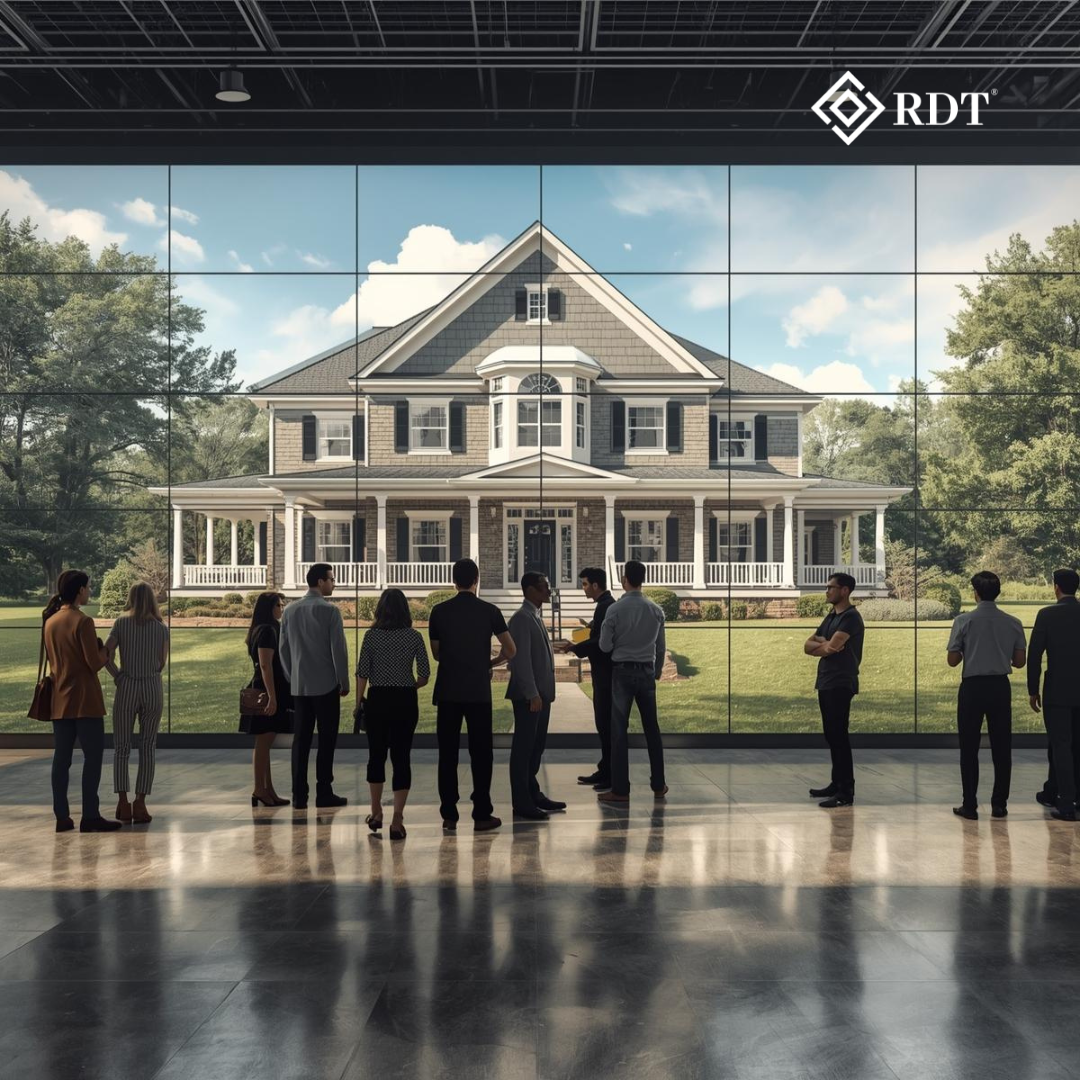
Architectural renderings allow developers to present these amenities in vibrant, aspirational contexts. Landscaped courtyards can be shown with families enjoying outdoor spaces. Rooftop terraces can be depicted with evening gatherings and city views.
These visuals communicate not just facilities but experiences. They show potential buyers what life could look like within the development. This lifestyle positioning can justify premium pricing and attract target audiences more effectively.
Gaining Approvals and Stakeholder Support
Marketing is not limited to end buyers. Developers must also communicate with planning authorities, financial institutions, and project partners. Clear and persuasive visuals can support these interactions.
Renderings help authorities understand scale, impact, and aesthetic integration with surrounding environments. Financial institutions gain confidence in the professionalism and feasibility of the project. Partners and consultants align more easily around a shared vision.
When stakeholders clearly understand the intended outcome, negotiations and approvals tend to move more smoothly.
Adapting to Market Trends Quickly
Real estate markets evolve rapidly. Design preferences shift. Buyer expectations change. Sustainability and smart technology features become more prominent.
Architectural rendering allows developers to adapt marketing narratives without physically altering built structures. Visuals can highlight green spaces, energy efficient features, or modern interiors that align with current demand.
This flexibility ensures that marketing materials remain relevant and competitive even as trends evolve.
Integrating Rendering with BIM for Greater Accuracy
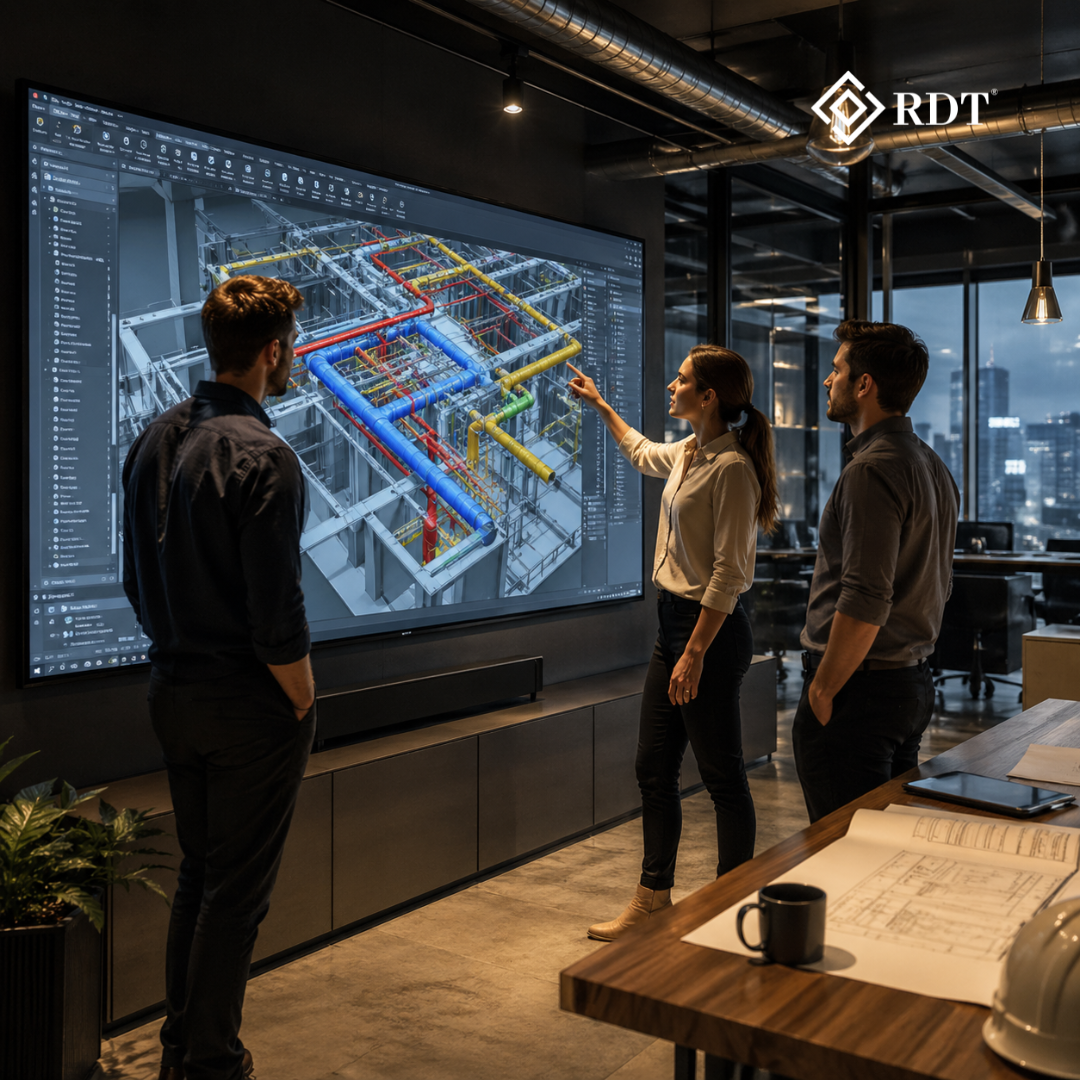
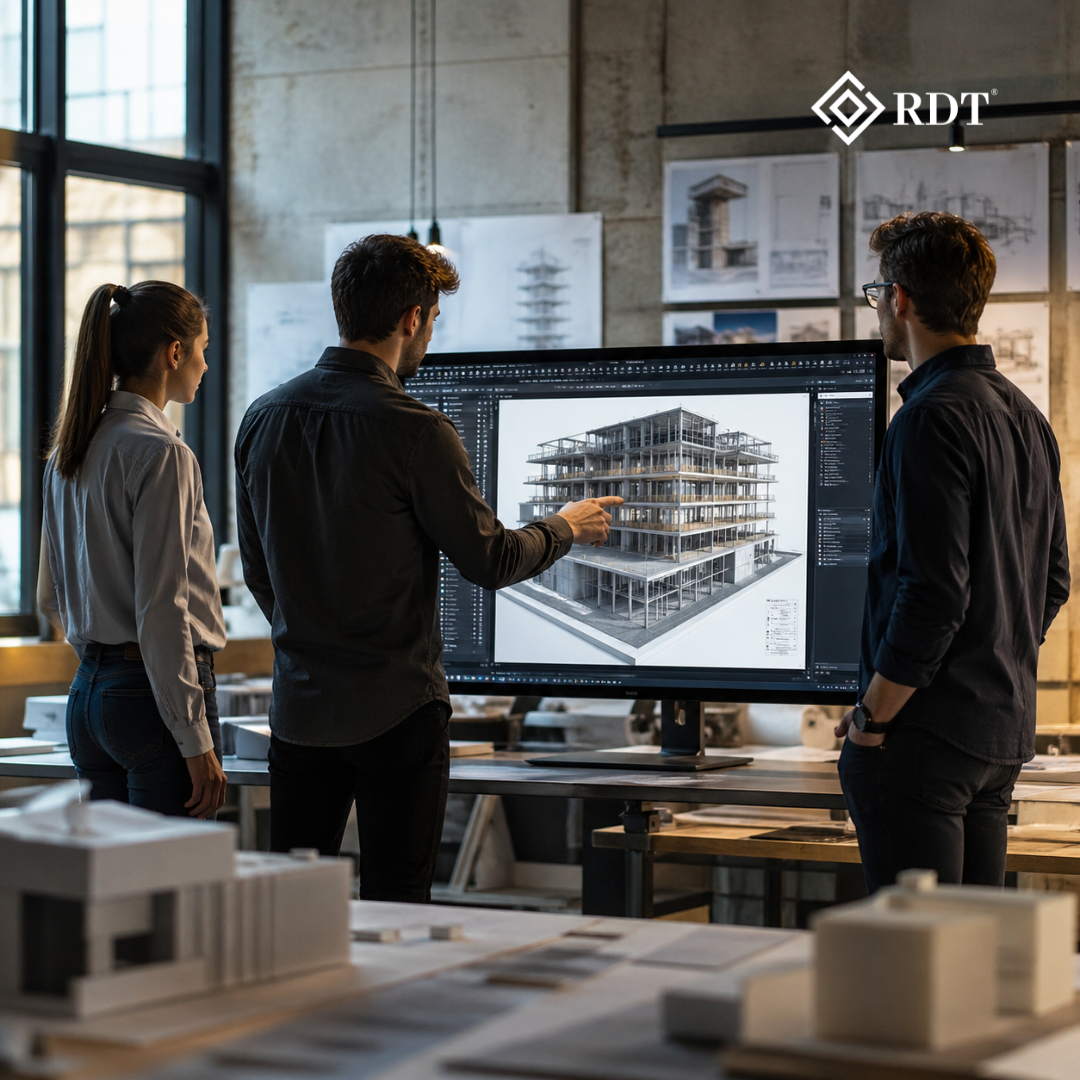
The integration of rendering with advanced modeling workflows adds another layer of strategic advantage. When renderings are generated from coordinated digital models, accuracy improves significantly.
Dimensions, materials, and spatial relationships are consistent across design and marketing outputs. This reduces discrepancies between what is advertised and what is delivered. Accurate representation strengthens credibility and reduces legal risks associated with miscommunication.
In a market where transparency is increasingly valued, accuracy becomes a powerful differentiator.
From Visualization to Strategic Weapon
Calling architectural rendering a strategic marketing tool is not an exaggeration. In many cases, it determines whether a project gains traction or struggles to attract interest. It influences perception before a single site visit occurs.
The difference between an average rendering and a carefully crafted, realistic visualization can be substantial. One simply illustrates a building. The other tells a story, communicates value, and inspires action.
Developers who understand this difference invest in high quality rendering as part of their core marketing strategy. They recognize that visual presentation is not an optional extra. It is a critical component of business success.
The Competitive Edge in Modern Real Estate
In crowded markets, differentiation is everything. Projects compete not only on price and location but also on perception. Buyers often compare multiple options side by side online.
Compelling renderings provide a clear competitive edge. They communicate professionalism, attention to detail, and ambition. They make projects memorable. They elevate perceived quality even before construction is complete.
This edge can translate directly into higher demand, stronger brand reputation, and improved return on investment.
Conclusion
Architectural rendering has transformed from a supplementary design output into a central pillar of modern real estate marketing. It creates emotional connection, builds investor confidence, accelerates pre sales, strengthens brand identity, and enhances digital performance.
In an industry built on vision and trust, the ability to present a future reality convincingly is invaluable. Rendering does not merely depict architecture. It shapes perception, drives engagement, and influences financial outcomes.
If you want your real estate projects to stand out in competitive markets and convert vision into measurable success, partner with RDT Technology. Our expert team delivers precise, high impact architectural rendering and BIM driven solutions that align design accuracy with powerful marketing strategy. Connect with RDT Technology today and turn your next development into a compelling visual story that drives real results.