The architecture, engineering and construction industry is undergoing one of the most significant transformations in its history. For decades, projects relied heavily on manual drafting, spreadsheet based coordination, fragmented communication, and reactive decision making. In 2026, that landscape looks very different. Automation is no longer a competitive advantage reserved for early adopters. It is becoming the operational foundation for firms that want to remain relevant, profitable, and scalable.
Across the United States and global markets, AEC firms are shifting from labor intensive processes to connected digital workflows powered by intelligent software, data integration, and building information modeling. This transition is reshaping how projects are designed, documented, coordinated, constructed, and maintained. The shift is not simply about replacing paper with digital files. It is about building a seamless, automated ecosystem that reduces risk, increases speed, and improves decision making at every stage of the project lifecycle.
The Limits of Manual Workflows
Traditional AEC workflows were built around isolated tasks. Architects drafted plans. Engineers calculated loads. Contractors interpreted drawings. Consultants shared revisions by email. Each discipline worked within its own silo, often discovering conflicts only after drawings were issued or construction had begun.
Manual workflows introduced several persistent challenges:
First, human error was inevitable. Revisions were often tracked manually, leading to outdated drawings being circulated. A small oversight in coordination could lead to expensive change orders.
Second, time was lost in repetitive tasks. Drafting similar details across multiple sheets, manually updating schedules, or cross checking dimensions consumed valuable hours that could have been used for design refinement or strategic planning.
Third, communication gaps created risk. Without centralized data, teams depended on meetings and long email threads to align decisions. Information was fragmented and difficult to verify in real time.
In 2026, these inefficiencies are no longer acceptable. Rising material costs, compressed timelines, and increased client expectations have forced firms to seek smarter solutions.
The Rise of Building Information Modeling
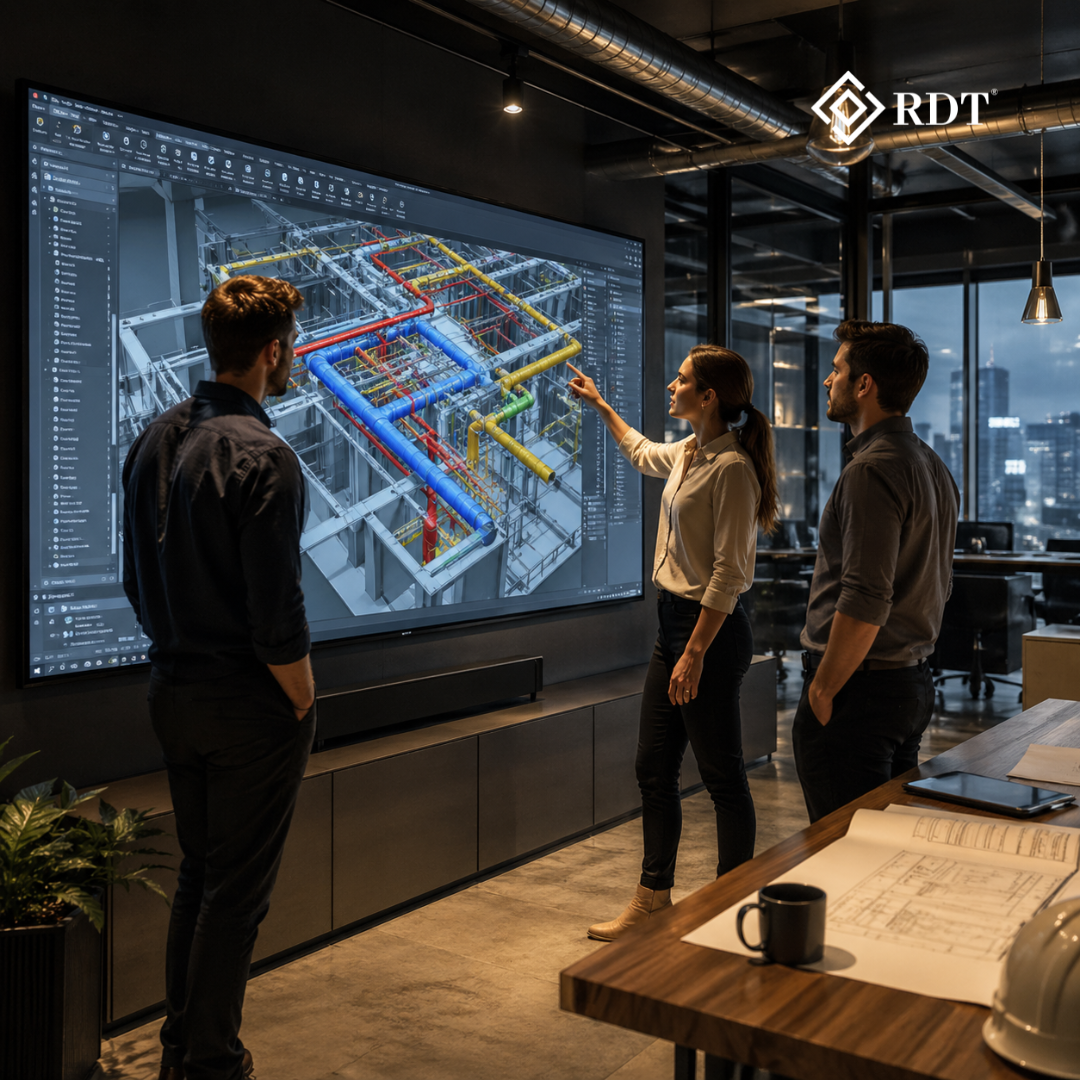
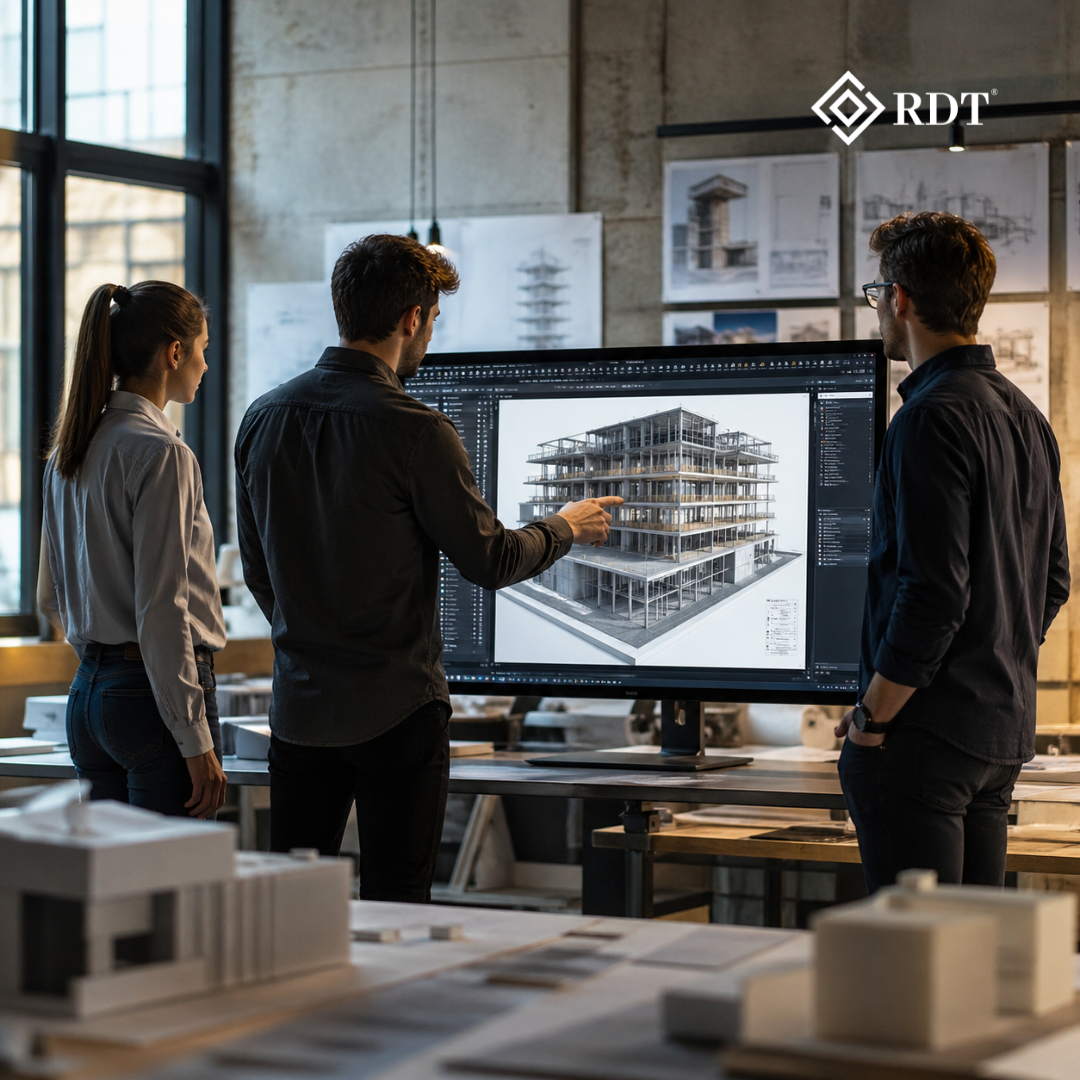
A key driver behind automation in AEC is Autodesk Revit. More than a drafting tool, Revit enables data rich 3D modeling where architectural, structural, and MEP systems coexist in a coordinated digital environment. Changes made in one view automatically update across all related drawings and schedules.
This parametric capability eliminates much of the repetitive manual work that defined earlier workflows. Instead of redrawing sections or recalculating quantities, teams rely on intelligent models that update dynamically.
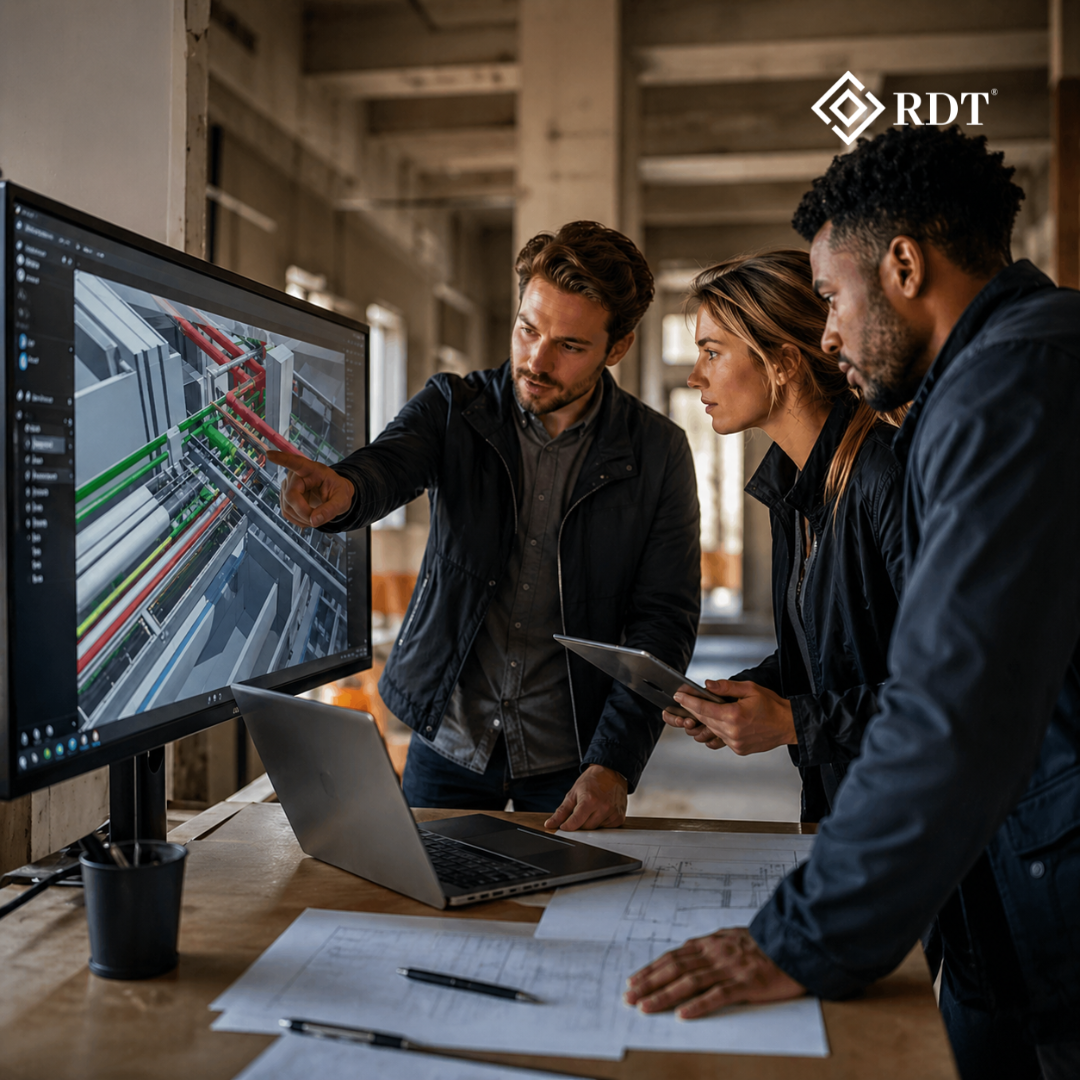
Beyond Revit, platforms such as Navisworks support automated clash detection. Rather than discovering conflicts onsite, teams identify and resolve them virtually. This proactive coordination significantly reduces rework and schedule disruptions.
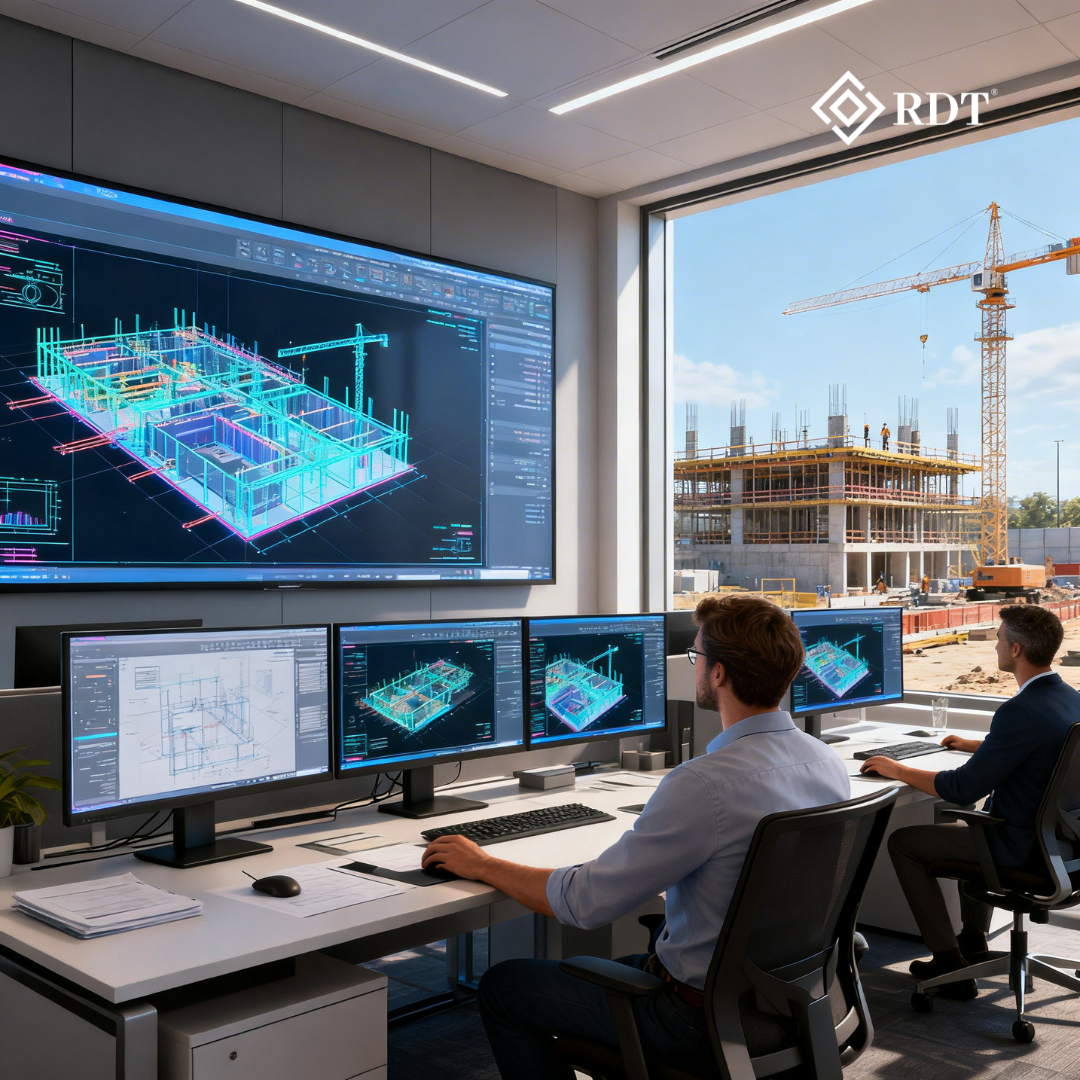
In 2026, BIM is not just a modeling standard. It is the backbone of automated documentation, quantity takeoffs, coordination reviews, and visualization.
Automation in Construction Documentation
Construction documentation has traditionally been one of the most labor intensive phases of a project. Detailed drawings, schedules, and specifications require precision and consistency. In manual workflows, updating one element often meant checking dozens of related sheets.
Automated workflows change that dynamic. With model driven documentation, drawings are generated directly from coordinated BIM models. When a wall type changes, elevations, sections, and schedules reflect the update automatically.
Templates and standardized families further streamline production. Firms are building libraries of parametric components that can be reused across projects. This reduces drafting time and ensures consistency with company standards.
Automation also improves quality control. Rule based checking systems identify missing data, inconsistent annotations, or code compliance issues before documents are issued. The result is fewer revisions and more reliable deliverables.
Integrated Cloud Collaboration
Cloud based platforms are playing a major role in eliminating manual communication barriers. Solutions such as Autodesk Construction Cloud allow teams to collaborate on shared models and documents in real time. Stakeholders can review updates, track issues, and approve changes from anywhere.
This centralized environment replaces scattered email chains and disconnected file transfers. Automated version control ensures that everyone works from the latest model. Comments and markups are logged within the system, creating a transparent audit trail.
For firms managing projects across multiple states or countries, cloud collaboration has become essential. It accelerates decision making and reduces delays caused by miscommunication.
Data Driven Decision Making
Automation in 2026 extends beyond drafting and coordination. It includes data analytics that inform design and construction strategies.
Digital models contain valuable information about quantities, performance metrics, and lifecycle costs. By extracting and analyzing this data, firms can evaluate design options quickly and accurately. Energy analysis tools assess building performance before construction begins. Cost estimation software connects directly to model quantities, providing near real time budget insights.
This shift from reactive to predictive planning allows project teams to anticipate risks and optimize outcomes. Decisions are based on measurable data rather than assumptions.
Robotics and Prefabrication Integration
Automation is also influencing how buildings are constructed. Digital models now connect directly to fabrication equipment and prefabrication workflows. Structural steel components, ductwork, and facade panels can be manufactured using data exported from BIM models.
This integration reduces manual interpretation errors and improves accuracy. Prefabricated components arrive onsite ready for installation, minimizing waste and accelerating schedules.
In large scale infrastructure and commercial developments, robotics and automated machinery are increasingly guided by digital project data. This connection between design and construction represents a fundamental shift in how projects are executed.
The Role of Artificial Intelligence and Generative Design
In 2026, artificial intelligence is supporting automation across multiple AEC functions. Generative design tools analyze constraints such as site conditions, structural requirements, and cost targets to produce optimized design options.
These tools do not replace architects or engineers. Instead, they enhance creativity by presenting data informed alternatives. Teams can evaluate multiple scenarios quickly and select solutions that balance performance, aesthetics, and budget.
AI is also being used for risk prediction. By analyzing historical project data, algorithms identify patterns that signal potential delays or cost overruns. Project managers can intervene early, improving overall reliability.
Workforce Evolution and Skill Development
The transition from manual to automated workflows requires a cultural shift within AEC firms. Professionals must develop digital competencies alongside traditional design and engineering skills.
Training programs now focus on BIM coordination, data management, and automation scripting. Many firms are investing in specialized roles such as BIM managers and digital transformation leaders. These professionals oversee workflow optimization and ensure that technology investments deliver measurable results.
In 2026, the most successful firms are those that treat automation as a strategic priority rather than a software upgrade. Leadership commitment and continuous learning are essential for sustainable transformation.
Client Expectations in 2026
Clients are driving much of the demand for automated workflows. Owners expect transparency, accurate cost forecasting, and faster delivery. They want immersive visualization experiences and detailed digital twins for facility management.
Automated processes make it possible to meet these expectations. High quality renderings derived from BIM models help stakeholders understand design intent before construction. Digital twins support long term maintenance planning by providing structured data about building systems.
Firms that rely on outdated manual methods struggle to compete in this environment. Automation has become a defining factor in client selection.
Overcoming Barriers to Adoption
Despite its benefits, automation requires investment in software, hardware, and training. Some firms hesitate due to initial costs or resistance to change. However, the long term savings from reduced rework, improved coordination, and faster delivery often outweigh these expenses.
Successful adoption typically begins with a clear roadmap. Firms identify key pain points in their workflows and prioritize automation initiatives that deliver immediate value. Gradual implementation allows teams to adapt without disrupting ongoing projects.
Leadership plays a critical role in fostering a culture that embraces innovation. Open communication and practical training sessions help teams transition smoothly.
The Competitive Advantage of Automation
In 2026, automated workflows are separating industry leaders from laggards. Firms that leverage digital tools effectively can deliver projects with greater precision and predictability. They reduce change orders, improve collaboration, and strengthen client relationships.
Automation also enhances scalability. With standardized digital processes, firms can handle larger and more complex projects without proportionally increasing staffing levels. This efficiency supports sustainable growth.
Ultimately, the shift from manual to automated workflows is about resilience. In an industry defined by tight margins and evolving regulations, automation provides the agility needed to adapt and thrive.
Conclusion
The AEC industry in 2026 stands at a defining moment. Manual processes that once formed the backbone of project delivery are giving way to intelligent, connected, and automated systems. Building information modeling, cloud collaboration, data analytics, and AI driven insights are reshaping how projects move from concept to completion.
This transformation is not optional. It is a strategic necessity for firms that want to remain competitive in a demanding market. By embracing automation, AEC professionals can reduce risk, improve efficiency, and deliver higher value to clients.
The future belongs to firms that act decisively and invest in smarter workflows today.
Ready to move beyond manual processes and build a smarter automated workflow for your AEC projects? Partner with RDT Technology and transform the way you design, coordinate, and deliver. Contact RDT Technology today and take the next step toward fully automated, precision driven project execution.