For decades, physical mockups were considered an essential milestone in architecture and construction projects. Developers built sample apartments, facade prototypes and full scale interior sections to test materials, validate finishes and present tangible experiences to stakeholders. These mockups offered confidence before full execution began.
However, the construction landscape has changed dramatically. Projects are larger. Timelines are tighter. Margins are more sensitive. Global collaboration has become standard practice. In this environment, traditional mockups often create more challenges than advantages. They consume time, space, labor and budget. They are static representations in a world that now demands flexibility and data driven precision.
BIM driven visualization is reshaping this process. By integrating intelligent modeling with immersive visualization, Architecture Engineering and Construction professionals are reducing reliance on physical mockups and transforming how decisions are made.
The Limitations of Physical Mockups in Modern Projects
Physical mockups once served as the most effective way to experience a design before construction. Clients could walk through a sample unit. Architects could examine proportions. Contractors could inspect buildability. Yet this process came with constraints.
First, physical mockups require significant material investment. Building a sample apartment or facade involves real materials, skilled labor and site allocation. If revisions are needed, adjustments may demand reconstruction rather than simple modification.
Second, mockups are location dependent. Stakeholders must travel to the site or workshop to review them. This limits accessibility for global teams and slows decision making.
Third, mockups capture only a single version of a design at a specific moment. Once built, changes are expensive and time consuming. In fast paced developments where revisions are frequent, this rigidity can hinder progress.
As projects become more complex, these limitations create inefficiencies that firms can no longer ignore.
The Rise of BIM Driven Visualization
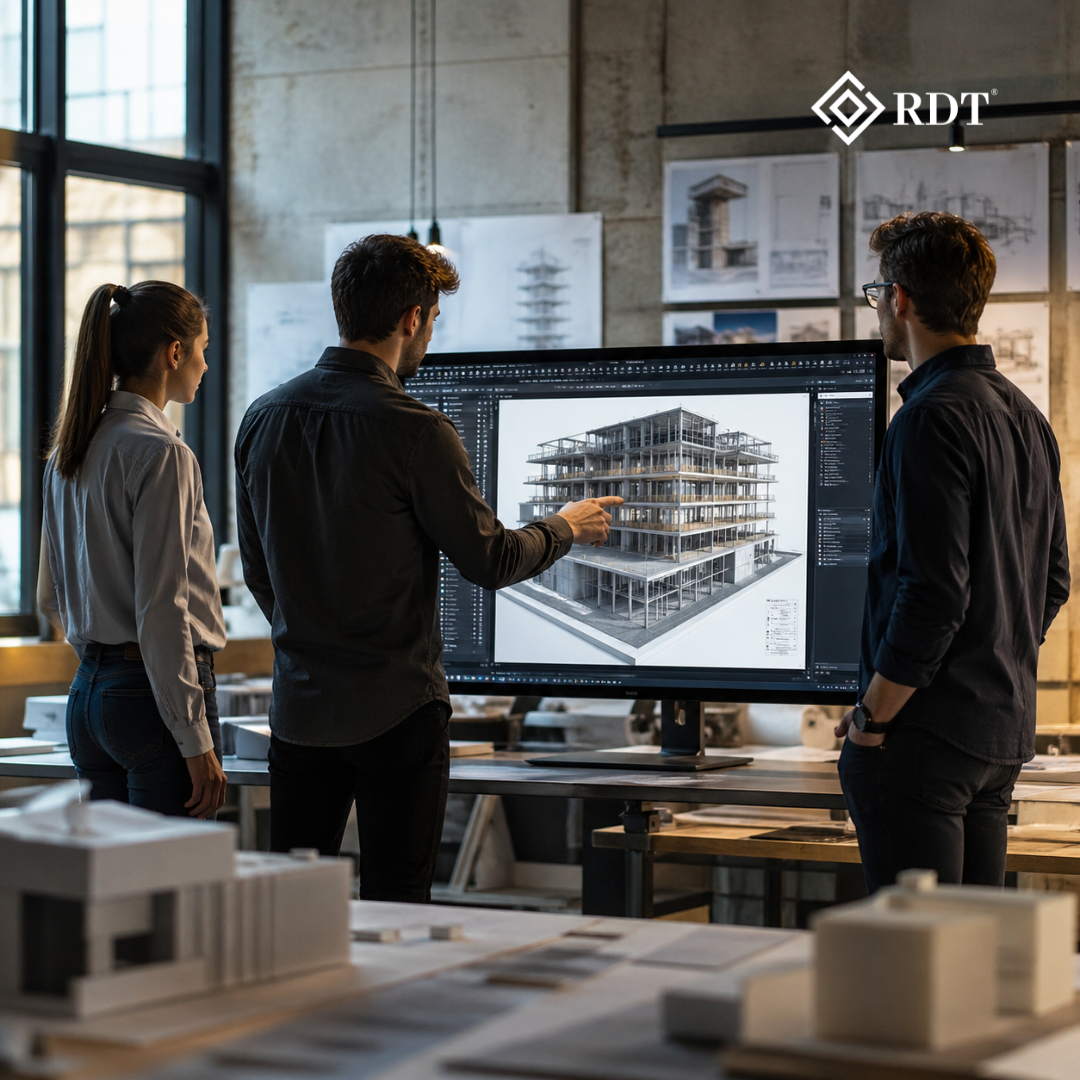
Building Information Modeling introduced a new way of thinking about design documentation and coordination. Instead of relying solely on two dimensional drawings, BIM integrates architectural, structural and MEP systems into a unified three dimensional model enriched with data.
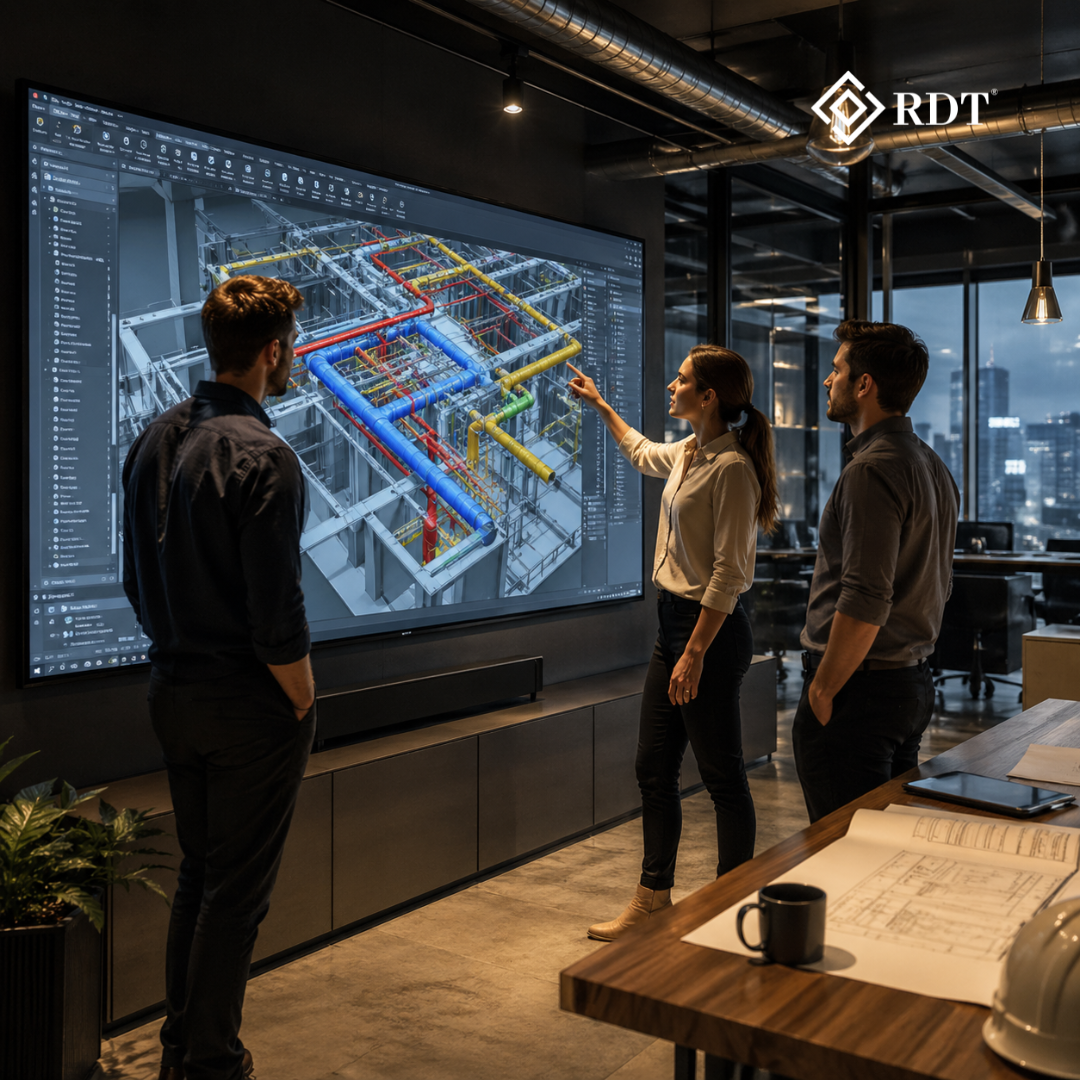
When this intelligent model is combined with high quality visualization tools, it becomes far more than a technical representation. It transforms into an immersive digital environment that allows stakeholders to experience the project before construction begins.
BIM driven visualization enables teams to explore spatial relationships, material finishes, lighting conditions and service coordination within a dynamic model. Unlike physical mockups, digital models can be modified instantly. Design changes update across all views and documentation, maintaining consistency and reducing error.
This flexibility allows teams to evaluate multiple design scenarios without rebuilding physical samples. It shifts the focus from reactive adjustments to proactive optimization.
Cost Efficiency and Resource Optimization
One of the strongest arguments for replacing physical mockups with BIM visualization lies in cost efficiency. Constructing a full scale mockup involves direct expenses such as materials, labor and transportation. It also includes indirect costs associated with delays and revisions.
Digital visualization eliminates the need for physical materials during the review phase. Instead of building a facade prototype on site, teams can analyze cladding options within the BIM model. Different materials, textures and configurations can be tested virtually without additional material waste.
This approach aligns with cost optimization strategies that many AEC enterprises now prioritize. By resolving design uncertainties within a digital environment, firms reduce the risk of rework during construction. Fewer errors translate into fewer change orders and improved budget control.
In large residential and commercial developments, these savings accumulate significantly across the project lifecycle.
Accelerating Decision Making and Approvals
Time is one of the most critical variables in construction. Delays impact financing, leasing schedules and market positioning. Physical mockups can extend timelines because they require fabrication and coordination before review.
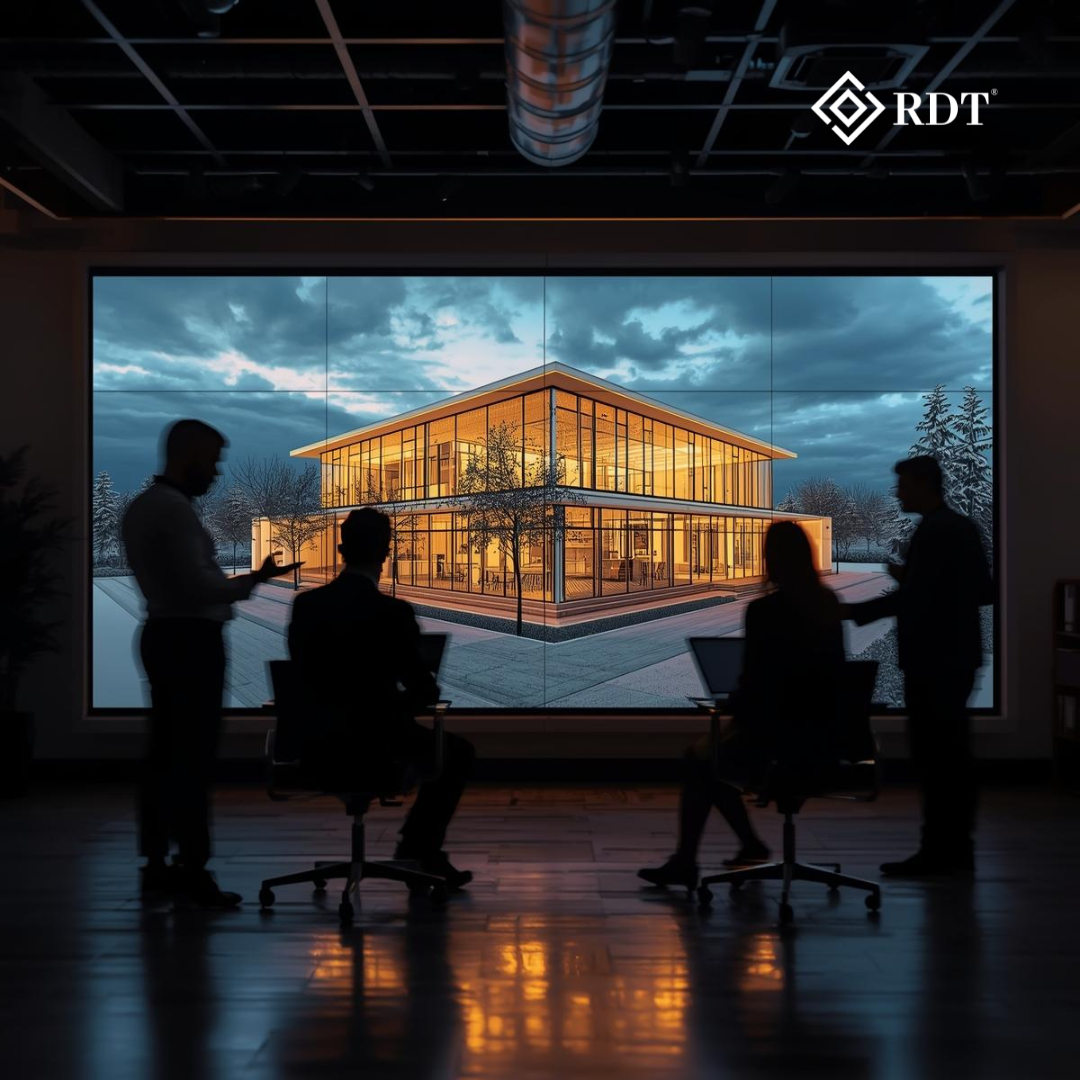
BIM driven visualization accelerates this process. Design teams can present photorealistic renderings, walkthroughs and coordinated models to clients and consultants early in the design phase. Stakeholders gain a clear understanding of the final outcome without waiting for physical samples.
Because digital models are easily shared across locations, global teams can collaborate in real time. Adjustments can be discussed and implemented immediately. This reduces approval cycles and keeps projects moving forward.
When speed and clarity improve simultaneously, project momentum strengthens.
Enhancing Accuracy and Coordination
Physical mockups often focus on aesthetic validation. They show how materials look and how spaces feel. However, they may not fully represent the complex coordination between architectural and engineering systems.
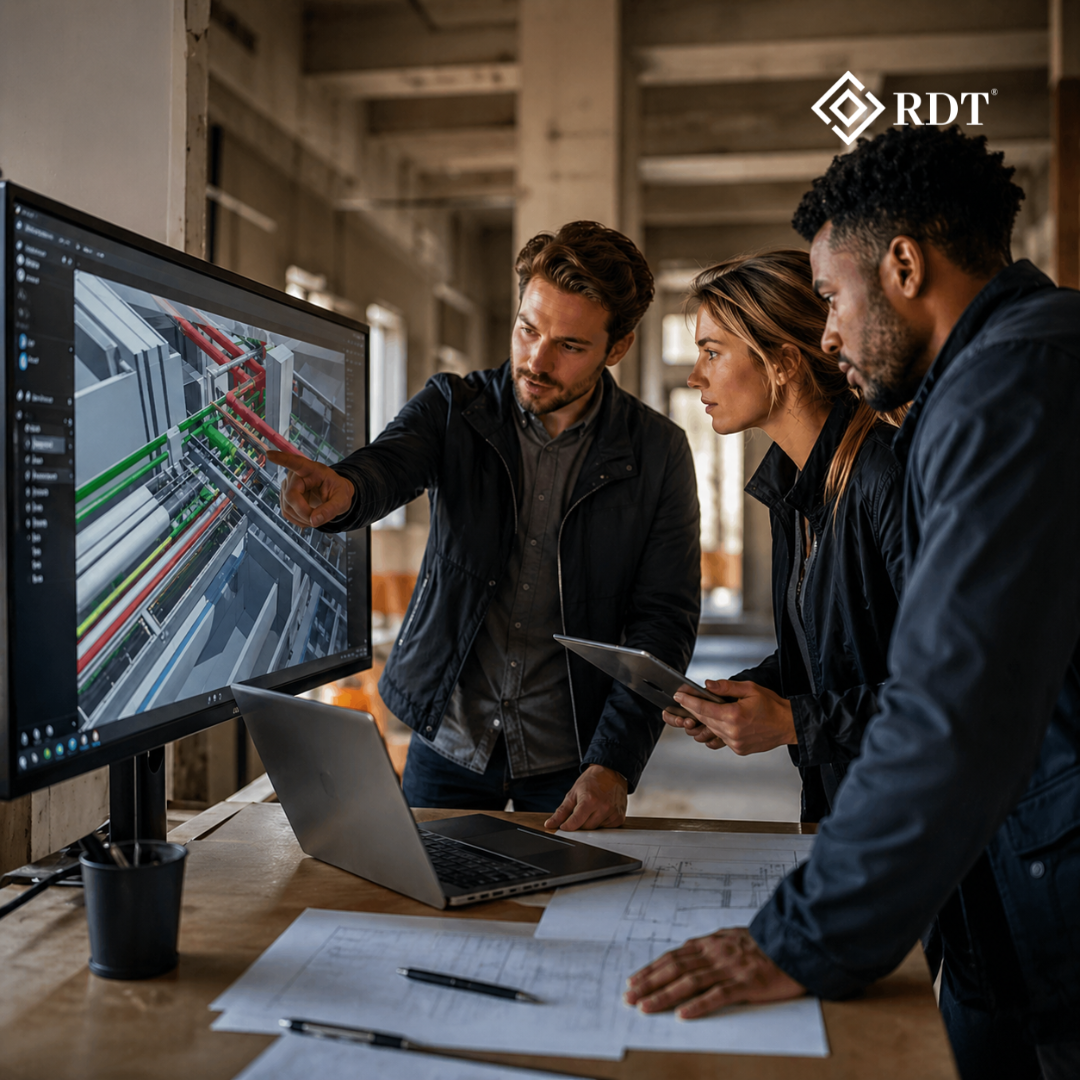
BIM driven visualization is rooted in coordinated data. Architectural layouts, structural systems and MEP components coexist within the same digital environment. Clash detection tools identify conflicts before construction begins.
This integrated approach ensures that visual representations align with technical realities. When a client reviews a digital model, they are not just seeing a surface level depiction. They are viewing a coordinated system that reflects accurate dimensions and service routing.
Accuracy at this stage reduces the likelihood of surprises during construction. It strengthens accountability and reinforces trust between stakeholders.
Supporting Sustainable Design Practices
Sustainability has become a central focus in modern architecture and construction. Physical mockups often require materials that are later discarded, contributing to waste.
Digital visualization supports environmentally responsible practices by minimizing material consumption during the review phase. Building Energy Modeling can also be integrated with BIM to evaluate energy performance, daylight access and thermal efficiency.
By simulating environmental behavior within the digital model, teams can refine sustainable strategies before construction. This reduces trial and error on site and aligns projects with regulatory standards.
Replacing physical mockups with BIM visualization therefore supports both economic and environmental goals.
Improving Client Experience and Engagement
Clients today expect transparency and clarity. They want to understand how their investment will perform and appear long before completion. Traditional drawings may be difficult for non technical stakeholders to interpret. Physical mockups provide clarity but are limited in scope.
BIM driven visualization bridges this gap. Immersive renderings and walkthroughs allow clients to experience spaces virtually. They can explore interiors, examine facade details and understand spatial flow.
Because digital models are flexible, clients can request changes and see immediate results. This interactive process strengthens engagement and builds confidence in the final outcome.
When clients feel informed and involved, relationships become stronger and decisions become more decisive.
Streamlining Documentation and Construction Handover
Physical mockups do not inherently improve documentation quality. They serve as reference points but remain separate from the drawing and specification process.
In contrast, BIM driven visualization is integrated with documentation. Changes made within the model automatically update drawings, schedules and material quantities. This ensures consistency across all project deliverables.
As built models provide valuable information for facility management after project completion. They contain data about installed systems, equipment specifications and maintenance requirements.
This continuity from design to operation enhances lifecycle efficiency. It ensures that visualization is not just a presentation tool but a foundational component of project delivery.
Adapting to Global Collaboration
Architecture and construction projects increasingly involve international teams. Consultants may be located in different countries, working across time zones. Physical mockups cannot easily accommodate this level of distributed collaboration.
Digital models, however, can be shared through cloud based platforms. Stakeholders can access updated information remotely, review changes and provide feedback without geographic limitations.
This adaptability supports modern project management practices and ensures that collaboration remains seamless regardless of location.
A Strategic Shift for Competitive Advantage
Firms that continue to rely solely on physical mockups may find themselves at a disadvantage in a rapidly evolving industry. Clients seek efficiency, transparency and innovation. BIM driven visualization delivers these qualities while reducing cost and environmental impact.
The shift from physical prototypes to intelligent digital models represents more than a technological upgrade. It reflects a strategic transformation in how architecture and construction projects are conceptualized and executed.
By embracing BIM driven visualization, firms position themselves as forward thinking partners capable of delivering precision and value.
Conclusion
Physical mockups once symbolized assurance in architecture and construction. They provided tangible validation in an era when digital tools were limited. Today, however, the industry demands agility, coordination and data driven accuracy.
BIM driven visualization fulfills these demands. It enables immersive exploration, rapid iteration, cost optimization and enhanced collaboration. It reduces material waste, accelerates approvals and strengthens documentation integrity.
As projects grow in scale and complexity, digital visualization is no longer an optional enhancement. It is becoming the standard for responsible and efficient project delivery.
At RDT Technology, we combine advanced BIM workflows with high quality visualization to help AEC enterprises transition from traditional mockups to intelligent digital solutions. Our expertise in Building Information Modeling, BIM MEP, Steel Detailing, Documentation, Visualization and Building Energy Modeling empowers clients to optimize costs, improve accuracy and accelerate project timelines.
Take advantage of RDT Technology’s comprehensive BIM and visualization services to elevate your next architecture and construction project with precision, clarity and confidence.