In Architecture, Engineering and Construction projects, responsibility is not a verbal agreement. It is recorded, structured, approved and preserved through documentation. Every successful building you see standing today is supported by thousands of coordinated drawings, models, specifications, schedules and reports that define who did what, when it was done and how it aligns with the overall design intent.
In a sector where multiple consultants, contractors, vendors and stakeholders collaborate across timelines and geographies, documentation becomes the backbone of accountability. Without it, even the most innovative design can fall apart during execution. With it, projects move forward with clarity, traceability and measurable performance.
This is why documentation is not simply paperwork. It is the foundation of responsibility in AEC projects.
The Expanding Complexity of Modern AEC Projects
Modern construction projects are far more complex than those delivered even a decade ago. Buildings are smarter, sustainability standards are stricter and coordination requirements are higher than ever. Residential towers, commercial campuses, hospitality projects and institutional complexes now involve interdisciplinary collaboration between architects, structural engineers, MEP consultants, energy modelers, contractors and facility managers.
Each discipline produces critical information that must align perfectly with others. A single mismatch between architectural layouts and MEP routing can cause delays, rework and cost overruns. In such an environment, documentation becomes the common language that binds every team together.
Clear documentation ensures that each consultant understands their scope. It defines deliverables, timelines, design intent and technical specifications. When information flows accurately across all parties, risk reduces and efficiency increases.
Documentation as a Legal and Contractual Safeguard
Responsibility in AEC projects extends beyond coordination. It also includes legal and contractual accountability. Contracts, design approvals, revision records, shop drawings and change orders create a documented trail of decisions.
In case of disputes, claims or compliance audits, documentation becomes the primary reference point. It clarifies who approved a change, when it was implemented and whether it aligned with contractual obligations.
Well structured documentation protects architects from liability arising from unauthorized modifications. It safeguards contractors from scope creep. It ensures that owners receive exactly what was agreed upon.
Without precise records, responsibility becomes ambiguous. With accurate documentation, accountability is transparent and defensible.
The Role of BIM in Strengthening Documentation
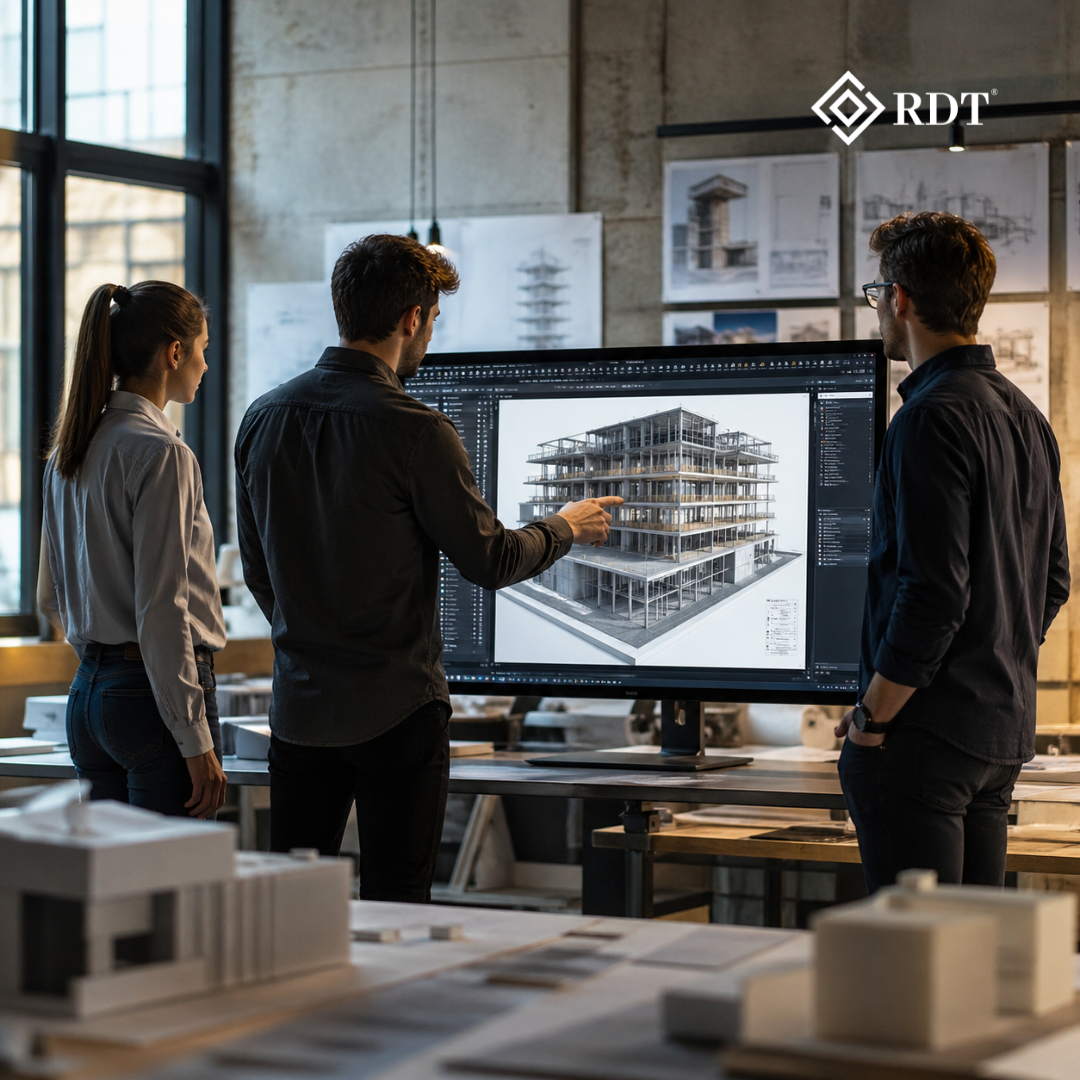
Building Information Modeling has transformed how documentation is created and managed. Unlike traditional drafting workflows that relied solely on two dimensional drawings, BIM integrates design, data and coordination into a centralized digital environment.
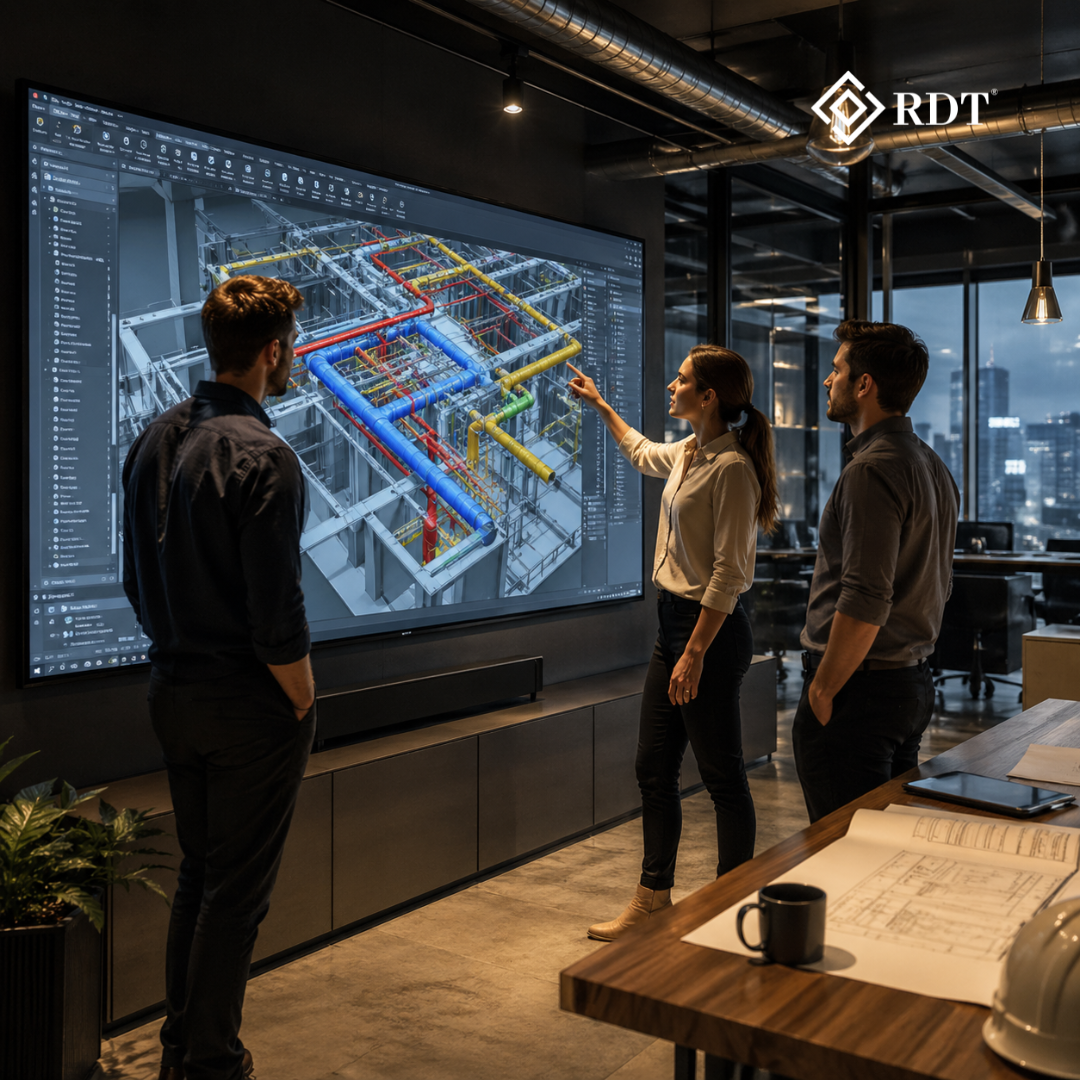
Through BIM, architectural, structural and MEP components are modeled in an intelligent 3D space. Every element contains embedded information such as dimensions, materials, performance parameters and installation data. This data driven approach ensures that documentation is consistent across drawings, schedules and reports.
When a change is made in the model, associated views and documentation update accordingly. This reduces manual errors and enhances reliability. It also ensures that responsibility for revisions is traceable through model history and version control.
BIM strengthens documentation by turning it into a living, coordinated system rather than static files stored in isolation.
Defining Scope and Ownership Through Documentation
One of the most common reasons for project delays is unclear scope allocation. When responsibilities overlap or remain undefined, coordination conflicts emerge.
Comprehensive documentation clearly assigns ownership. Architectural drawings define spatial intent. Structural documentation outlines load bearing systems. MEP drawings establish service routing and equipment placement. Energy modeling reports validate performance metrics.
When these documents are prepared with clarity and consistency, each team understands its role within the larger framework. Responsibilities are not assumed. They are documented and acknowledged.
This clarity prevents duplication of work and reduces friction between consultants. It also enables smoother collaboration during construction and commissioning phases.
Reducing Risk Through Accurate Records
Risk mitigation in AEC projects depends heavily on information accuracy. Errors in drawings can lead to rework, material waste and safety hazards. Incomplete documentation can cause misinterpretation on site.
Detailed documentation minimizes these risks by ensuring that every instruction is explicit. Dimensioned layouts, coordinated service drawings and clear specifications reduce ambiguity.
Furthermore, revision management plays a critical role. Each update must be logged, tracked and communicated. Without revision history, outdated drawings may circulate on site, resulting in costly mistakes.
Structured documentation systems create transparency. They allow project managers to track changes and ensure that all teams work with the latest approved information.
Enhancing Collaboration Through Coordinated Documentation
Collaboration in AEC projects extends across disciplines and sometimes across continents. Time zones, cultural differences and varied technical standards can complicate communication.
Documentation acts as a neutral, standardized platform for collaboration. When drawing standards, naming conventions and file structures are unified, teams can navigate information efficiently.
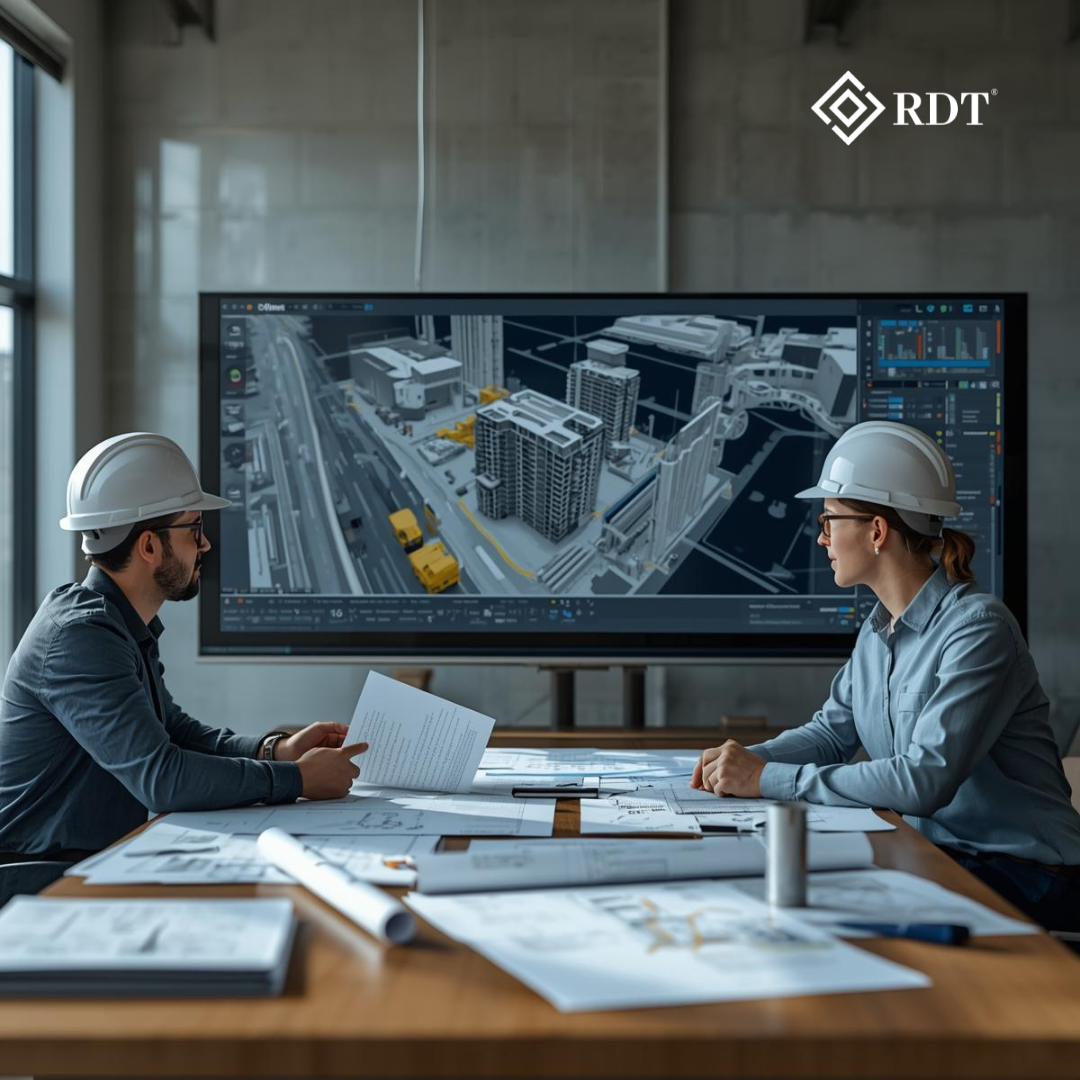
Coordinated BIM workflows further enhance collaboration by enabling clash detection and model reviews before construction begins. Identifying conflicts early reduces site level disputes and reinforces shared responsibility among consultants.
When documentation is aligned and accessible, collaboration becomes proactive rather than reactive.
Improving Cost Control and Budget Transparency
Cost overruns are among the most significant challenges in construction. Poor documentation is often a hidden contributor to budget escalation.
When drawings lack detail, contractors may submit frequent requests for information. Ambiguities lead to variations and claims. Unclear specifications result in procurement mismatches.
Comprehensive documentation provides cost clarity from the outset. Accurate quantity take offs, material schedules and coordinated details enable reliable estimation. Changes are evaluated against documented baselines, ensuring financial transparency.
By defining responsibility through documentation, project teams can trace cost implications back to specific decisions. This supports informed financial management and reduces unexpected expenses.
Supporting Asset Management and Lifecycle Efficiency
Responsibility does not end at project completion. Buildings require maintenance, upgrades and operational management throughout their lifecycle.
As built documentation and BIM models become valuable assets for facility management. They contain detailed information about installed systems, equipment specifications and maintenance schedules.
Accurate documentation ensures that facility managers understand system configurations and service requirements. It supports preventive maintenance planning and reduces downtime.
When documentation is incomplete or inconsistent, future modifications become difficult and costly. Proper records empower owners to manage assets efficiently long after construction concludes.
Documentation in Energy and Sustainability Goals
Sustainability has become a central priority in AEC projects. Meeting energy performance targets requires precise modeling and validation.
Building Energy Modeling documentation provides data on energy consumption, daylight performance and thermal behavior. These reports guide design decisions and demonstrate compliance with regulatory standards.
Clear documentation ensures that sustainability strategies are implemented as intended. It validates that design intent translates into built performance.
Responsibility for environmental impact is shared across disciplines. Documentation ensures that this responsibility is measurable and verifiable.
Digital Transformation and the Future of Documentation
The AEC industry is undergoing rapid digital transformation. Cloud platforms, AI driven tools and automation are reshaping documentation workflows.
Advanced software solutions streamline drawing production, automate repetitive tasks and enhance coordination accuracy. Intelligent systems reduce human error and accelerate turnaround times.
Digital documentation systems also enable real time collaboration and remote access. Teams can review updates instantly, reducing delays caused by manual distribution.
As technology evolves, documentation will continue to define responsibility with even greater precision and efficiency.
Why Documentation is a Strategic Investment
Many organizations underestimate documentation, viewing it as an administrative necessity rather than a strategic asset. However, investing in professional documentation services yields measurable returns.
Accurate documentation reduces rework, enhances coordination, supports compliance and strengthens client trust. It protects firms from disputes and reinforces their reputation for reliability.
In competitive markets, firms that prioritize documentation demonstrate professionalism and accountability. They deliver projects with confidence because every detail is recorded and verified.
Responsibility in AEC projects is not established through assumptions. It is built through documented evidence.
The Human Element Behind Documentation
While technology enhances accuracy, documentation ultimately reflects the expertise of architects, engineers and draftsmen who prepare it. Their understanding of design intent, technical standards and construction methodology ensures that documentation is practical and actionable.
Experienced professionals anticipate coordination challenges and address them within drawings and models. They recognize that every line, note and annotation carries meaning.
Documentation is therefore both technical and strategic. It translates vision into buildable reality while preserving accountability.
Conclusion
In Architecture, Engineering and Construction projects, documentation is the structure behind the structure. It defines scope, clarifies ownership, reduces risk and safeguards investments. It supports collaboration, strengthens cost control and ensures lifecycle efficiency.
With the integration of BIM and advanced coordination workflows, documentation has evolved into a dynamic and intelligent system that records every decision and update. It transforms responsibility from a verbal understanding into a traceable, measurable framework.
Projects succeed not only because of innovative designs or advanced materials, but because every detail is documented with precision and integrity. Responsibility lives within those records.
At RDT Technology, we redefine how documentation and BIM coordination empower AEC enterprises worldwide. Our expertise in Building Information Modeling, BIM MEP, Steel Detailing, Documentation, Visualization and Building Energy Modeling ensures accuracy, accountability and seamless project delivery.
Take advantage of RDT Technology’s world class BIM and documentation services engineered to deliver clarity, efficiency and cost optimized results for your next complex development.