Introduction
The construction and infrastructure sector is undergoing a profound shift. Building Information Modeling was once seen as a tool for coordinating drawings and detecting clashes in individual projects. Today, BIM is evolving far beyond buildings and construction sites. It is becoming the foundation for digital twins of entire cities.
A digital twin is a living virtual replica of a physical asset that continuously reflects real world data. When applied to cities, it creates a dynamic model that mirrors urban infrastructure, buildings, transportation systems, utilities, and even human activity patterns. BIM models are now forming the backbone of these digital city replicas, changing how cities are planned, built, and managed.
This blog explores how BIM models are transforming into digital twins of real cities, why this matters, and what it means for developers, governments, and technology driven AEC companies.
From Building Models to City Models
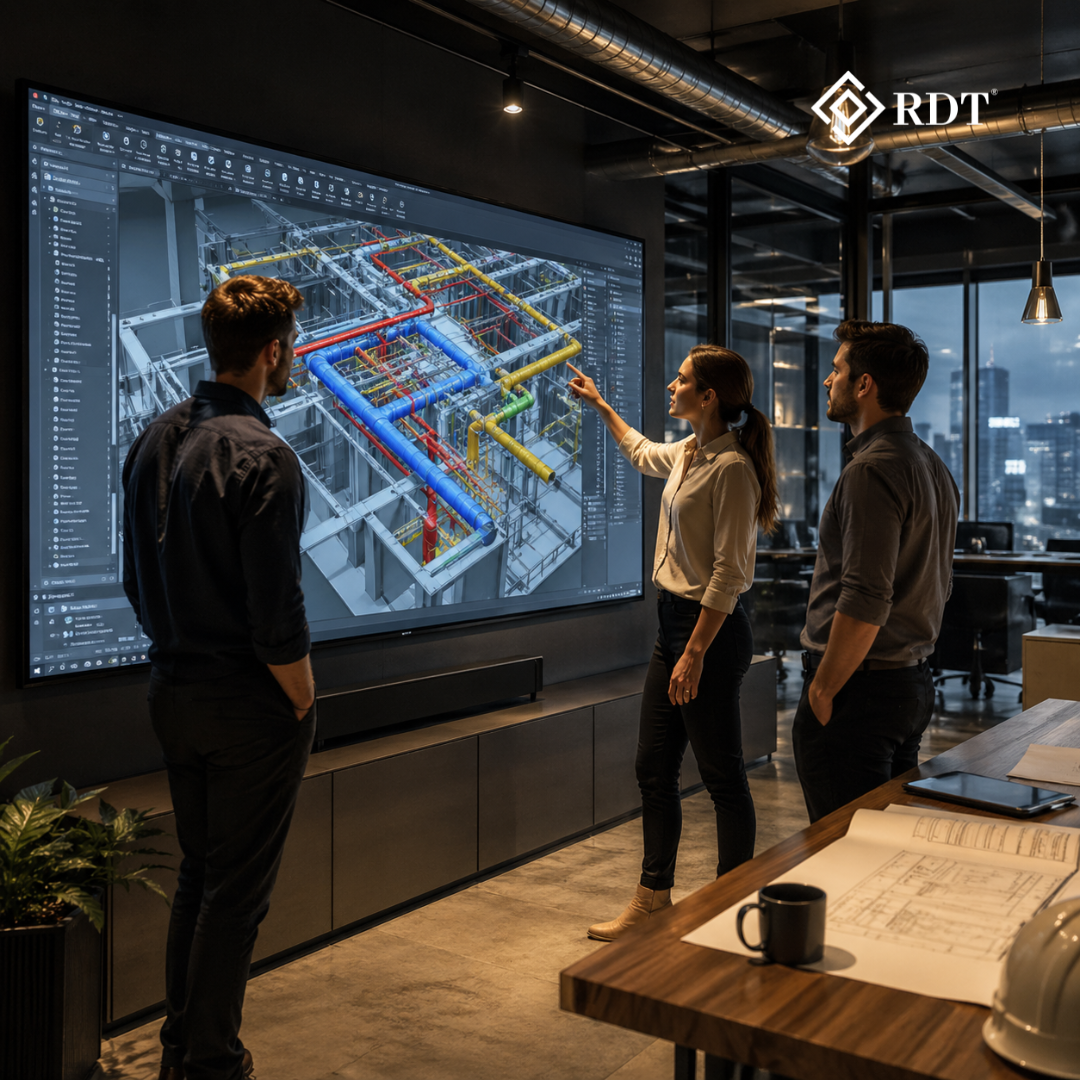
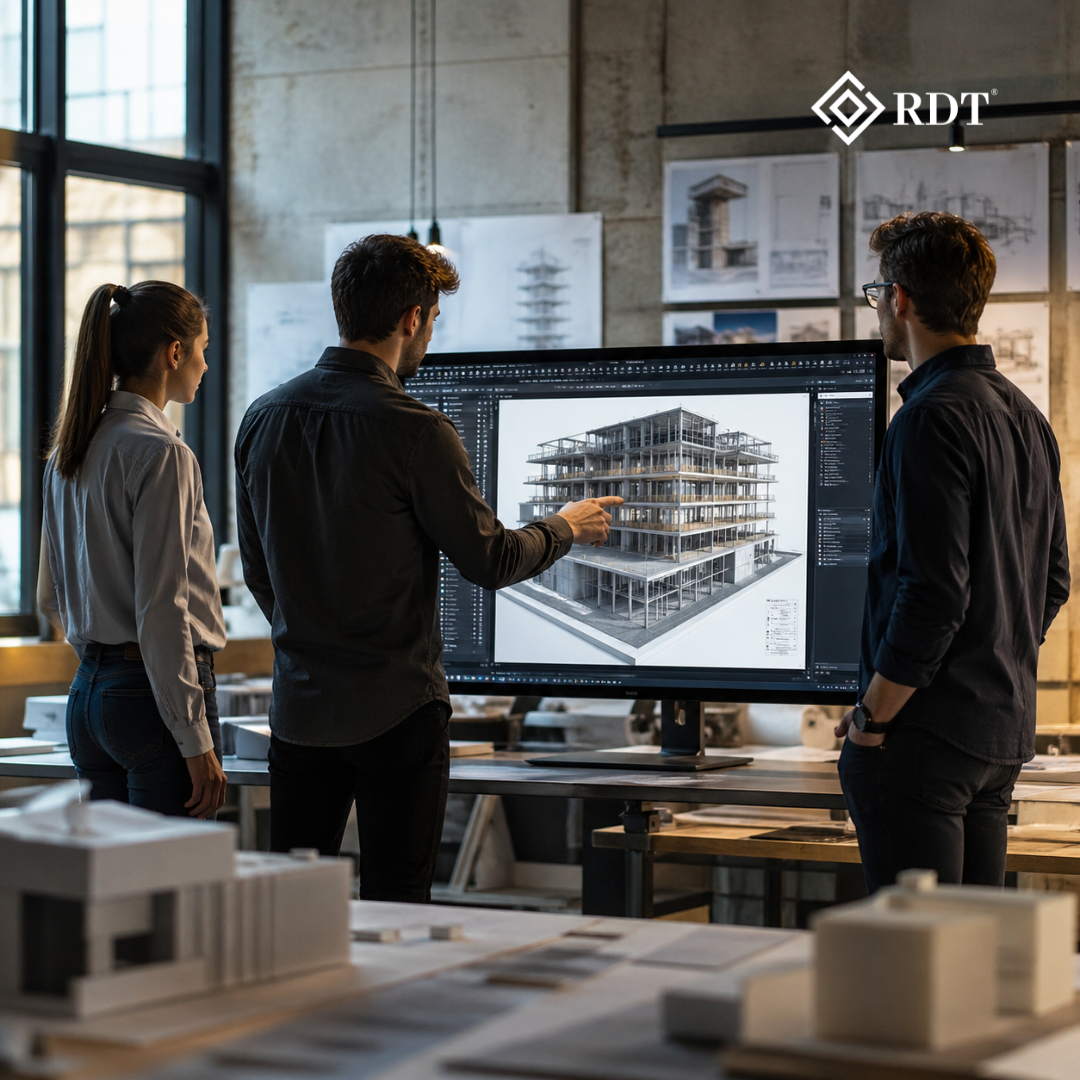
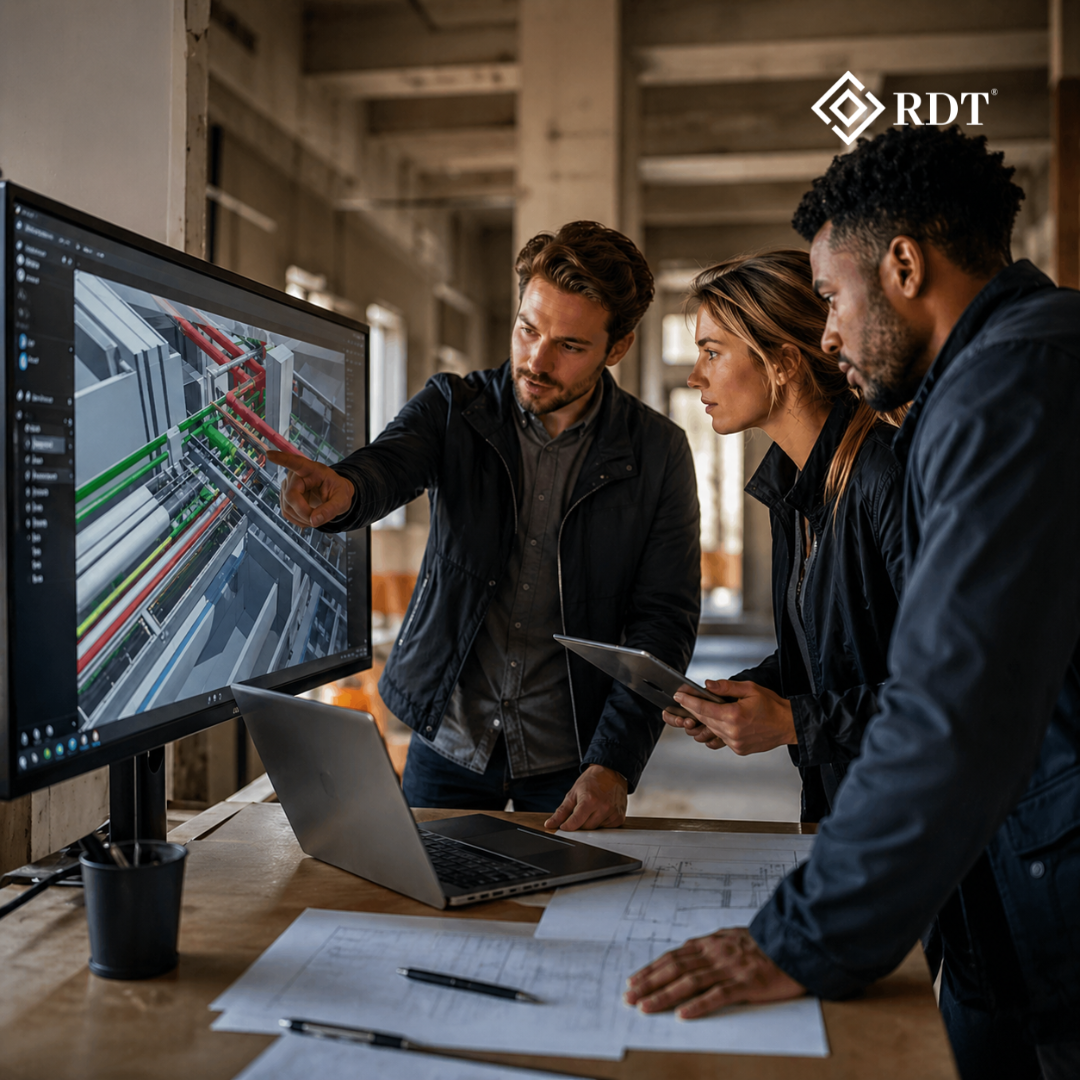
BIM started as a tool to model individual buildings with detailed geometry and data. Architects and engineers used it to coordinate design disciplines, reduce errors, and improve project delivery. Over time, BIM expanded to include infrastructure, roads, bridges, tunnels, and utilities.
As more projects are modeled digitally, cities are accumulating vast digital datasets of their built environment. When these datasets are integrated into a unified platform, they form a city scale model that can simulate urban systems. This is the foundation of a city digital twin.
The shift from isolated project models to interconnected urban models is one of the most significant transformations in the AEC industry.
What Is a City Digital Twin
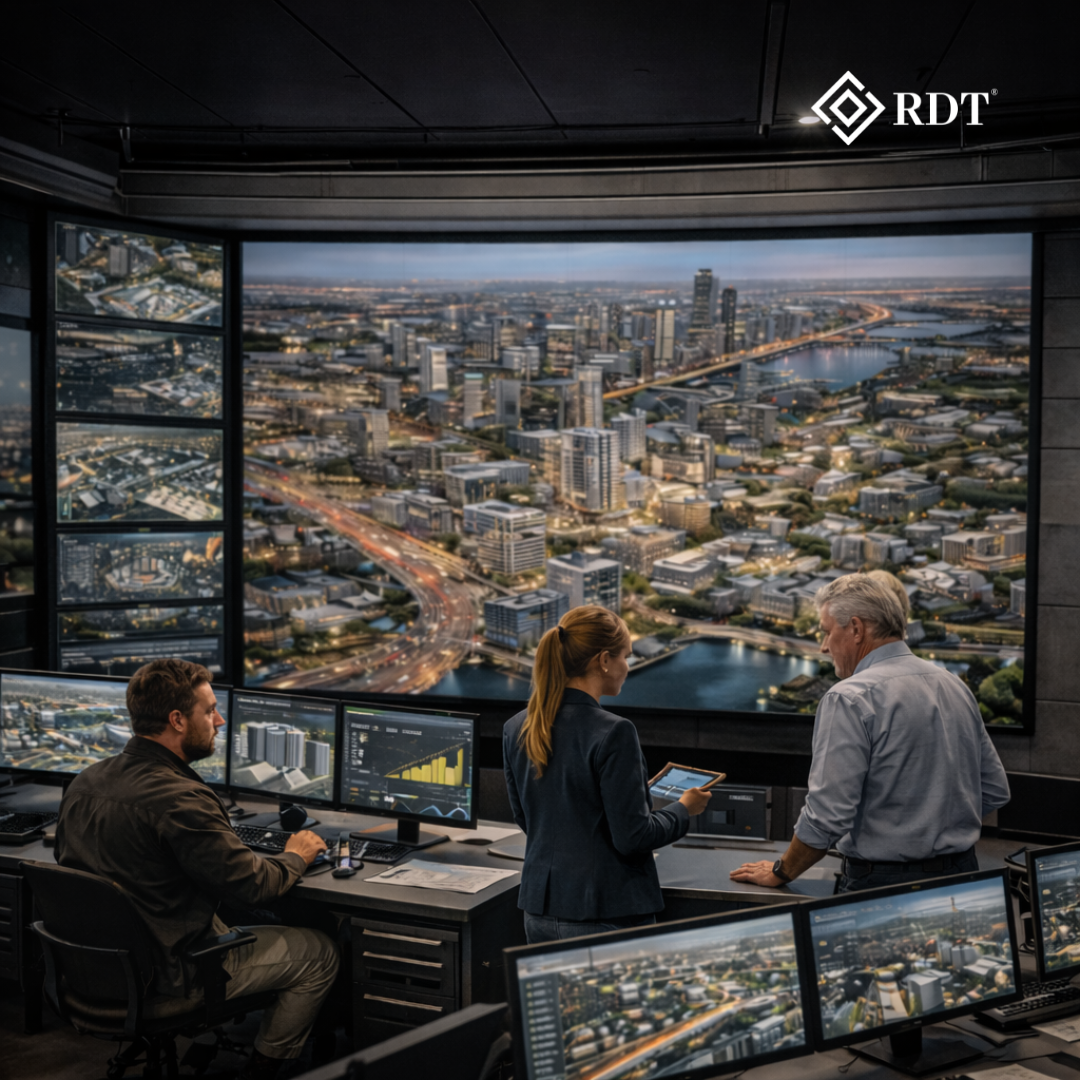
A city digital twin is a real time virtual representation of an urban environment. It integrates BIM models, geographic information systems, Internet of Things sensors, satellite data, and operational systems. The result is a dynamic platform that reflects how a city functions in real life.
City digital twins can simulate traffic flow, energy consumption, water distribution, air quality, emergency response, and infrastructure performance. They allow planners and authorities to test scenarios before implementing them in the physical world.
BIM models provide the detailed building and infrastructure data that make these simulations accurate and reliable.
Why BIM Is the Backbone of Digital Cities
BIM is uniquely suited to support digital twins because it combines geometry with structured data. Each element in a BIM model contains information about materials, performance, lifecycle, and relationships with other elements.
When scaled to a city level, this data becomes invaluable. Urban planners can analyze building energy performance, infrastructure capacity, and spatial relationships. Developers can visualize how new projects impact the surrounding environment. Governments can monitor assets and plan maintenance.
Without BIM, digital twins would be static 3D maps. With BIM, they become intelligent, data rich systems.
Smart Cities and Data Driven Urban Planning
The concept of smart cities relies on data driven decision making. City digital twins enable authorities to move from reactive management to proactive planning.
For example, planners can simulate population growth and its impact on transportation, housing, and utilities. They can test new zoning policies, infrastructure investments, and sustainability strategies in a virtual environment before committing resources.
This reduces risk, improves efficiency, and ensures that urban development aligns with long term goals.
Infrastructure Management and Asset Lifecycle
Cities manage thousands of assets including roads, bridges, pipelines, power grids, and public buildings. Maintaining these assets is complex and costly.
Digital twins powered by BIM provide a comprehensive view of asset condition, maintenance history, and performance metrics. Sensors feed real time data into the model, enabling predictive maintenance and reducing unexpected failures.
This approach extends asset life, reduces downtime, and optimizes maintenance budgets.
Enhancing Sustainability and Climate Resilience
Sustainability is a critical challenge for modern cities. Digital twins allow cities to analyze energy consumption, carbon emissions, and environmental impacts at a granular level.
Planners can simulate green building strategies, renewable energy integration, and climate adaptation measures. Flood modeling, heat island analysis, and air quality simulations help cities prepare for climate risks.
BIM based digital twins provide the data needed to design resilient and sustainable urban environments.
Urban Mobility and Transportation Simulation
Transportation is one of the most complex urban systems. Digital twins can integrate traffic data, public transit networks, pedestrian flows, and autonomous vehicle simulations.
Using BIM models of roads, stations, and infrastructure, cities can optimize traffic management, plan new transit routes, and evaluate the impact of infrastructure projects. This leads to reduced congestion, improved safety, and better mobility for citizens.
Real Estate Development and Investment Insights
Developers and investors benefit significantly from city digital twins. They can visualize market dynamics, infrastructure accessibility, and urban growth patterns. BIM based city models provide insights into site selection, feasibility, and long term value.
Developers can simulate how a new project will interact with surrounding buildings, infrastructure, and environmental factors. This reduces uncertainty and improves investment decisions.
Public Engagement and Visualization
City digital twins also transform how governments communicate with citizens. Instead of static plans and reports, authorities can present interactive 3D models of proposed developments.
Citizens can explore future scenarios, understand urban changes, and provide informed feedback. This improves transparency, trust, and community engagement.
BIM driven visualization makes complex urban data accessible and understandable.
Integration with Emerging Technologies
BIM based city digital twins are increasingly integrated with artificial intelligence, machine learning, and advanced analytics. AI can analyze patterns, predict outcomes, and optimize urban systems.
Augmented reality and virtual reality allow planners, engineers, and citizens to experience the digital city in immersive environments. Blockchain can secure data transactions and asset records. Robotics and automation can connect digital models with physical construction and maintenance activities.
This convergence of technologies is redefining how cities are designed and operated.
Challenges in Creating City Digital Twins
Despite the potential, creating city scale digital twins is not without challenges. Data integration is complex, as different agencies and stakeholders use different systems and standards. Data privacy and security concerns must be addressed. High computational requirements and infrastructure costs can be barriers.
There is also a need for governance frameworks, standards, and skilled professionals. Collaboration between governments, private sector, and technology providers is essential.
However, these challenges are being addressed as digital transformation accelerates across the AEC industry.
Global Examples of BIM Driven City Twins
Cities around the world are adopting digital twin initiatives. Singapore has developed a comprehensive virtual city model for planning and resilience. Helsinki uses a digital twin for energy optimization and urban planning. Many Middle Eastern and Asian cities are integrating BIM and GIS to create smart city platforms.
These examples demonstrate that digital twins are not a futuristic concept. They are already shaping urban development today.
The Role of AEC Companies in Digital Cities
AEC companies play a critical role in building digital twins. Architects, engineers, and contractors generate BIM models for projects. When these models are standardized and shared, they become building blocks for city scale twins.
Technology driven firms are expanding their services beyond project delivery to digital asset management, simulation, and analytics. This creates new revenue streams and strategic partnerships with governments and developers.
Companies that invest in digital capabilities today will be leaders in the smart city ecosystem tomorrow.
The Future of Urban Development
As urban populations grow, cities must become more efficient, resilient, and sustainable. BIM based digital twins provide a powerful platform for managing complexity.
Future cities will be designed and operated in a virtual environment before being built in the physical world. Real time data will continuously update digital models, enabling adaptive and responsive urban management.
This shift will transform urban planning from static master plans to dynamic, data driven systems.
Conclusion
BIM models are no longer limited to individual buildings or projects. They are evolving into digital twins of real cities, providing unprecedented insights and control over urban environments. From infrastructure management and sustainability to mobility and public engagement, digital twins are redefining how cities are planned, built, and operated.
The transition to city digital twins is not just a technological upgrade. It is a paradigm shift in how humanity designs and manages its urban future. AEC companies, governments, and developers that embrace this transformation will shape the cities of tomorrow.
If you want to be part of the future of smart cities and digital urban development, now is the time to invest in BIM driven digital twin solutions. RDT Technology delivers advanced BIM modeling, visualization, and digital engineering services that help organizations build intelligent, data driven environments. Partner with RDT Technology to transform your projects and contribute to the creation of next generation digital cities.