Introduction
Every creative project starts with an idea. Sometimes that idea is a quick sketch on a notepad. Sometimes it is a clear mental image that only the designer can see. An architect may imagine a building that transforms a city skyline. An interior designer may picture a space that feels warm and welcoming. A product designer might visualize an object that improves everyday life.
The difficulty is that these ideas live inside the designer’s mind. Clients, builders, and investors cannot see that mental picture. Words and technical drawings can only explain so much. This is where renderings become essential. They convert imagination into visuals that people can understand instantly. Renderings act as a bridge between what exists in the mind and what will exist in the real world.
Why Visuals Are Easier to Understand Than Technical Drawings
Technical drawings are the backbone of design and construction. They contain precise measurements, symbols, and instructions. Professionals rely on them to build accurately. However, for clients and non technical stakeholders, these drawings can feel abstract and confusing.
A rendering removes that complexity. Instead of interpreting lines and symbols, people see a realistic image. They can understand the scale of a room, the look of materials, and the effect of lighting without needing technical knowledge. The human brain processes images faster than text or diagrams, which makes renderings a powerful communication tool.
Turning Abstract Ideas into Something Real
In the early stages of design, ideas are often incomplete. Designers use sketches, mood boards, and references to explain their vision. These tools are helpful, but they still require imagination from the viewer.
Renderings transform these early concepts into detailed visual representations. A basic concept of a modern office can become a lifelike image showing glass walls, reflections, furniture, and people using the space. An interior concept can be shown with realistic textures, lighting, and decor.
This transformation helps everyone involved understand not just the design, but how the space or product will feel in real life.
Helping Clients Make Confident Decisions
Many clients struggle to visualize a project from drawings alone. This uncertainty can slow down approvals and lead to frequent design changes. Clients may hesitate because they cannot clearly imagine the outcome.
Renderings provide clarity. When clients see a realistic image, they feel more confident about their decisions. They can easily express what they like and what they want to modify. This makes discussions more productive and reduces misunderstandings.
For large scale projects, confidence is critical. When financial investments are high, clients need assurance that the design meets their expectations. Renderings provide that assurance.
Supporting Better Design Choices
Design involves countless decisions. Choosing colors, materials, layouts, lighting, and finishes can be overwhelming. Without visualization, many decisions are based on assumptions.
Renderings allow designers and stakeholders to compare options visually. Different materials, lighting scenarios, and layouts can be tested digitally. Instead of guessing, teams can see the impact of each choice before construction or production begins.
This approach saves time and reduces costly revisions later. It also leads to better design outcomes because decisions are made with a clear visual reference.
Preventing Errors Before They Happen
Misunderstandings between designers and contractors can lead to expensive mistakes. A drawing may be interpreted incorrectly. A material choice may look different in reality than expected.
Renderings help identify potential issues early. Designers can notice proportion problems, awkward lighting, or material clashes before anything is built. Contractors can better understand complex details and avoid misinterpretation.
Fixing problems in a digital model is far cheaper and faster than fixing them on site. Renderings play a preventive role in the design and construction process.
A Powerful Tool for Marketing and Sales
Renderings are not only used during design. They are also essential for marketing. Real estate developers often sell properties before construction is completed. High quality renderings help buyers visualize their future home or workplace.
These visuals are used in brochures, websites, advertisements, and social media campaigns. A well crafted rendering can create an emotional response and attract potential buyers. People can imagine themselves in the space, which increases engagement and speeds up sales.
In product design, renderings allow companies to present concepts before manufacturing. They are useful for investor presentations, crowdfunding campaigns, and early promotional material.
Enhancing Collaboration Across Teams
Large projects involve many professionals such as architects, engineers, interior designers, contractors, and consultants. Each group focuses on different aspects of the project, and communication between them is crucial.
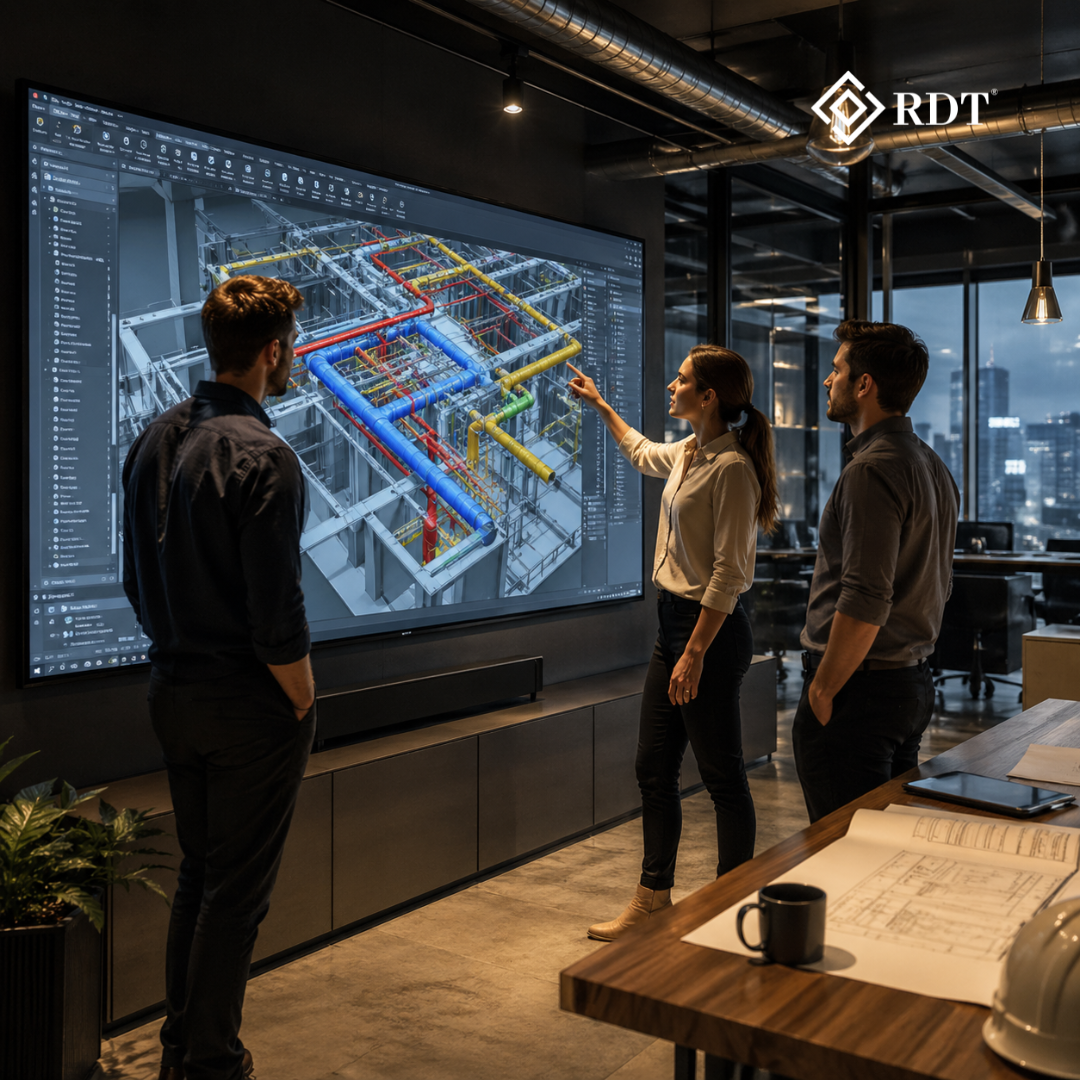
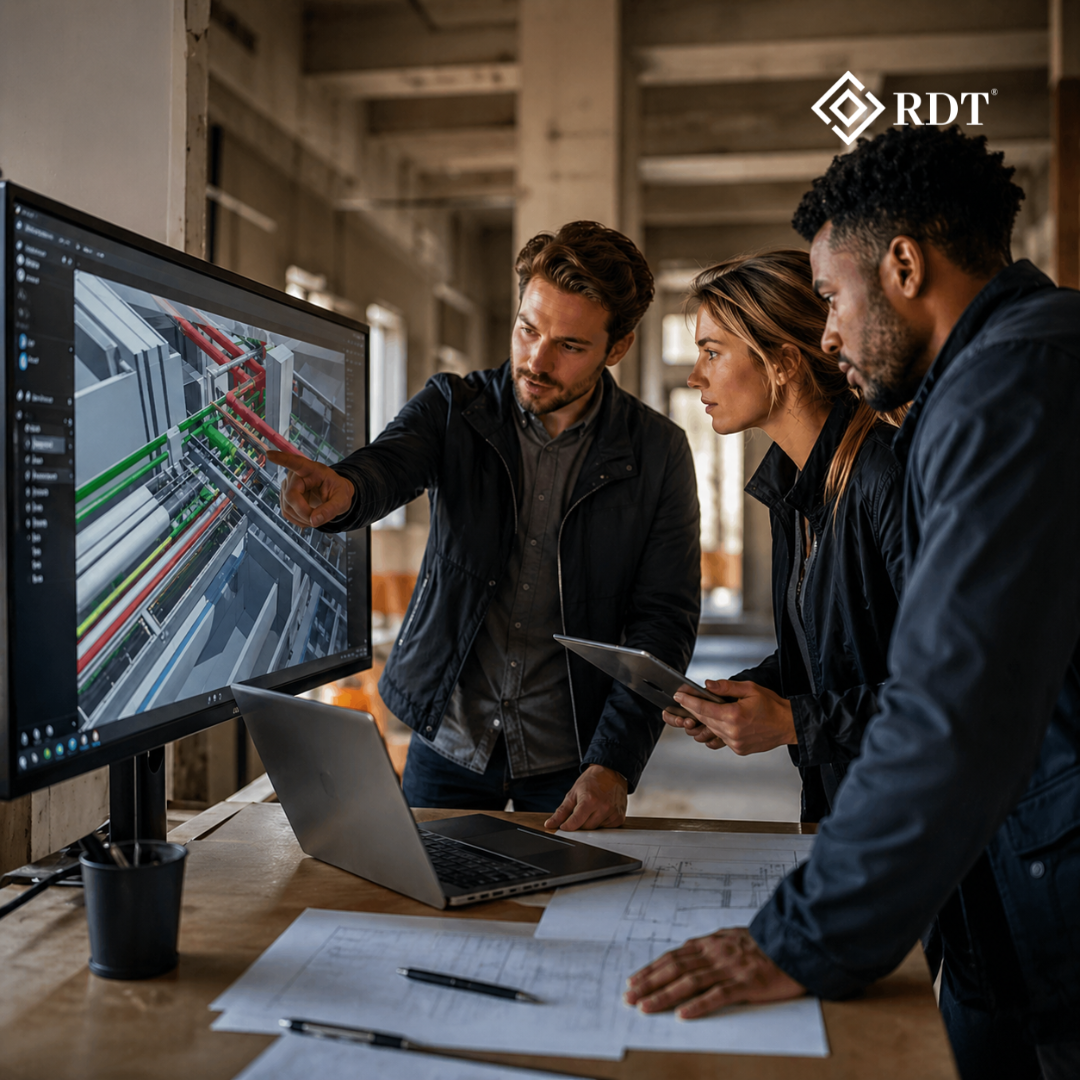
Renderings provide a shared visual reference. Engineers can verify that technical systems align with the design. Contractors can understand complex geometry and finishes. Clients can see how technical decisions influence appearance.
This shared understanding reduces confusion and keeps everyone aligned with the design vision.
Creating an Emotional Connection with Design
Design is not only about function. It is also about emotion. People care about how a space makes them feel. Renderings can convey mood, atmosphere, and character.
Lighting, color palettes, and textures in a rendering can suggest comfort, luxury, calmness, or energy. A hotel lobby can feel welcoming. A corporate office can feel modern and efficient. A home can feel personal and warm.
When stakeholders emotionally connect with a design, they are more likely to support and invest in it. Emotional visualization is one of the strongest advantages of renderings.
How New Technologies Are Changing Visualization
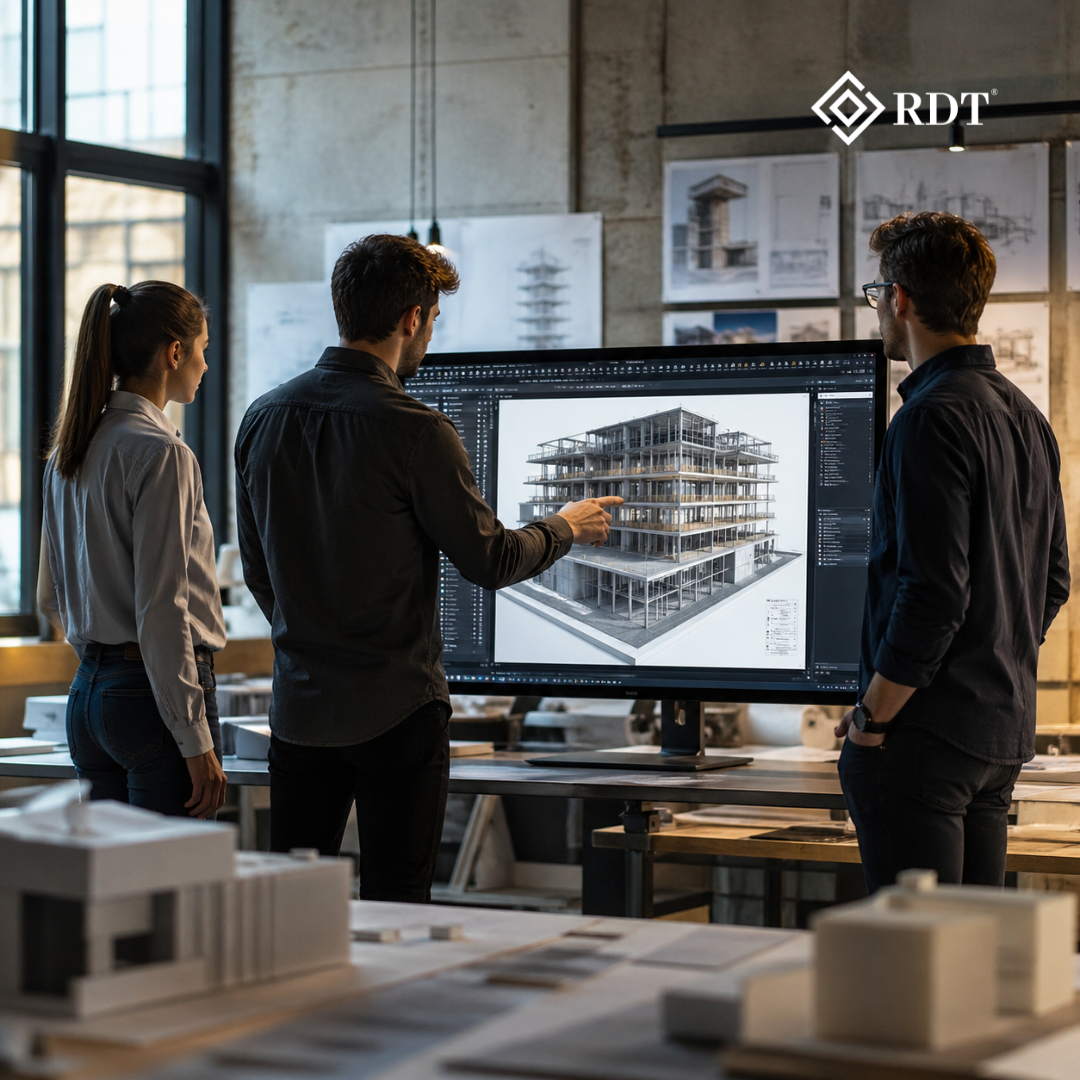
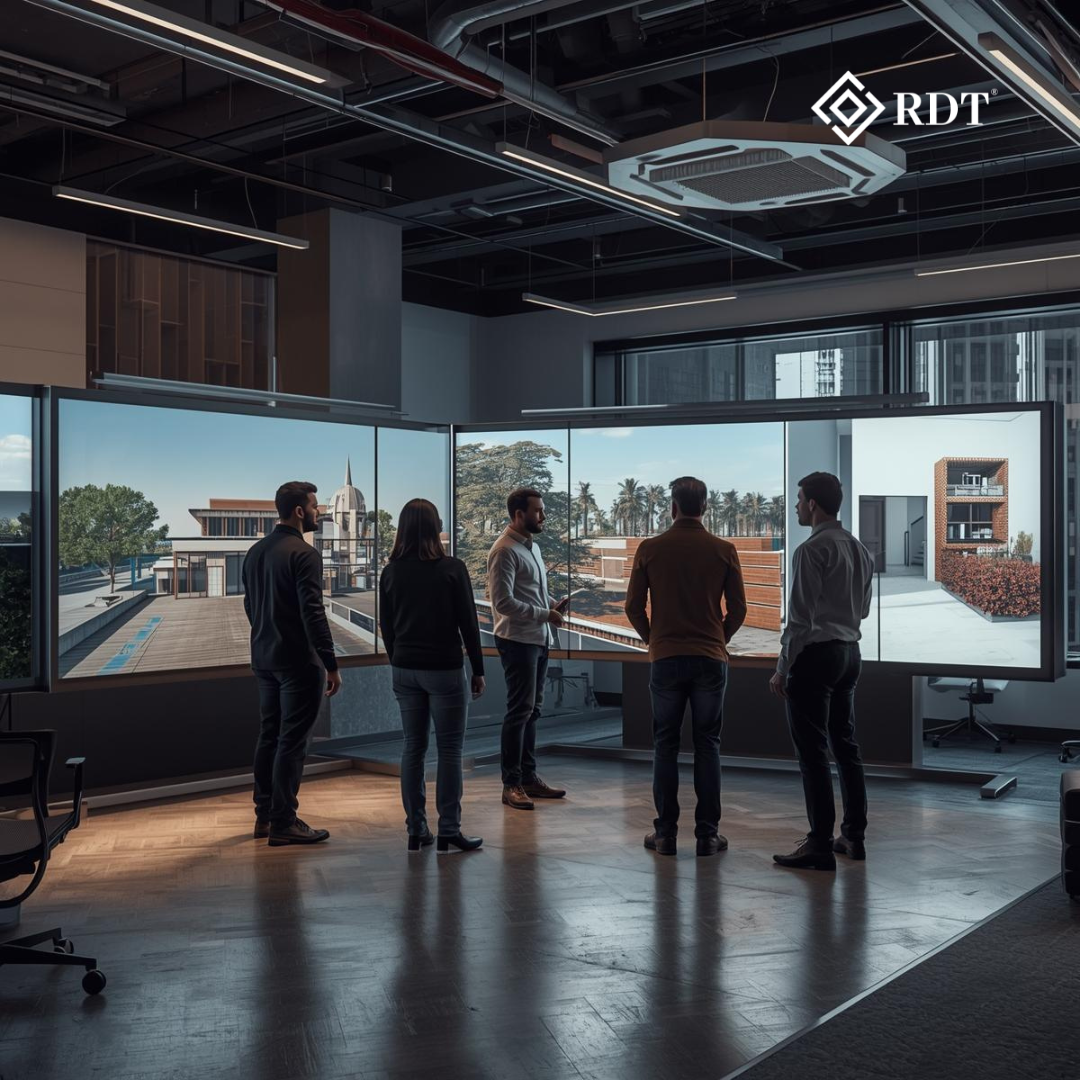
Rendering technology is advancing quickly. Real time rendering engines, virtual reality, and augmented reality are transforming how designs are presented. Clients can walk through a virtual building, explore rooms, and understand scale in an immersive way.
These technologies bring designs closer to reality than ever before. Instead of viewing static images, stakeholders can experience movement, perspective, and interaction. This level of immersion improves understanding and speeds up decision making.
As these tools become more accessible, immersive visualization will become a standard part of design communication.
Renderings in Modern Digital Workflows
Renderings are often integrated with digital models such as Building Information Modeling. This integration links visual representation with technical data, schedules, and performance metrics.
Designers can produce visuals that are not only visually appealing but also technically accurate. This ensures that what is shown in the rendering aligns with what will be built. Integrated workflows improve coordination and reduce discrepancies between design and execution.
Conclusion
Renderings play a crucial role in modern design and construction. They help designers express their ideas clearly, help clients understand and trust the vision, and help teams collaborate effectively. They reduce errors, support smarter decisions, and strengthen marketing efforts.
Most importantly, renderings allow people to see the future before it exists. They transform imagination into something visible and understandable. In today’s design industry, renderings are not just visual aids. They are the connection between concept and reality.
Partner with RDT Technology to bring your concepts to life with high quality renderings that enhance collaboration and turn visionary ideas into stunning real world visuals.