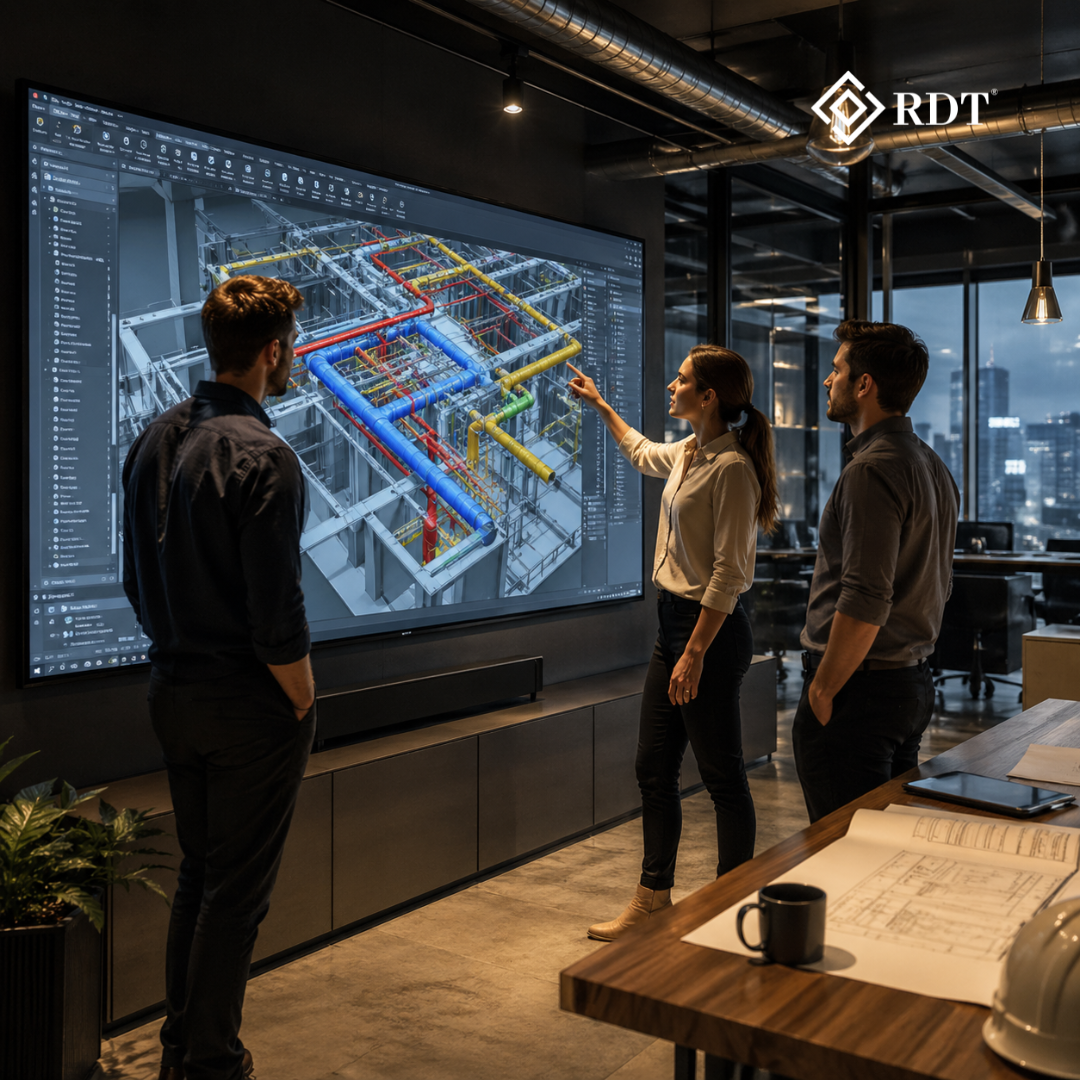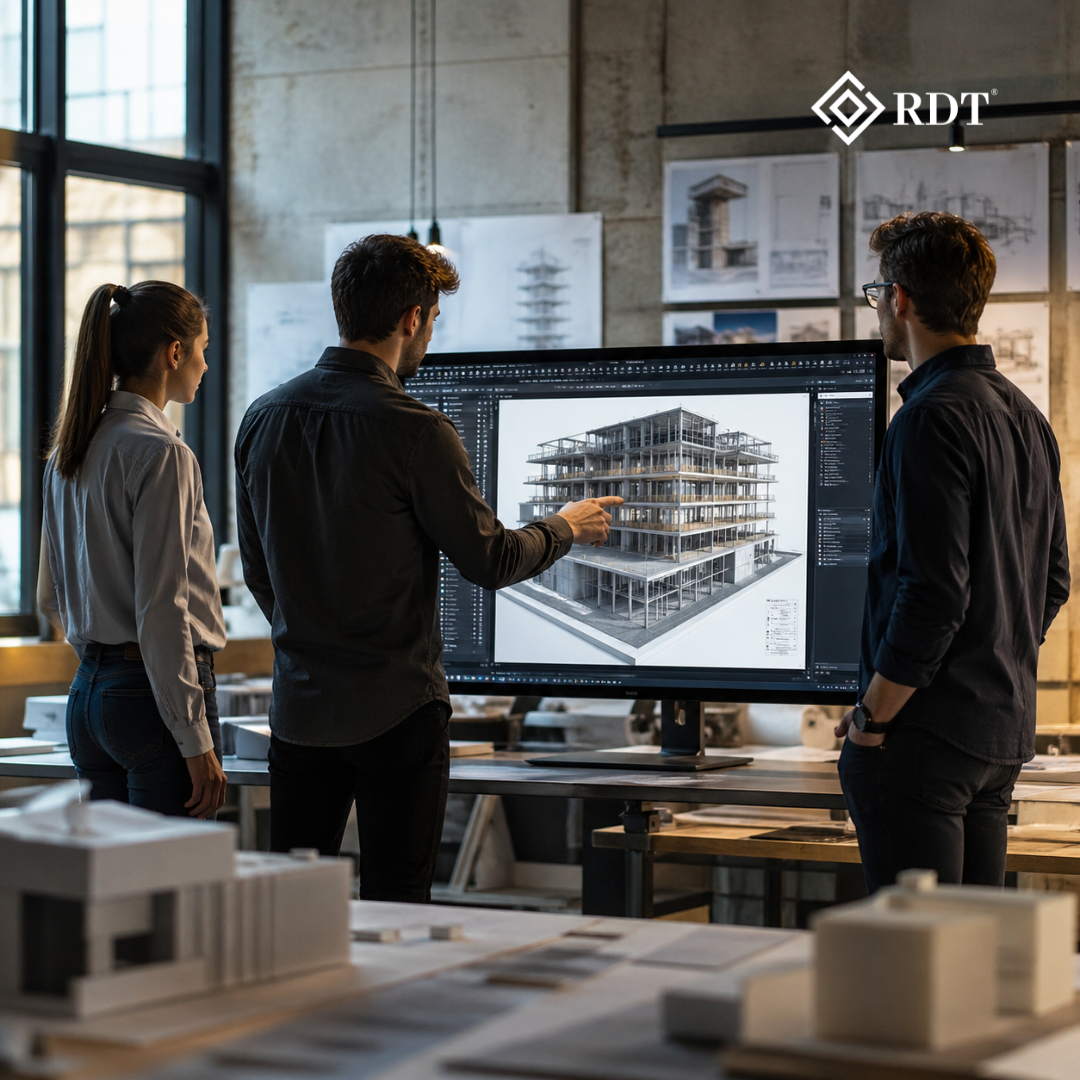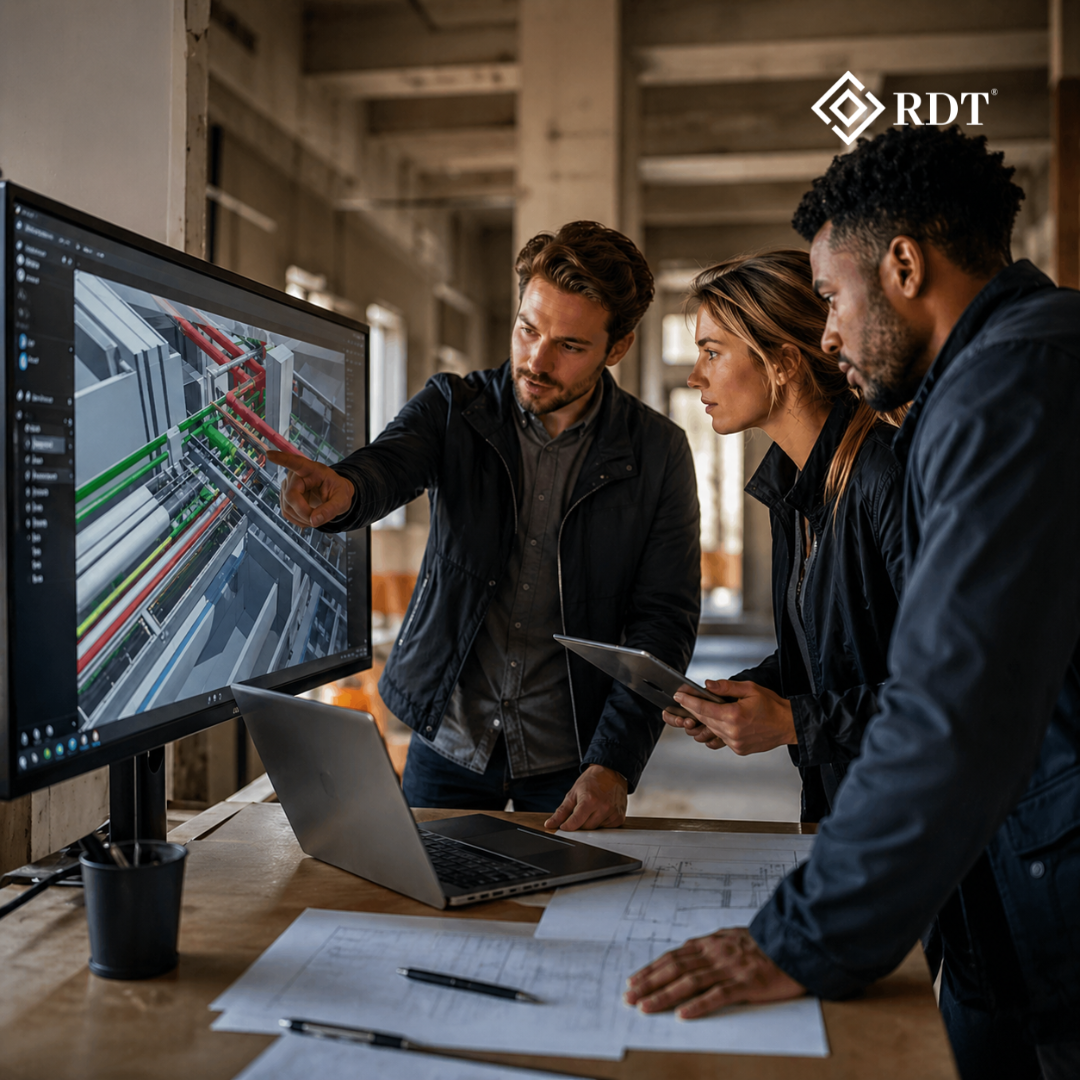
Change has always been a part of the architecture engineering & construction (AEC sector), but the nature of that change has shifted. Projects today include more investors, strict timelines and far better technical systematization as compared to the past. Clientele wants visibility not only at milestones but across the project lifecycle. Mistakes that were once absorbed through contingencies now carry serious commercial and reputational consequences. In this environment the margin for inefficiency has almost disappeared.
Digital transformation has emerged as a response to this reality. Initially many firms saw it as a way to modernize tools or improve internal efficiency. Over time it became clear that digital transformation is less about technology and more about survival. Even so many organizations find themselves investing heavily without seeing proportional returns. Tools are in place yet outcomes remain unchanged. The difference often lies in how those tools are introduced and embedded. This is where engineering consultants play an essential role.
From RDT’s point of view engineering consultants bring structure to what can otherwise become a fragmented digital effort. Their strength comes from years spent inside projects where decisions are constrained by time cost and coordination pressures.
Digital Transformation as It Actually Happens on Projects
In industry discussions digital transformation is often presented as a collection of solutions. BIM platforms data environments automation workflows and analytics dashboards dominate the conversation. While each of these has value they rarely deliver impact in isolation. Projects are shaped by people making decisions under pressure and technology must serve that reality.
Engineering consultants understand this context instinctively. They know where information bottlenecks occur and how design intent evolves over time. They see where coordination breaks down and why teams sometimes bypass digital systems to keep projects moving. At RDT we believe digital tools should remove friction from engineering work not introduce new layers of complexity.
Uncovering Inefficiencies That Feel Normal
Many AEC organizations evolve through repetition rather than design. Teams develop habits that work well enough to deliver projects even if those habits are inefficient. Over time disconnected tools, manual checks and duplicated effort become part of daily operations. Because everyone is accustomed to them they are rarely questioned.
Engineering consultants bring a different perspective. They observe how information is generated, shared, reviewed and approved across disciplines. They notice where delays occur and where errors are introduced. From RDT’s perspective this observational phase is critical. Without it digital initiatives risk addressing noticeable issues while further inadequacies remain untouched.
When these secret restrictions are surfaced, leadership can concentrate on investment where it will authentically enhance results.
Establishing Direction Without Overload
Once challenges are understood organizations face a second hurdle deciding how to act. Some attempt to overhaul everything at once which often leads to fatigue and resistance. Others adopt isolated improvements that fail to connect into a coherent strategy.
Engineering consultants help organizations choose a measured path forward. They work with leadership to define priorities that align with business objectives and project capacity. At RDT we promote stable progression instead of striking change. Enhancements that are introduced progressively & strengthened with everyday use are far more likely to last.
Clear direction permits squads to concentrate on delivery instead of adjustment & ambiguity.
Reconnecting BIM With Its Original Purpose
Building Information Modeling has become central to digital transformation in the AEC sector. Yet its use often stops at model creation. In many cases BIM is treated as an obligation rather than a collaborative environment.
Engineering consultants help reframe this approach. They support teams in developing standards and workflows that reflect how projects are actually delivered. From RDT’s point of view BIM is most effective when it supports conversation coordination and confidence rather than simply satisfying contractual requirements.
When models are actively used during coordination and decision making issues surface earlier and teams gain trust in the information they are working with. Over time BIM becomes an operational asset rather than a deliverable.
Maintaining Collaboration as Teams Spread Out
Today’s projects are rarely centralized. Design and delivery teams often work across multiple offices and time zones. Digital platforms make this possible but also introduce new risks around version control accountability and communication gaps.
Engineering consultants help organizations bring order to this complexity. They define how information should flow and who is responsible at each stage. At RDT we view effective collaboration as a balance between clear process and professional trust.
When information is structured and accessible, decision makers are better equipped to engage regardless of technical background. This reduces delays and supports stronger alignment across the project team.
Turning Information Into a Decision Tool
AEC projects generate vast quantities of data but volume alone does not create value. When information is inconsistent or unreliable teams fall back on experience and instinct.
Engineering consultants help organizations focus on meaningful information. They assist in defining what should be captured, how it should be maintained and how it should be reviewed. From RDT’s perspective the goal is clarity not complexity.
When teams trust their information, decisions become faster, more confident and less reactive. Digital systems begin to support judgment rather than replace it.
Supporting the Human Side of Transformation
Digital transformation often challenges familiar ways of working. Even beneficial changes can feel disruptive in high pressure project environments.
Engineering consultants help organizations manage this transition thoughtfully. They provide training that relates directly to daily tasks rather than generic instruction. At RDT we believe learning works best when people immediately see how it reduces effort or risk in their own work.
Consultants also help leadership explain why changes are being made. When teams understand the purpose behind transformation they are far more likely to engage.
Extending Digital Value Beyond Delivery
Too often digital efforts conclude when a project is handed over. Engineering consultants encourage organizations to think beyond completion.
From RDT’s point of view information developed during design and construction should support long term asset use. Structured data enables better maintenance planning, clearer asset understanding and more informed future decisions.
When digital efforts are aligned with lifecycle outcomes transformation becomes a strategic investment rather than a project cost.
Staying Ready for an Uncertain Future
The AEC industry will continue to change. New technologies will emerge and expectations will evolve. Engineering consultants help organizations prepare by building systems that can adapt.
Rather than pursuing every new development consultants assess relevance and readiness. At RDT we see future preparedness as flexibility rather than prediction. Strong foundations allow organizations to respond confidently as conditions change.
RDT’s Approach to Digital Transformation
At RDT we approach digital transformation as a partnership. Our role as engineering consultants is to support organizations through understanding planning and sustained execution.
We focus on practical solutions that work in real project environments. By combining engineering knowledge with digital insight we help clients achieve measurable improvement without unnecessary disruption.
Sum up
Digital change in the AEC sector is not a sole initiative or a tech update. It is a constant procedure molded by experience, discipline & collaboration. Engineering consultants play a critical role in guiding organizations through this complexity.
From RDT’s point of view their real value lies in translating digital ambition into everyday progress. As the industry continues to evolve strong partnerships between AEC firms and engineering consultants will remain essential in building a more resilient, efficient and future ready built environment.