Introduction: Problems Do Not Start on the Drawing Board
Construction failures rarely announce themselves during design reviews. Meetings end with nods. Drawings get approved. Schedules move forward. Everything looks settled until work reaches the site. That is where problems surface. Materials fail to align. Systems overlap. Crews pause while supervisors search for answers. These issues are often blamed on execution, but most of them originate much earlier. When BIM is missing, uncertainty quietly builds into the project. The cost of that decision is not felt immediately. It appears later, when changes are hardest and most expensive to make.
BIM Is a Working Method, Not a Visual Tool
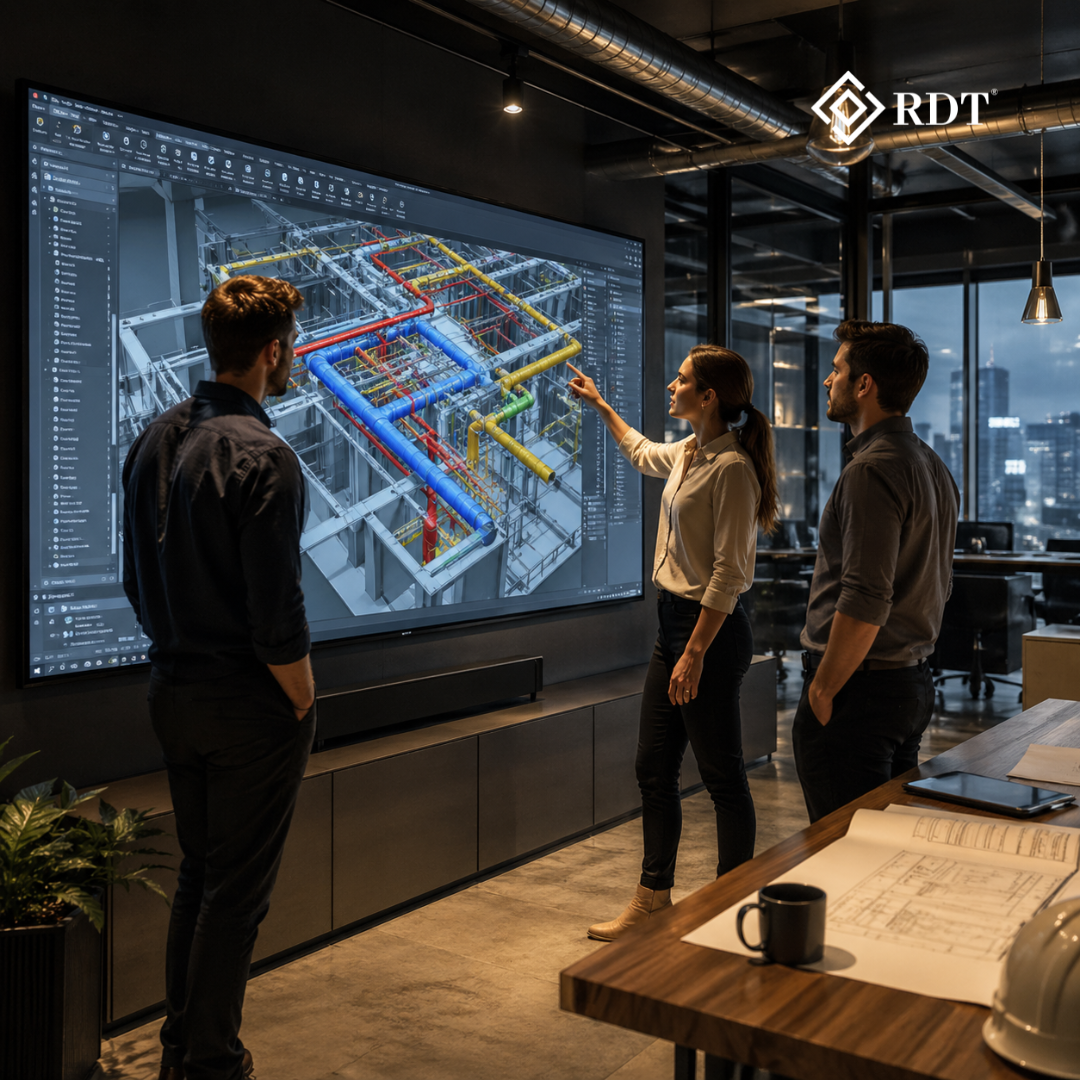
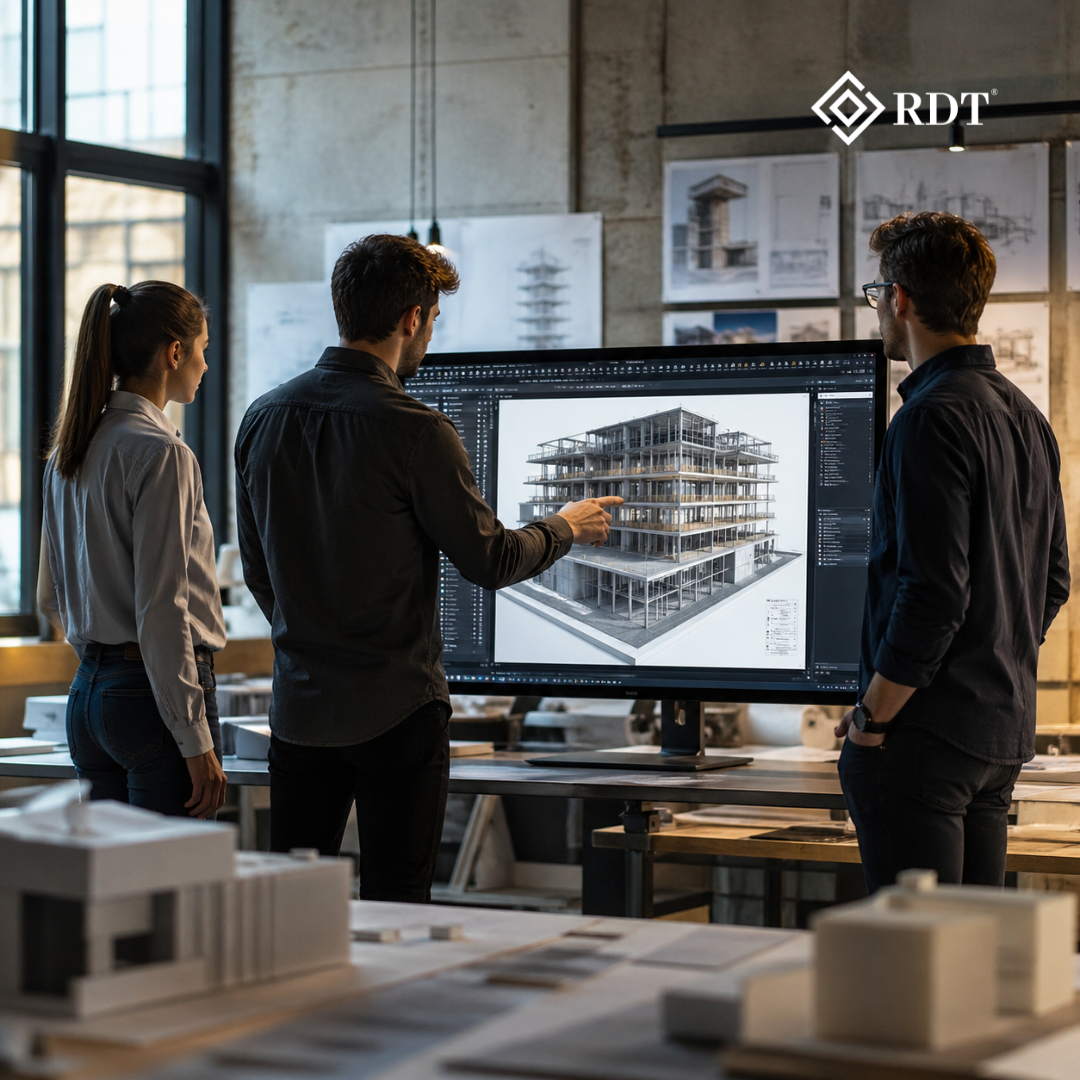
Many teams still treat BIM as a modeling requirement rather than a construction process. They see it as a digital drawing instead of a coordination method. In practice, BIM connects disciplines that traditionally work apart. Architectural intent, structural logic, and building services are aligned in one environment. Each component responds to the others. When this process is ignored, coordination relies on interpretation. Separate drawings may be accurate on their own, yet fail together. That disconnect is where site problems begin.
Drawings Can Look Complete and Still Be Wrong
Two dimensional drawings hide depth. They show intent, not interaction. Vertical clearances, service routing, and installation space are difficult to judge on flat sheets. Without BIM coordination, conflicts remain unnoticed until construction reaches that point. On site, teams encounter beams cutting through duct paths or pipes crossing critical structural zones. At that stage, redesign means delay. Delay means cost. These situations are not rare. They are routine on projects that rely only on traditional documentation.
Clashes Are Cheaper to Fix on a Screen
Digital clash detection exists for one reason: site clashes are expensive. BIM permits squads to test how systems capture the similar space before installation starts. Electrical, plumbing, HVAC, & structure can be examined together. When BIM is bypassed, clashes are uncovered by workers holding tools, not planners holding models. Work stops. Temporary fixes are discussed. Fixed solutions take time. Each interruption influences productivity & morale. What should have been resolved during coordination becomes an on site problem everyone must react to.
Schedules Fail When Sequence Is Assumed
Construction depends on order. Who works first, where they work, and how long they stay matters. BIM supports visual scheduling by linking models with time. This reveals space conflicts between trades before they occur. Without this insight, schedules are built on assumptions. Multiple crews arrive expecting access to the same area. Equipment blocks movement. Materials sit unused. Productivity drops without anyone understanding why. Delays spread gradually, then suddenly become critical.
Inaccurate Quantities Create Financial Stress
Material planning relies on correct quantities. BIM generates takeoffs directly from coordinated models, reducing guesswork. When projects skip BIM, quantities are pulled manually from drawings. Errors are inevitable. On site, shortages halt progress while excess material increases waste. Budgets stretch under pressure from repeated adjustments. Owners question the accuracy of early estimates, unaware that the real issue lies in fragmented information, not market conditions.
Miscommunication Slows Every Decision
Construction involves many voices. Architects, engineers, contractors, & subcontractors all interpret data discordantly. BIM provides a shared reference that reduces explanation. Without it, communication relies on emails, marked drawings, and verbal clarification. Messages pass through multiple layers. Intent changes along the way. Decisions take longer. Crews wait while managers search for alignment. Time lost to confusion rarely appears in reports, but it affects every phase of construction.
Safety Is Affected by Planning Quality
Site safety is not limited to protective equipment. It is shaped by how work is planned. BIM allows teams to review access routes, lifting zones, and installation sequences in advance. Potential hazards can be identified early. Projects that skip BIM often encounter unsafe conditions without warning. Tight workspaces, overhead clashes, and rushed adaptations expand danger. Incidents result in blockages, examinations, & reputational injury that no schedule buffer can absorb.
Rushed Fixes Reduce Long Term Quality
Late discoveries force quick decisions. When problems appear during installation, solutions are chosen for speed, not longevity. BIM supports precise detailing that guides correct installation from the start. Without it, site teams rely on judgment and improvisation. Experience helps, but repeated compromises reduce consistency. Over time, these small decisions affect performance, durability, and maintenance requirements of the finished building.
Documentation Becomes Unreliable
Construction depends on current information. BIM maintains a coordinated record of updates and revisions. Projects without BIM often circulate multiple drawing versions. Teams work from different references. Mistakes follow. When conflicts arise, responsibility becomes unclear. Claims increase when documentation cannot clearly show approved intent. Disputes consume time and resources that should be focused on progress.
Problems Continue After Handover
The consequences of skipping BIM extend beyond construction. Facility managers rely on accurate asset data to operate buildings efficiently. BIM models provide locations, specifications, and maintenance information. Without them, owners receive fragmented documents that are difficult to use. Maintenance becomes reactive. Operational costs rise. The building underperforms not because of design, but because information was never properly organized.
Falling Behind a Digital Industry
Construction is evolving. BIM is now a baseline expectation on complex projects worldwide. Clients look for teams that can manage risk digitally before work begins. Companies that avoid BIM struggle to compete. They face higher uncertainty, slower delivery, and reduced client confidence. What appears to be a cost saving choice often limits future opportunities.
The Same Lessons Appear on Every Site
Across regions and project types, the pattern is consistent. Projects without BIM experience more rework, more delays, and more conflict. Those that use BIM report smoother coordination and fewer surprises. These outcomes are based on lived site experience, not theory. Teams learn these lessons repeatedly, often after losses have already occurred.
Avoiding BIM Shifts Risk to the Worst Time
Skipping BIM does not eliminate cost. It moves cost to construction, where mistakes are hardest to correct. Errors discovered on site require immediate action. Labor costs increase. Schedules slip. Relationships strain. The investment required for BIM is small compared to the expense of preventable rework. BIM functions as risk control, not added complexity.
Sum Up: Build Understanding Before Building Structure
Successful construction depends on preparation. BIM allows teams to resolve complexity before materials arrive. Projects that skip BIM depend on assumptions, and assumptions rarely survive real conditions. Investing in BIM early protects schedules, budgets, safety, and quality later. In today’s construction environment, choosing not to use BIM is choosing to accept avoidable problems.
Take the Risk Out of Your Next Project With RDT Technology
At RDT Technology, we work with project teams before problems reach the site. Our BIM modeling & coordination services are constructed near actual construction challenges, not theoretical procedures. By coordinating design, structure, & building services early, we assist in diminishing clashes, control expenses, and keep schedules realistic. If your project demands transparency, coordination, & assurance from day one, RDT Technology is ready to help you where it concerns most—before construction starts.