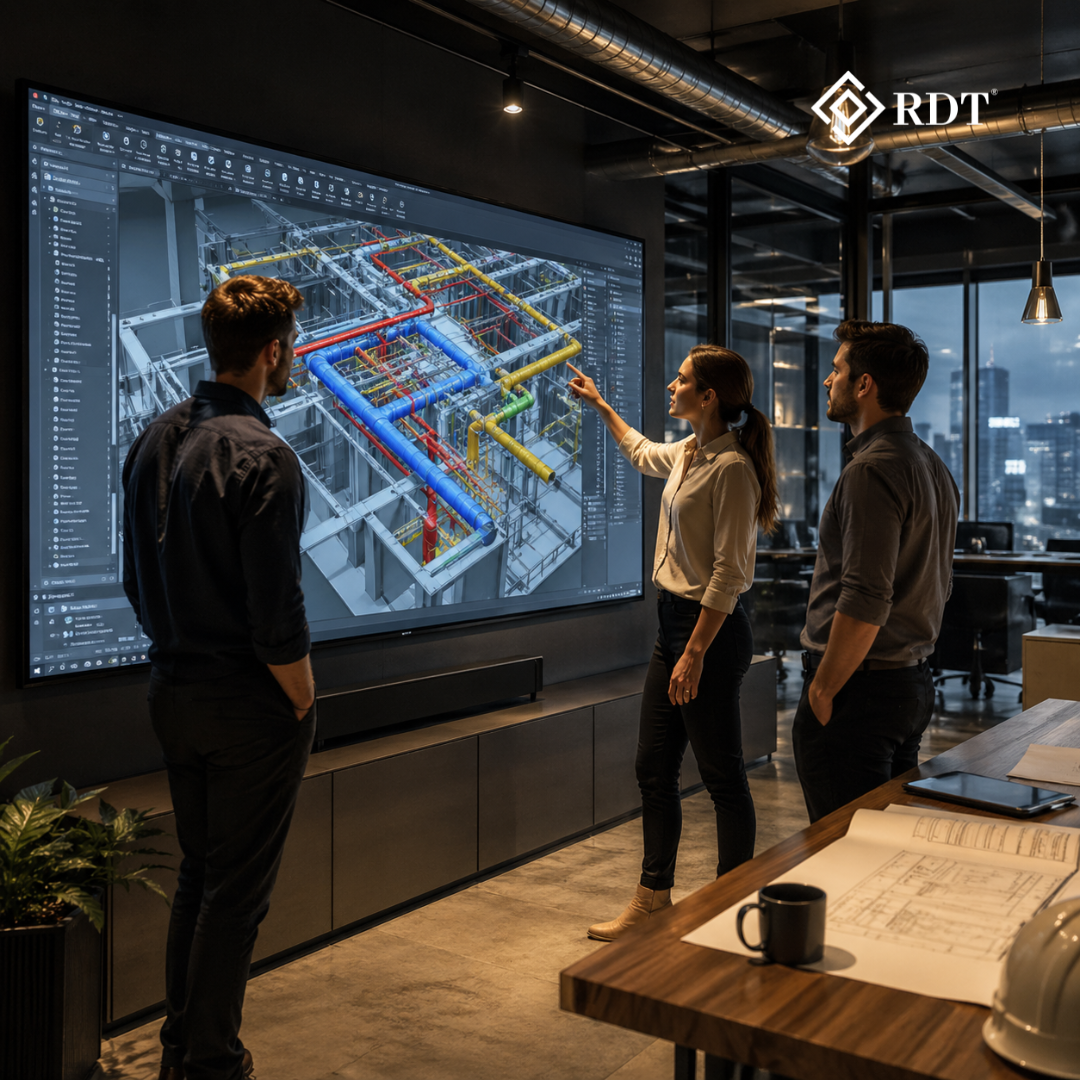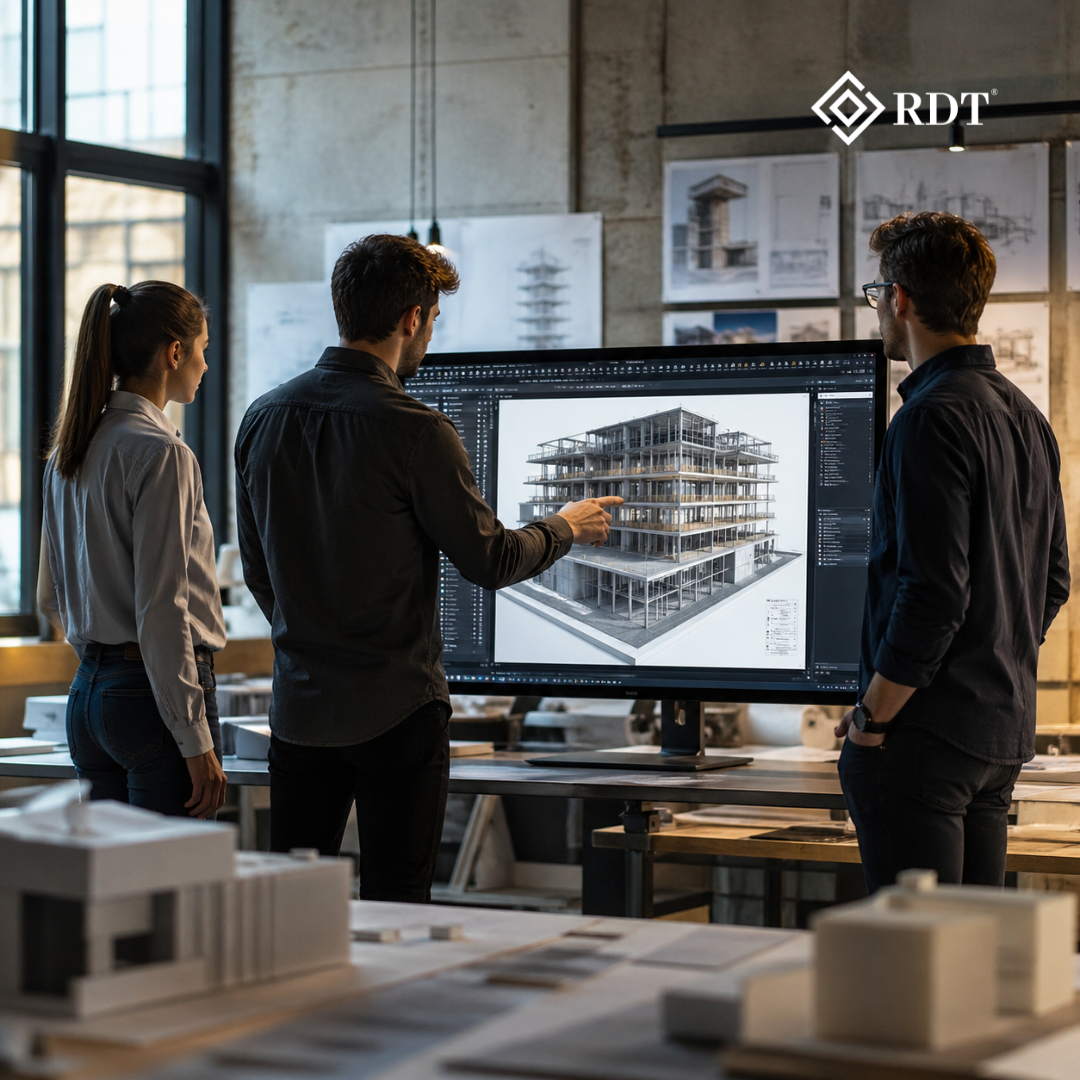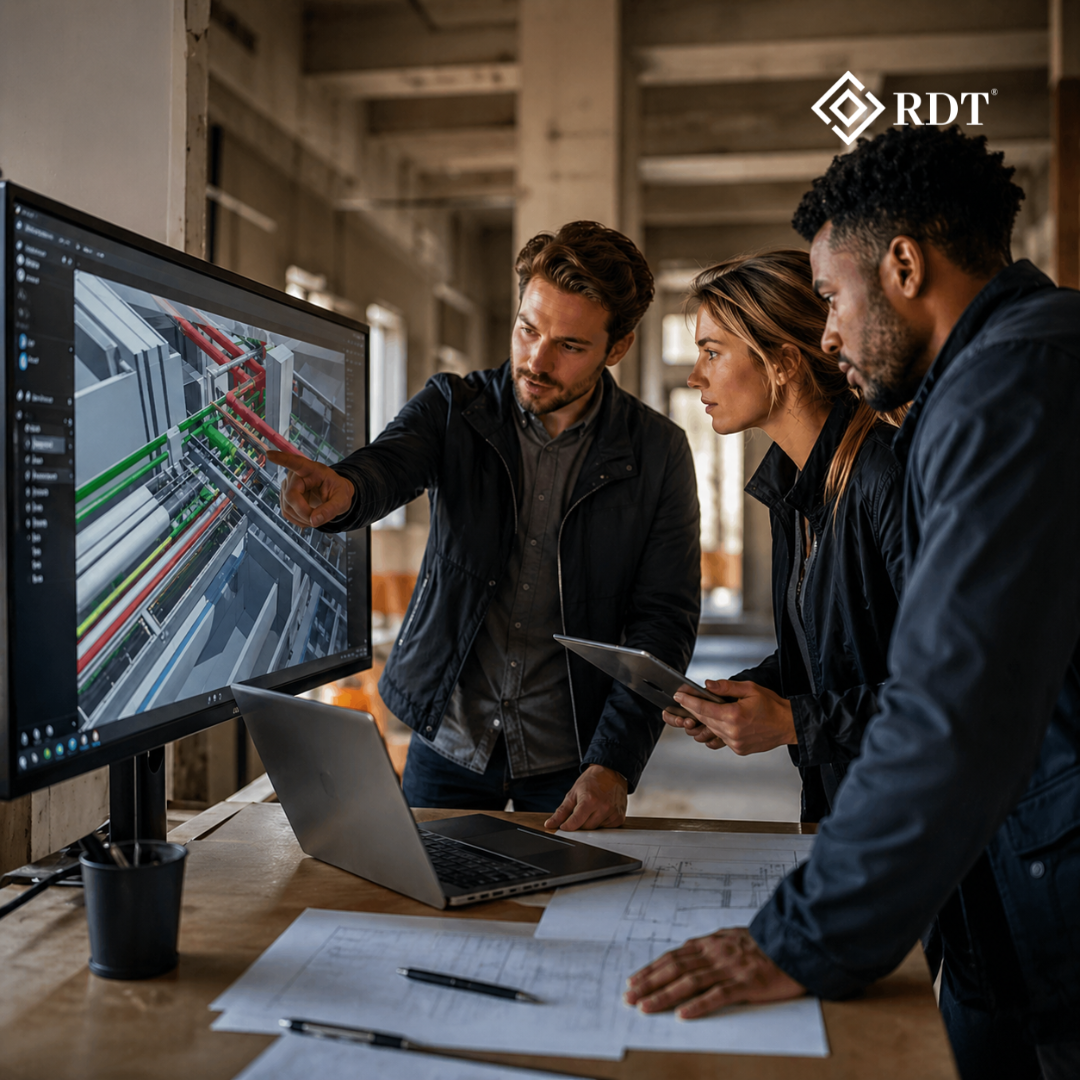
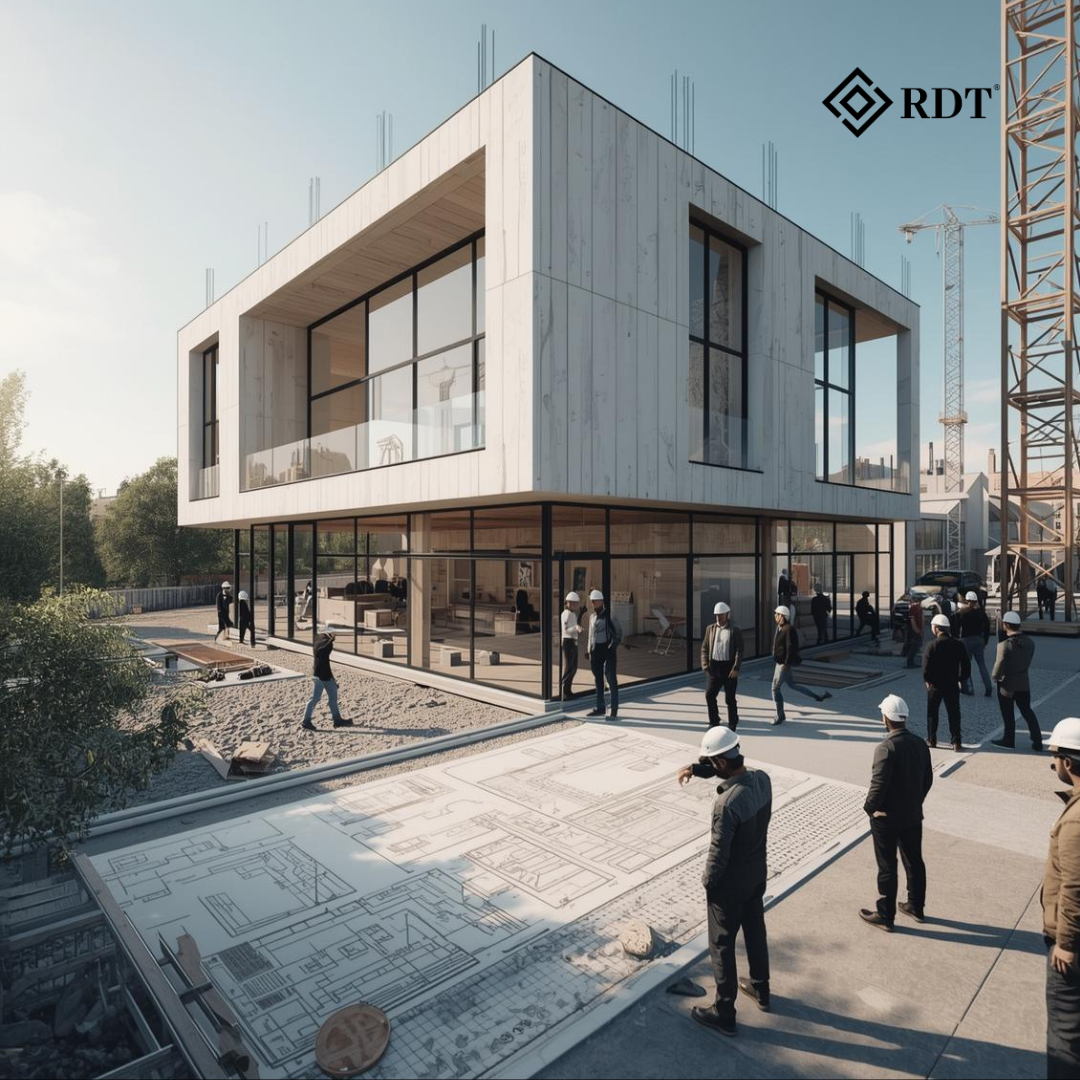
There is a moment in almost every project when someone says, “It will make sense once it’s built.”
That sentence sounds harmless. Experienced, even. But in reality, it often signals uncertainty. And uncertainty, in construction, is rarely neutral. It usually costs time, money, or both.
Most projects don’t struggle because teams lack skill. They struggle because decisions are made without full visibility. Drawings are approved with assumptions attached. Details are accepted with mental images that differ from person to person. Everyone moves forward, slightly unsure, hoping reality will align with intention.
Rendering exists to remove that hope-based approach.
Not by adding polish. But by adding visibility.
The Problem Isn’t Design. It’s Interpretation.
Design teams often know exactly what they want to achieve. The challenge is translating that clarity to everyone else involved.
A plan shows layout, but not spatial pressure.
A section shows height, but not comfort.
An elevation shows form, but not presence.
Even among professionals, interpretation varies. Contractors read drawings with constructability in mind. Clients read them emotionally, trying to imagine outcomes. Consultants focus on their own systems, sometimes detached from the whole.
Rendering cuts through that fragmentation.
It doesn’t explain the design. It shows it. And once something is shown clearly, interpretation reduces. People stop guessing. Conversations become specific instead of speculative.
When Something Is Visible, It Becomes Questionable
One of the most practical effects of rendering is how quickly it invites scrutiny.
A design that looks acceptable in drawings can feel wrong the moment it’s visualized. Not technically wrong. Just uncomfortable. Heavy. Awkward. Overdone. Or sometimes underwhelming.
These reactions matter.
They reveal issues that calculations don’t catch. Proportion, balance, scale, and human perception are difficult to judge in abstraction. Rendering brings them forward early, when change is still easy.
That’s the turning point—when a project shifts from “approved on paper” to genuinely understood.
Rendering Turns Opinions Into Observations
Without visuals, design discussions often rely on reassurance.
“This won’t feel small.”
“The material will soften it.”
“The lighting will handle that.”
These proclamations are not false. They’re just untested.
Rendering replaces reassurance with evidence.
When teams see a space rendered accurately, they don’t argue hypotheticals. They react to what’s in front of them. The feedback becomes grounded. Decisions stop being emotional or defensive and start becoming practical.
That change in tone saves more time than most people realize.
Control Is About Predicting Outcomes, Not Fixing Problems
Control in construction is often misunderstood as reaction—solving issues when they appear. In reality, the most controlled projects are the ones where fewer issues appear at all.
Rendering supports that by helping teams predict outcomes.
Not in a theoretical way, but visually. You see how materials interact. Notice how daylight behaves. Sense whether circulation works or feels forced.
Once those outcomes are visible, teams can adjust deliberately rather than reactively. That’s where real control comes from.
Clients Don’t Delay Because They Disagree. They Delay Because They’re Unsure.
Many approval delays are blamed on indecision. In practice, they’re caused by lack of clarity.
Most clients are asked to approve drawings they cannot fully visualize. They rely on explanations, comparisons, and trust. That works—to a point. But uncertainty lingers.
Rendering removes that burden.
When clients see what they are approving, hesitation drops. Questions become sharper. Feedback becomes faster. Approvals stop feeling like a leap of faith.
This doesn’t just accelerate timelines. It improves confidence on both sides.
Problems Found Early Are Rarely Remembered. Problems Found Late Are Never Forgotten.
There is an uncomfortable truth in construction: issues caught during design are invisible to outsiders. Issues caught on site are very visible—and often damaging.
Rendering helps uncover issues quietly, before they escalate.
A façade rhythm that feels chaotic.
An interior palette that clashes under real lighting.
A ceiling that technically works but visually compresses space.
None of these are drawing errors. They’re perception issues. And perception is what users ultimately experience.
Fixing these digitally costs almost nothing. Fixing them physically often leads to compromises no one wanted.
Coordination Improves When Everyone Looks at the Same Thing
Coordination failures don’t always come from poor communication. They often come from different mental pictures.
An engineer imagines a service route differently than an architect imagines the space. Both are correct—until those interpretations collide.
Rendering creates a shared reference.
When teams review visuals together, decisions become collective. Conflicts surface earlier. Solutions are discussed before they turn into site constraints.
That shared understanding reduces friction and builds alignment across disciplines.
Rendering Is Not Decoration. It’s Verification.
There is still a tendency to treat rendering as presentation material—something added after decisions are made.
That approach wastes its strongest value.
Rendering is most powerful when used to verify decisions, not decorate them. It confirms whether an idea actually works in context, not just in theory.
The teams that benefit most from rendering are the ones willing to let it challenge their assumptions.
Seeing Builds Confidence—Quietly
There is a subtle psychological effect when people can see outcomes clearly.
Meetings are shorter.
Decisions feel safer.
Teams move forward with less resistance.
This confidence doesn’t come from persuasion. It comes from visibility.
When uncertainty drops, momentum increases. That alone can change the trajectory of a project.
From Intent to Execution Without Losing Meaning
One of the hardest things in construction is preserving intent as projects move from design to execution.
Details are interpreted. Constraints appear. Adjustments happen.
Rendering helps anchor intent visually. It gives teams a reference point that remains consistent even as technical decisions evolve.
When questions arise, the answer isn’t abstract. It’s visible.
Sum Up
Construction does not reward guessing. It rewards foresight.
Rendering provides that foresight by making outcomes visible early, when decisions still matter most.
It doesn’t replace drawings. But completes them.
It doesn’t eliminate risk. But exposes it sooner.
It doesn’t control projects on its own. It enables better control through understanding.
Once you can see what you are building, you stop relying on assumptions. And the moment assumptions disappear, decisions improve.
If you can see it, you don’t have to hope it works.
You know whether it will.
And that knowledge changes everything.
If clear decisions matter to your project, the right visuals make the difference. RDT Technology provides professional rendering services that help teams see accurately, decide confidently, and move forward without guesswork. When visibility matters, working with the right rendering partner matters even more.