Introduction: Complexity Is the New Normal in Architecture
Architecture today is no longer about isolated drawings or standalone design ideas. Every project now sits at the intersection of design intent, engineering logic, construction feasibility, cost control, and long-term performance. With each new requirement, complexity increases. Multiple stakeholders, tighter regulations, faster timelines, and higher expectations make traditional approaches insufficient. What once worked through experience and intuition now demands structured clarity. This is where BIM for Architectural Design changes the narrative. Instead of adding another layer of difficulty, BIM simplifies how complex architectural challenges are understood, coordinated, and delivered.
Why Architectural Problems Have Become So Complicated
Modern buildings are systems, not objects. Architecture must integrate structure, services, sustainability goals, safety codes, and user experience. A single design decision affects multiple disciplines. A minor change in layout can influence structural loads, HVAC routing, lighting performance, and material quantities. Architects are expected to balance creativity with constructability while maintaining efficiency. The challenge is not a lack of ideas but managing their impact. Complexity grows not because architects design poorly, but because projects demand more integration than ever before.
The Limits of Traditional Design Processes
Traditional architectural workflows rely heavily on drawings, revisions, and manual coordination. Each change requires updates across multiple sheets, increasing the chance of inconsistency. Information moves slowly, and errors often go unnoticed until late stages. Coordination meetings attempt to resolve conflicts that could have been prevented earlier. As complexity increases, these methods struggle to keep up. The result is rework, delays, and compromised design outcomes.
BIM as a Simplification Tool, Not a Complication
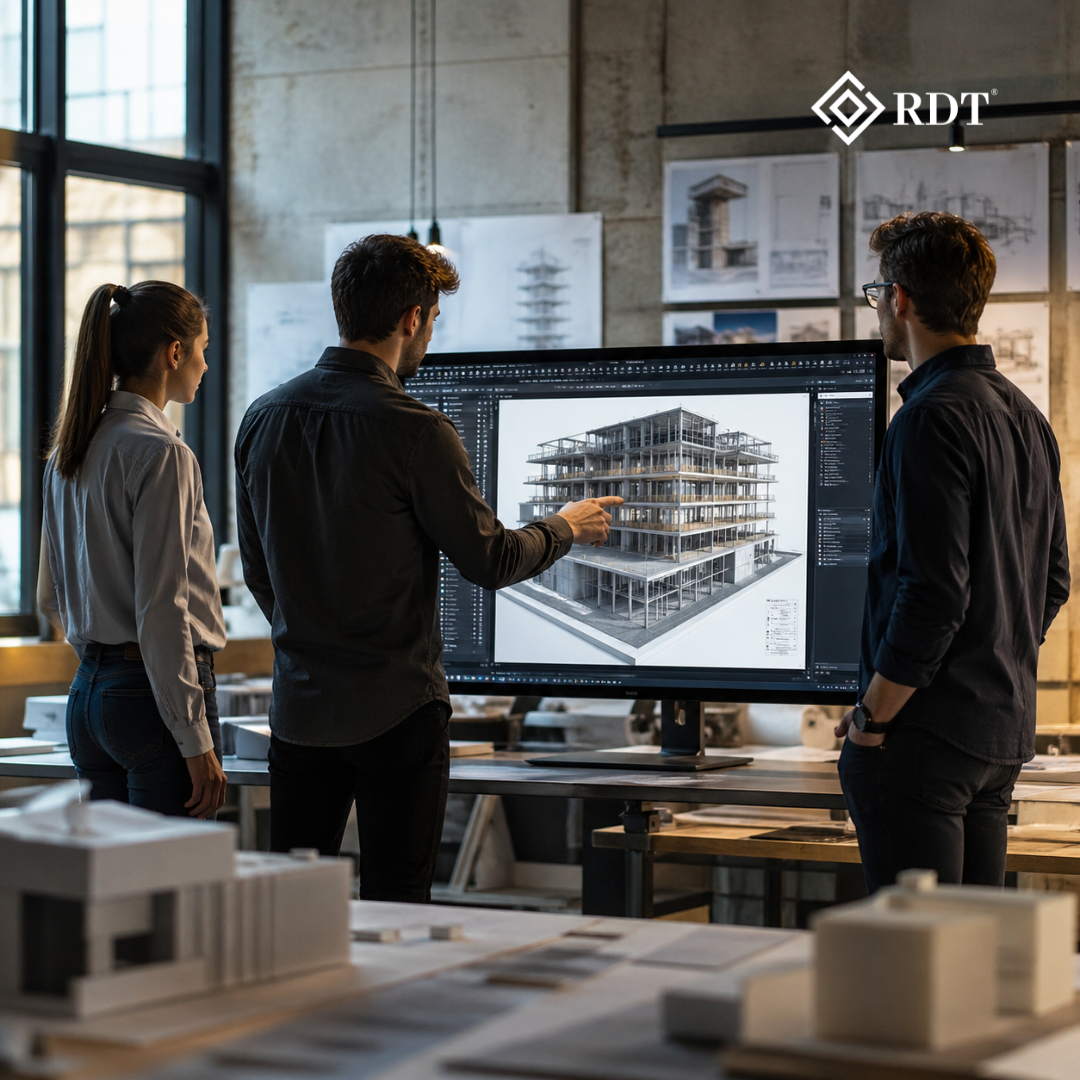
There is a common misconception that BIM adds complexity to architectural design. In reality, it does the opposite. BIM organizes information in a way that makes complexity manageable. Instead of juggling disconnected drawings and documents, architects work within a single, intelligent model. Every element is linked, and changes update automatically. BIM does not simplify the project itself; it simplifies how the project is handled.
Design Clarity from the Very Beginning
BIM supports architectural clarity from the earliest concept stages. Massing studies, spatial relationships, and functional layouts can be tested quickly. Designers can explore options without redrawing entire sets. Early decisions are informed by data rather than assumptions. This clarity reduces design uncertainty and helps teams move forward with confidence.
Coordinating Architecture with Other Disciplines
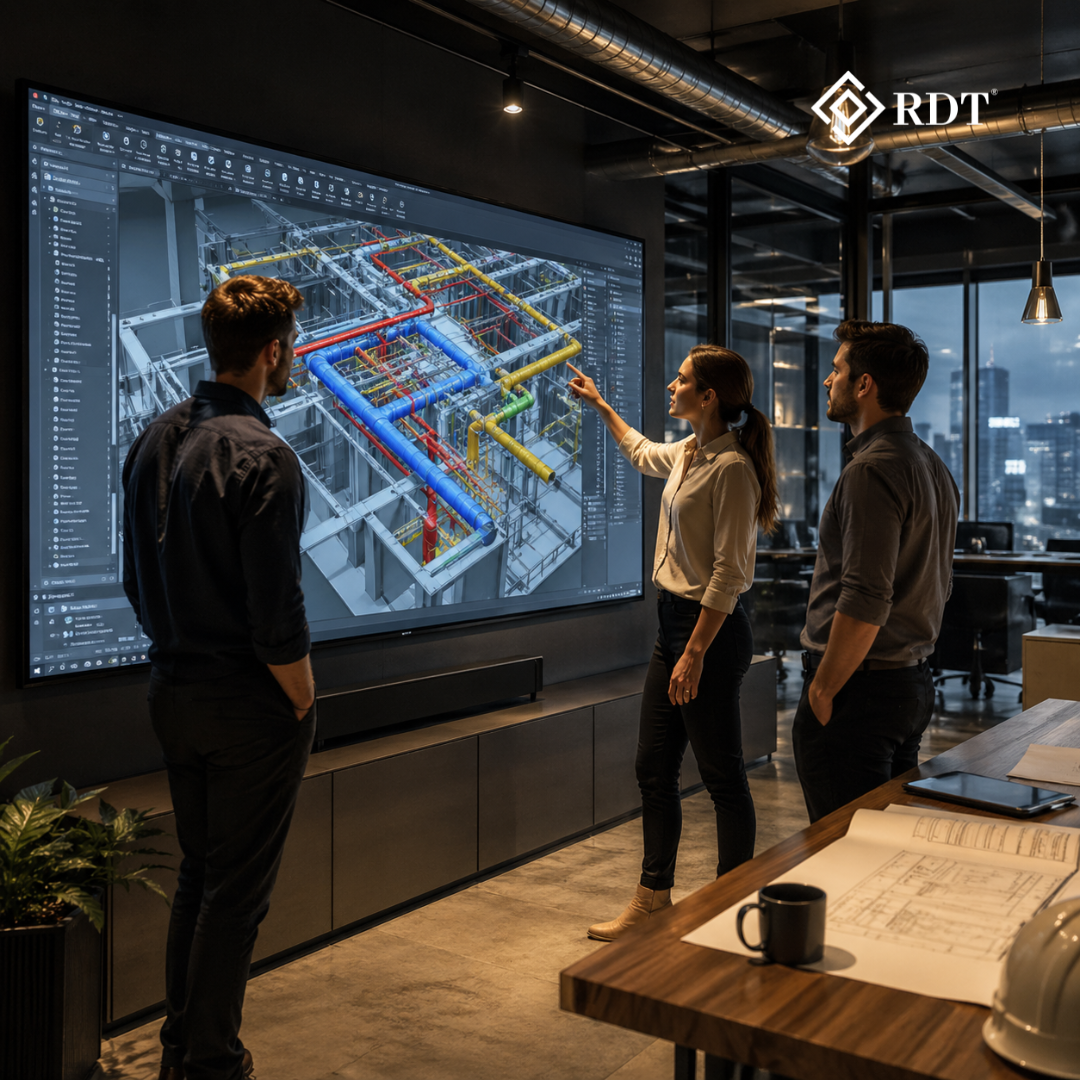
One of the greatest challenges in architecture is coordination. Structural grids, service routes, and architectural intent must coexist. BIM allows these disciplines to work together in a shared environment. Conflicts become visible early, not during construction. Architectural design no longer develops in isolation. Instead, it evolves in coordination, reducing compromise and protecting design intent.
BIM for Architectural Design in Detailed Development
As projects move into detailed design, complexity increases further. Details, materials, tolerances, and performance requirements must align precisely. BIM for Architectural Design enables accurate detailing that reflects real-world conditions. Wall assemblies, floor build-ups, and junctions are modeled with intent. This level of precision reduces ambiguity and improves construction outcomes.
Reducing Design Revisions and Rework
Frequent revisions are a major source of inefficiency in architectural projects. BIM minimizes unnecessary revisions by improving accuracy early. Because information is connected, updates are consistent across the model. Architects spend less time correcting drawings and more time refining design quality. This efficiency allows creativity to thrive within controlled systems.
Visual Communication That Improves Decisions
Architecture relies heavily on communication. BIM enhances this by providing clear visual representations of design intent. Clients understand spaces better. Consultants interpret layouts accurately. Contractors visualize execution clearly. When everyone sees the same information, discussions become productive rather than corrective. Decisions are made faster and with greater confidence.
Time Efficiency Without Sacrificing Quality
Time pressure often forces compromises in architectural design. BIM helps manage time without reducing quality. Automated documentation, coordinated updates, and accurate schedules reduce manual effort. Architects can meet deadlines while maintaining design integrity. Efficiency comes from smarter workflows, not rushed decisions.
Cost Awareness During Design
Cost control is no longer a post-design activity. BIM integrates cost awareness into the design process. Quantities can be extracted accurately, and design changes can be evaluated for financial impact. Architects gain insight into how design decisions influence budgets. This knowledge supports responsible creativity and reduces late-stage surprises.
Supporting Sustainable Design Goals
Sustainability adds another layer of complexity to architecture. BIM supports energy analysis, material evaluation, and performance simulations. Architects can assess sustainability strategies early and adjust designs accordingly. Environmental responsibility becomes integrated rather than reactive, strengthening the overall project value.
BIM for Architectural Design During Construction
Architectural responsibility does not end at design approval. During construction, clarity becomes critical. BIM models support coordination, sequencing, and issue resolution. Design intent is preserved because information is clear and accessible. Architects can respond to site queries accurately, reducing misinterpretation and delays.
Managing Change Without Losing Control
Change is inevitable in complex projects. BIM provides a structured way to manage it. Design changes are reflected across the model, and their impacts are visible immediately. This transparency allows informed decision-making. Architects maintain control even when conditions evolve.
Simplifying Collaboration Across Teams
Collaboration often fails due to unclear information. BIM simplifies collaboration by providing a single source of truth. Teams communicate through the model rather than fragmented documents. This shared understanding reduces friction and strengthens coordination across all project stages.
Why Simplicity Is a Competitive Advantage
In a complex industry, simplicity is powerful. Projects that run smoothly stand out. BIM enables architectural practices to deliver clarity where others struggle. Simpler workflows lead to better outcomes, stronger relationships, and improved reputation. BIM becomes not just a tool, but a competitive advantage.
The Architect’s Role in a BIM-Driven Process
BIM does not diminish the architect’s role; it elevates it. Architects gain greater control over information, coordination, and outcomes. Design leadership strengthens because decisions are supported by data. BIM empowers architects to guide projects with authority and precision.
Conclusion: Complexity Solved Through Intelligent Design
The problem is complex because architecture today demands integration, accuracy, and accountability. The solution does not lie in working harder, but in working smarter. BIM for Architectural Design transforms complexity into structured clarity. It allows architects to design boldly while managing risk responsibly. When complexity is handled intelligently, simplicity becomes achievable. BIM is not the future of architecture; it is the present solution to its growing challenges.
Partner with RDT Technology to leverage expert BIM services that simplify architectural complexity, enhance design clarity, and deliver smarter, coordinated project outcomes from concept to construction.