Introduction: When Guessing Becomes the Biggest Risk
Guess what? Nothing—nothing good, nothing productive, nothing reliable—comes from guessing on a construction site. Yet guessing still slips into projects every day, quietly shaping decisions that affect cost, time, safety, and quality. It appears when drawings feel unclear, when coordination meetings are rushed, or when teams rely on experience instead of verified information. In today’s construction surroundings, this trait is no longer harmless. Complication has expanded, margins have narrowed, and accountability has become necessary. This is precisely where BIM Modeling steps in, not as software, but as a procedure that substitutes assumption-centric implementation with informed, assured preparation.
How Guesswork Still Controls Many Projects
Guessing does not always look careless. Often, it feels practical. A team assumes two systems will fit because they usually do. A sequence is adjusted on site because it worked before. These decisions are rarely reckless; they are familiar. The problem is scale. Modern projects involve hundreds of interconnected elements. What once worked through experience now fails under complexity. Each assumption increases exposure to delay, rework, and conflict. Guessing becomes a hidden process risk, one that grows quietly until it disrupts progress.
The Domino Effect of Small Assumptions
One wrong assumption rarely stays small. A minor coordination issue delays one activity, which pushes another trade out of sequence. Materials arrive early or late. Labor productivity drops. Temporary fixes become permanent compromises. By the time leadership notices the problem, the cost is already absorbed. This is why guessing is dangerous—it spreads silently. The project does not fail suddenly; it erodes gradually through avoidable inefficiencies.
Why Traditional Methods Allow This to Happen
Traditional construction workflows depend heavily on separated drawings and linear communication. Each discipline produces information independently, and coordination often happens manually. Updates move slowly, and inconsistencies are difficult to detect early. In this environment, gaps in information are inevitable. Guessing fills those gaps. It becomes a coping mechanism rather than a mistake. As projects grow more integrated, this approach becomes increasingly fragile.
BIM Changes the Starting Point
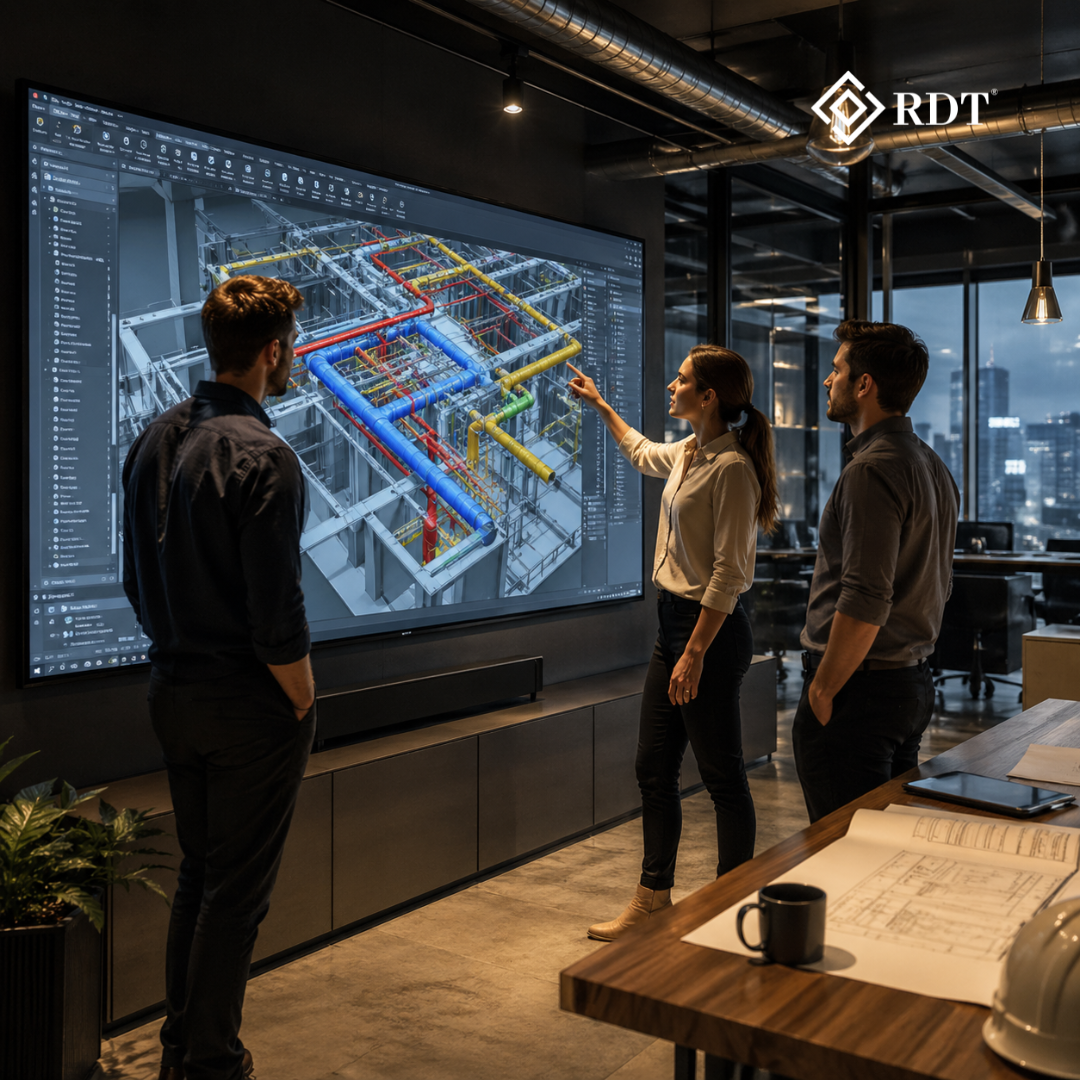
Building Information Modeling changes where decisions begin. Instead of starting with fragmented information, teams start with a coordinated digital model. Every element exists in relation to others. Dimensions are validated, systems are aligned, and conflicts are exposed early. BIM shifts decision-making from reaction to preparation. It allows teams to see consequences before they become problems, turning uncertainty into foresight.
From Drawings to Verified Data
BIM substitutes static drawings with actual details. A wall is not only a line; it has thickness, substantial, and price consequences. A duct is not only a way; it engages with structure, lighting, & space. This depth of information allows teams to verify decisions rather than assume outcomes. When questions arise, the model answers them clearly. Guessing becomes unnecessary because information is accessible and reliable.
BIM Modeling as a Project Backbone
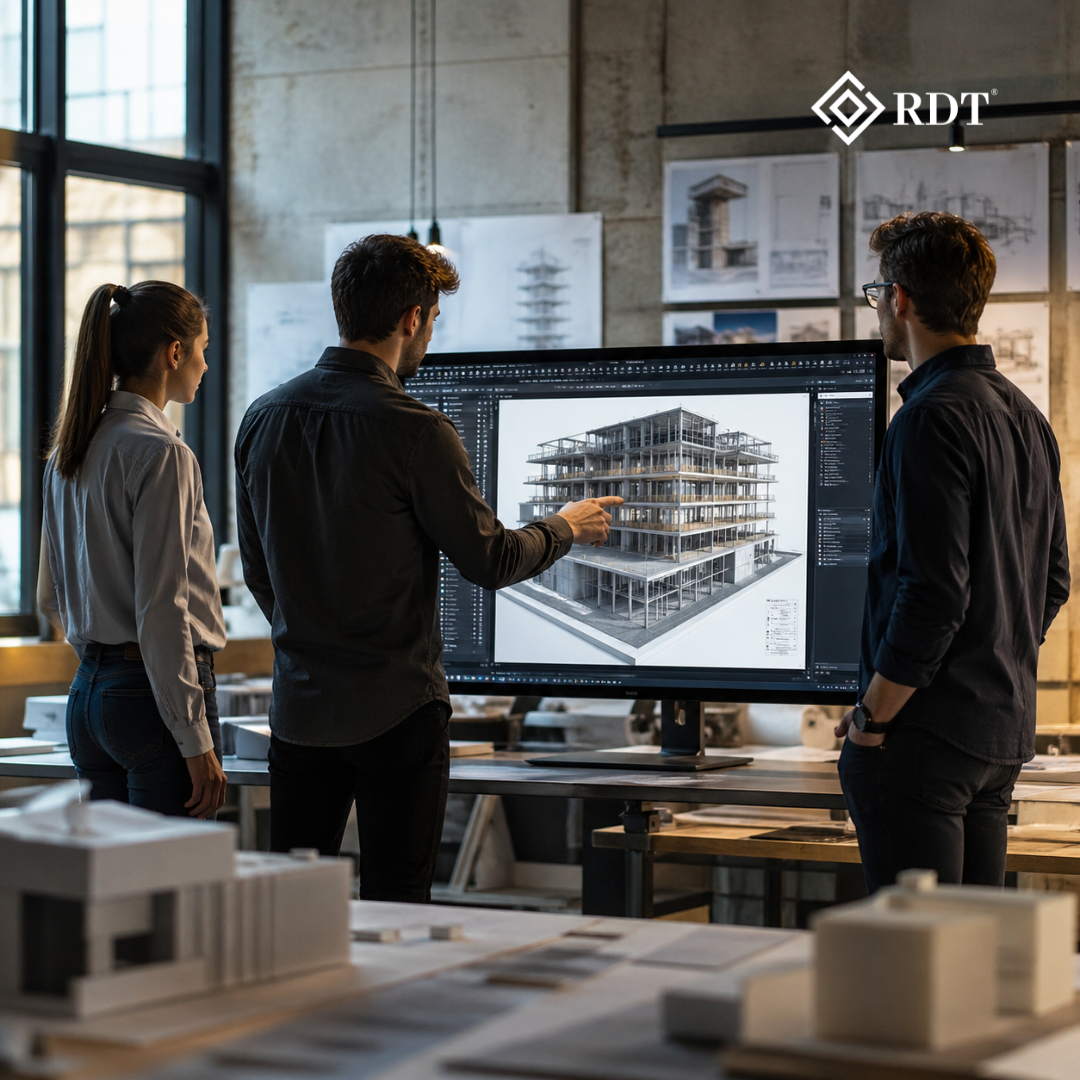
BIM Modeling functions as the backbone of modern project delivery. It supports design validation, quantity accuracy, coordination, and sequencing. Instead of working from multiple versions of truth, teams rely on one coordinated source. This consistency improves communication and reduces friction. Decisions are no longer debated based on interpretation but confirmed through data.
Coordination Without Site Surprises
Most on-site surprises are coordination failures discovered too late. BIM allows these conflicts to surface digitally. Structural elements align with services. Access clearances are checked. Installation sequences are reviewed before execution. When coordination happens early, site teams focus on building instead of correcting. This shift saves time, reduces waste, and improves morale.
Time Planning With Real Logic
Schedules fail when they are disconnected from physical reality. BIM supports time planning by linking construction sequences with actual geometry. Teams can visualize how work progresses, identify constraints, and adjust logic early. This prevents unrealistic timelines and last-minute compression. Time becomes a controlled variable instead of a constant struggle.
Financial Clarity Through Accuracy
Cost overruns often begin with inaccurate quantities. BIM supports precise quantity extraction directly from coordinated models. Modifications update quantities automatically, permitting price effects to be evaluated instantly. This clarity supports superior budgeting and notified decision-making. Economic control enhances because presumptions are substituted with measurable details.
Conviction for Clientele & Investors
Clientele wants predictability, not justifications. BIM offers transparency that builds faith. Investors can see progression, understand decisions, and estimate options visually. This diminishes ambiguity and speeds up sanctions. When conviction is high, collaboration enhances. BIM turns investor involvement into a strength in place of a risk.
Proficiency Makes the Difference
BIM is not efficient by default. Its value relies on how it is organized, handled, & aligned with project goals. Poorly made models can produce confusion rather than transparency. Proficient BIM partners guarantee that data is precise, functional, and constant throughout the project lifecycle. Proficiency changes BIM from a digital need into a strategic benefit.
BIM Modeling During Active Construction
As construction progresses, conditions change. Design refinements, site constraints, and coordination challenges emerge. BIM Modeling supports adaptability by allowing teams to update information and assess impacts quickly. Adjustments are made with understanding rather than urgency. This flexibility maintains control during the most demanding phases of the project.
Building Digitally Before Building Physically
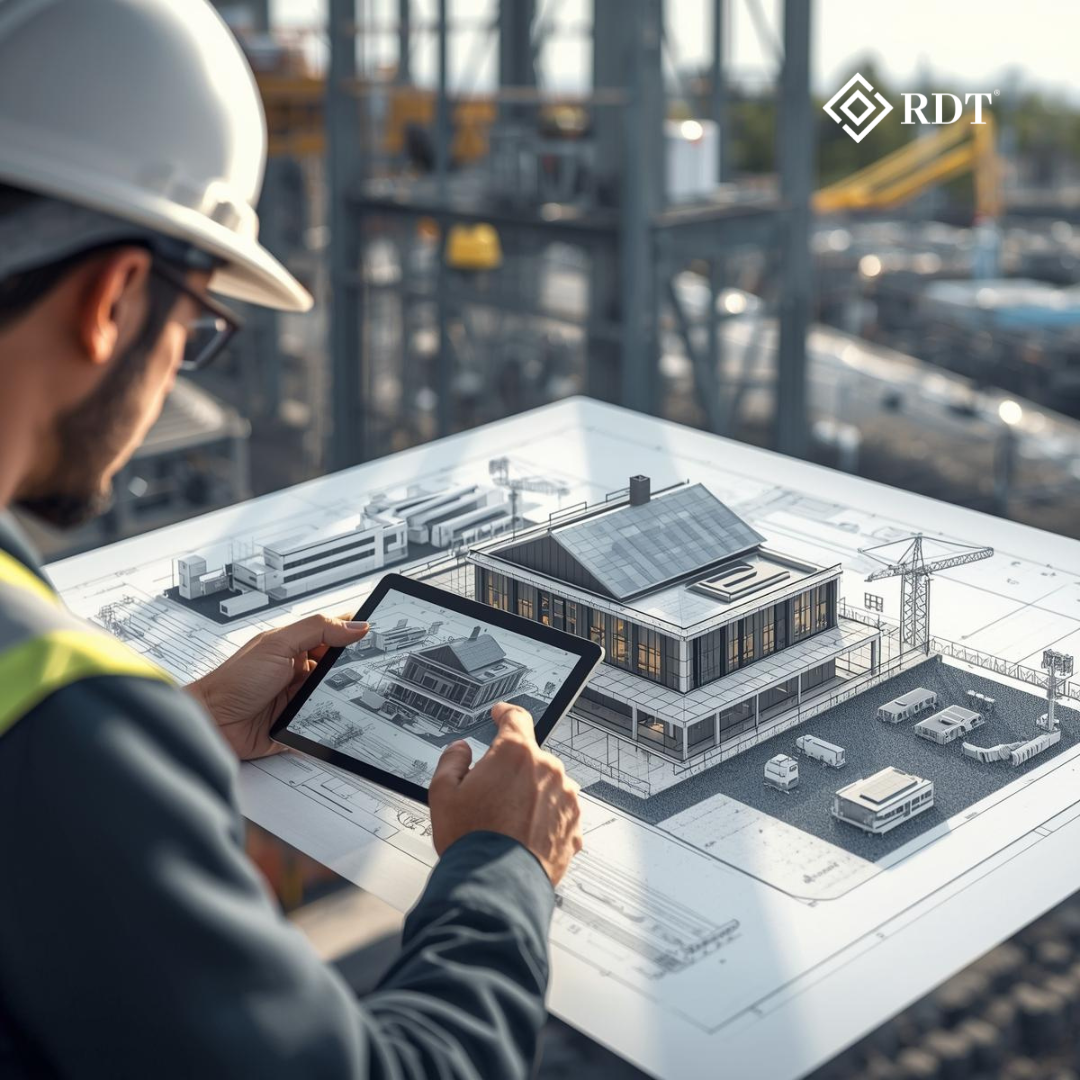
BIM promotes a simple but powerful principle: resolve issues digitally before they appear on site. Testing scenarios in a virtual environment avoids physical trial and error. This approach reduces risk and increases confidence. When construction begins, execution follows a proven path rather than an experimental one.
Why Guessing No Longer Belongs on Site
Construction today demands precision. Experience remains beneficial, but it must be assisted by confirmed data. Guessing undermines efficiency, quality, & faith. BIM replaces uncertainty with structure, enabling teams to deliver consistent outcomes. The projects that succeed are those that prioritize clarity over chance.
Sum up: Certainty Is an option
Guess what? Nothing improves when guessing controls construction decisions. The choice is obvious: continue depending on presumptions or embrace a system that provides assurance. BIM Modeling authorizes squads to plan precisely, coordinate efficiently, and build positively. When implemented with expertise, it transforms complexity into control and risk into reliability. Don’t guess on site—choose informed construction driven by data and intent.
Take advantage of RDT Technology’s world-class BIM services to eliminate guesswork, strengthen coordination, and deliver projects with clarity, confidence, and complete control.