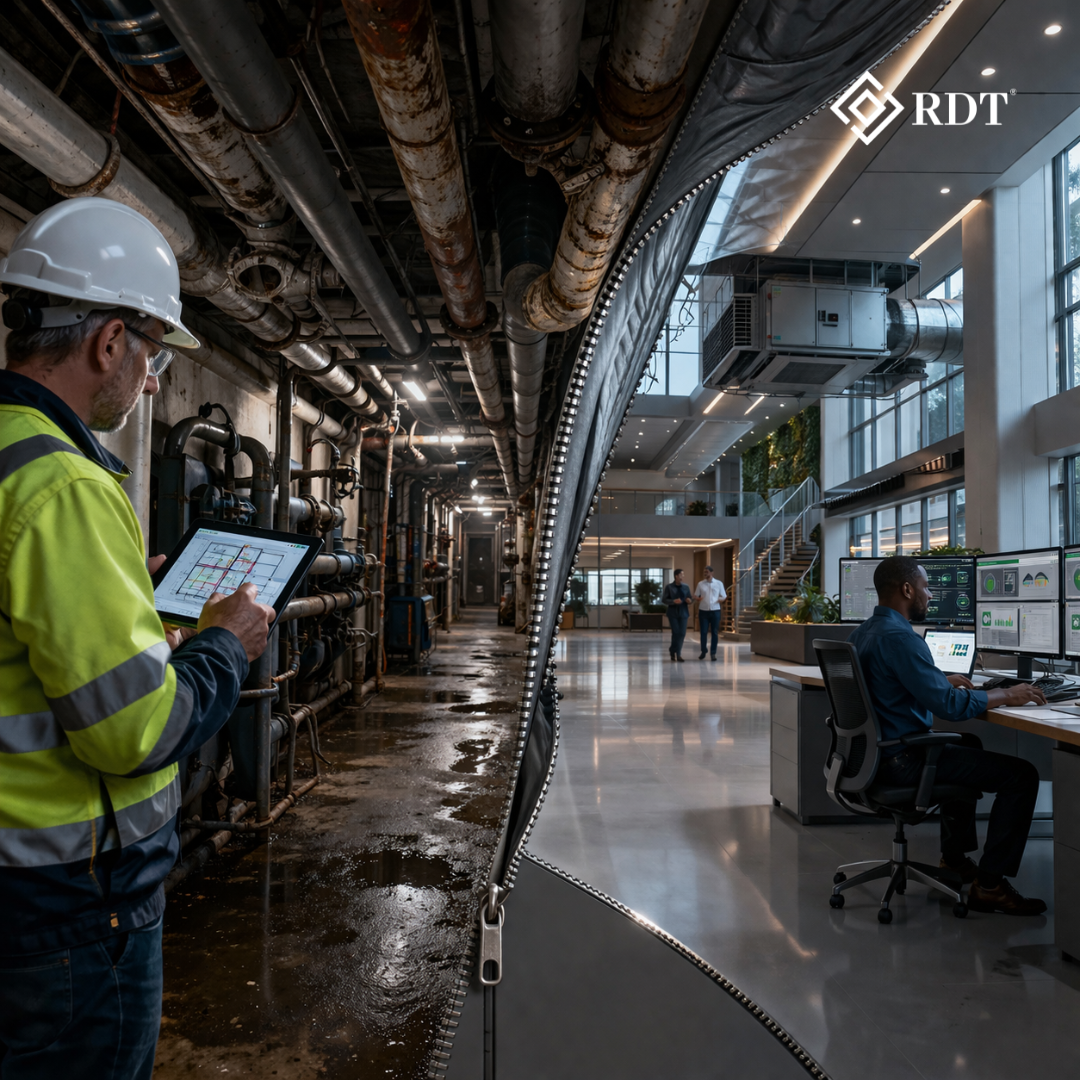
The construction industry has long been focused on design and delivery, often treating project completion as the final milestone. In reality, the true value of a building begins after handover. This is where 6D BIM for Facilities Management becomes a critical game changer, shifting the focus from short term delivery to long term performance, efficiency, and asset value. Operations, maintenance, performance tracking, and lifecycle management define whether an asset succeeds or silently drains resources over time.
Understanding 6D BIM in Facilities Management
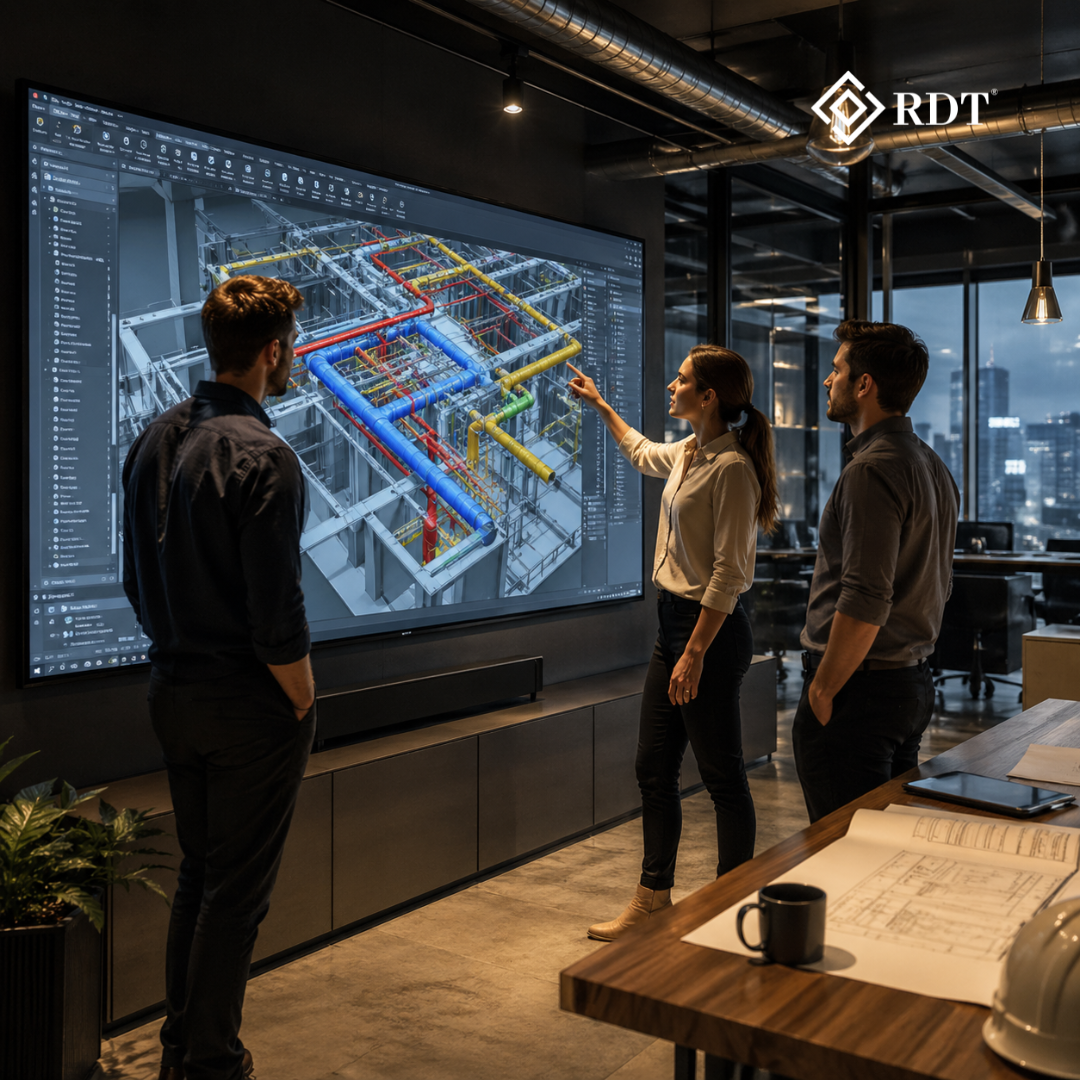
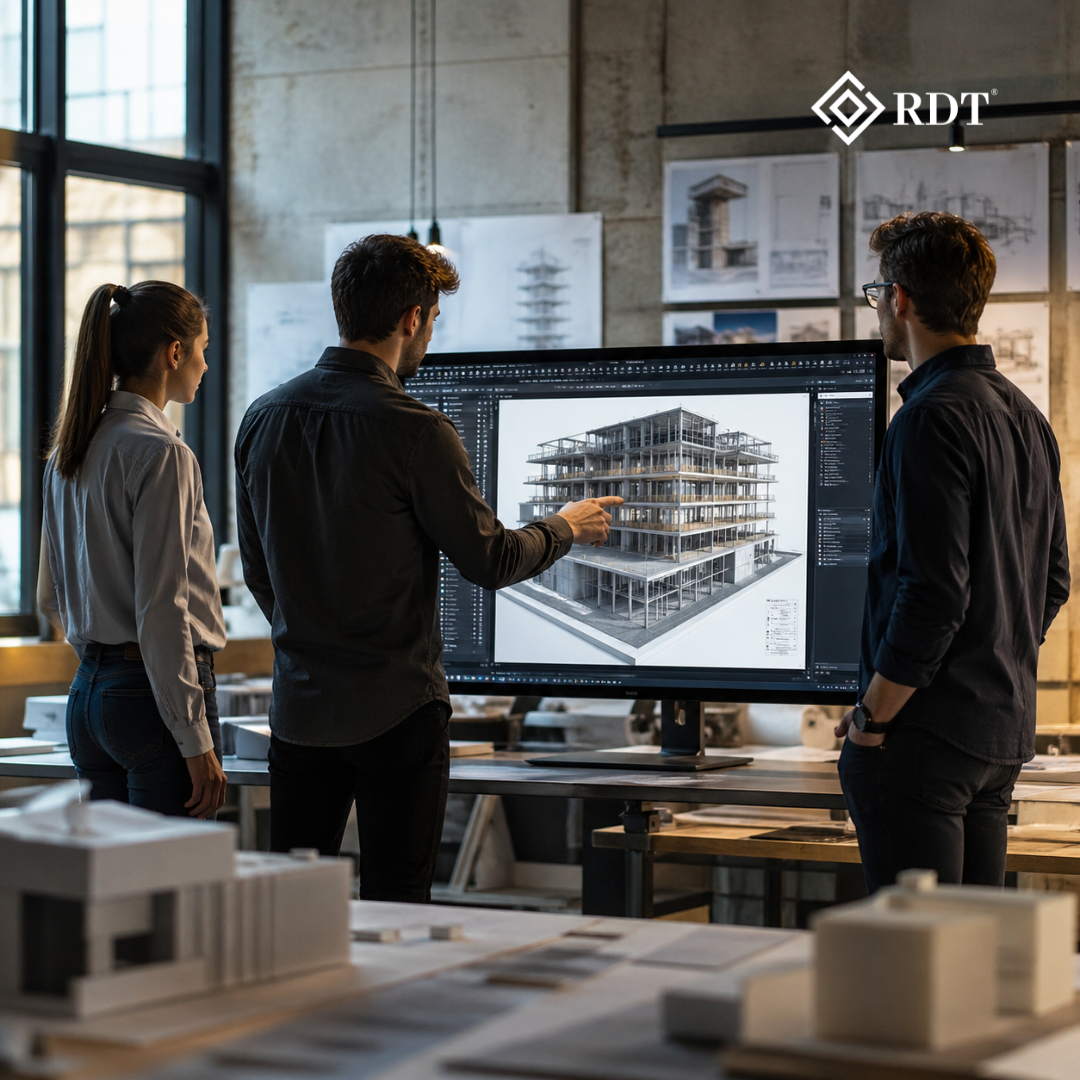
6D BIM goes beyond geometry and coordination. It embeds critical asset information, maintenance schedules, operational data, and lifecycle insights into a centralized digital model. Instead of relying on scattered documents, spreadsheets, and manual tracking, facility managers gain a single source of truth that evolves with the building. This shift is not just technological but strategic, enabling organizations to unlock long term value from their built assets.
A Data Driven Foundation for Lifecycle Management
At its core, 6D BIM integrates information that supports the entire lifecycle of a building. This includes equipment specifications, warranty details, installation data, maintenance procedures, and performance benchmarks. When this data is structured and accessible, decision making becomes faster and more accurate. Facility teams can anticipate issues, reduce downtime, and optimize operational efficiency without guesswork.
From Reactive to Proactive Maintenance
One of the most significant advantages of 6D BIM is proactive maintenance. Traditional facilities management often operates in a reactive mode, addressing problems only after they occur. This approach leads to higher repair costs, unexpected breakdowns, and operational disruptions. With 6D BIM, maintenance schedules are directly linked to building components, ensuring timely servicing and minimizing unexpected failures.
Driving Energy Efficiency and Sustainability
Energy efficiency is another area where 6D BIM delivers measurable impact. Buildings consume a substantial portion of global energy, and inefficient operations can lead to excessive costs over time. By integrating energy data into the BIM model, facility managers can monitor consumption, identify inefficiencies, and implement targeted improvements. This results in lower utility costs and improved environmental performance.
Simplifying Asset Management
The value of 6D BIM becomes even more evident during asset management. Every building contains thousands of components, each with its own lifecycle and maintenance requirements. Managing these assets manually is time consuming and prone to errors. 6D BIM simplifies this process by providing a comprehensive digital inventory, enabling quick access to asset information and smarter planning for replacements or upgrades.
Enhancing Collaboration Across Stakeholders
Facilities management involves multiple stakeholders, including maintenance teams, contractors, vendors, and building owners. Miscommunication and data silos often lead to inefficiencies. 6D BIM creates a shared platform where all stakeholders can access accurate and updated information. This transparency improves coordination and ensures smoother operations across the board.
Optimizing Lifecycle Costs
Lifecycle cost optimization is a major driver for adopting 6D BIM. While initial construction costs are important, they represent only a small portion of the total cost of ownership. Operational expenses, maintenance, and energy consumption dominate long term costs. 6D BIM provides insights that help organizations reduce these expenses and maximize return on investment.
Ensuring Compliance and Reducing Risk
6D BIM also supports regulatory compliance and risk management. Buildings must adhere to safety standards and operational guidelines, which can be difficult to track manually. With all relevant data stored within the model, facility managers can ensure compliance, maintain audit readiness, and reduce the risk of penalties or safety issues.
Enabling Smart Building Integration
As buildings become smarter, the need for integrated data systems continues to grow. 6D BIM acts as a foundation for smart building technologies by connecting with sensors, IoT devices, and building management systems. This integration allows real time monitoring and automated control, significantly improving operational efficiency.
Overcoming Adoption Challenges
Despite its benefits, 6D BIM adoption is still growing. Many organizations hesitate due to lack of awareness or perceived complexity. However, implementation can be gradual and strategic. Starting with accurate data capture during design and construction phases ensures a strong foundation for facilities management.
The Role of Training and Process Alignment
Successful implementation of 6D BIM requires proper training and process alignment. Facility teams must understand how to use the model effectively and integrate it into daily workflows. This shift towards data driven decision making is essential for maximizing the benefits of 6D BIM.
Scaling Across Multiple Assets
For organizations managing multiple buildings, 6D BIM offers a scalable solution. Centralized data enables performance comparison, benchmarking, and strategic planning across the entire portfolio. This leads to better decision making and improved operational efficiency at scale.
The Rise of Digital Twins
An emerging trend closely linked to 6D BIM is the development of digital twins. These are real time digital representations of physical assets. With 6D BIM as the foundation, digital twins enable predictive analytics, performance monitoring, and continuous optimization of building operations.
Future Ready Facilities Management
The future of facilities management is data driven and technology enabled. 6D BIM is at the center of this transformation, providing the structure and intelligence needed to manage complex assets effectively. As technology evolves, its capabilities will continue to expand, offering even greater value.
Conclusion
6D BIM represents a shift in how buildings are managed after construction. It transforms facilities management into a proactive, efficient, and data driven process. By improving decision making, reducing costs, and enhancing building performance, it unlocks the true lifetime value of built assets.
Ready to take control of your building’s performance and unlock long term value? Partner with RDT Technology to implement powerful 6D BIM solutions that streamline facilities management, reduce operational costs, and drive smarter asset decisions with confidence.