6D BIM for Facilities Management: Transform Your Building Operations Today
Facility managers across the globe are facing an unprecedented challenge. Buildings are becoming more complex, tenant expectations are rising, and budget constraints continue to tighten. The traditional approach to managing facilities is breaking down. Spreadsheets overflow with disconnected data. Maintenance teams lack real time visibility into building systems. Emergency repairs consume massive portions of budgets that could be invested elsewhere. This is where 6D BIM for Facilities Management emerges as a transformative solution that fundamentally changes how modern organizations operate their buildings.
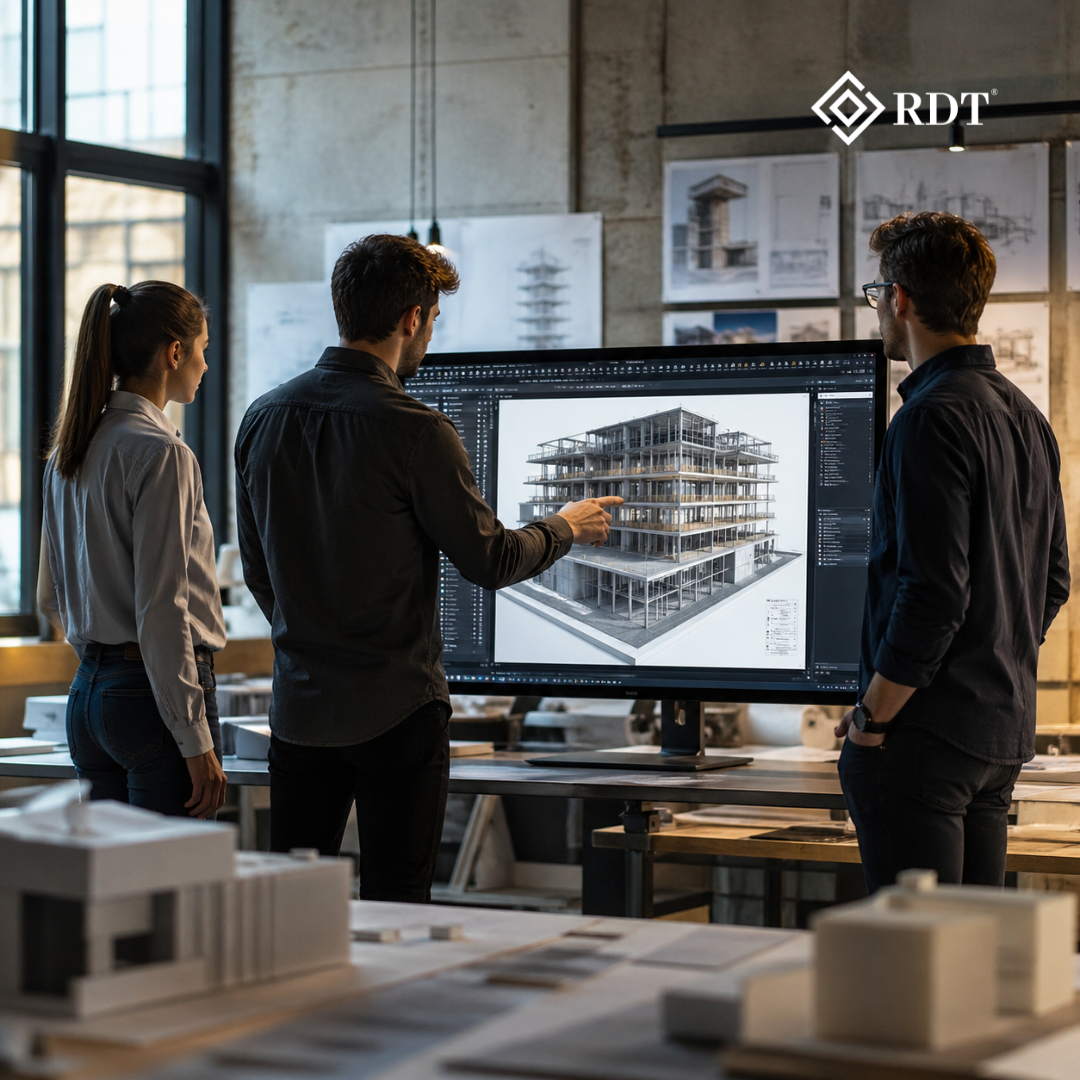
6D BIM (Building Information Modeling) extends beyond traditional three dimensional floor plans. It incorporates the fourth dimension of time, the fifth dimension of cost, and the sixth dimension of facilities management data. This comprehensive digital framework captures not just what a building looks like, but when work happens, how much it costs, and how to maintain everything efficiently. For facility managers, this means unprecedented visibility and control over building assets.
The Traditional Facilities Management Problem
For decades, facility managers have relied on disconnected systems. A maintenance request arrives via email. The work order enters a different software platform. Inventory data sits in yet another system. Drawings exist in paper form or in old PDF files scattered across shared drives. When something breaks at 2 AM, nobody has the complete picture. Which contractor should you call? What parts are in stock? When was this last serviced? These questions take hours to answer, even though the information theoretically exists somewhere.
The cost of this inefficiency is staggering. Emergency repairs cost three to five times more than planned preventive maintenance. Equipment fails because maintenance schedules are overlooked. Tenants become frustrated when problems persist. Staff spends time searching for information instead of solving problems. Many organizations accept these losses as inevitable. They should not. 6D BIM for Facilities Management offers a fundamentally different approach.
How 6D BIM Transforms Facility Operations
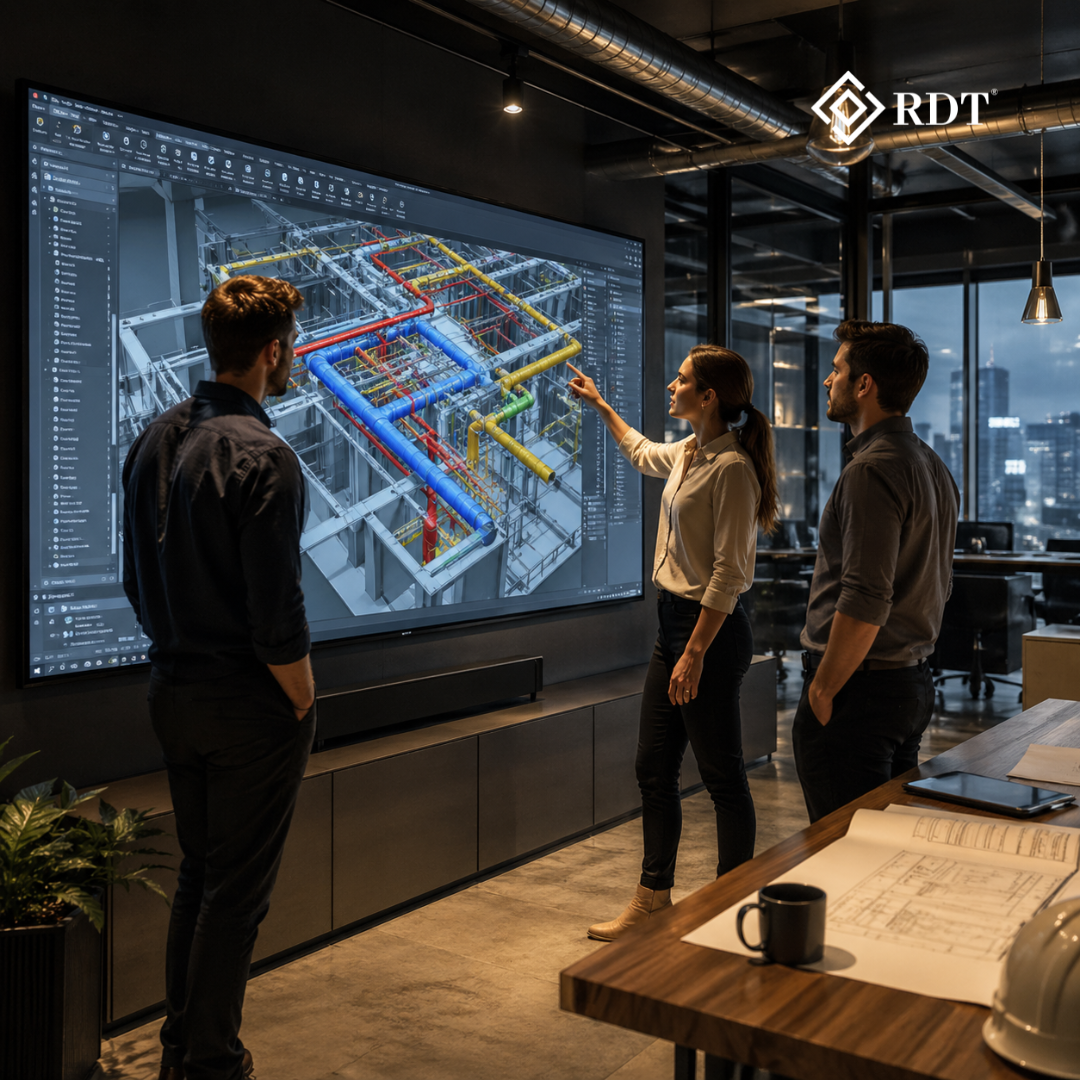
6D BIM creates a unified digital model of your entire facility. Every asset, system, and component has a digital twin. This model contains not just geometry but complete lifecycle information. When was the HVAC system installed? When is it due for service? What spare parts are in inventory? What does maintenance cost? When will this system likely fail? All of this information lives in one integrated model.
The fourth dimension of time is where real power emerges. You can see your facility as it exists today and simulate how it will change tomorrow. Renovation projects can be planned in complete detail before any walls are modified. Maintenance schedules can be optimized across entire building systems. Tenants can be notified before work begins. Contractors have complete information about access, safety requirements, and sequencing. Nothing gets overlooked because everything is visible.
The fifth dimension of cost connects budget to reality. Every maintenance item has associated costs. Equipment replacements carry budget implications that cascade through years of planning. Capital replacement programs can be optimized based on actual asset conditions rather than guesses. Facility directors can project costs five, ten, even twenty years into the future with real precision. This transforms facilities from a cost center where money disappears into a managed asset that generates strategic value.
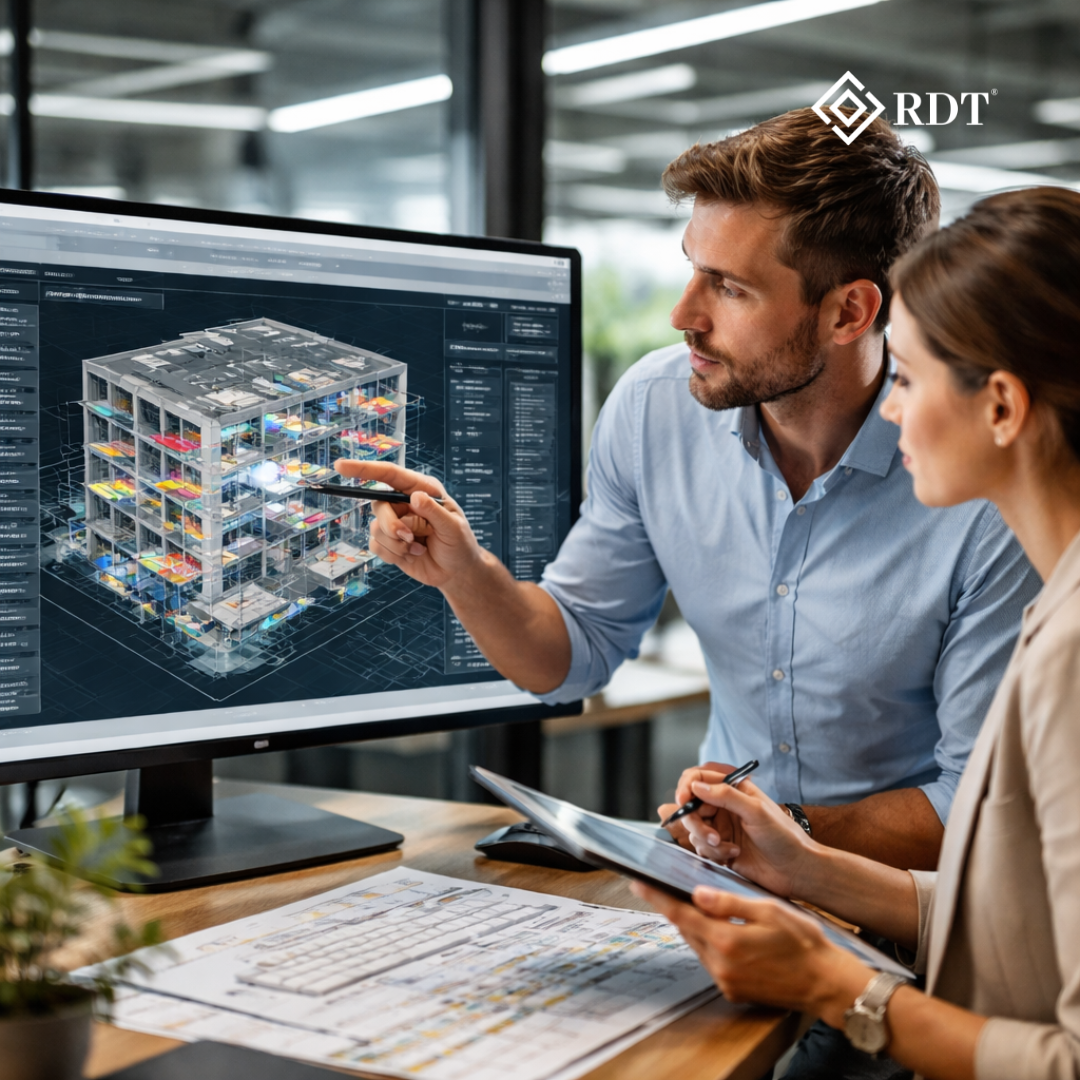
The sixth dimension is facilities management data itself. Think of this as the operational intelligence layer. It includes manufacturer specifications, warranty information, service history, performance data, occupancy patterns, and energy consumption. This is the knowledge that separates reactive firefighting from strategic asset management. A facility manager with this data can predict failures weeks in advance, schedule work during optimal times, and keep tenants completely satisfied.
Real World Impact on Facility Costs and Operations
The impact of 6D BIM for Facilities Management extends far beyond theoretical benefits. Organizations implementing this approach report dramatic improvements. Emergency repairs drop by sixty to eighty percent because maintenance becomes predictive instead of reactive. Overall maintenance costs decline by thirty to forty percent through optimization and efficiency. Capital planning becomes substantially more accurate. Unplanned downtime disappears because building systems are monitored continuously.
One international facility management company reduced annual maintenance costs by two point three million dollars across their portfolio by implementing 6D BIM. Another achieved ninety five percent tenant satisfaction improvement within the first year by responding to maintenance issues faster and more completely. A third organization reduced work order processing time from four hours to twelve minutes. These are not exceptional results. These are normal outcomes when facility management teams have complete information.
Energy consumption also improves dramatically. When you understand exactly how your HVAC, lighting, and other systems are performing, optimization becomes possible. Many organizations discover they can reduce energy consumption by ten to twenty percent immediately by fixing control issues they did not even know existed. Over years, this represents hundreds of thousands of dollars in savings.
Implementation Challenges and How to Address Them
Implementing 6D BIM for Facilities Management requires planning, but the process is well established. The first step involves creating or updating the building information model. For new construction, this happens naturally. For existing facilities, it requires assessing what information already exists, what must be captured, and what can be imported from existing systems. This is work, but it is finite work.
The second step involves connecting operational systems. Maintenance management software, accounting systems, energy monitoring platforms, and tenant communication tools all become part of the integrated ecosystem. This integration creates the flow of data that transforms everything from reactive to predictive.
The third step is cultural. Facility teams must adopt new workflows and new thinking. Instead of responding to failures, they manage assets based on data. Training is essential, but people adapt quickly when they experience direct benefits. When a facility technician can look at a screen and see exactly what needs maintenance, when, and why, work becomes more satisfying and efficient.
Why 6D BIM Represents the Future of Facilities Management
Buildings are among the largest capital investments organizations make. Most facility managers operate with grossly incomplete information about these assets. This situation is changing rapidly. Owners, operators, and tenants increasingly expect building systems to perform optimally. Regulations around energy efficiency and sustainability require detailed building performance data. Competition for tenant loyalty demands responsive facilities management.
Organizations that embrace 6D BIM for Facilities Management will gain competitive advantage. They will operate more efficiently. They will satisfy tenants better. They will spend less on emergency repairs and more on strategic improvements. They will predict failures instead of reacting to them. They will make capital decisions based on data instead of hunches.
The technology exists today. The software platforms work. The process is established. The only variable is commitment. Facilities managers who implement this approach in 2025 and 2026 will look back at today’s reactive processes with the same perspective we now hold toward manual filing systems. The question is not whether facilities management will evolve to this model. The question is when your organization will make the transition.
Take Your First Step Today
Your facility contains tremendous value that your current systems likely fail to capture. That value could be converted into lower costs, better operations, and improved tenant satisfaction. The journey toward intelligent facilities management begins with assessment and planning.
Call RDT Technology today to schedule a consultation about 6D BIM for Facilities Management at your organization. Our team of facilities technology experts will help you understand your current state, define your vision for the future, and create a practical roadmap to get there. The best time to transform your facilities management was years ago. The second best time is today. Contact RDT Technology now and discover how modern buildings truly operate.