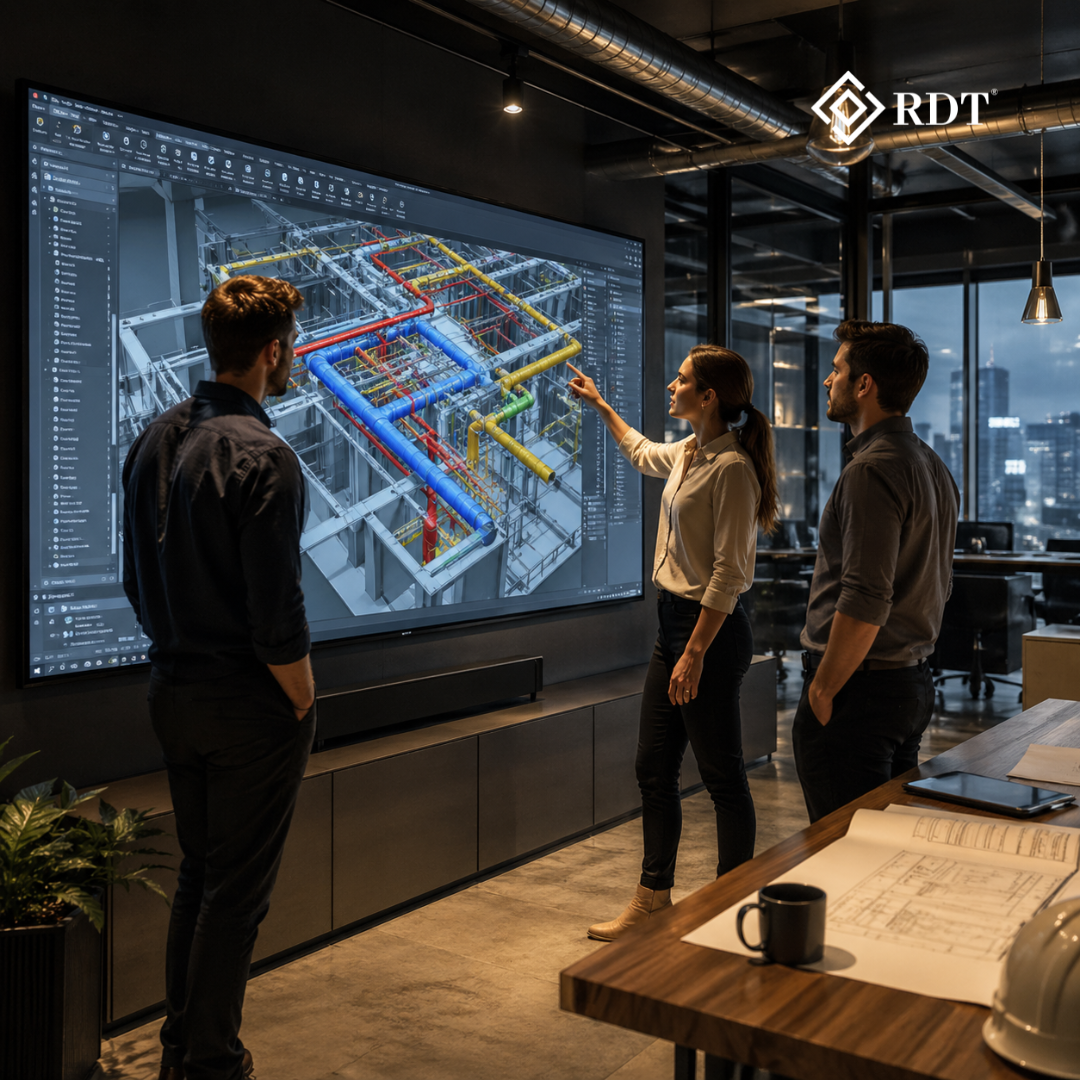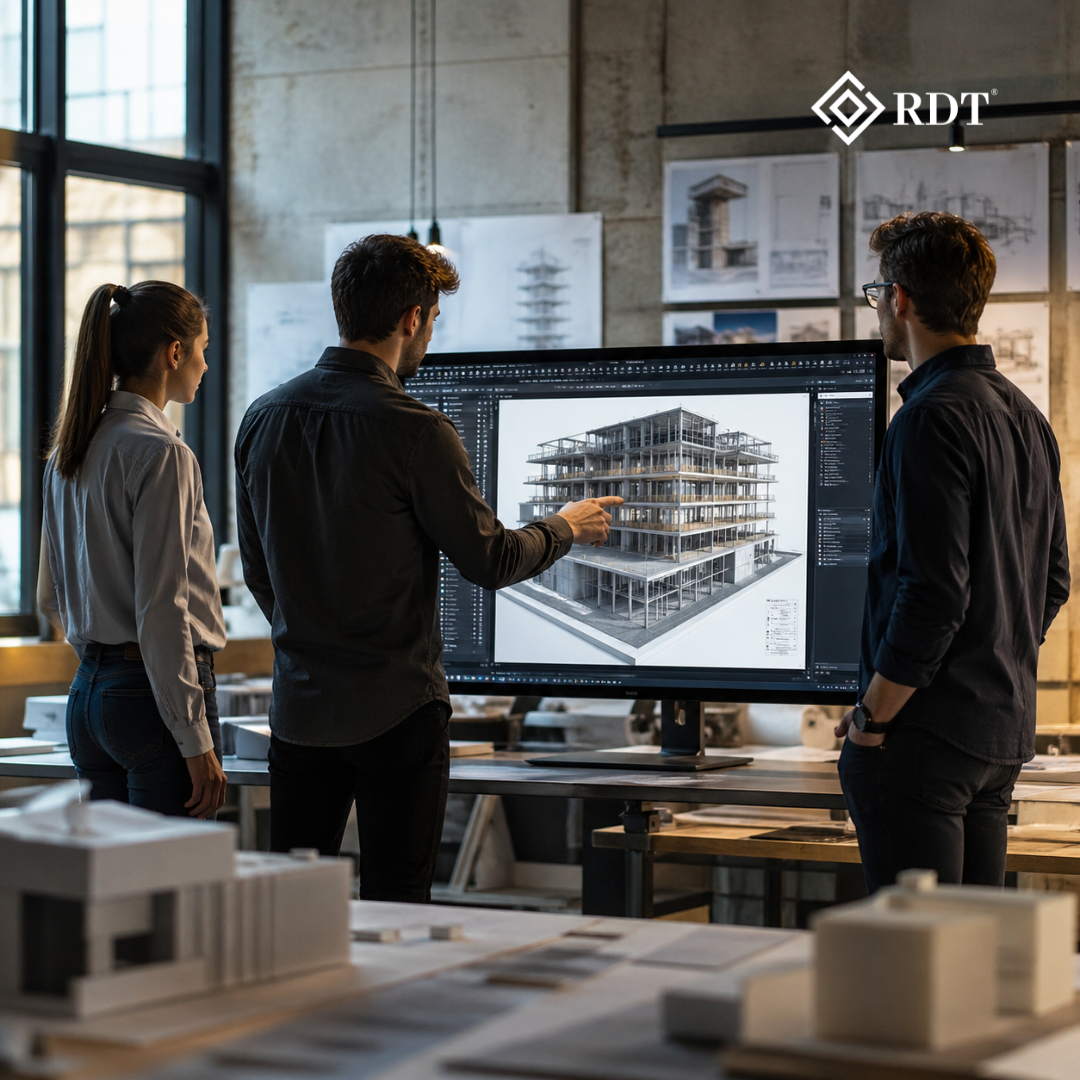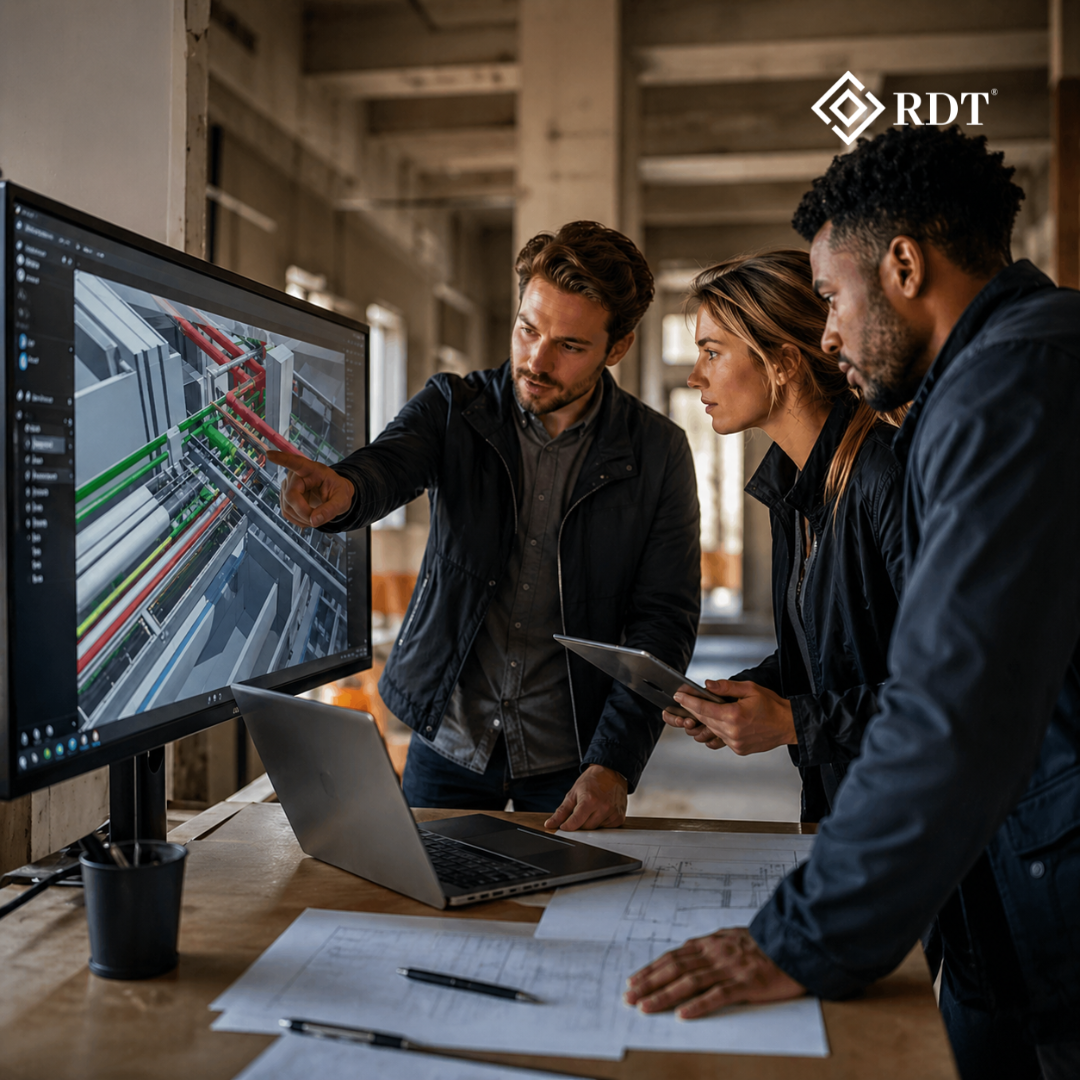
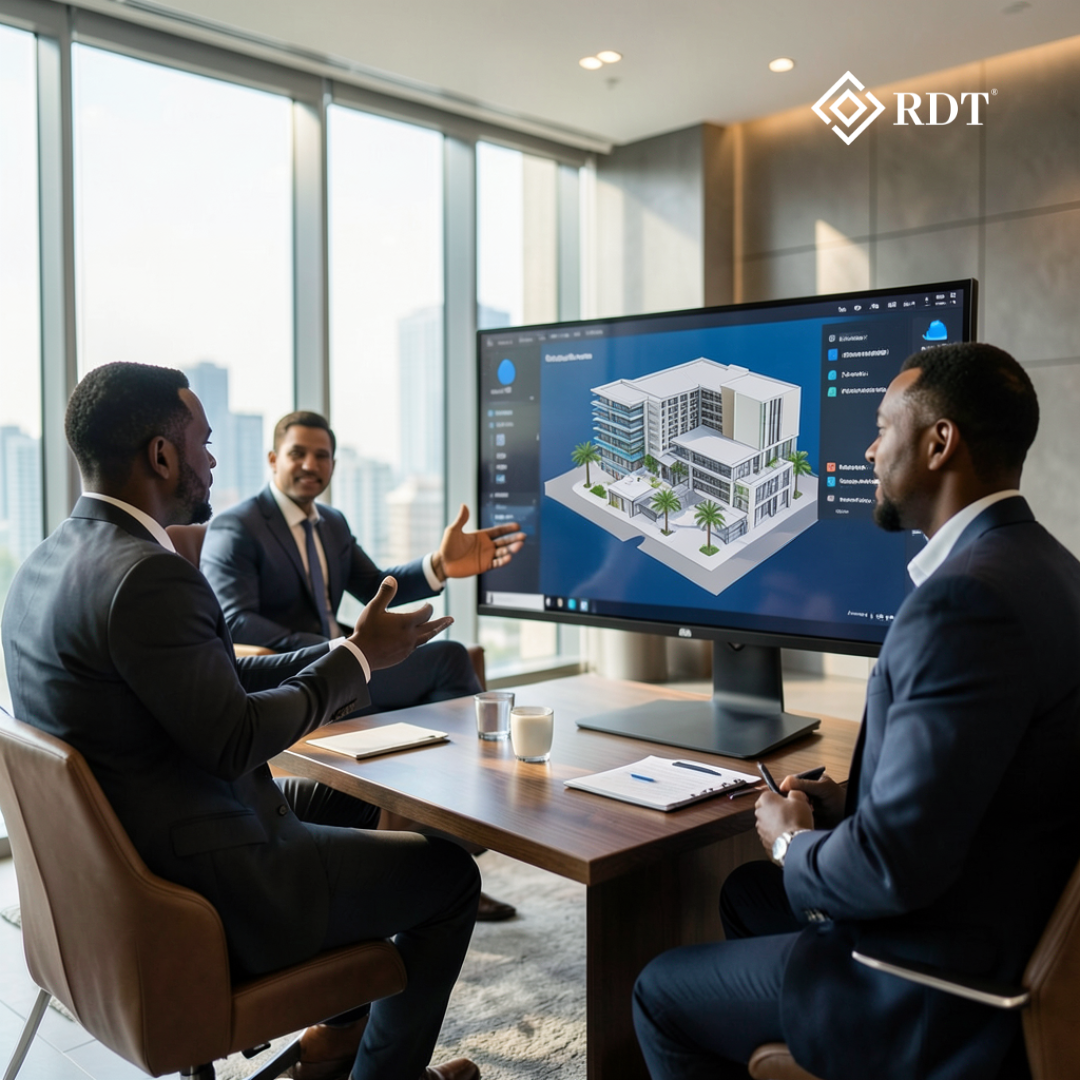
In the modern construction industry, selling a project before it is built is no longer just a marketing strategy. It has become a core business model for developers, contractors, and investors. Pre-selling helps secure funding, validate market demand, and reduce financial risk. However, convincing buyers to invest in something that does not physically exist yet is a major challenge. Traditional 2D drawings, blueprints, and floor plans are no longer enough to communicate the vision of a project.
This is where Building Information Modeling and 3D visualization play a transformative role. These technologies have changed how projects are presented, understood, and sold. They bridge the gap between technical design and buyer imagination, turning abstract plans into immersive and realistic experiences.
Understanding BIM and 3D Visualization
Building Information Modeling is more than just a 3D model. It is a digital representation of a building that contains geometry, spatial relationships, material properties, quantities, and performance data. It allows all stakeholders to collaborate on a single source of truth throughout the project lifecycle.
3D visualization focuses on creating realistic images, animations, and walkthroughs that depict how a building will look and feel once completed. When combined with BIM, visualization becomes data driven, accurate, and aligned with real design and construction parameters.
Together, BIM and 3D visualization create a powerful toolkit for pre selling construction projects.
Why Pre Selling Needs Advanced Visualization
Pre-selling relies heavily on perception and trust. Buyers need to feel confident about the final outcome, even when construction has not started or is still in early stages. In the past, developers used brochures, static renders, and physical scale models. While these tools had value, they often failed to communicate the full experience of a space.
Modern buyers expect more clarity. They want to understand layouts, finishes, views, lighting, amenities, and overall lifestyle potential. Investors want accurate data about unit sizes, efficiency, and project feasibility. BIM and 3D visualization meet these expectations by presenting a project in a way that is both visually compelling and technically credible.
Creating Emotional Connection Through Realistic Visuals
One of the strongest advantages of 3D visualization is its ability to create emotional engagement. High quality renders and walkthroughs allow potential buyers to imagine themselves living or working in the space. They can visualize morning sunlight entering the living room, the city view from the balcony, or the ambiance of a lobby and common areas.
This emotional connection is crucial in pre-selling. Buyers are more likely to commit when they can see and feel the value of the project. Visualization transforms a concept into a tangible experience, even before the first brick is laid.
Enhancing Buyer Confidence and Reducing Uncertainty
A major barrier in pre-selling is uncertainty. Buyers worry about design changes, quality issues, and differences between marketing materials and final construction. BIM based visualization reduces this gap by ensuring that visuals are generated from actual design data.
Because BIM models contain accurate dimensions and specifications, the visuals are not just artistic impressions. They are technically aligned with construction documents. This builds trust and transparency, which are critical for securing early sales and long term brand credibility.
Supporting Faster Sales Cycles
In competitive real estate markets, speed matters. Developers want to sell units quickly to secure cash flow and demonstrate project viability. BIM and 3D visualization accelerate decision making by providing clear and detailed information upfront.
Interactive walkthroughs, virtual tours, and panoramic views allow buyers to explore the project remotely. This is especially valuable for international investors and buyers who cannot visit the site. Faster understanding leads to faster approvals, bookings, and contracts.
Improving Marketing and Sales Strategies
Modern real estate marketing relies heavily on digital channels. Websites, social media, online listings, and virtual events are key platforms for attracting buyers. BIM driven 3D visualization content is highly shareable and engaging across these platforms.
Developers can create promotional videos, interactive tours, and augmented reality experiences that stand out in crowded markets. These tools not only attract attention but also convey professionalism and technological leadership, which enhances brand perception.
Aligning Design, Marketing, and Sales Teams
One common challenge in construction projects is misalignment between design teams and marketing teams. Architects and engineers work with technical drawings, while marketing teams translate these into promotional content. This often leads to inconsistencies and miscommunication.
BIM serves as a central digital model that both technical and marketing teams can use. Visualization outputs can be generated directly from the BIM model, ensuring consistency across all communication channels. This alignment reduces errors, rework, and reputational risks.
Facilitating Customization and Personalization
Buyers increasingly demand customization options such as different finishes, layouts, and color schemes. BIM and 3D visualization make it possible to present multiple design options without physically building them.
Developers can show different interior design packages, furniture layouts, and material selections in real time. This helps buyers make informed choices and increases the perceived value of the property. Personalization also strengthens buyer satisfaction and loyalty.
Supporting Investor Presentations and Funding
Pre-selling is not limited to individual buyers. Developers also need to convince investors, lenders, and stakeholders about the project’s viability. BIM and 3D visualization provide powerful tools for presentations, feasibility studies, and financial approvals.
Detailed models can demonstrate space utilization, efficiency, construction phasing, and potential returns. Visualizations help non technical stakeholders understand complex concepts quickly, improving decision making and reducing approval timelines.
Reducing Design Changes and Costly Revisions
Early visualization helps identify design issues before construction begins. Stakeholders can review layouts, circulation, and aesthetics in a virtual environment and provide feedback early. This reduces late stage design changes that can delay construction and increase costs.
From a pre-selling perspective, early design validation ensures that what is marketed can actually be delivered. This protects developers from disputes, refunds, and legal risks.
Enabling Virtual Reality and Interactive Experiences
The integration of BIM and visualization with virtual reality and augmented reality is redefining pre selling experiences. Buyers can wear VR headsets and walk through apartments, offices, and amenities as if they were physically present. Augmented reality apps can overlay digital models onto real world environments.
These immersive experiences create a strong competitive advantage. They also reduce the need for expensive physical show units, saving time and capital while still delivering high impact sales tools.
Improving Communication with Stakeholders
Construction projects involve multiple stakeholders including architects, engineers, contractors, investors, and end users. BIM based visualization provides a common visual language that everyone can understand.
Clear visuals reduce misunderstandings, improve coordination, and streamline approvals. This is particularly important in pre-selling, where clear communication builds credibility and reduces resistance from buyers and regulators.
Enhancing Transparency and Brand Trust
Transparency is a key factor in building long term relationships with buyers. When developers use BIM driven visualization, they demonstrate a commitment to accuracy and accountability. Buyers can see that the project is backed by structured data and professional processes.
This transparency builds trust, which is essential for repeat business and brand reputation. In markets where buyers have experienced delays and quality issues, this technological transparency can be a major differentiator.
Scaling Pre Selling Across Large and Complex Projects
Large scale developments such as mixed use complexes, high rise towers, and master planned communities are difficult to communicate through traditional methods. BIM and 3D visualization allow developers to present entire ecosystems in a clear and engaging way.
Master plans, infrastructure, landscaping, and amenities can be visualized in detail. Buyers can understand how their unit fits into the larger community. This holistic view enhances perceived value and supports premium pricing strategies.
Future Trends in BIM and Pre Selling
The future of pre-sales is increasingly digital and immersive. Integration with artificial intelligence, real time data analytics, and digital twins will further enhance the accuracy and interactivity of BIM models. Cloud based collaboration will allow global stakeholders to access models and visuals instantly.
As buyer expectations continue to rise, developers who invest in advanced BIM and visualization capabilities will gain a strong competitive edge. Those who rely on outdated methods risk losing market relevance and buyer confidence.
Conclusion
BIM and 3D visualization have fundamentally changed how construction projects are marketed and sold before completion. They transform technical designs into compelling visual narratives, build buyer confidence, accelerate sales, and align all stakeholders around a shared vision. In an industry where perception, trust, and timing are critical, these technologies are no longer optional. They are essential tools for successful pre-selling strategies.
If you want to leverage the power of BIM and 3D visualization to boost your pre-selling strategy and maximize project success, partner with RDT Technology. Our world class BIM modeling and visualization services are engineered to deliver accuracy, clarity, and impact for large and complex construction developments. Take the next step toward smarter marketing and faster sales with RDT Technology.