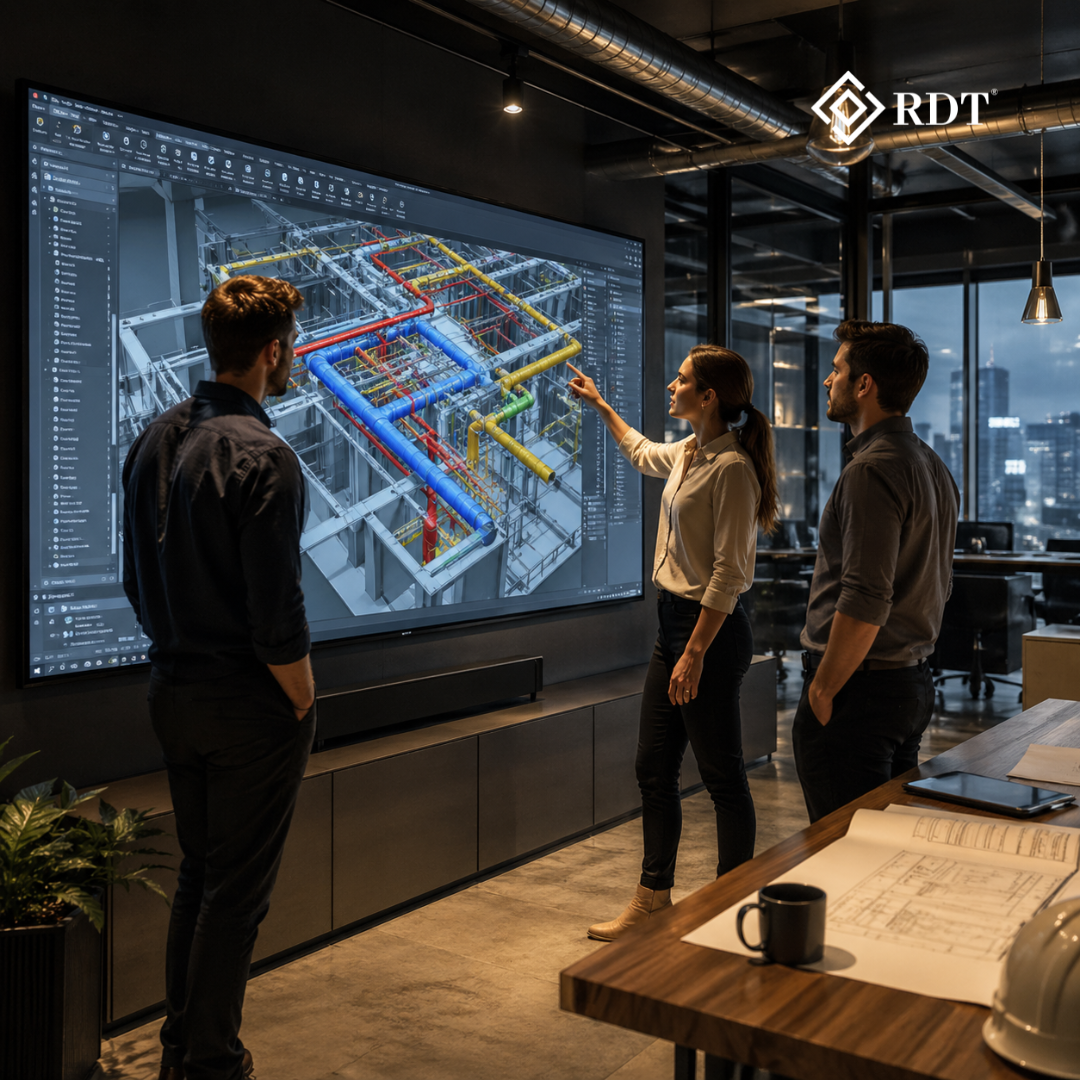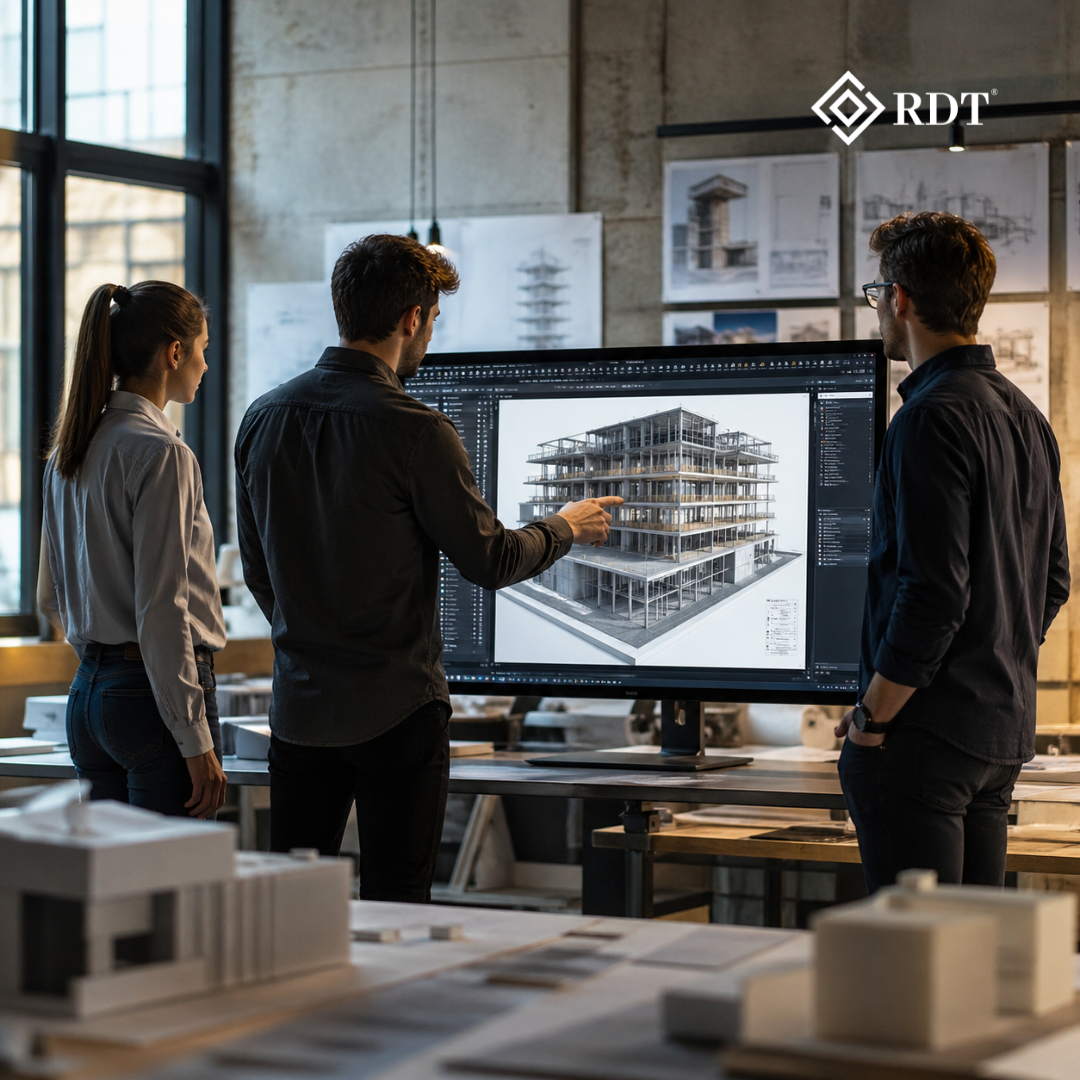

In the real estate and construction industries, selling a project has always depended on trust, imagination and timing. Buyers and investors rarely see a completed building when they make a purchase decision. Instead, they rely on drawings, brochures, verbal explanations and sometimes physical models to understand what the future project will look like. However, the expectations of modern buyers have changed. They want clarity, realism and confidence before they commit their money.
This is where 3D visualization has emerged as the new sales team. It does not just support sales efforts but actively drives decisions, builds confidence and accelerates deals. In many projects today, visualization is the primary tool that convinces clients to buy before construction even begins.
The Shift from Traditional Sales Methods to Visual Experiences
For decades, property sales relied heavily on floor plans, static renders and verbal descriptions. While these tools were useful, they required buyers to imagine the final result. Many clients struggled to interpret technical drawings, and even experienced investors often found it difficult to visualize spatial relationships and finishes.
3D visualization transforms this experience. Instead of asking buyers to imagine a space, it shows them the space in realistic detail. High quality visualizations replicate lighting, materials, textures, surroundings and even human activity. This creates an emotional connection and a sense of ownership long before the project is built.
In a competitive market, this emotional engagement is often the difference between hesitation and immediate commitment.
Visualization as a Powerful Sales Narrative
Sales is not only about facts and numbers. It is about storytelling. Buyers want to understand how a property will fit into their lifestyle or how a commercial project will perform in the market.
3D visualization tells a story. It shows how sunlight enters a living room, how people move through a commercial lobby, how landscaping enhances a residential community and how a skyline evolves with a new tower. These visual narratives allow clients to see themselves in the project.
This storytelling capability makes visualization function like a skilled sales representative who explains benefits clearly and persuasively. Instead of a sales pitch, the project speaks for itself through visuals.
Faster Decision Making for Buyers and Investors
One of the biggest challenges in property sales is the long decision cycle. Buyers often delay because they cannot fully understand the project or feel uncertain about the outcome.
3D visualization reduces uncertainty. When buyers see realistic images, walkthroughs and animations, they gain clarity about layout, finishes, amenities and surroundings. This clarity reduces questions, objections and hesitation.
Investors also benefit from visual clarity. They can assess the market potential, design quality and branding impact of a project more effectively. As a result, they make decisions faster, which speeds up funding and project approvals.
Competitive Advantage in Pre Construction Sales
Pre construction sales are critical for project financing and cash flow. Developers need to secure buyers before completion to ensure financial stability. However, selling something that does not physically exist is challenging.
3D visualization bridges this gap. It allows developers to showcase a future project as if it already exists. Virtual tours, realistic renders and immersive experiences make pre construction sales tangible and convincing.
Projects with strong visualization often outperform competitors in early sales. Buyers are more confident when they can see what they are purchasing, even if the building is still on paper.
Enhancing Marketing and Branding Strategies
Marketing in real estate and construction is no longer limited to brochures and site visits. Digital platforms, social media and online property portals are now major sales channels.
3D visualization content performs exceptionally well in digital marketing. High quality renders and animations attract attention, increase engagement and improve conversion rates. They also strengthen brand identity by presenting a consistent and professional visual language.
Developers and real estate companies that use visualization effectively position themselves as innovative and trustworthy. This perception directly influences buyer confidence and brand loyalty.
Supporting Sales Teams with Clear Communication Tools
Sales professionals often struggle to explain complex designs and technical details to non technical clients. Miscommunication can lead to misunderstandings, disputes and lost deals.
3D visualization simplifies communication. Sales teams can use visual content to explain layouts, features and design intent without relying on technical jargon. Clients understand instantly what is being offered.
This clarity empowers sales teams to focus on relationship building rather than technical explanations. Visualization becomes a silent but powerful partner in every sales conversation.
Reducing Costly Changes and Disputes
Misaligned expectations are a common cause of disputes in real estate and construction projects. Buyers may claim that the final product does not match what they imagined, leading to dissatisfaction and legal conflicts.
3D visualization sets clear expectations. When buyers see accurate visual representations, they know what to expect. This reduces the likelihood of disputes related to design, finishes and layout.
From a developer perspective, visualization also helps identify design issues early. Potential problems can be addressed before construction begins, saving time and money.
Leveraging Virtual Reality and Interactive Experiences
Beyond static images, modern visualization includes virtual reality and interactive walkthroughs. These technologies allow buyers to explore a property as if they were physically present.
Virtual experiences are especially valuable for international investors and remote buyers who cannot visit the site. They can walk through apartments, offices or retail spaces from anywhere in the world.
This accessibility expands the market reach and accelerates global sales. It also positions companies as technology driven and future ready.
Building Trust Through Transparency
Trust is the foundation of every property transaction. Buyers invest large sums and want assurance that the project will meet their expectations.
3D visualization builds trust by providing transparent and detailed previews. When developers share realistic visuals, they demonstrate confidence in their design and commitment to quality.
This transparency strengthens relationships with buyers, investors and stakeholders. It also improves the credibility of the developer or construction firm in the market.
Visualization as a Strategic Investment, Not a Cost
Some companies still view visualization as an optional expense. However, the reality is that visualization is a strategic investment that directly impacts revenue.
High quality visuals can increase pre sales, reduce marketing time, shorten sales cycles and minimize disputes. The return on investment is often significant, especially for large scale developments.
In a market where buyers have endless options, visualization can be the deciding factor that drives a purchase.
Real World Impact on Property and Project Sales
Across the globe, developers and real estate firms are leveraging 3D visualization to achieve remarkable results. Projects with strong visual content often sell units before construction milestones are reached.
Luxury residential developments use cinematic renders and walkthroughs to attract premium buyers. Commercial projects use visualization to secure tenants and investors. Mixed use developments use immersive visuals to showcase community lifestyle and amenities.
In each case, visualization acts as a persuasive sales tool that communicates value better than traditional methods.
Future of Sales in Construction and Real Estate
The future of property sales is digital, immersive and data driven. As technology evolves, visualization will integrate with BIM, smart city data and real time simulations. Buyers will experience properties in interactive digital environments before they exist physically.
Sales teams will increasingly rely on visual data to explain performance, sustainability and lifecycle benefits. Visualization will not only show how a building looks but also how it performs.
Companies that adopt visualization today are preparing for a future where digital experiences dominate decision making.
Why Your Business Needs a Strong Visualization Strategy
Whether you are a developer, contractor, architect or real estate marketer, visualization is no longer optional. It is a core sales and marketing tool.
A strong visualization strategy includes high quality renders, animations, virtual tours and integration with marketing platforms. It requires collaboration between design teams, marketing teams and technology partners.
When implemented effectively, visualization transforms how projects are presented, perceived and sold.
Conclusion
3D visualization has evolved from a design support tool into a powerful sales engine. It builds emotional connections, accelerates decisions, enhances marketing impact and strengthens trust. It empowers sales teams, reduces disputes and increases pre construction sales.
In a market where buyers demand clarity and confidence, visualization is the new sales team that never sleeps, never miscommunicates and always delivers a compelling story.
If you want to accelerate property and project sales with high quality 3D visualization, partner with RDT Technology. Our visualization solutions are designed to help developers, architects and real estate professionals showcase projects with unmatched realism and impact. Contact RDT Technology today to transform your project presentations into powerful sales tools and stay ahead in a competitive market.