In the Architecture, Engineering and Construction industry, trust is everything. Clients invest millions into projects that will shape skylines, communities and infrastructure for decades. Engineers bring calculations, drawings, reports and technical documentation to justify decisions. Yet in reality, many clients do not truly understand these documents.
What clients understand is what they can see.
This is why 3D visualization has become one of the most powerful communication tools in the modern AEC industry. More than technical drawings, more than engineering spreadsheets, more than written reports, 3D visualization creates instant clarity and emotional confidence. And that confidence often drives decisions.
This does not mean engineers are less important. It means human perception is visual first. Understanding this shift is critical for firms that want to win projects, reduce misunderstandings and build stronger client relationships.
The Psychology Behind Visual Trust
Humans are visual learners. Studies consistently show that people process visual information far faster than text or numbers. When a client sees a realistic rendering of a building, bridge, factory or interior space, they instantly understand the design intent.
Engineering drawings require training to interpret. Most clients are not engineers. They might nod in meetings but remain uncertain. A single 3D visualization can eliminate confusion that would take hours of explanation.
When clients see lighting, materials, spatial relationships and scale, they feel a sense of ownership and certainty. This emotional response creates trust.
Trust is not built only on technical accuracy. It is built on understanding.
Engineers Speak Technical Language. Visualization Speaks Human Language.
Engineers communicate through plans, sections, elevations, schedules and specifications. These are essential for construction and compliance. But they are not intuitive for decision makers.
Clients think in experiences. They want to know how a lobby will feel, how a skyline will look, how people will move through spaces. They want to see the impact before construction begins.
3D visualization translates engineering intent into a language that clients can understand without specialized training. It bridges the gap between technical precision and human perception.
Why Clients Often Believe Renders Over Technical Drawings
There is a common scenario in project meetings. Engineers present technical drawings and explain constraints. Clients look confused. Then a 3D visualization is shown. Suddenly everything becomes clear.
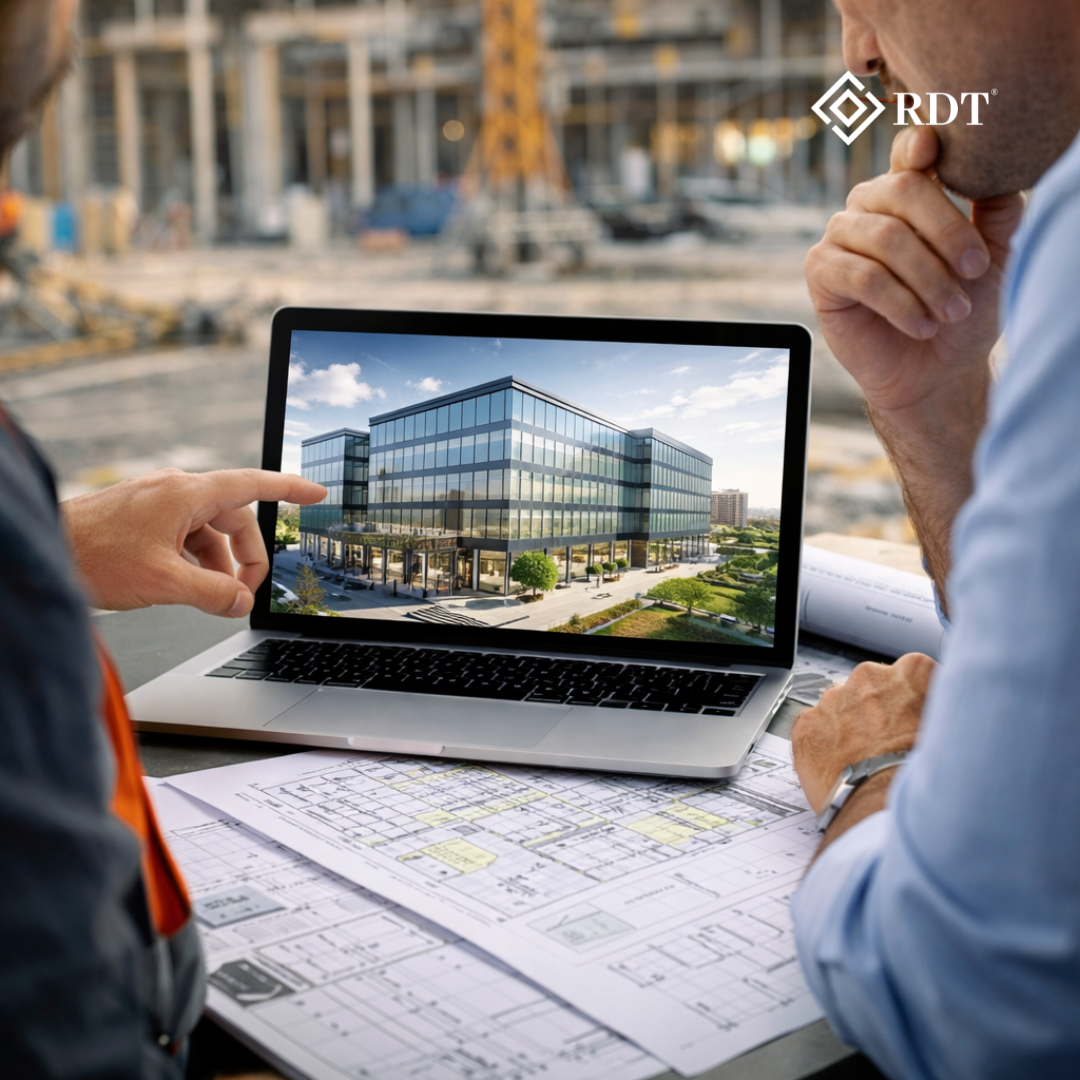
Clients trust what they can see because visuals reduce uncertainty. A rendering makes the future tangible. It reduces perceived risk. It turns abstract information into something concrete.
When clients see a visualization, they feel that the project is real, controlled and predictable. This psychological effect is powerful in decision making.
3D Visualization as a Decision Making Tool
In many projects, visualization is not just for marketing. It directly influences approvals, funding and design changes.
Developers use renderings to secure investors. Governments use visualizations to approve infrastructure projects. Real estate companies use them to pre-sell properties before construction starts.
In each case, visualization becomes the primary tool for communication and persuasion. Technical documentation supports the project, but visualization drives confidence.
Reducing Miscommunication and Costly Errors
Miscommunication is one of the biggest causes of cost overruns and delays in construction projects. When clients misunderstand design intent, they request changes late in the project. This leads to rework, wasted materials and extended timelines.
3D visualization reduces misunderstandings early. Clients can review designs visually and request changes before construction begins. This saves time and money for everyone involved.
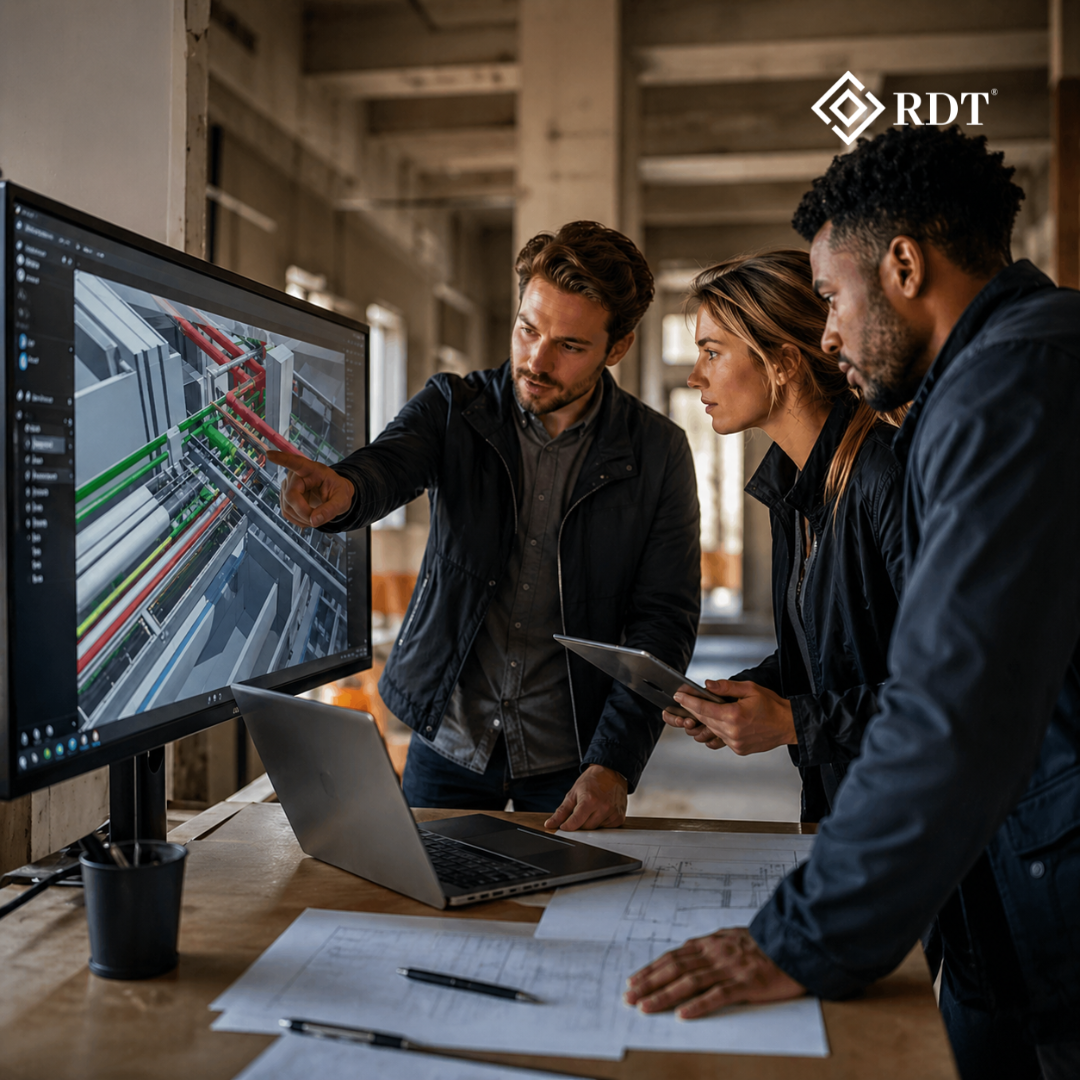
Visualization also helps contractors, subcontractors and stakeholders align their understanding of the project. It acts as a single visual reference point.
Emotional Connection and Project Buy In
Engineering data appeals to logic. Visualization appeals to emotion. Clients are humans. Emotional connection matters.
When clients see their future building rendered in realistic detail, they feel excited and invested. This emotional buy-in increases commitment to the project and reduces resistance to design decisions.
Visualization turns a project from a technical exercise into a vision that clients can believe in.
Marketing Power of 3D Visualization
Beyond technical communication, visualization is one of the most effective marketing tools in AEC.
Websites, social media, brochures and presentations rely heavily on visual content. A stunning render can attract attention, generate leads and differentiate a firm from competitors.
Clients often judge a firm’s capability based on the quality of its visual presentations. High quality visualization signals professionalism, technological advancement and attention to detail.
The Rise of Real Time Visualization and Digital Twins
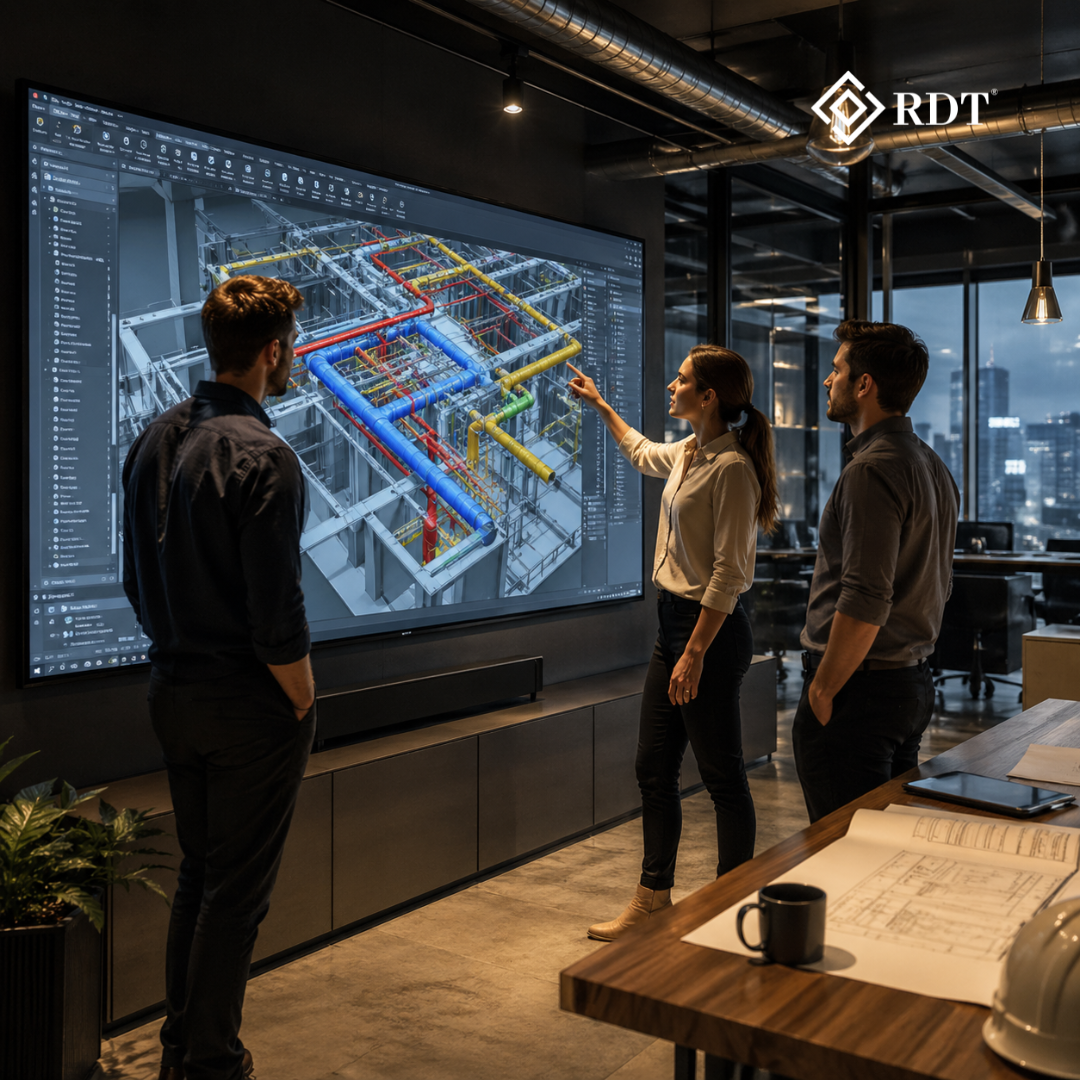
Traditional static renderings are evolving into interactive visualization platforms. Real time rendering, virtual reality and digital twins allow clients to walk through projects before they are built.
These technologies deepen trust even further. Clients can explore spaces, test scenarios and visualize operations. They no longer rely solely on imagination or technical drawings.
As digital twins become mainstream, visualization will become the central interface between engineers and decision makers.
Engineers and Visualization Should Work Together
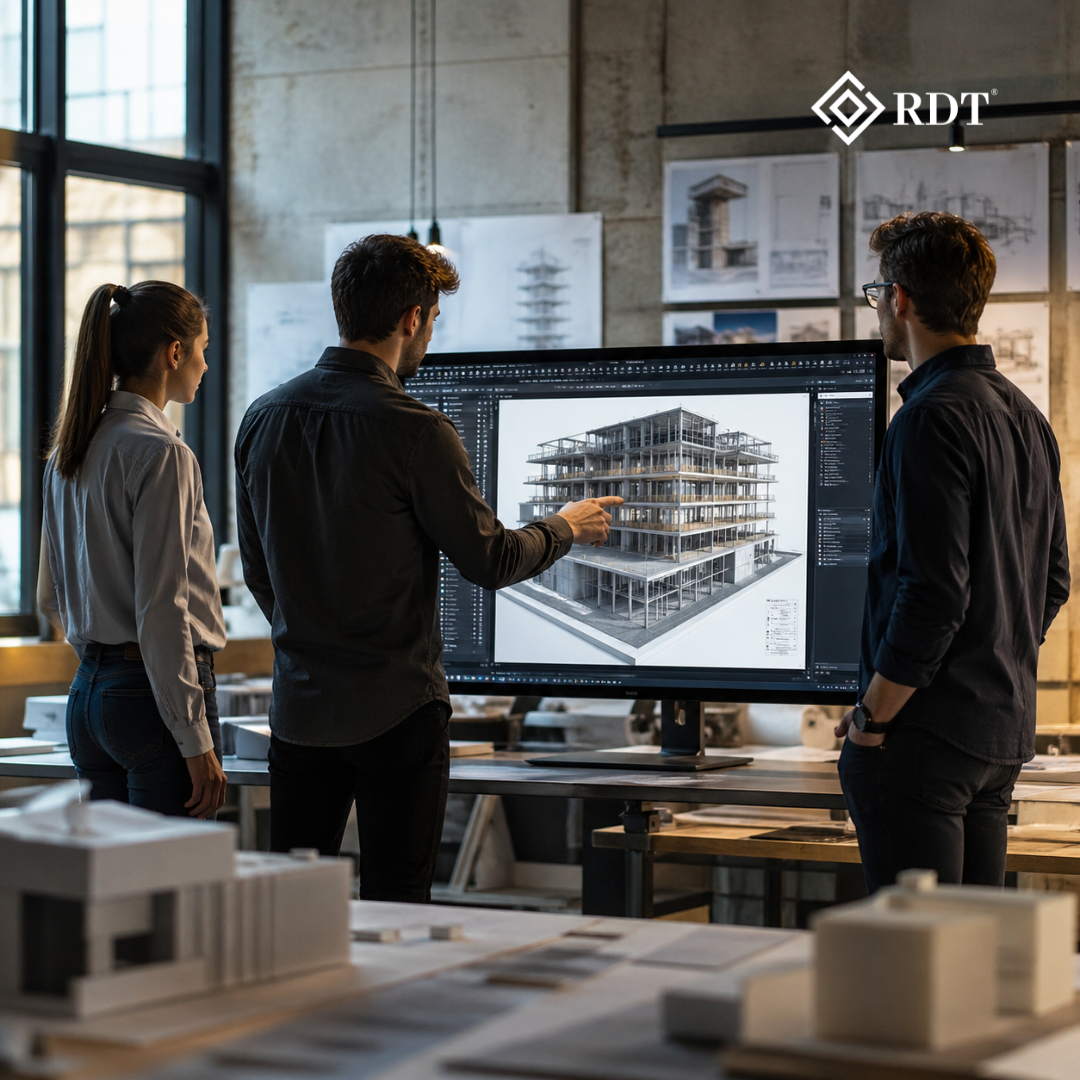
It is important to clarify that visualization does not replace engineering expertise. Visualization is built on engineering data. Accurate models, BIM workflows and engineering calculations are the foundation of realistic visuals.
The real power emerges when engineers and visualization specialists collaborate. Engineers ensure accuracy. Visualization professionals ensure clarity and impact.
Together they create designs that are both technically sound and visually understandable.
Challenges and Misuse of Visualization
While visualization is powerful, it can be misused. Overly optimistic renders can create unrealistic expectations. If visuals do not match reality, trust can be damaged.
Responsible visualization requires alignment with engineering constraints, realistic materials and honest representation. Transparency builds long term trust.
The Future of Client Communication in AEC
The AEC industry is moving toward a visual first communication model. Clients expect immersive experiences, interactive models and real time project dashboards.
Younger decision makers are digital natives. They expect visual clarity and technological sophistication. Firms that rely only on traditional drawings will struggle to compete.
3D visualization will not just be a support tool. It will become the primary interface between technical teams and clients.
Why Your Firm Must Invest in Visualization
Investing in 3D visualization is not just about aesthetics. It is about strategic communication, risk reduction, marketing and client satisfaction.
Firms that adopt advanced visualization workflows gain competitive advantage. They win more bids, reduce misunderstandings and create stronger client relationships.
Visualization transforms complex engineering into compelling stories that clients can understand and trust.
Conclusion
Clients trust 3D visualization more than engineers not because engineers are less important, but because visuals speak directly to human perception. Visualization turns complexity into clarity, data into experience and designs into reality.
In a world where attention is limited and decisions are fast, visual communication is the strongest currency. Engineering remains the backbone of projects, but visualization is the bridge that connects technical expertise with human understanding.
The firms that recognize this shift will lead the future of the AEC industry.
If you want your projects to be understood, trusted and approved faster, it is time to integrate high quality 3D visualization into your workflow.
RDT Technology delivers advanced 3D visualization, BIM modeling and digital project communication solutions designed for developers, architects and engineers who want clarity, confidence and control.
Contact RDT Technology today and transform the way your clients see and trust your projects.