
The construction industry has always been driven by numbers, feasibility studies, and financial projections. Investors, developers, and stakeholders rely heavily on cost reports to determine whether a project is viable or risky. However, in recent years, another powerful influence has emerged in investment decision making. That influence is 3D rendering.
With the rise of digital visualization, developers can now present projects before a single brick is laid. Investors no longer rely solely on spreadsheets and financial summaries. They also rely on visual storytelling that demonstrates the project’s potential, market appeal, and future value.
This blog explores how 3D rendering and cost reports influence construction investment decisions, how they complement each other, and which one truly drives investor confidence in modern construction projects.
Understanding Cost Reports in Construction Investment
Cost reports are the backbone of traditional construction decision making. They provide a detailed breakdown of expected expenses, projected returns, cash flow timelines, and risk factors.
These reports include land acquisition costs, design fees, material expenses, labor costs, permits, financing charges, and contingency budgets. They also outline projected revenue from sales or leasing, return on investment, internal rate of return, and break even points.
Investors have historically relied on these documents to determine whether a project is financially feasible. A well prepared cost report gives confidence that the developer understands the financial complexity of the project and has planned for potential challenges.
Cost reports answer critical questions such as:
How much will this project cost to build
How long will it take to recover the investment
What are the financial risks involved
What profit margin can be expected
Without these reports, no serious investor would consider funding a project. Financial transparency remains essential in construction.
The Rise of 3D Rendering in Construction Decision Making
While cost reports provide financial clarity, they do not show what the project will look like, how it will function, or how attractive it will be to buyers and tenants. This is where 3D rendering has changed the game.
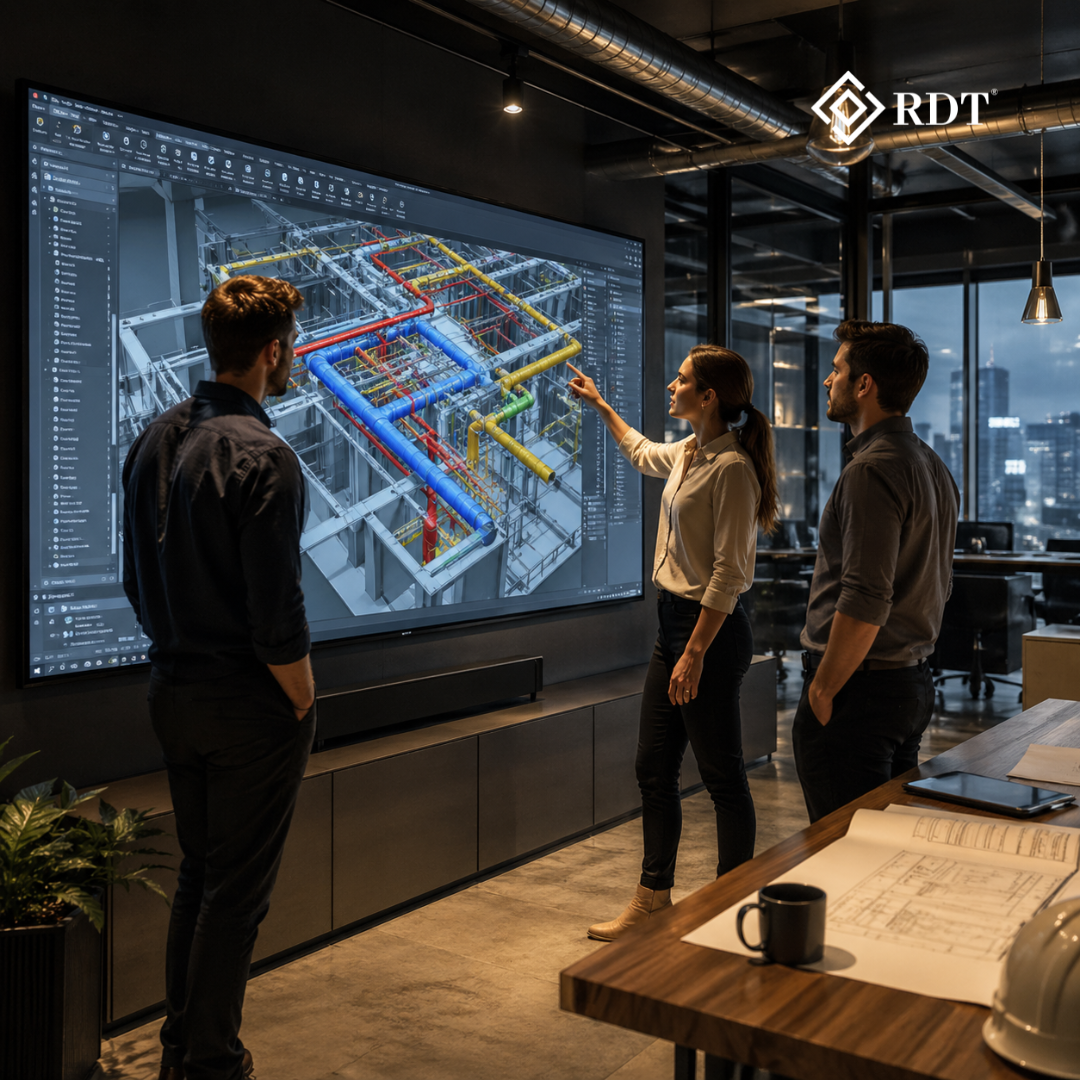
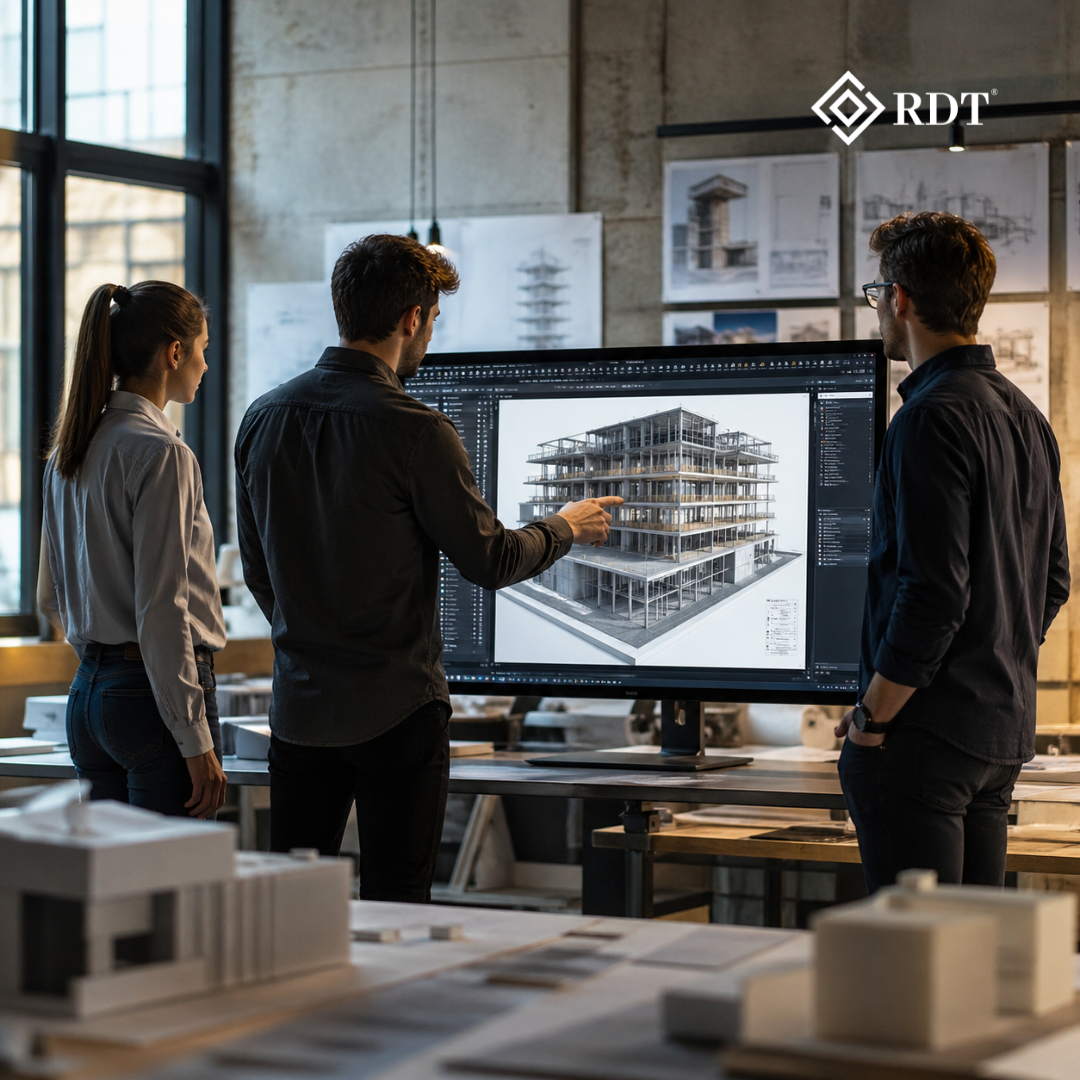
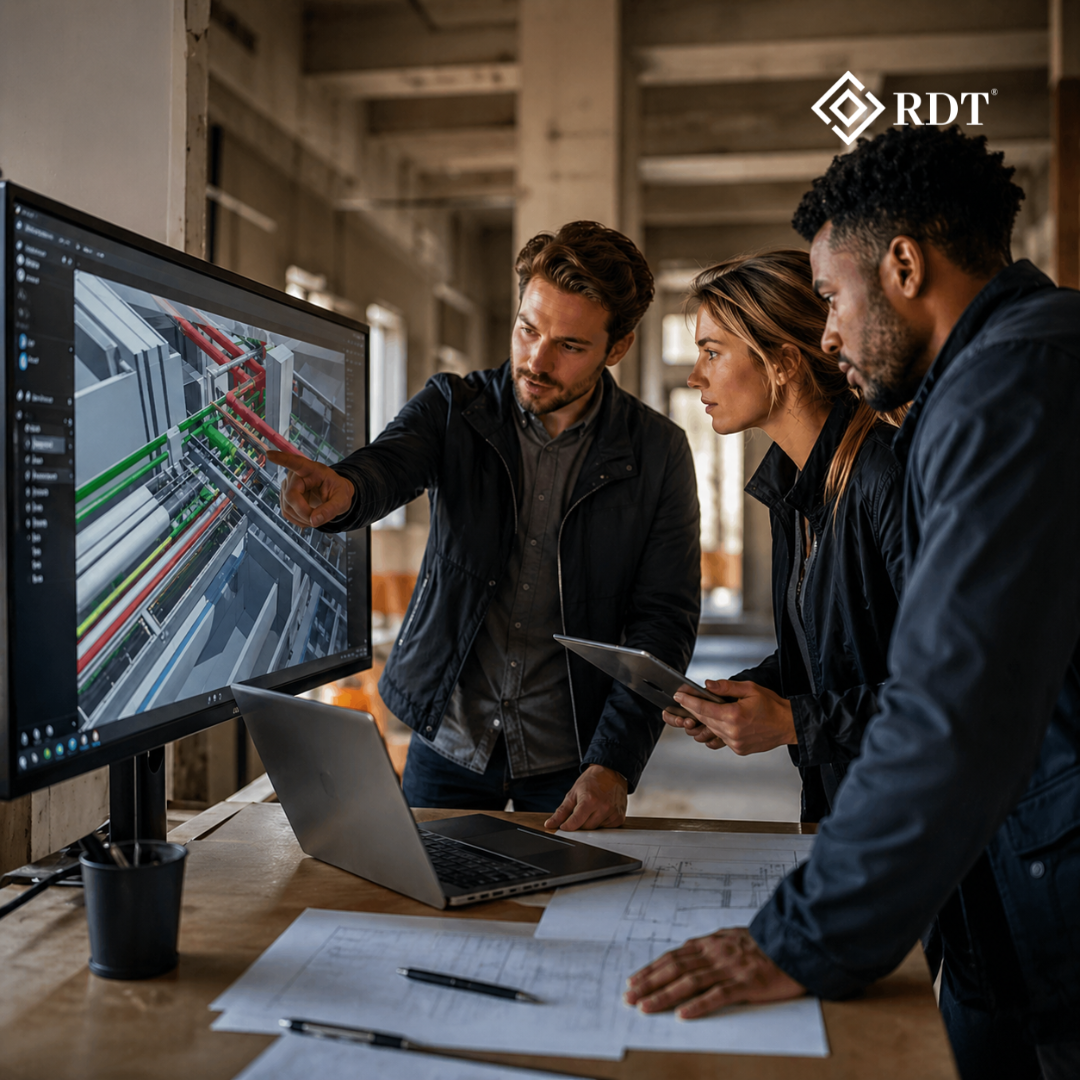
3D rendering transforms architectural designs into realistic visual representations. Investors can see lifelike images of buildings, interiors, landscapes, and urban surroundings. These visuals help them understand the vision, scale, and quality of the project.
Modern investors are increasingly influenced by how a project is presented visually. Realistic renders allow them to evaluate design quality, market positioning, branding potential, and user experience.
3D rendering answers questions such as:
Will this project attract buyers or tenants
Does the design align with market expectations
How will the building stand out in the market
What is the perceived value of the development
Visual representation makes the project tangible, even before construction begins.
Why Investors Are Emotionally Influenced by Visuals
Investment decisions are often perceived as purely logical and financial. In reality, human psychology plays a significant role. Visual perception strongly influences confidence and perceived value.
When investors see a high quality render of a luxury residential tower, commercial complex, or mixed use development, they can imagine the finished asset. They can visualize market demand, branding opportunities, and long term asset value.
A strong visual narrative creates emotional confidence. Investors feel that the project is real, achievable, and desirable. This psychological assurance often accelerates funding decisions.
Cost reports alone cannot create this emotional impact. Numbers inform the mind, but visuals influence perception and belief.
3D Rendering as a Sales and Pre Investment Tool
Developers use 3D rendering not only to attract investors but also to pre-sell units, secure tenants, and market projects before completion. This pre-sales capability significantly reduces financial risk and improves cash flow.
When investors see strong pre-sales performance supported by compelling visuals, they feel more confident in funding the project. Renders help demonstrate market interest and validate demand.
In many cases, 3D visualization becomes a proof of concept. It shows how the project will look, function, and perform in the market. This reduces uncertainty, which is one of the biggest concerns for investors.
Limitations of Cost Reports in Modern Investment Decisions
While cost reports are essential, they have limitations. They are often complex, technical, and difficult for non financial stakeholders to interpret. They may also fail to convey the project’s uniqueness, design quality, and market appeal.
Many investors are not construction experts. They rely on advisors to interpret financial data. However, visuals are universally understood. A compelling render can communicate the project vision instantly without technical explanations.
Cost reports also do not show how the project will integrate into its environment, how users will experience the space, or how the design will influence property value. These factors are critical in real estate investment but are difficult to quantify in spreadsheets.
How 3D Rendering Impacts Perceived Project Value
Perceived value plays a major role in real estate investment. A project that looks premium, modern, and well designed is often perceived as higher value, even before financial analysis.
High quality 3D renders can elevate a project’s perceived quality. They can showcase premium materials, smart layouts, landscaping, lighting, and urban integration. This visual perception influences investors’ expectations of rental rates, sales prices, and brand positioning.
In many cases, investors are willing to support projects with strong visual identity and branding potential, even if the financial margins are moderate. Visual differentiation creates competitive advantage in saturated markets.
The Role of 3D Rendering in Risk Mitigation
Construction projects carry significant risks. Design errors, miscommunication, and unrealistic expectations can lead to cost overruns and delays. 3D rendering helps reduce these risks by providing clarity before construction begins.
Investors can review designs, identify potential issues, and request changes before committing funds. Visual walkthroughs and simulations help stakeholders understand the project in detail.
This reduces uncertainty and increases confidence in execution. When investors see that the developer uses advanced visualization tools, they perceive the project as professionally managed and technologically advanced.
Cost Reports as the Foundation of Financial Credibility
Despite the growing influence of visualization, cost reports remain the foundation of investment decisions. No investor will fund a project without understanding financial feasibility.
Cost reports provide measurable data, financial projections, and risk assessments. They demonstrate that the project is grounded in reality and not just an attractive concept.
Investors need to see realistic budgets, contingency plans, and return on investment projections. These documents provide accountability and transparency.
In short, cost reports justify the investment logically, while 3D rendering justifies it visually and emotionally.
How Smart Developers Combine Both Tools
The most successful developers use both 3D rendering and cost reports strategically. They present a comprehensive investment package that includes realistic visuals, detailed financial projections, market analysis, and risk mitigation strategies.
This integrated approach appeals to both analytical and emotional decision making processes. Investors can see the vision and verify the numbers.
Combining these tools creates a powerful narrative. It shows that the project is desirable, feasible, and professionally managed.
Investor Behavior in the Digital Age
Modern investors are influenced by digital experiences. They expect interactive presentations, virtual tours, immersive walkthroughs, and data driven dashboards. Traditional static reports are no longer enough.
3D rendering fits perfectly into this digital expectation. It allows investors to explore projects remotely, visualize future developments, and engage with the project conceptually.
In global investment scenarios, where stakeholders may never visit the site physically, visualization becomes essential. It bridges the gap between concept and reality.
Real World Impact of Visualization on Funding
Many large scale developments have secured funding based on visualization driven presentations. Renders, animations, and virtual reality walkthroughs have been used to attract international investors, joint venture partners, and institutional funds.
These tools help investors understand complex projects, such as mixed use developments, smart cities, and infrastructure projects. Visual clarity reduces perceived complexity and increases confidence.
In contrast, purely financial presentations often fail to capture attention and engagement, especially in competitive funding environments.
The Future of Investment Decision Making in Construction
The future of construction investment lies in the integration of digital technology and financial analytics. 3D rendering, BIM, digital twins, and real time cost monitoring will reshape how projects are evaluated and funded.
Investors will expect real time dashboards that combine financial data with visual project status. They will demand transparency, predictability, and immersive visualization.
Developers who adopt these technologies will have a competitive advantage in securing funding and building investor trust.
Which Truly Influences Investment Decisions
So, what truly influences construction investment decisions? The answer is both, but in different ways.
Cost reports influence logical decision making. They determine whether the project is financially viable, profitable, and sustainable.
3D rendering influences perception, confidence, and emotional engagement. It determines whether investors believe in the vision, see market potential, and feel excited about the project.
In modern construction, investment decisions are no longer driven by numbers alone. Visual storytelling has become equally powerful.
Conclusion
Construction investment is a complex decision that involves financial analysis, risk assessment, market evaluation, and psychological confidence. Cost reports provide the financial foundation, while 3D rendering brings the project to life.
Developers who rely solely on cost reports risk losing investor interest in a visually driven market. Those who rely only on visualization risk losing credibility without financial transparency.
The true power lies in combining both tools to create a compelling, data backed, and visually immersive investment narrative.
If you want to present your construction projects with world class 3D visualization backed by accurate BIM driven insights, RDT Technology can help you create investor ready visual assets that build confidence and accelerate funding decisions. Contact RDT Technology today and transform how your projects are perceived by investors and stakeholders.