Pre construction is no longer limited to feasibility studies, budgeting, and preliminary drawings. In modern architecture, engineering, and construction environments, visual clarity has become just as critical as structural accuracy. Clients expect certainty before capital is committed. Contractors demand coordination before mobilization. Investors want confidence before approvals are finalized. In this evolving landscape, 3D rendering has moved from being a presentation tool to becoming a core part of strategic planning.
Today, firms that integrate rendering into their early stage workflows are making smarter decisions, reducing risk, and accelerating project timelines. The shift is not cosmetic. It is operational. It is financial. And it is strategic.
The Shift From Visualization to Strategy
Traditionally, 3D rendering was used to impress stakeholders or support marketing campaigns. A beautifully lit exterior perspective or an interior walkthrough helped secure approvals and win projects. While that role still exists, rendering now plays a far more influential function.
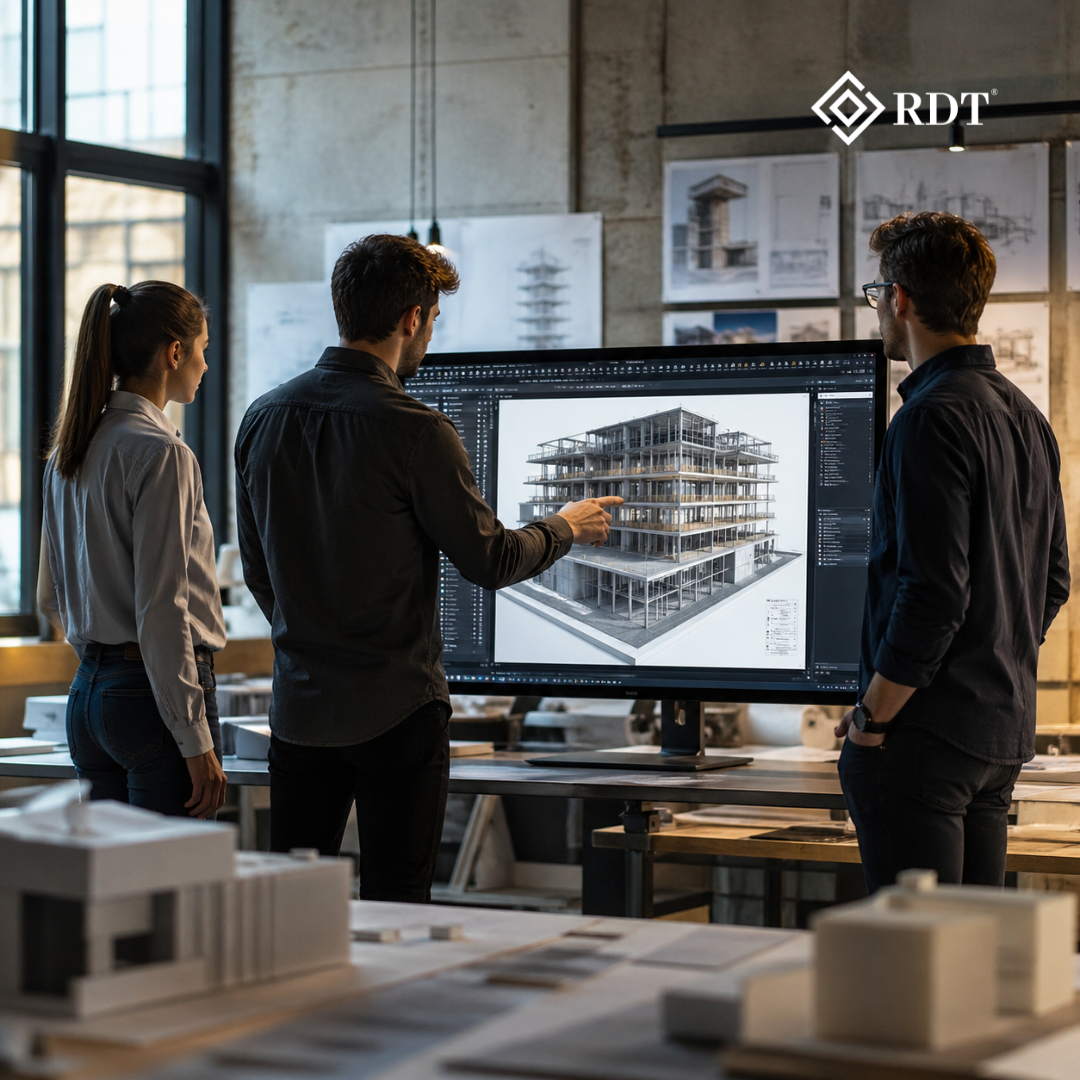
Modern pre construction teams rely on detailed digital models created through platforms such as Autodesk Revit and Navisworks. These models form the backbone of coordination and quantity extraction. When these models are enhanced with high quality rendering, they transform from technical documentation into decision making tools.
Rendering allows stakeholders to experience a project before a single material is ordered. It reveals spatial conflicts, material inconsistencies, lighting concerns, and user experience challenges long before construction begins. Instead of reacting to issues on site, teams proactively refine the design in the planning phase.
Improving Design Clarity and Stakeholder Alignment
One of the most common causes of project delays is misalignment between stakeholders. Architects, structural engineers, MEP consultants, contractors, and owners often interpret two dimensional drawings differently. Even experienced professionals can misunderstand scale, finish transitions, or spatial relationships when reviewing flat documentation.
High quality 3D rendering eliminates ambiguity. When decision makers see accurate textures, lighting simulations, furniture placement, and contextual surroundings, conversations become precise. Feedback becomes actionable. Revisions become targeted.
In modern commercial projects across cities such as New York City and Los Angeles, rendering has become an expected part of pre construction presentations. Developers use visual simulations to evaluate façade materials under realistic lighting conditions. Interior designers validate circulation flow and occupant comfort. Investors review common areas and amenity spaces before financing is finalized.
The result is stronger alignment and fewer late stage changes.
Reducing Financial Risk Before Groundbreaking
Construction errors are expensive. Rework consumes time, labor, and materials. Change orders impact budgets and damage trust between project partners. A well executed rendering strategy minimizes these risks by exposing potential issues early.
For example, lighting simulations can highlight glare problems in office buildings. Material renderings can reveal unexpected color clashes between façade panels and glazing systems. Interior visualizations can expose circulation bottlenecks in hospitality or healthcare facilities.
When these issues are identified in the digital phase, corrections are inexpensive. When discovered during construction, they are costly. Pre construction rendering therefore acts as a financial safeguard.
In competitive markets, especially in the United States where project margins can be tight, risk mitigation is a strategic advantage. Rendering provides a realistic preview that supports more accurate cost planning and procurement strategies.
Strengthening Client Confidence and Approvals
Modern clients are informed and demanding. They expect transparency. They want to understand exactly what they are funding. Two dimensional drawings and technical specifications alone are no longer sufficient for many decision makers.
Photorealistic renderings build confidence. They bridge the gap between technical language and visual understanding. Whether presenting to private investors, corporate boards, or municipal authorities, rendering simplifies communication.
Municipal approval processes in regions such as Chicago increasingly require contextual visualizations to evaluate how new developments interact with surrounding neighborhoods. Realistic street level perspectives help planning committees assess scale, shadow impact, and urban integration.
By integrating rendering into pre construction documentation, firms accelerate approvals and reduce the likelihood of resubmissions.
Enhancing Collaboration Through Integrated BIM Workflows
Rendering becomes truly powerful when integrated within Building Information Modeling workflows. BIM driven visualization combines geometric precision with visual realism. The model is not just an artistic interpretation. It is data rich and coordinated across disciplines.
Software ecosystems like Autodesk 3ds Max and Lumion enable seamless transitions from coordinated BIM models to high fidelity visual outputs. This integration ensures that rendered visuals are consistent with construction documentation.
When design updates occur, renderings can be refreshed quickly because they are derived from coordinated models. This reduces discrepancies between what is visualized and what is eventually built.
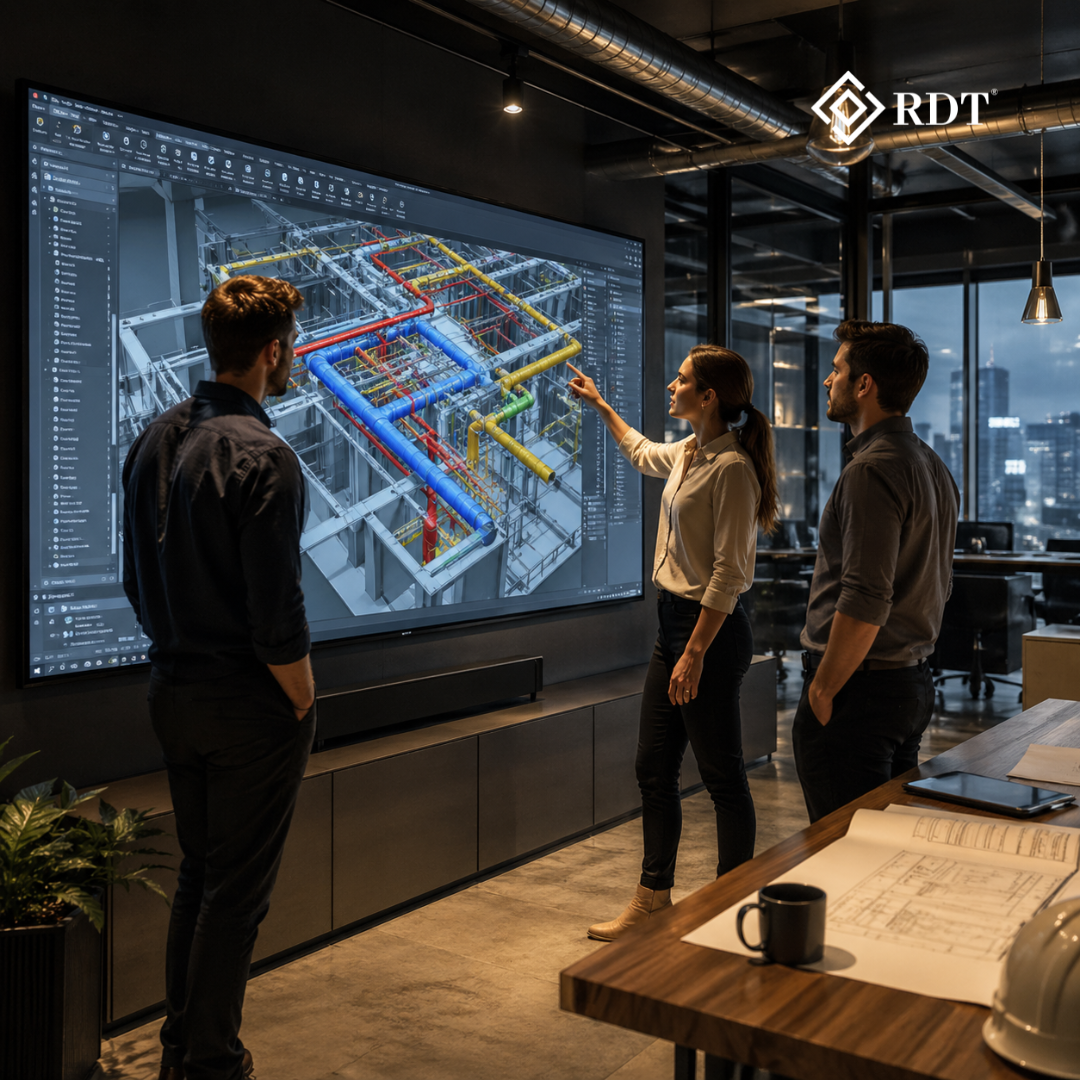
In pre construction meetings, teams can review rendered sections alongside clash detection reports. Structural systems, HVAC routing, and architectural finishes can be evaluated in a unified visual environment. This level of clarity supports informed decision making and efficient coordination.
Supporting Value Engineering Without Compromising Design Intent
Value engineering is a critical phase in pre construction. Owners seek cost efficiencies without sacrificing performance or aesthetics. However, evaluating alternatives using drawings alone can be challenging.
Rendering allows teams to compare material substitutions, façade variations, and interior finish changes visually. Instead of relying on abstract descriptions, stakeholders see direct comparisons.
For example, a commercial tower may explore two different cladding systems. Rendered simulations can show how each option interacts with natural light, adjacent buildings, and street activity. Decision makers can assess visual impact alongside cost implications.
This approach preserves design intent while achieving financial optimization. Rendering becomes a negotiation tool grounded in visual evidence rather than assumption.
Improving Marketing and Pre Leasing Strategies
In modern development cycles, marketing often begins before construction starts. Residential developers launch pre sales campaigns. Commercial landlords seek anchor tenants early. Hospitality brands secure operator agreements during planning stages.
High quality renderings serve as the foundation for these campaigns. They communicate lifestyle, atmosphere, and quality. However, when integrated into pre construction strategy, these visuals are not isolated marketing assets. They are derived from coordinated project data.
This ensures consistency between promotional materials and the final built environment. It reduces the risk of overpromising and underdelivering. Buyers and tenants gain confidence because what they see reflects what will be constructed.
Facilitating Constructability Reviews
Constructability reviews traditionally rely on technical drawings and contractor experience. While essential, these methods benefit significantly from visual reinforcement.
Rendered sectional views and detailed perspectives allow contractors to evaluate installation sequences, access points, and spatial tolerances. Complex intersections between structural steel and mechanical systems become easier to understand when visualized three dimensionally.
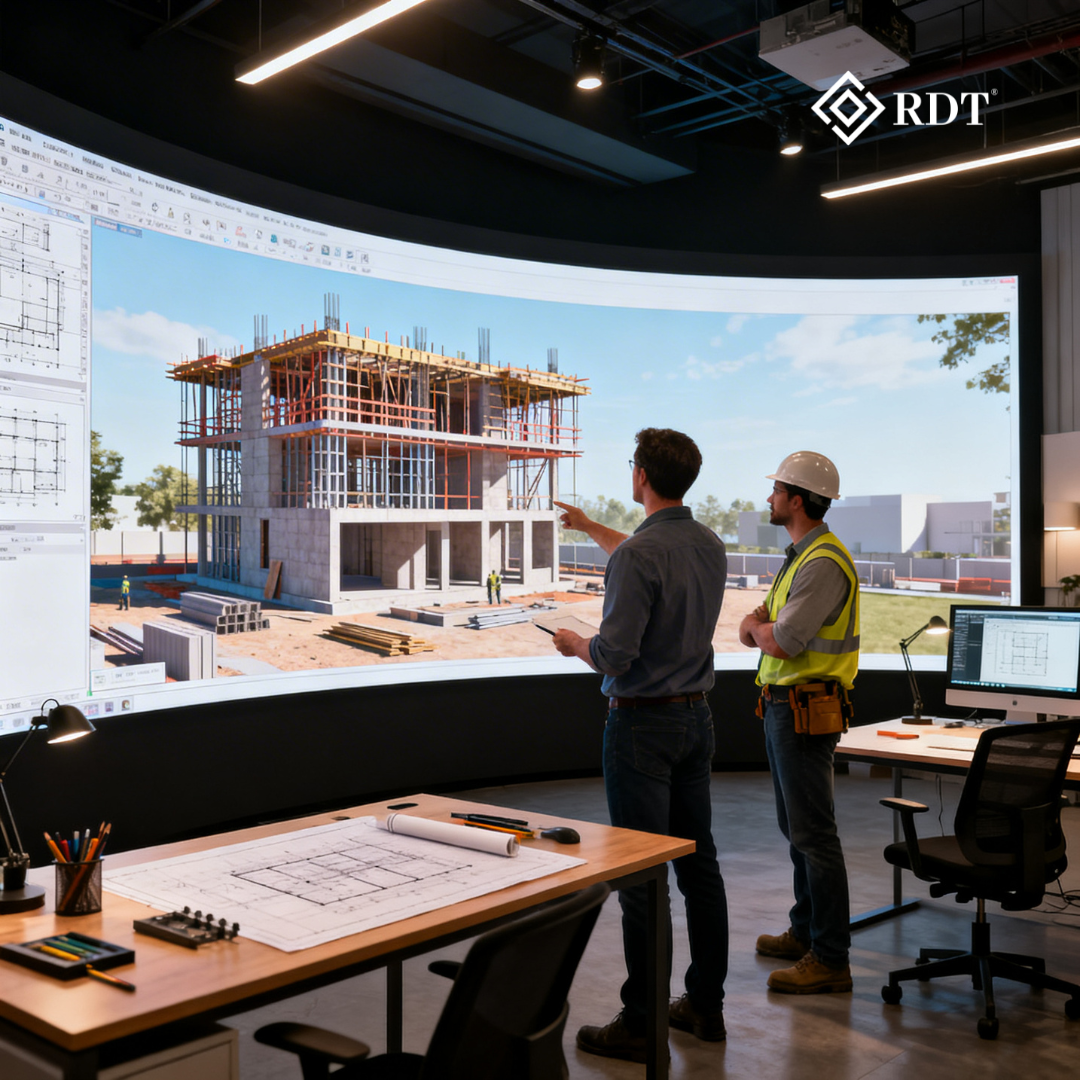
In infrastructure and large scale commercial projects, visual simulation of construction phases can identify logistical challenges. Crane positioning, material staging areas, and temporary works can be evaluated digitally before site mobilization.
This proactive analysis enhances safety planning and operational efficiency.
Meeting the Expectations of a Digital First Industry
The construction industry is undergoing digital transformation. Clients expect innovation. Investors value data driven decision making. Regulatory authorities demand comprehensive documentation.
Rendering, when aligned with BIM, reflects this digital maturity. It demonstrates that a firm is not simply producing drawings but delivering integrated solutions.
Major construction firms working in global markets such as Dubai and London have embraced advanced visualization as a standard component of pre construction services. Competitive differentiation increasingly depends on technological capability.
Firms that treat rendering as an optional add on risk falling behind. Those that embed it into strategy position themselves as forward thinking partners.
The Strategic Advantage of Early Visualization
At its core, pre construction strategy aims to reduce uncertainty. It seeks to answer critical questions before resources are committed. Will the design perform as intended. Will it fit the context. Will it meet user expectations. Will it stay within budget.
3D rendering addresses these questions visually and convincingly. It transforms abstract ideas into tangible experiences. It enables teams to identify risks, refine details, and align expectations before the first excavation begins.
The competitive landscape of modern construction rewards certainty. Clients choose partners who provide clarity. Investors support projects that demonstrate preparedness. Contractors prefer documentation that minimizes surprises.
Integrating rendering into pre construction workflows is therefore not an aesthetic decision. It is a strategic one.
Conclusion
Modern projects operate in an environment defined by complexity and accountability. Budgets are scrutinized. Timelines are compressed. Stakeholder expectations are high. In this context, relying solely on traditional documentation is no longer sufficient.
3D rendering has evolved into a powerful decision making instrument. When integrated with coordinated BIM models, it strengthens communication, reduces financial risk, accelerates approvals, and enhances collaboration. It supports value engineering, marketing, and constructability analysis. Most importantly, it brings certainty to a phase of the project where clarity is essential.
Pre construction is about foresight. Rendering provides that foresight in a way no two dimensional drawing ever could.
If your firm is ready to transform pre construction into a strategic advantage, partner with RDT Technology. Our BIM driven 3D rendering solutions deliver precision, clarity, and confidence before construction begins. Connect with RDT Technology today and elevate your next project with visualization that drives smarter decisions.