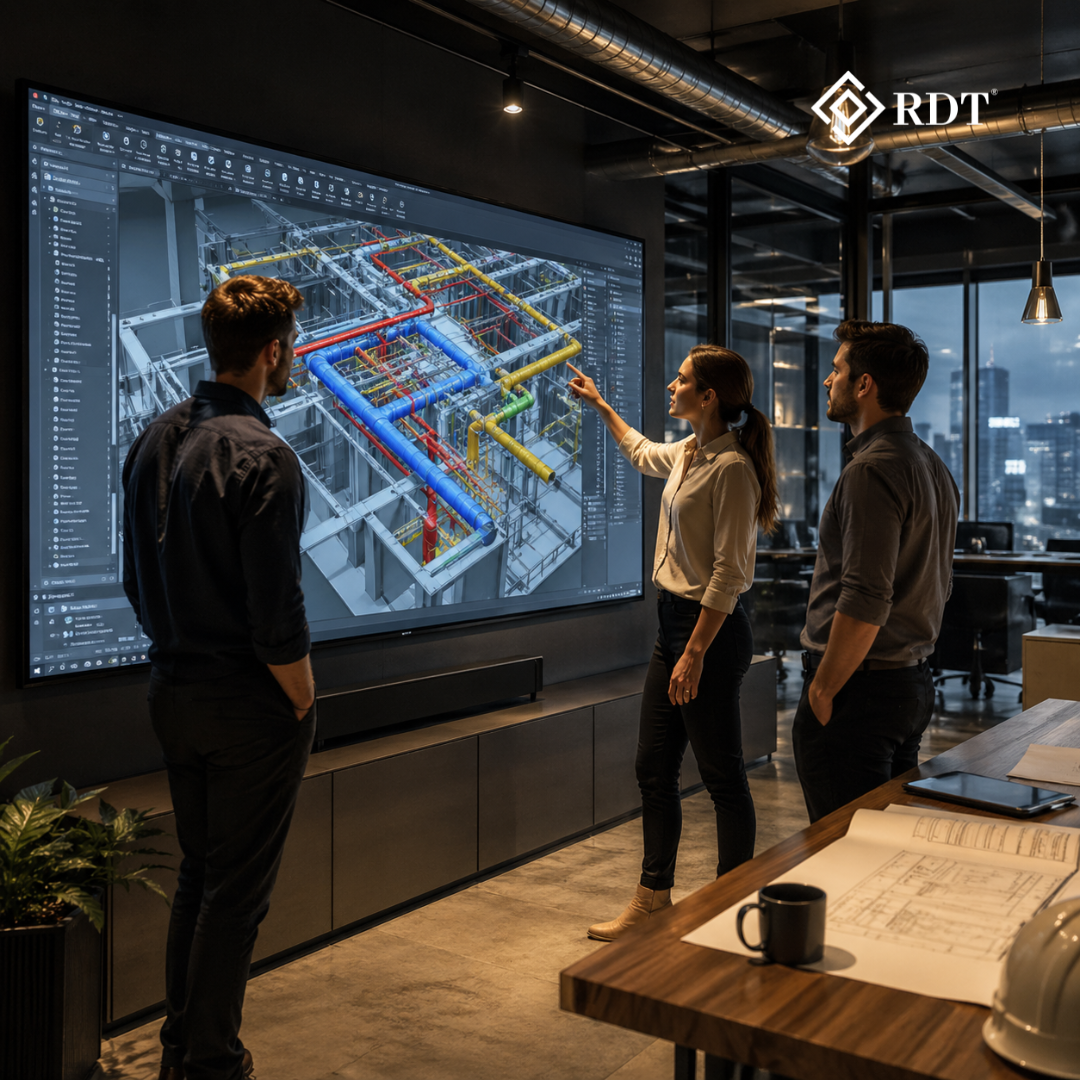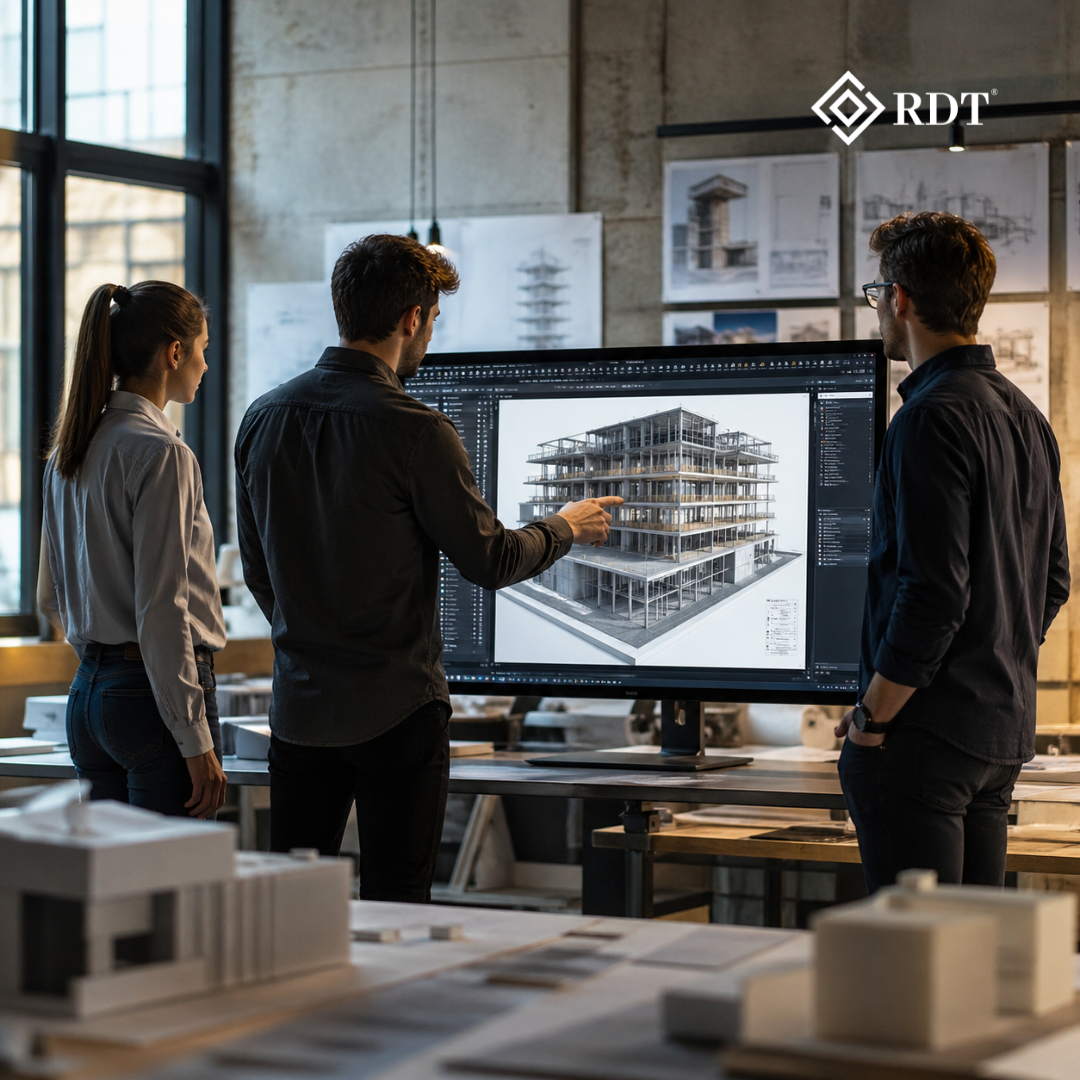
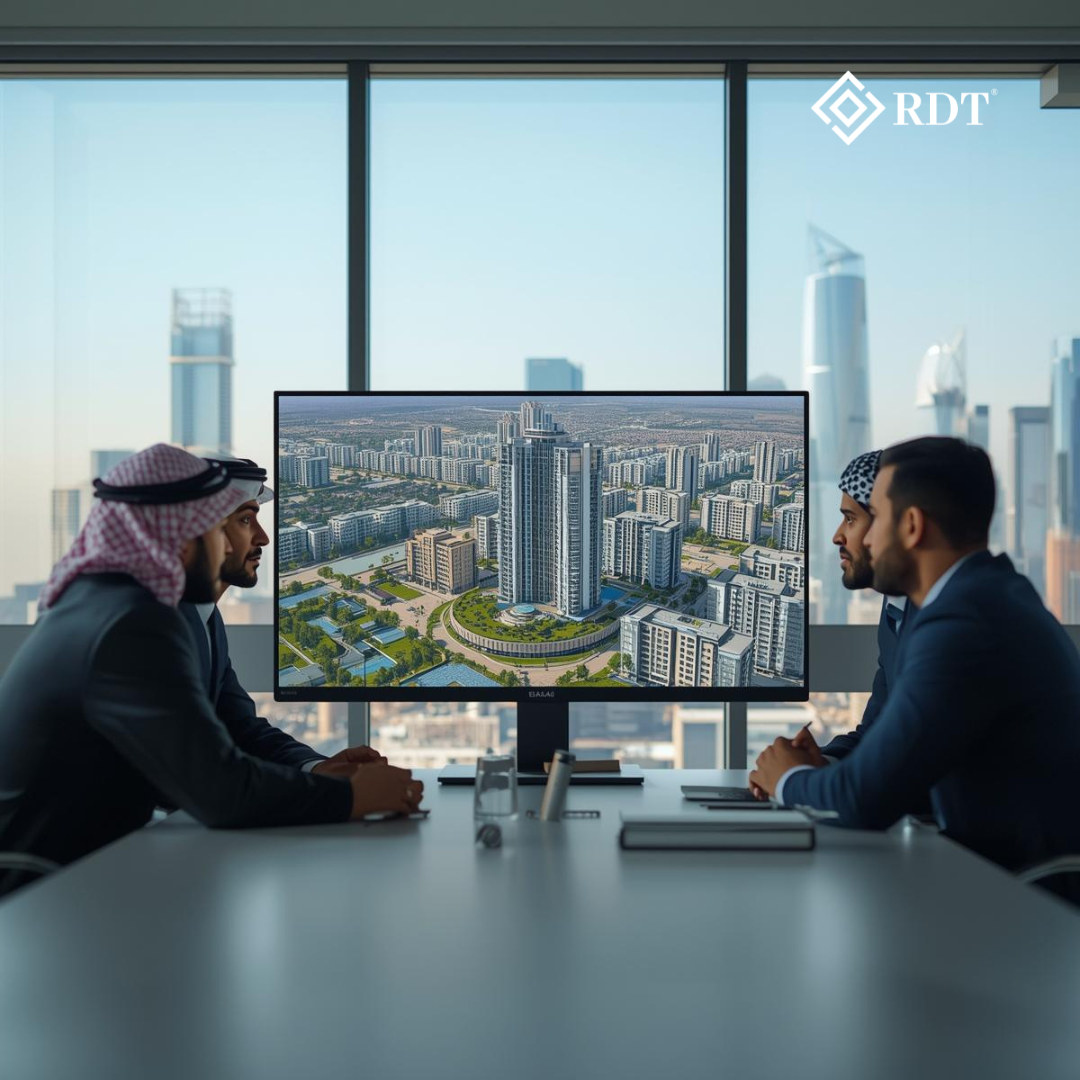
Real estate has always been a business of vision. Buyers rarely purchase concrete and steel. They invest in a lifestyle, a promise, a future that has not yet taken physical form. For decades, developers relied on brochures, floor plans, and physical site visits to communicate that promise. Today, the market has changed. Buyers expect clarity before commitment. They want to see what they are investing in long before construction reaches completion. This shift has made 3D rendering one of the most powerful tools in modern real estate marketing.
In competitive markets, attention spans are short and choices are endless. A buyer scrolling through listings online makes decisions in seconds. A plain drawing or a technical floor plan often fails to create emotional impact. On the other hand, a photorealistic 3D rendering instantly tells a story. It shows sunlight entering the living room, textures on the walls, reflections on glass, and landscaping around the property. It transforms an idea into a tangible experience. That experience directly influences purchasing decisions.
Why Visualization Sells Faster
Human decision making is deeply visual. When buyers can see themselves living in a space, confidence increases. Doubt reduces. Questions about layout, proportion, and ambiance are answered before they are asked. A strong rendering bridges the gap between imagination and reality.
In pre construction sales, this advantage becomes even more critical. Buyers are asked to commit funds to a project that may take months or years to complete. Without proper visualization, uncertainty dominates. With high quality 3D renderings, uncertainty is replaced with clarity. Buyers understand what they are purchasing. They feel secure in their decision. This confidence shortens sales cycles and accelerates bookings.
Properties marketed with compelling visual content consistently generate more inquiries. More inquiries mean more site visits. More site visits mean higher chances of closing deals. In a business where timing is everything, speed directly impacts revenue.
Creating Emotional Connection
Real estate is emotional before it is logical. People buy homes based on feelings of comfort, status, pride, and aspiration. A flat technical drawing cannot communicate these feelings. A realistic rendering can.
A well crafted exterior rendering shows more than walls and windows. It presents the lifestyle surrounding the property. It can depict evening lighting that highlights architectural features. It can show families enjoying balconies or landscaped gardens. It can illustrate nearby amenities that enhance daily living. All these visual cues help buyers imagine themselves in that environment.
Interior renderings are equally powerful. They demonstrate scale and proportion clearly. Buyers can understand how furniture fits within a room. They can sense openness, warmth, and functionality. When materials and finishes are displayed accurately, expectations align with reality. This alignment reduces misunderstandings later in the sales process.
Standing Out in a Crowded Market
Modern buyers research extensively before contacting a sales team. Online portals, social media platforms, and property websites are filled with competing listings. Projects that lack compelling visuals struggle to capture attention.
High quality 3D renderings instantly differentiate a project. They communicate professionalism and seriousness. Buyers subconsciously associate strong presentation with strong execution. When visuals are detailed and realistic, it signals that the developer values quality.
This differentiation is particularly important for premium and luxury projects. Buyers in this segment expect sophistication. They want to see intricate details, material finishes, lighting effects, and spatial harmony. Generic visuals can damage perception. Professional rendering elevates brand image and supports premium pricing strategies.
Supporting Marketing Across Channels
One of the strongest advantages of 3D rendering is its versatility. A single set of high resolution visuals can be used across multiple marketing channels. Brochures, hoardings, websites, social media campaigns, email marketing, and investor presentations all benefit from consistent, high impact imagery.
In digital advertising, visual appeal determines click through rates. A realistic rendering in an online campaign captures attention faster than text based communication. In presentations, investors and stakeholders gain a clearer understanding of the project scope. Sales teams can use renderings during client meetings to explain layouts and amenities effectively.
Consistency across channels builds trust. When buyers see the same high quality visuals everywhere, it strengthens brand recall. This consistent messaging improves conversion rates over time.
Reducing Sales Friction
Sales friction often arises from misunderstandings. Buyers may struggle to interpret technical drawings. They may misjudge room sizes or overlook design details. These gaps lead to hesitation.
3D renderings simplify communication. Instead of explaining concepts verbally, sales representatives can show them visually. Questions about balcony depth, window placement, or common areas are answered instantly. This clarity speeds up negotiations and reduces back and forth discussions.
Moreover, realistic visualization reduces the risk of disappointment. When buyers have already seen detailed representations, their expectations are aligned with what will be delivered. This transparency strengthens reputation and encourages referrals.
Enhancing Pre Launch Strategy
Pre launch marketing is a crucial phase for developers. Early bookings generate cash flow and demonstrate market demand. However, during this stage, physical progress on site may be minimal. This is where 3D rendering becomes indispensable.
Developers can showcase the entire project vision even before construction begins. Master plans, clubhouse designs, landscaped areas, and apartment interiors can all be presented convincingly. Potential buyers do not need to rely solely on imagination. They can see the future in detail.
Strong pre launch visuals often create momentum. As early buyers commit, social proof develops. This momentum accelerates sales in subsequent phases.
Enabling Customization and Upgrades
Another advantage of 3D rendering lies in customization. Buyers today expect flexibility. They want options in finishes, layouts, and design elements. Renderings can demonstrate different variations without physical changes on site.
For example, two versions of a living room with different flooring options can be presented visually. Buyers can compare and choose confidently. This approach not only enhances satisfaction but also opens opportunities for upselling premium upgrades.
When clients can visualize upgraded features clearly, they are more willing to invest in them. This increases overall project profitability.
Supporting Investor Confidence
Real estate projects often depend on investor backing. Investors evaluate risk carefully. They want to understand design intent, scale, and potential appeal. Detailed 3D renderings communicate professionalism and preparedness.
When investors can see realistic representations of the completed development, it strengthens confidence. It demonstrates that planning has been thorough. This confidence can influence funding decisions and partnerships.
Improving Decision Making Internally
Beyond marketing and sales, 3D rendering also supports internal decision making. Developers, architects, and consultants can review visuals to refine design elements. Potential issues related to aesthetics or spatial balance can be identified early.
This proactive approach prevents costly changes during later stages. Better design clarity leads to smoother execution. A well visualized project is easier to communicate to all stakeholders involved.
Delivering Measurable Results
Ultimately, the value of 3D rendering is measured in results. Faster sales cycles reduce holding costs. Higher conversion rates increase revenue efficiency. Premium presentation supports stronger pricing. Reduced misunderstandings protect brand reputation.
In competitive real estate markets, small advantages create significant differences. Developers who invest in professional visualization gain a strategic edge. They connect emotionally with buyers. They communicate clearly. They close deals faster.
The real estate landscape will continue to evolve. Digital platforms will grow. Buyer expectations will rise. In this environment, compelling visual storytelling is no longer optional. It is essential.
Conclusion
3D rendering has transformed the way real estate is marketed and sold. It bridges imagination and reality. It builds trust before construction is complete. It enhances brand perception and accelerates decision making.
For developers seeking faster sales and higher conversions, investing in high quality visualization is a strategic move. It is not just about creating attractive images. It is about shaping perception, building confidence, and driving measurable growth.
If you want your real estate projects to capture attention, build buyer confidence, and close deals faster, partner with RDT Technology. Let RDT Technology bring your vision to life through powerful 3D rendering solutions that turn interest into action.