Introduction
3D Modeling Is Revolutionizing the AEC Industry in 2026, and it has become a driving force behind innovation in architecture, engineering, and construction. From the earliest design concepts to the final stages of project execution, 3D Modeling helps professionals visualize structures in a realistic and accurate way before construction even begins. This technology improves communication, minimizes errors, increases efficiency, and creates smoother workflows across the entire project lifecycle.
The AEC industry is evolving rapidly, and businesses that adopt 3D Modeling are gaining a competitive edge. Whether it is for commercial buildings, residential developments, industrial facilities, or infrastructure projects, 3D models allow stakeholders to make smarter decisions and execute projects with greater confidence and precision.
What Is 3D Modeling in the AEC Industry
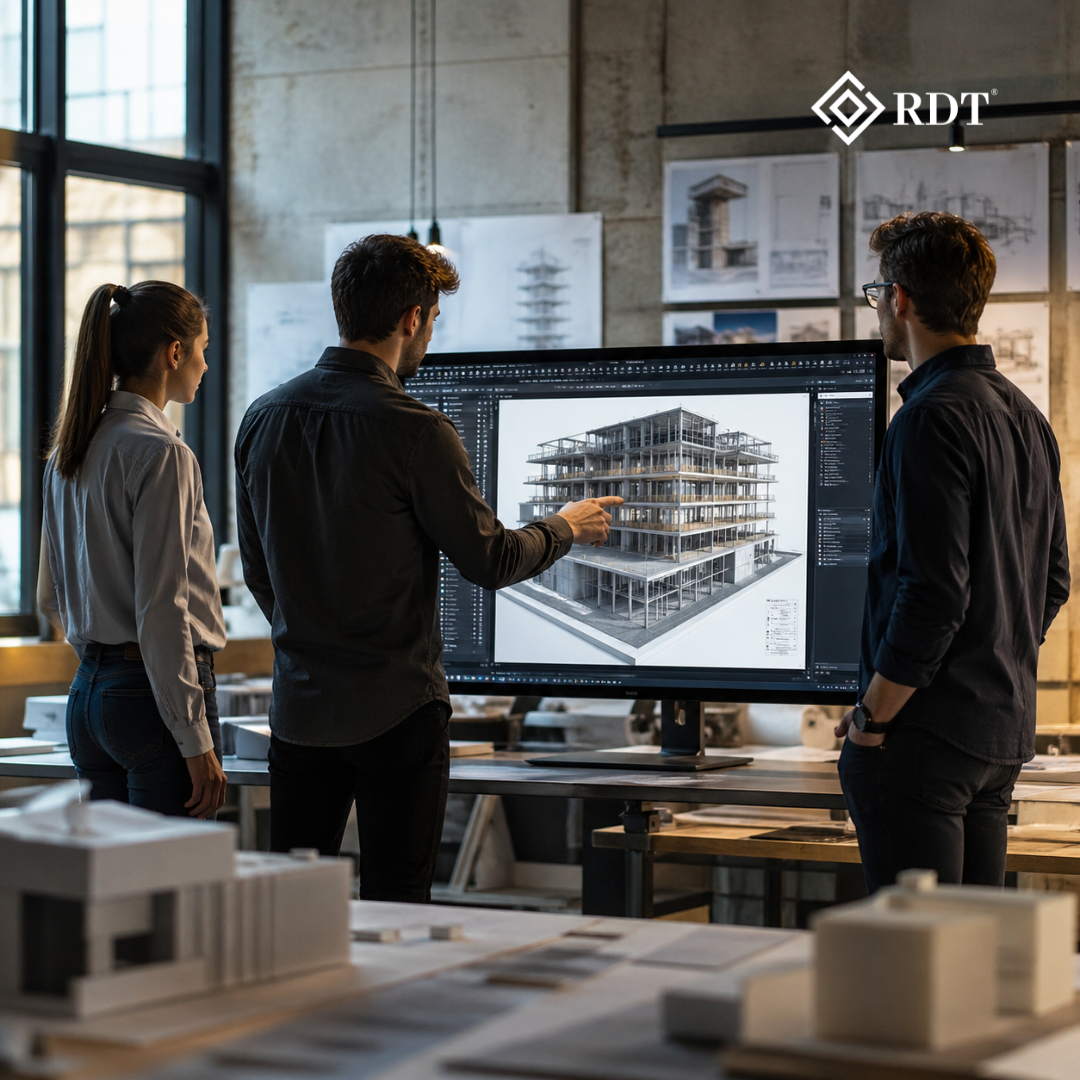
3D Modeling is the process of creating a digital three dimensional representation of a building, structure, or system. In the AEC industry, it allows architects, engineers, and contractors to see and analyze every component of a project in a virtual environment.
Unlike traditional 2D drawings, 3D models offer realistic depth, perspective, and spatial understanding. This makes it easier to detect issues, improve design accuracy, and communicate ideas clearly to clients and teams.
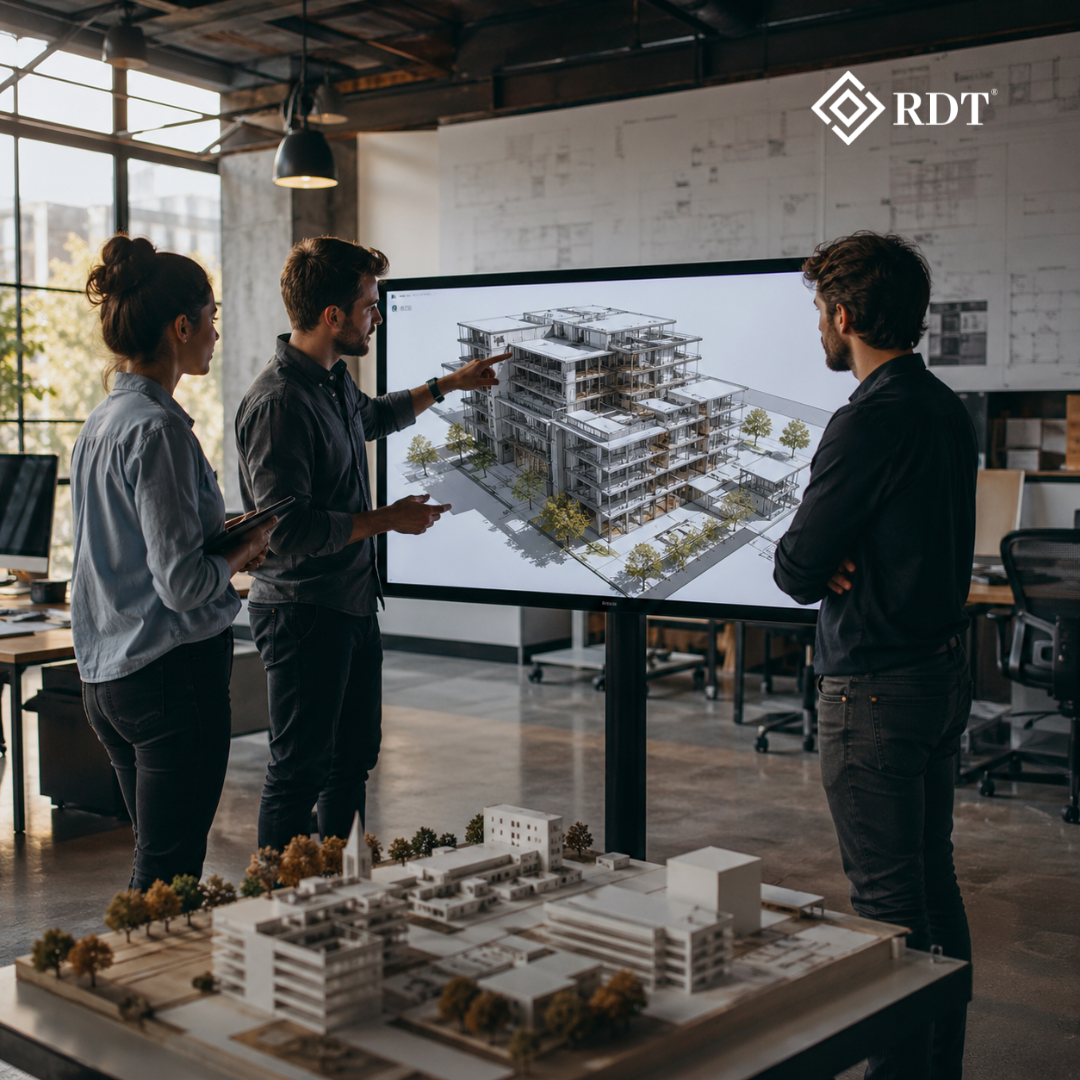
Architects use 3D models to create visually compelling presentations. Engineers use them to coordinate structural and MEP systems. Contractors use them to plan construction activities and avoid costly mistakes on site.
Why 3D Modeling Is Essential in 2026
In 2026, the AEC industry demands speed, precision, and cost effective execution. 3D Modeling meets these demands by offering clear and accurate project visualization from the start.
It helps project teams understand the final outcome before construction begins. This speeds up approvals and reduces uncertainty.
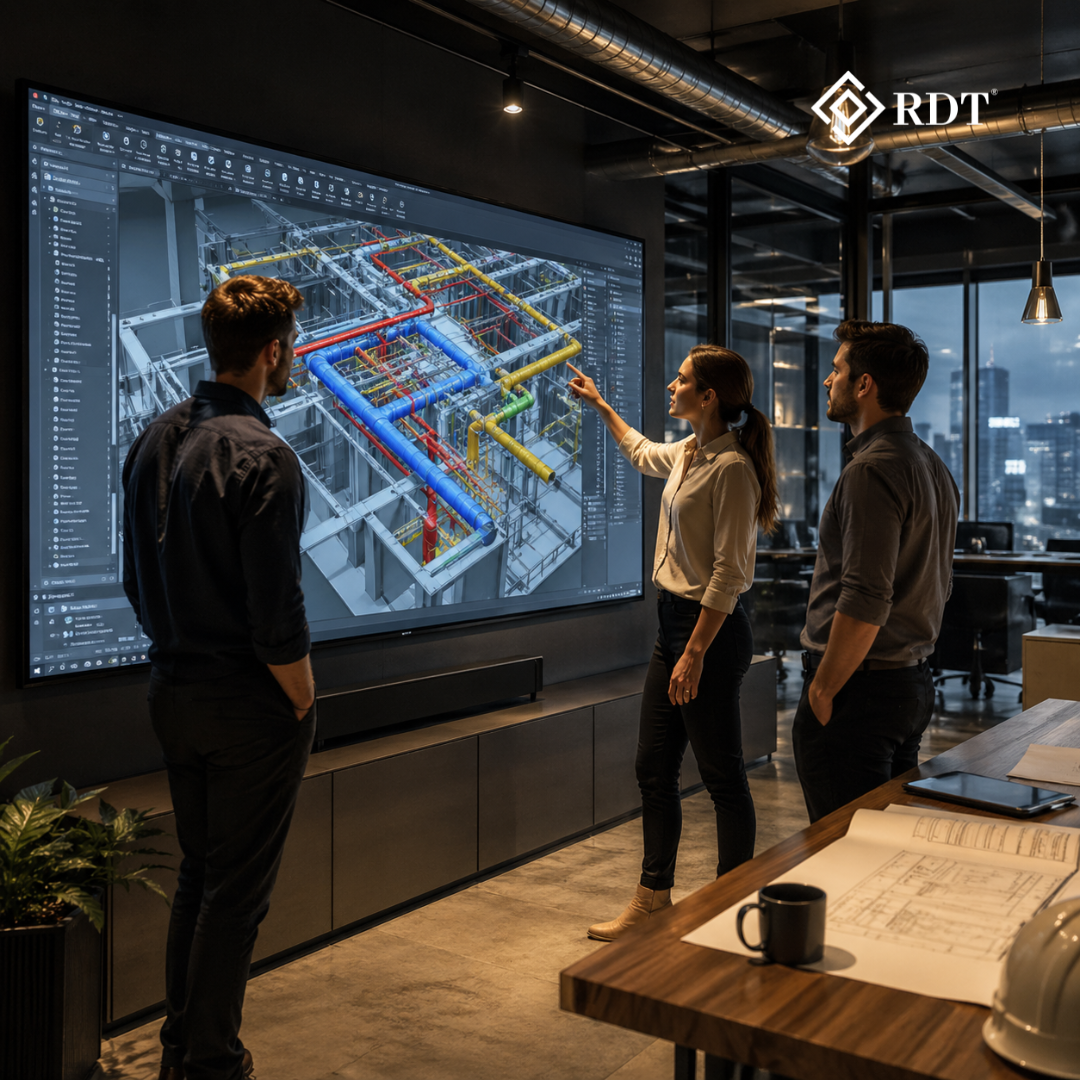
It allows clash detection between structural, mechanical, electrical, and plumbing systems, preventing expensive conflicts during construction.
It reduces material waste and rework because issues are identified and solved during the design phase.
It improves overall communication by providing a visual model that everyone can understand, regardless of technical background.
Benefits of 3D Modeling for Architects
Architects use 3D Modeling to bring concepts to life in a visually stunning and realistic way.
Clients can experience designs through realistic renderings and virtual walkthroughs, making it easier for them to approve concepts quickly.
Architects can experiment with layouts, materials, colors, and lighting to improve design quality.
This flexibility allows for more creativity and innovation in every project.
In today’s competitive market, high quality 3D presentations can help firms win more projects and impress clients.
Benefits of 3D Modeling for Engineers
Engineers rely on precision, and 3D Modeling provides the level of detail needed for accurate planning and analysis.
Structural engineers can evaluate loads, supports, and structural integrity.
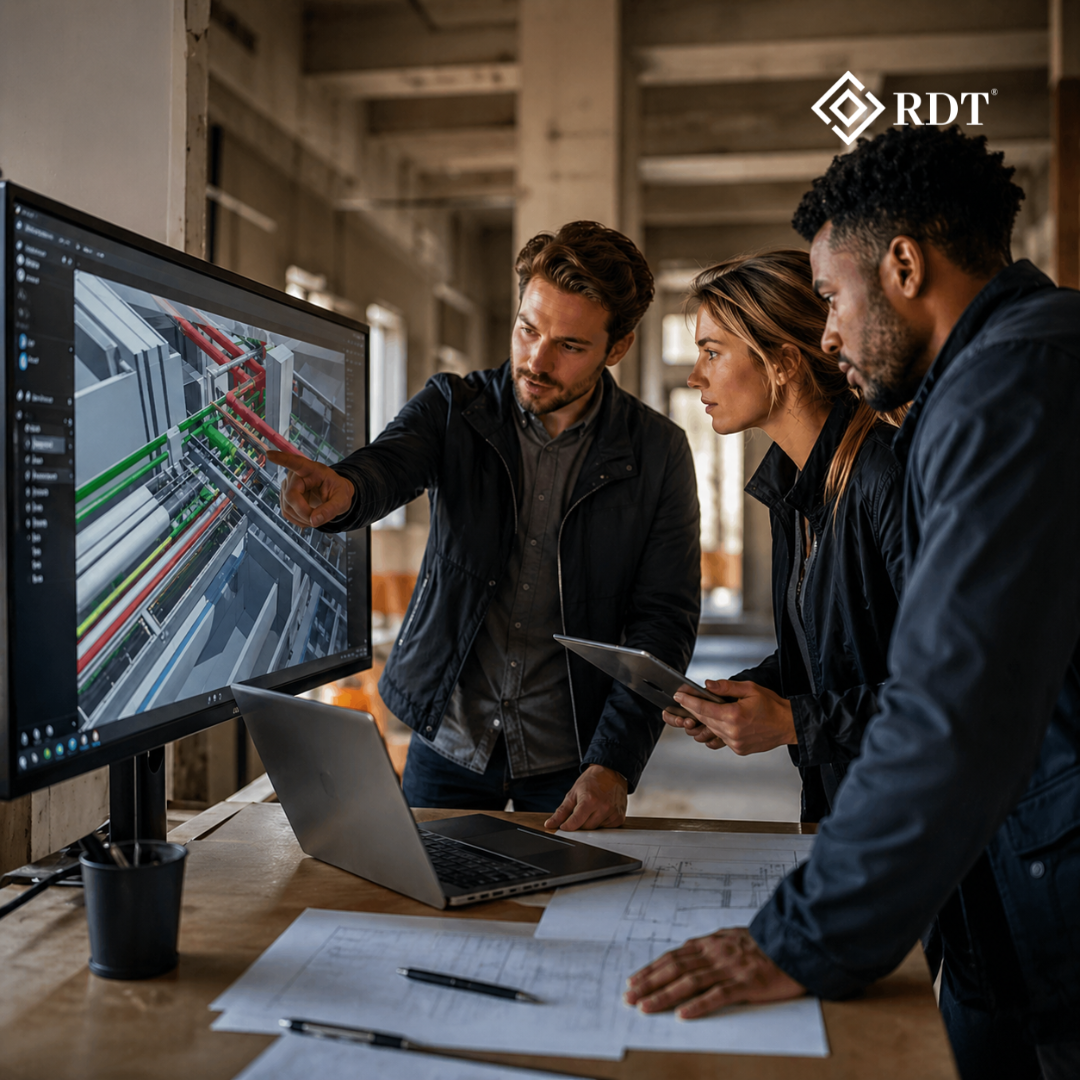
MEP engineers can coordinate systems effectively and avoid clashes.
Civil engineers can model terrain, roads, bridges, and site layouts with improved accuracy.
This results in fewer errors during construction and better project performance.
Benefits of 3D Modeling for Contractors
Contractors use 3D Modeling to improve planning, scheduling, and execution.
Construction teams can understand sequencing and construction phases more clearly.
Material takeoffs become more accurate, improving procurement and budgeting.
On site teams can communicate better with visual references rather than relying only on complex drawings.
This reduces delays, improves productivity, and ensures smoother project completion.
How 3D Modeling Improves Collaboration
The AEC industry involves multiple teams working together on a single project. Poor communication can lead to delays and costly mistakes.
3D Modeling creates a centralized visual platform where architects, engineers, contractors, and clients can collaborate effectively.
Everyone has access to the same updated project information, reducing confusion and improving coordination.
This leads to faster decision making and more efficient workflows.
The Future of 3D Modeling in the AEC Industry
The future of 3D Modeling is brighter than ever. As projects become larger and more complex, digital modeling will continue to play a critical role.
Smart cities, green buildings, modular construction, and advanced infrastructure all rely on accurate 3D planning.
Companies that invest in 3D Modeling today are preparing themselves for long term growth and success.
As technology advances, 3D Modeling will continue to shape the future of construction and design.
Conclusion
3D Modeling is no longer a luxury in the AEC industry. It is a necessity in 2026. It improves visualization, enhances collaboration, reduces errors, and saves both time and money.
From architects and engineers to contractors and developers, everyone benefits from adopting smarter digital workflows.
Businesses that embrace 3D Modeling today will lead the industry tomorrow by delivering faster, smarter, and more accurate projects.
Transform your next project with expert 3D Modeling services from RDT Technology. Our team delivers precision driven solutions that help architects, engineers, and contractors build smarter, faster, and more efficiently in the modern AEC industry.