
Focus Topic – Rendering
Most construction projects do not fail suddenly. They drift into trouble. It usually starts with something small. A detail that was understood differently. A space that felt fine on paper but wrong in reality. A service route that nobody questioned because it looked acceptable in drawings.
At the beginning, everything seems settled. Drawings are approved. Meetings end on a positive note. People leave believing they are aligned. What usually goes overlooked is that alliance exists merely in words, not in understanding.
Every individual carries a slightly diverse version of the building in their mind.
Rendering brings those versions into the open.
Early in a project, drawings leave a lot unexpressed. They are precise, but they are particular. They show information, not experience. Architects read the atmosphere into them. Engineers read performance. Contractors read logistics. Clients read expectations. None of this is intentional. It is simply how people work.
Because of this, conversations move ahead even when presumptions are still pending. Nonentity wants to dull things down. Nonentity wants to arise uncertainly. So projects progress with quiet gaps in understanding.
Those gaps almost always surface later.
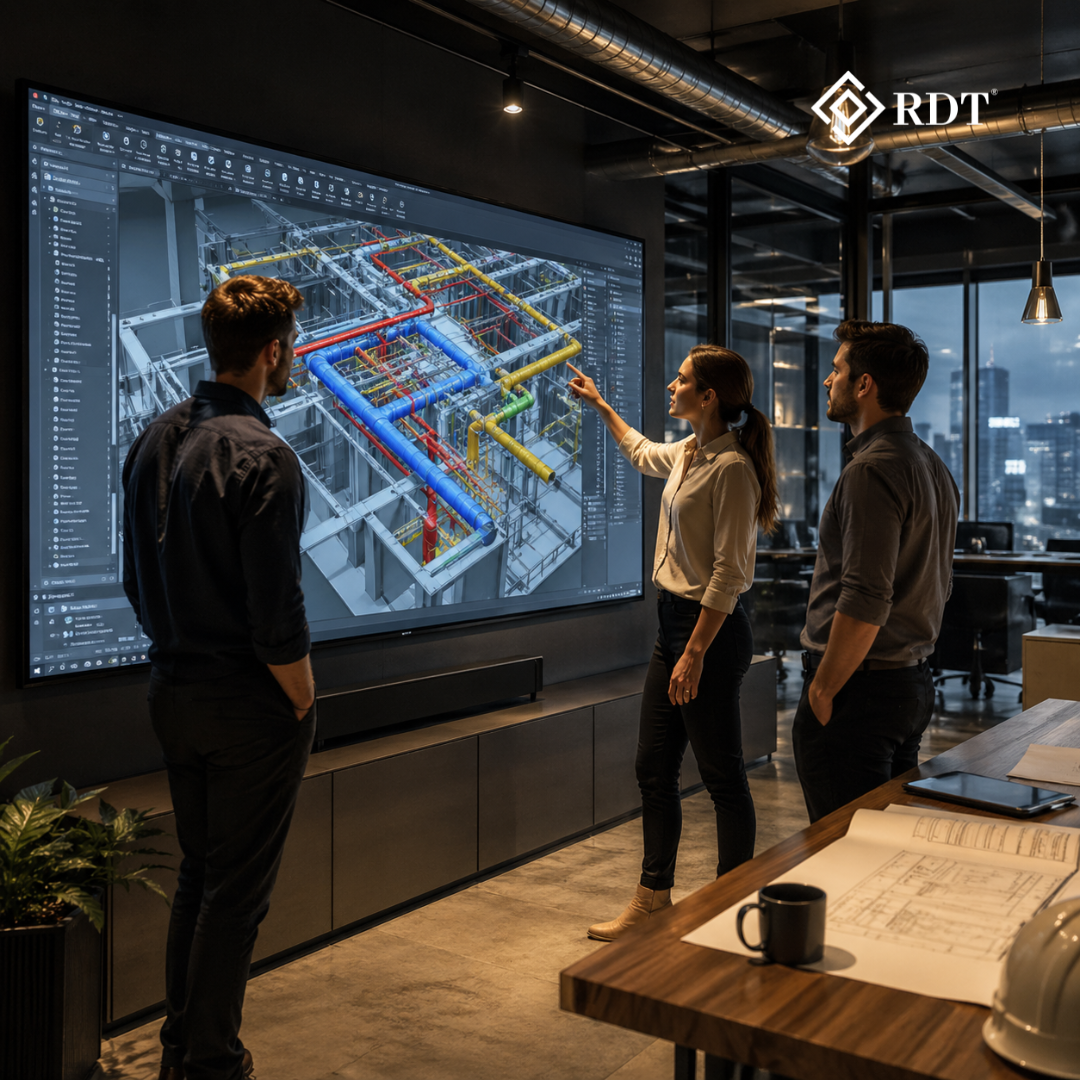
Rendering interrupts that cycle. It forces the project to pause long enough for people to react honestly. When something is visible, opinions surface quickly. A space feels tighter than expected. A service looks more dominant than imagined. Circulation raises questions that drawings never triggered.
These reactions are valuable. They arrive before construction, when change is still possible.
Drawings are often treated as the final word, but they are not always the clearest one. They demand interpretation. Even experienced professionals can look at the same set and focus on entirely different things.
Rendering removes that layer of translation. It puts everyone in the same place, looking at the same outcome. Suddenly, conversations change tone. People stop explaining and start responding.
This shift matters most for those who are not immersed in drawings every day. Clients and decision makers do not want to decode intent. They want to understand what they are committing to. Rendering gives them that understanding without requiring technical language.
The cutaway image you are using, works well for this reason.
It does not try to hide complexity. It shows how spaces and systems exist together. Living areas are not separated from pipes, ducts, or structures. Everything is visible, honest, and connected.
That honesty leads to better questions.
When stakeholders see how services move through the building, they begin to understand constraints. Engineers no longer need to justify decisions in abstract terms. Contractors can anticipate access challenges earlier. Clients start to see why certain compromises exist.
The building stops being an idea and starts behaving like a real object that must function every day.
Some of the most expensive mistakes in construction come from late realization. A moment during execution when someone finally understands what was approved months earlier. By then, options are limited.
Rendering moves that realization forward.
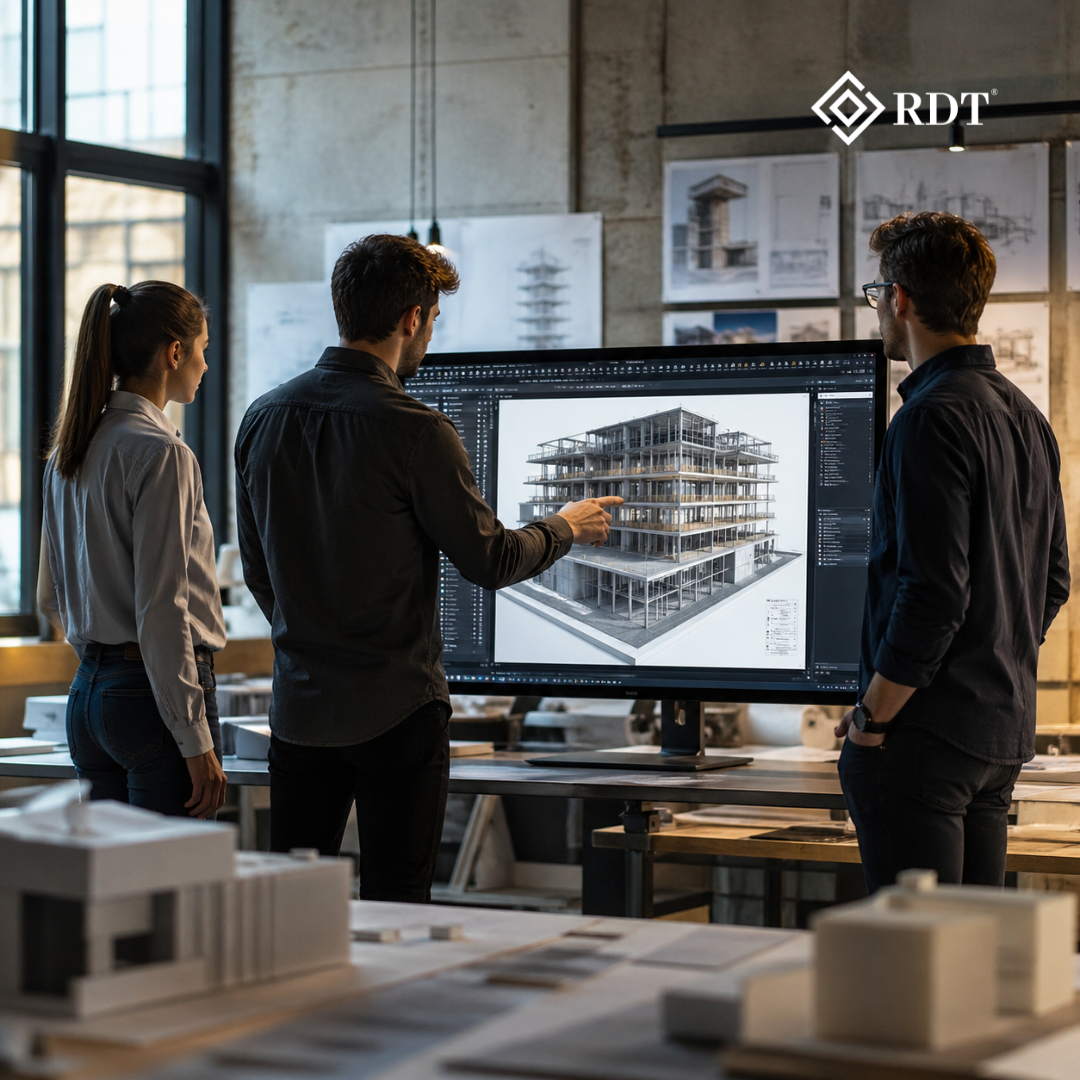
It also changes how people speak to each other. Not everyone is comfortable interrupting meetings or questioning drawings. Visuals lower that barrier. Someone can point and say this does not feel right. No explanation required.
That simplicity reduces tension. Meetings become shorter. Decisions become clearer. There is less room for later disagreement because the reference was visible from the start.
As buildings become more complicated, coordination becomes less tolerant. Structure, services, and finishes rarely want the same space. On drawings, these conflicts can remain hidden. In renderings, they rarely do.
Seeing elements together exposes problems early. It also exposes opportunities to solve them cleanly rather than improvising on site.
Confidence grows when people understand what they are approving. Rendering builds that confidence quietly. Clients stop hesitating. Developers communicate intent more clearly. Contractors plan with fewer unknowns.
That confidence carries into construction. When questions arise, teams look back to what was agreed visually. Expectations are easier to defend. Quality is easier to maintain.
Rendering also extends beyond the immediate team. Permissions, funding conversations, and investor presentations all benefit from transparency. A rendered view often explains more in a moment than pages of documentation.
Once construction begins, rendering does not become irrelevant. It becomes a reminder. A benchmark. A reference point when decisions need to be checked against original intent.
At its core, rendering is not about appearance. It‘s about alignment.
It reveals assumptions before they become problems. It gives people permission to respond honestly before commitment replaces flexibility.
Construction will always involve complexity. Rendering does not eliminate that. What it eliminates is avoidable misunderstanding.
Before the first activity begins on site, rendering allows everyone involved to agree on what is being built, how it should work, and what success actually looks like. That agreement is what separates smooth execution from constant correction.
Bring clarity before construction begins. Collaborate with RDT Technology to align stakeholders early and turn shared vision into seamless execution.