Introduction
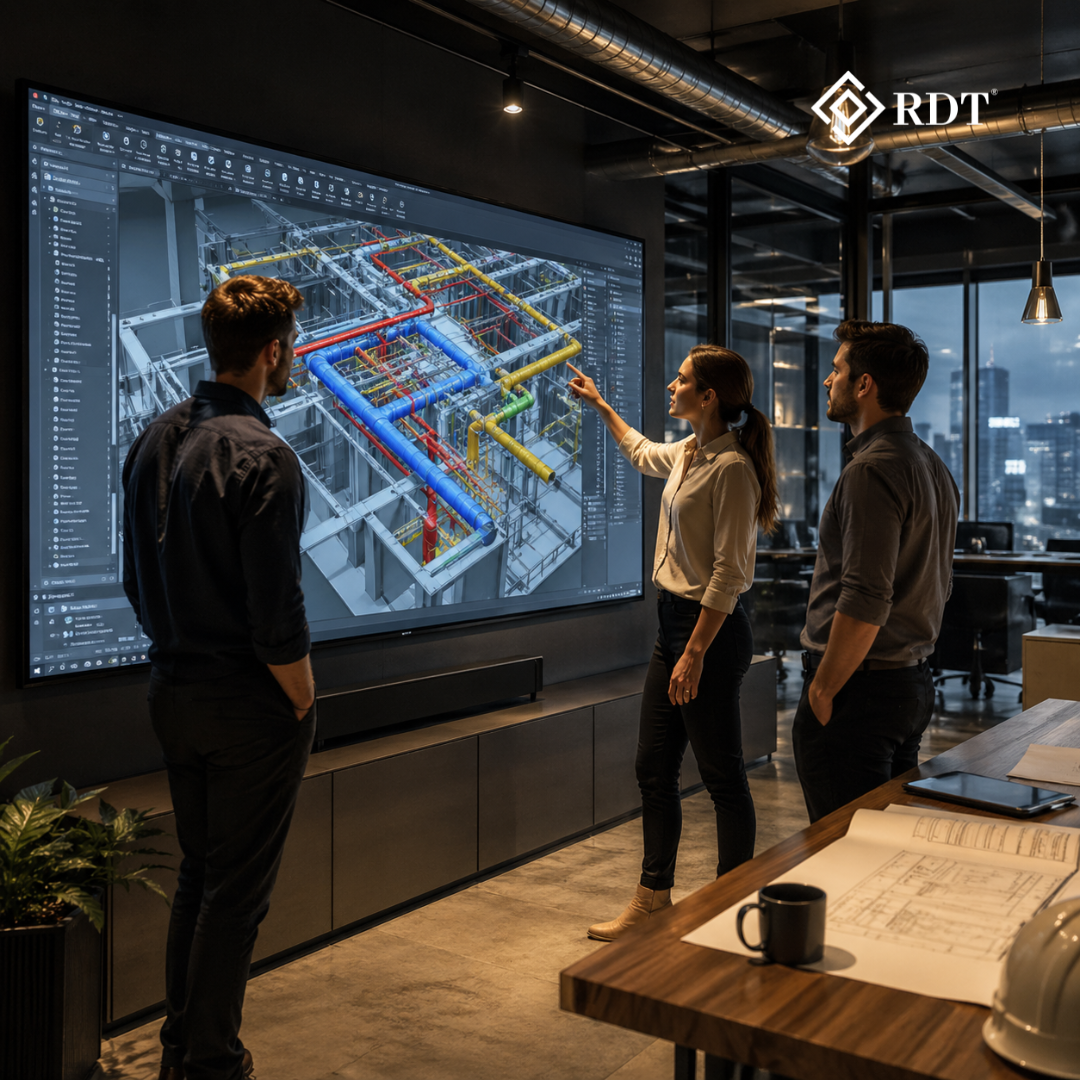
In a world obsessed with 3D visualization and advanced modeling, 2d drafting continues to hold a powerful and often underestimated position in the construction and design industry. While flashy technologies grab attention, the precision, clarity, and reliability of traditional drafting still form the backbone of countless successful projects. From architectural layouts to mechanical schematics, 2d drafting remains the silent force that ensures accuracy and execution on the ground.
Why 2D Drafting Still Matters
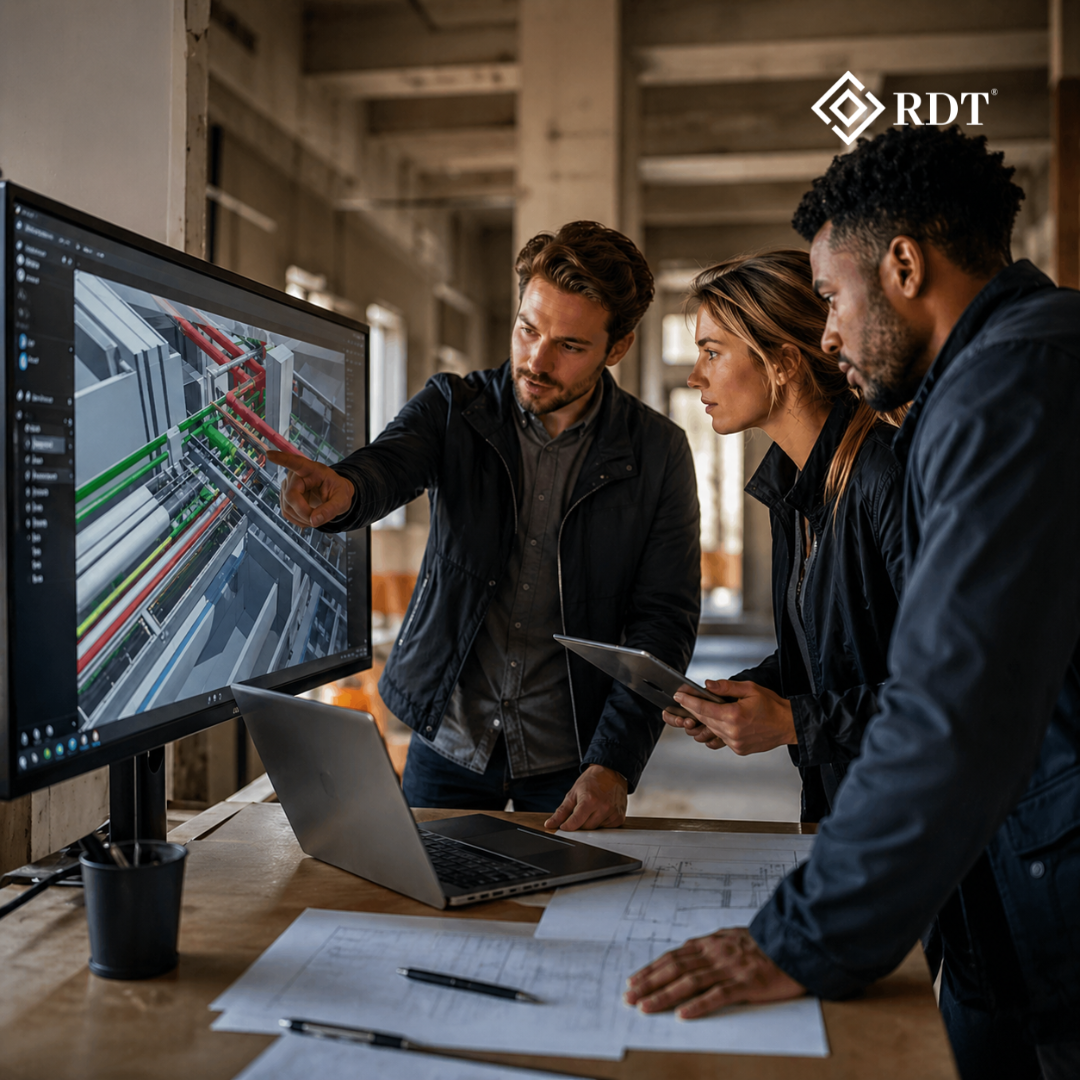
Despite the rapid rise of BIM and 3D tools, 2d drafting is far from obsolete. In fact, it is deeply embedded in workflows across industries. Contractors, engineers, and fabricators rely on detailed 2D drawings to interpret designs quickly and efficiently. These drawings are easier to read, quicker to produce, and often more practical for on site execution.
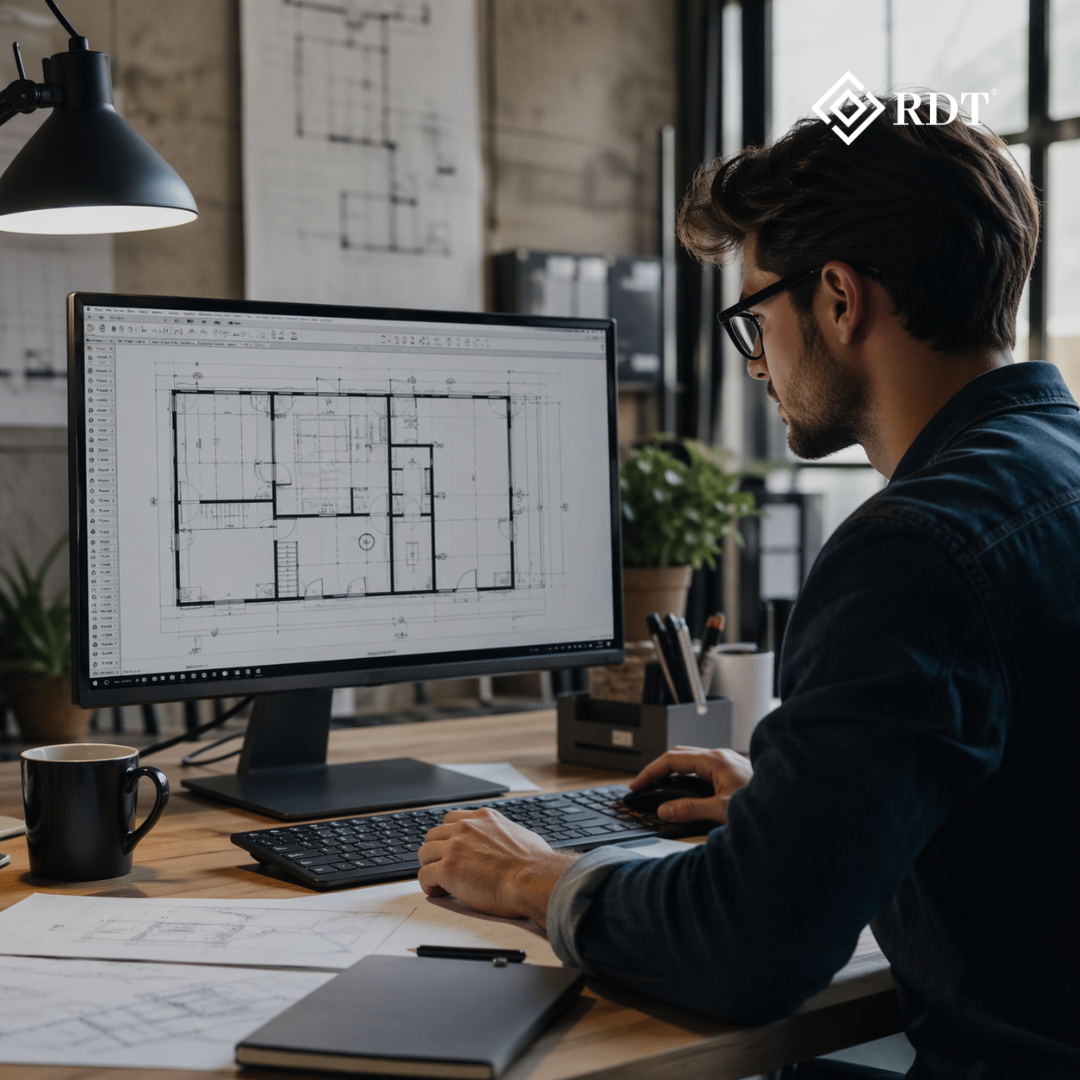
2D drafting delivers clarity without unnecessary complexity. When teams are working under tight deadlines, they need drawings that communicate information instantly. Floor plans, elevations, sections, and detailed callouts in 2D format provide exactly that. No distractions, no heavy files, just precise information that drives decisions.
Speed That Matches Modern Demands
Time is money in construction. One of the biggest advantages of 2d drafting is speed. Compared to complex 3D modeling, 2D drawings can be created, modified, and shared much faster. This makes them ideal for projects that require quick turnaround times or frequent revisions.
Whether it is a minor layout adjustment or a major redesign, 2D drafting allows professionals to implement changes without rebuilding entire models. This flexibility keeps projects moving forward without delays, which is critical in fast paced environments.
Cost Effective Without Compromise
Not every project requires advanced modeling. For many small to medium scale developments, 2d drafting provides everything needed to complete the job effectively. It reduces software costs, minimizes training requirements, and lowers overall project expenses.
Businesses that understand where to use 2D versus 3D gain a competitive edge. By leveraging 2d drafting for appropriate tasks, companies can optimize resources while maintaining high quality output. It is not about choosing one over the other, but about using the right tool for the right purpose.
Precision That Builds Confidence
Accuracy is non negotiable in design and construction. 2d drafting excels in delivering precise measurements and clear annotations. Every line, dimension, and symbol is intentional and easy to interpret.
This level of precision builds confidence among stakeholders. Engineers trust the data, contractors trust the drawings, and clients trust the outcome. When everyone is aligned, projects run smoother and risks are significantly reduced.
Universal Language of Construction
One of the most powerful aspects of 2d drafting is its universality. Regardless of location or project type, 2D drawings follow standardized conventions that professionals around the world understand. This makes collaboration seamless, even across different teams and regions.
While 3D models may require specific software or expertise to interpret, 2D drawings are accessible to everyone involved in the project. This inclusivity ensures that communication remains clear and effective at every stage.
Integration With Modern Technology
Contrary to popular belief, 2d drafting is not isolated from modern advancements. It integrates seamlessly with digital tools and workflows. Many BIM processes still rely on 2D drawings for documentation and detailing.
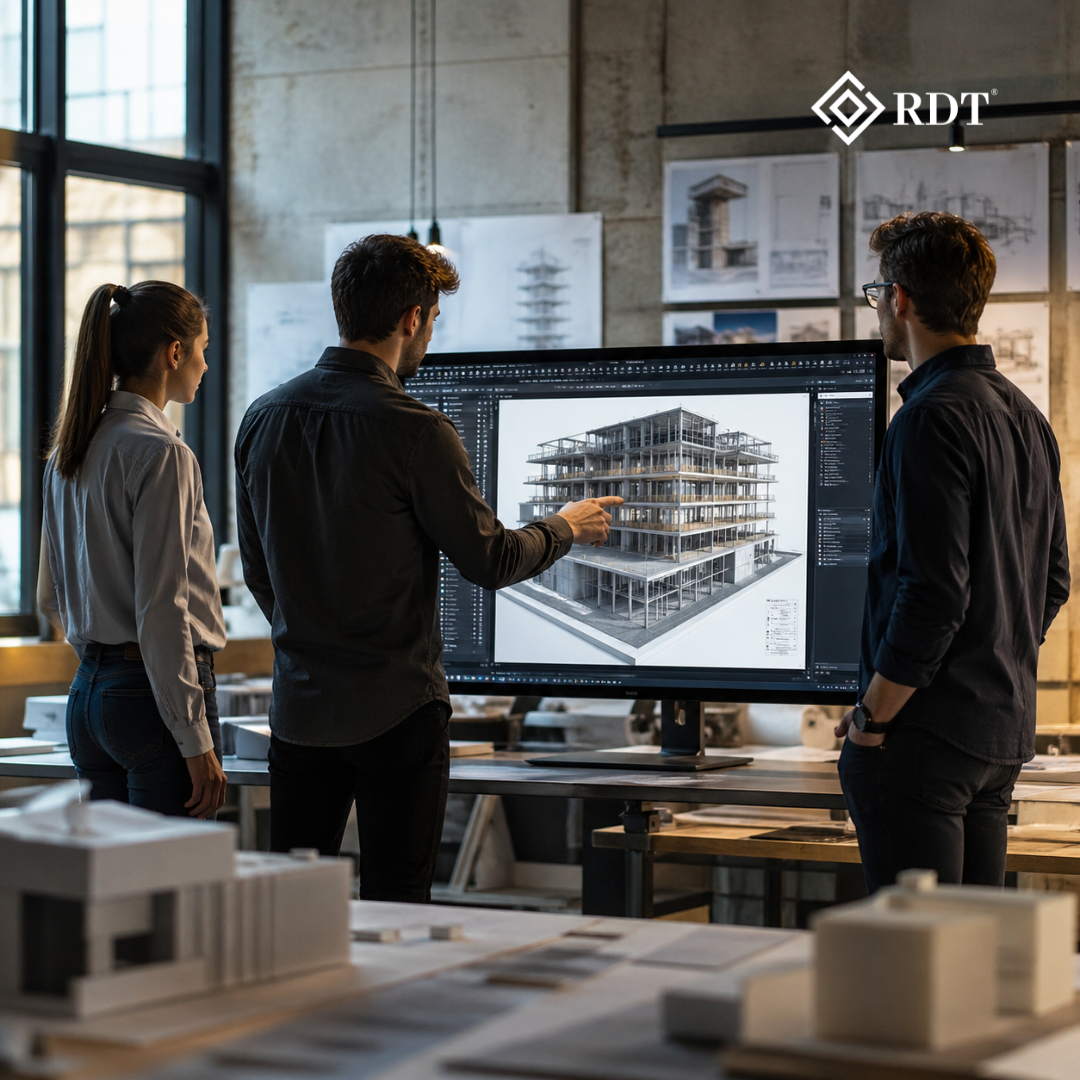
Designers often start with 2D concepts before developing them into 3D models. Even after a project is fully modeled, 2D drawings are extracted for construction documentation. This shows that 2d drafting is not competing with modern technology but complementing it.
Where 2D Drafting Excels the Most
There are specific areas where 2d drafting truly shines. Shop drawings, fabrication details, and technical schematics are best represented in 2D. These require high levels of detail and clarity that are easier to achieve in a flat format.
Electrical layouts, plumbing plans, and structural detailing also benefit from 2D representation. These drawings need to communicate exact specifications without unnecessary visual elements. 2D drafting delivers this with unmatched efficiency.
The Skill That Will Never Fade
Technology will continue to evolve, but the fundamentals of drafting will always remain relevant. Professionals who master 2d drafting gain a strong foundation that enhances their overall design capabilities.
Understanding line work, scale, dimensioning, and layout principles is essential for any designer or engineer. These skills are transferable and valuable, regardless of the tools being used. In many ways, 2d drafting is the foundation upon which all advanced design technologies are built.
The Smart Approach for Modern Businesses
Forward thinking companies are not abandoning 2d drafting. Instead, they are integrating it strategically into their workflows. They recognize that efficiency comes from balance, not replacement.
By combining 2D drafting with advanced tools, businesses can achieve faster delivery, better accuracy, and improved cost management. This hybrid approach is what defines successful projects in today’s competitive landscape.
Conclusion
The narrative that 2d drafting is outdated is simply not true. It continues to play a critical role in shaping the built environment. Its speed, precision, cost effectiveness, and universal accessibility make it an indispensable part of modern construction.
As the industry evolves, the smartest professionals will be those who understand the value of both traditional and advanced methods. 2d drafting is not just surviving, it is quietly dominating where it matters most.
Ready to bring precision and efficiency to your projects with expert 2d drafting solutions. Partner with RDT Technology and experience drawings that drive real results.