
For years, the construction sector carried a prestige for being slow to change. While other industries raced ahead with digital change, construction carefully tested innovation—usually constrained by risk, fragmentation, & legacy approaches. But 2025 marked a turning point.
This was the year construction did not only embrace advanced tools—it redefined how projects are pictured, harmonized, delivered, & managed.
BIM developed from a modeling tool into a decision process engine. AI moved from experimentation to implementation. Project delivery changed from responsive coordination to foretelling, datacentric control. The result? An essentially new construction atmosphere—quicker, brilliant, and far more strong.
This is the story of how 2025 transformed construction permanently.
From Digital Representation to Digital Intelligence
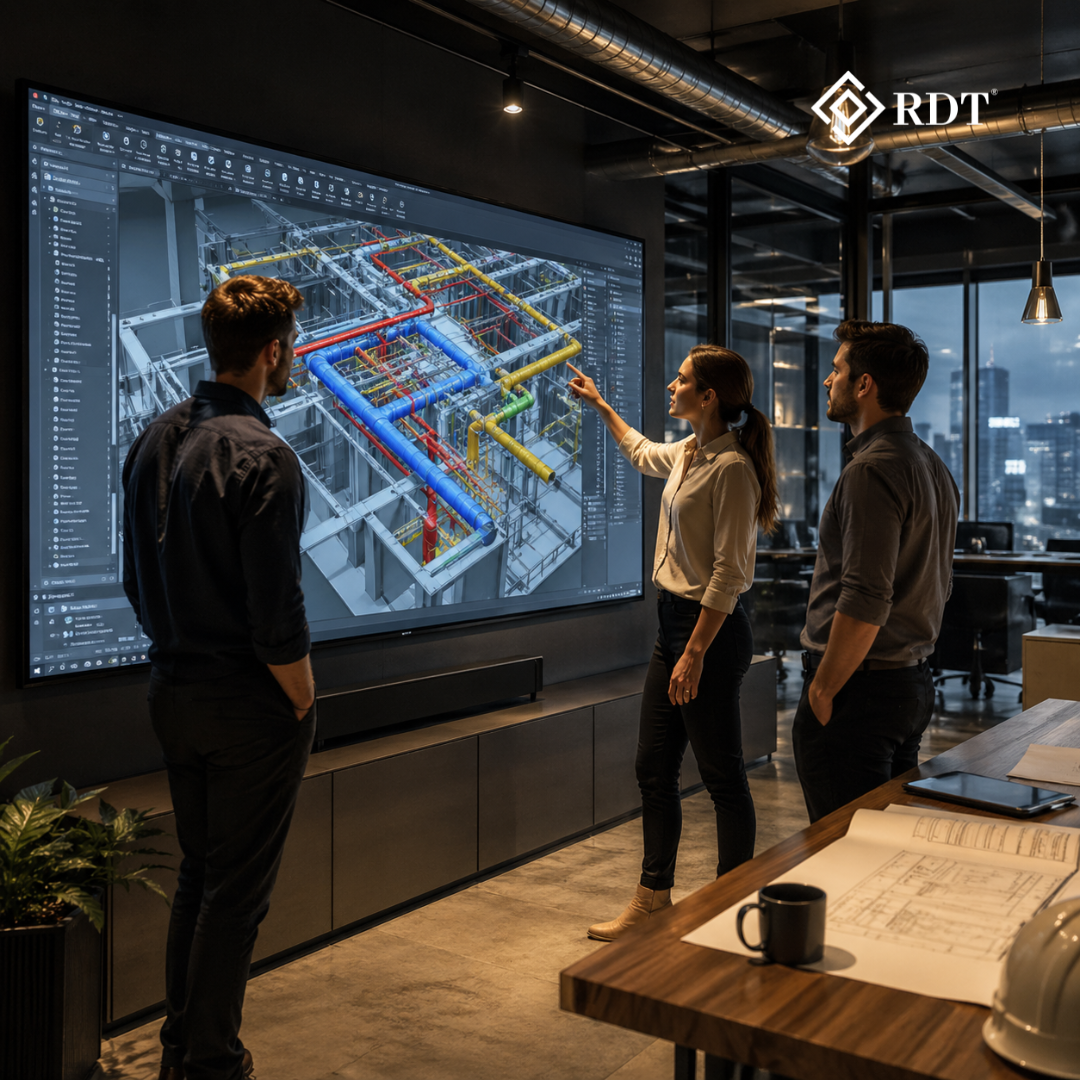
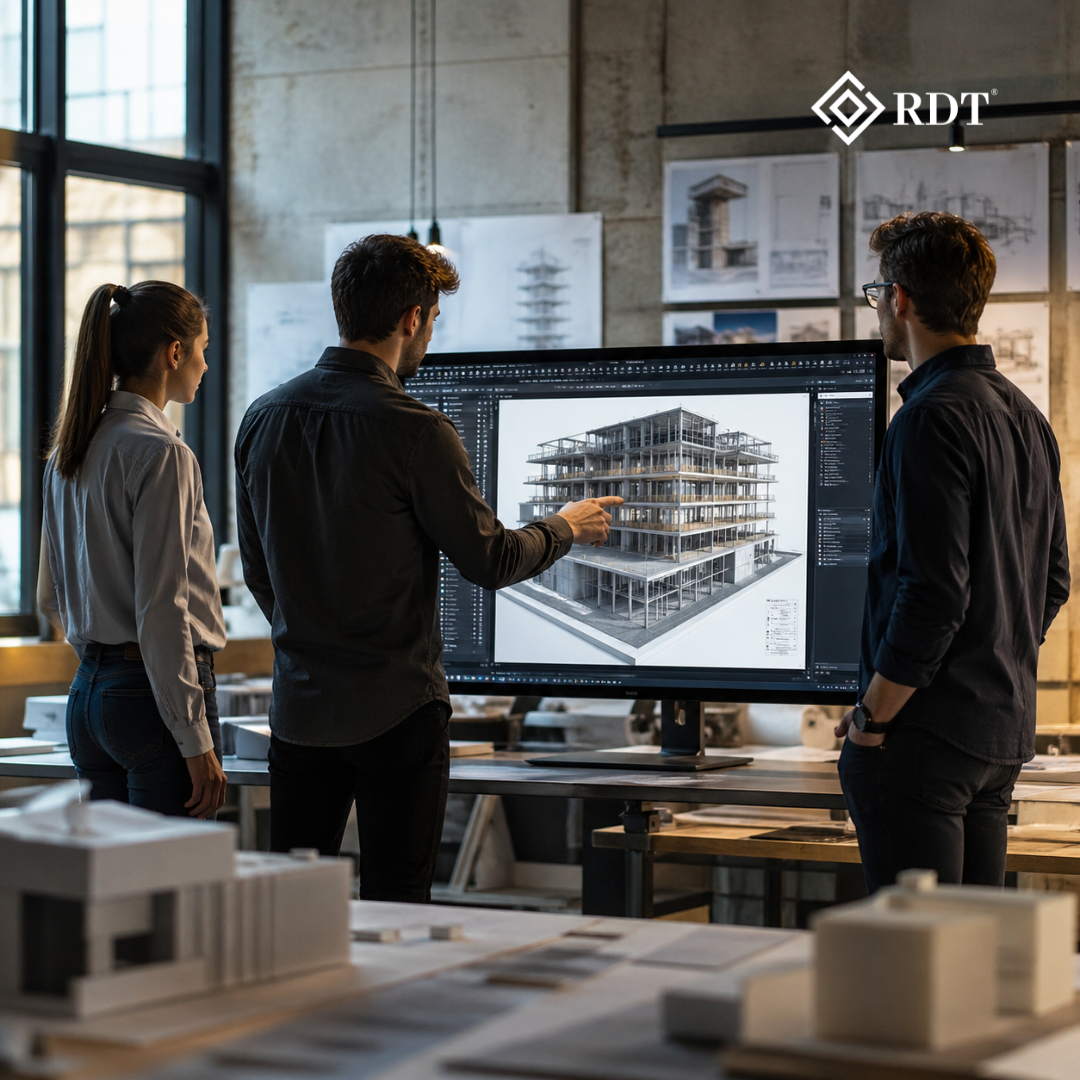
For years, Building Information Modeling (BIM) was viewed primarily as a 3D visualization platform—a better way to represent geometry. By 2025, that definition became outdated.
BIM matured into a linked digital intellect layer that integrated design, construction, & operations into an individual source of truth.
Instead of static models handed off between stakeholders, 2025 introduced living BIM environments:
- Models updated in real time
- Data synchronized across disciplines
- Decisions driven by analytics, not assumptions
This shift changed the fundamental question teams asked. It was no longer “What does the model look like?” but “What is the model telling us?”
AI Shifted From Help to Authority
Artificial Intelligence was not fresh to construction before 2025—but it was careful, limited, & frequently siloed. That changed dramatically.
In 2025, AI became a main decision companion throughout the project lifecycle.
AI in Design
Generative AI systems began producing thousands of design iterations based on:
- Site constraints
- Regulatory requirements
- Energy performance goals
- Cost parameters
Designers no longer started from a blank screen. They started from optimized possibilities, refining creativity rather than building from scratch.
AI in Coordination
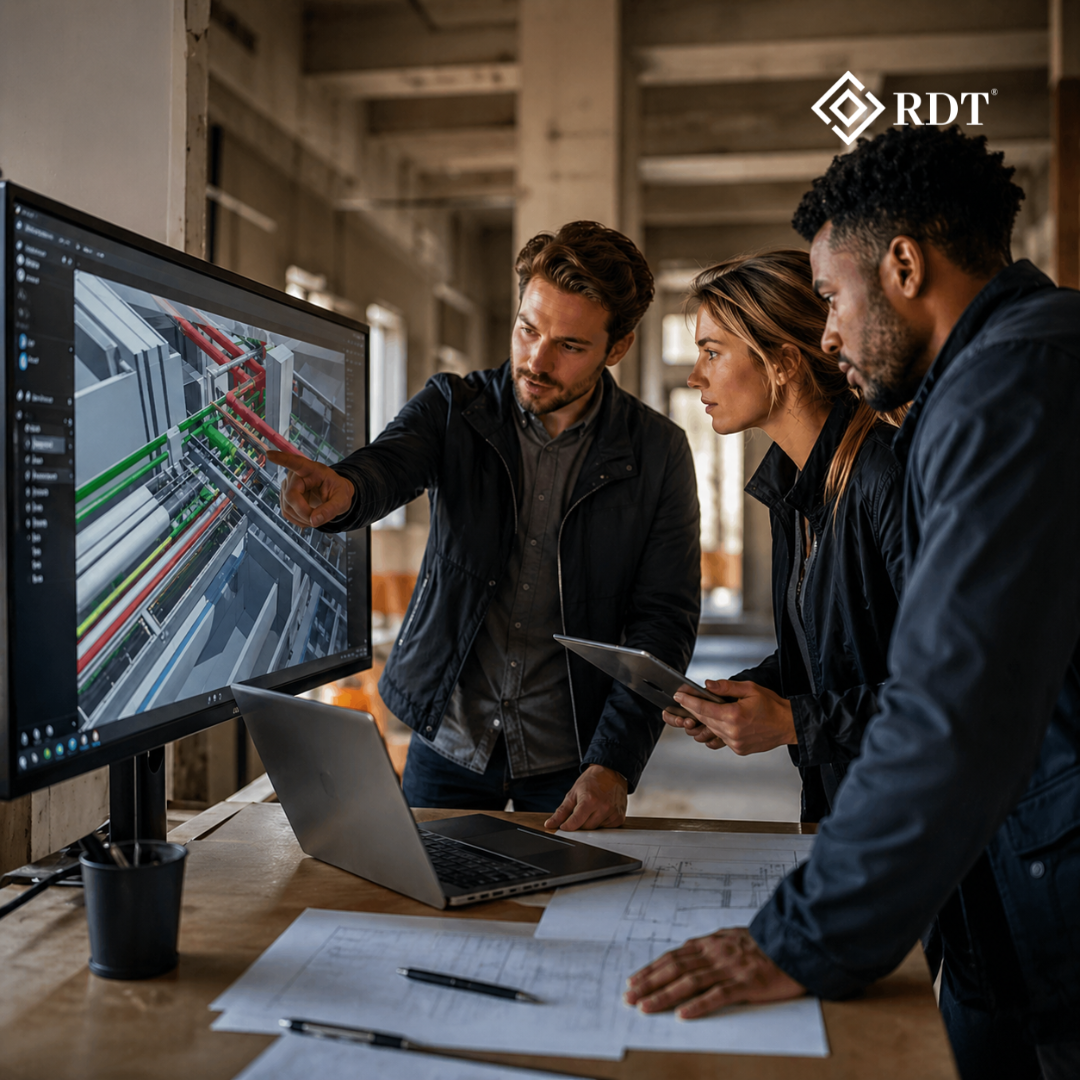
Clash detection evolved into clash prediction. AI systems learned from historical project data to identify high-risk intersections before coordination meetings even began. Issues were flagged not just by geometry, but by constructability, sequencing, and tolerance logic.
AI in Project Controls
Schedules and budgets stopped being static documents. AI-driven forecasting models continuously analyzed:
- Productivity trends
- Material availability
- Weather data
- Workforce patterns
The result was predictive project management, where teams could act before delays or cost overruns materialized.
Digital Twins Became the New Project Standard
If BIM was the base, digital twins became the differentiator in 2025.
Unlike ordinary models, digital twins are vigorous, data-driven replicas of actual assets. They integrate:
- BIM geometry
- IoT sensor data
- Construction progress updates
- Operational performance metrics
In 2025, digital twins extended far beyond construction completion. Owners demanded twins that supported:
- Commissioning
- Asset management
- Predictive maintenance
- Lifecycle optimization
Buildings were no longer “finished” at handover. They became continuously optimized systems—learning, adapting, and improving long after occupancy.
The Rise of Common Data Environments as Command Centers
Fragmentation has always been construction’s greatest weakness. In 2025, Ordinary Data Environments (CDEs) finally finished their assurance.
CDEs transformed from document repositories into project command centers:
- Design updates synced instantly across teams
- RFIs, submittals, and approvals automated through workflows
- Data integrity enforced through permissions and validation rules
The most advanced CDEs leveraged AI to:
- Flag inconsistencies across documents
- Track accountability in real time
- Highlight risks hidden inside data silos
This eliminated one of the industry’s most persistent problems: working from outdated information.
Automation Redefined Productivity
2025 proved that automation wasn’t about replacing people—it was about amplifying expertise.
Model Automation
Repetitive BIM tasks such as:
- Family creation
- Parameter population
- Quantity takeoffs
- LOD upgrades
were progressively automated through scripts, APIs, & AI-assisted modeling tools. This freed BIM experts to concentrate on coordination, plan, & problem-solving instead of manual production.
Construction Automation
Robotics and automated machinery gained traction for:
- Layout and surveying
- Prefabrication & modular assembly
- Material handling in controlled environments
The result was greater accuracy, minimized waste, and enhanced security—particularly on huge, complicated projects.
Prefabrication & Modular Construction Went Mainstream
While prefabrication resided long before 2025, this was the year it scaled globally.
The reason? BIM + AI + Manufacturing Logic finally aligned.
- BIM models were fabrication-ready from early design stages
- AI optimized module dimensions for transport and installation
- Digital coordination reduced tolerance conflicts on site
Factories replaced chaos with control. Construction sites became assembly zones rather than problem-solving battlegrounds.
This shift shortened schedules, stabilized costs, and improved quality—particularly for healthcare, residential, and large infrastructure projects.
Sustainability Became Data-Driven, Not Declarative
By 2025, sustainability was no longer a checkbox—it was a measurable outcome.
Advanced BIM platforms integrated:
- Energy modeling
- Carbon analysis
- Material lifecycle data
AI systems compared design options in real time, quantifying:
- Embodied carbon
- Operational energy consumption
- Long-term environmental impact
Sustainable decisions were no longer based on intuition or marketing narratives. They were data-validated and performance-tracked from concept through operation.
Documentation Reclaimed Its Strategic Importance
In an era obsessed with speed, 2025 reminded the industry of a critical truth: poor documentation is expensive.
As projects became more complex, high-quality documentation emerged as a competitive advantage. Smart documentation systems linked drawings directly to:
- Model intelligence
- Specifications
- Construction sequencing
- Asset data
Errors didn’t hide in disconnected sheets anymore. They surfaced early, where correction was cheapest.
The most successful teams treated documentation not as an obligation—but as risk insurance.
Project Delivery Shifted From Reactive to Predictive
Perhaps the most profound transformation of 2025 was philosophical.
Construction stopped reacting to problems and started anticipating them.
With integrated BIM, AI analytics, digital twins, and real-time data:
- Risks were modeled before they appeared
- Scenarios were tested before decisions were made
- Outcomes were simulated, not guessed
This changed client expectations forever. Owners now demand:
- Transparency over assumptions
- Predictability over promises
- Performance over claims
What This Means for the Future of Construction
2025 didn’t just introduce new technologies—it reset the industry’s baseline.
Going forward:
- BIM without intelligence will be obsolete
- AI without integration will be insufficient
- Project delivery without data clarity will be unacceptable
The firms that thrive will not be the ones with the most software—but the ones with the deepest understanding of how technology, process, and people intersect.
Construction has entered its intelligent era.
Final Thought: Technology Is the Tool—Expertise Is the Advantage
As powerful as these technologies are, they don’t succeed on their own. Their true value emerges only when guided by experience, precision, and strategic intent.
At RDT Technology, we help organizations transform BIM, AI, and digital workflows into real-world project outcomes. From intelligent modeling and documentation to advanced coordination and delivery strategies, we don’t just adopt technology—we engineer it for performance.
👉 Take advantage of RDT Technology’s world-class BIM and digital construction solutions and future-proof your projects in an industry that has already changed forever.