The construction industry has always been a high stakes environment where one small mistake can snowball into massive financial losses. Yet, despite advancements in technology, many projects still struggle with coordination issues, design conflicts, and costly rework. This is where Structural BIM Services Decoded becomes more than just a concept. It becomes a necessity. Understanding how structural BIM works and how it can prevent expensive mistakes before construction begins can completely transform the outcome of a project.
The Hidden Cost of Traditional Structural Workflows
Before diving into the benefits of structural BIM, it is important to understand the problem it solves. Traditional workflows rely heavily on 2D drawings, fragmented communication, and assumptions made across teams. Structural engineers, architects, and contractors often work in silos, leading to misalignment in design intent.
These gaps result in:
Frequent design clashes between structural and other disciplines
Rework during construction that delays timelines
Material wastage due to inaccurate quantity estimation
Budget overruns that eat into project profitability
In many cases, these issues are only discovered once construction has already begun. At that stage, fixing them is not only expensive but also disruptive to the entire project schedule.
What Structural BIM Services Really Mean
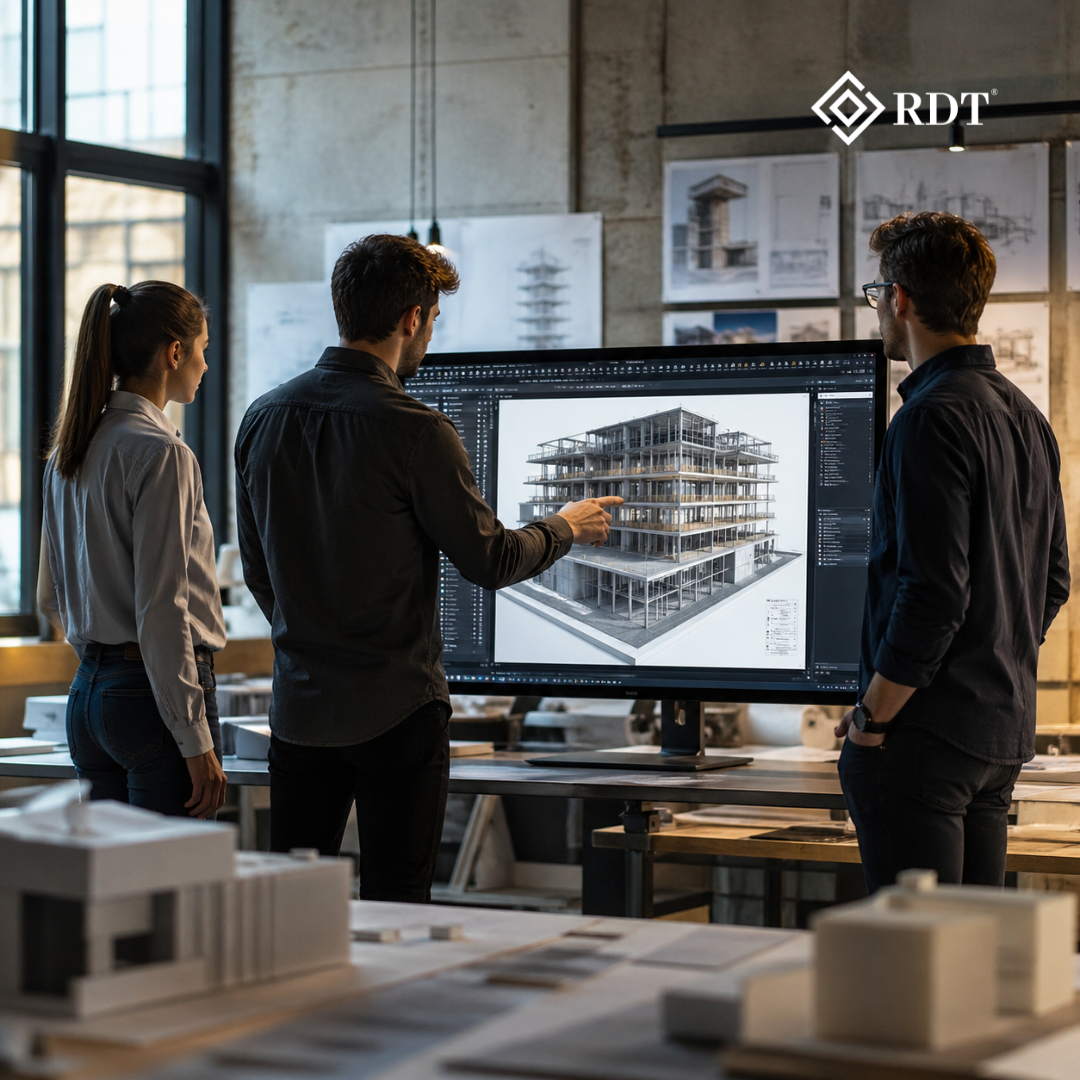
Structural BIM is not just about creating 3D models. It is about building an intelligent, data rich representation of a structure that allows teams to visualize, analyze, and coordinate every component before construction starts.
Structural BIM services typically include:
Detailed 3D structural modeling
Rebar detailing and reinforcement modeling
Clash detection and coordination with MEP and architectural models
Accurate quantity takeoffs and cost estimation
Construction documentation and shop drawings
This integrated approach ensures that every stakeholder is working with the same information, reducing ambiguity and improving decision making across the board.
Why Most Projects Lose Money Before They Even Start
Many construction losses occur long before the first brick is laid. Poor planning, incomplete coordination, and inaccurate data are the primary culprits. Without a clear understanding of how different systems interact, teams make decisions based on assumptions rather than facts.
For example, a structural beam might clash with a duct or a pipe. In a traditional workflow, this issue might go unnoticed until installation begins. At that point, teams are forced to either redesign the structure or reroute services, both of which come at a significant cost.
Structural BIM eliminates these uncertainties by identifying such conflicts in the digital environment. This allows teams to resolve issues early, when changes are easier and far less expensive to implement.
Clash Detection That Saves Real Money
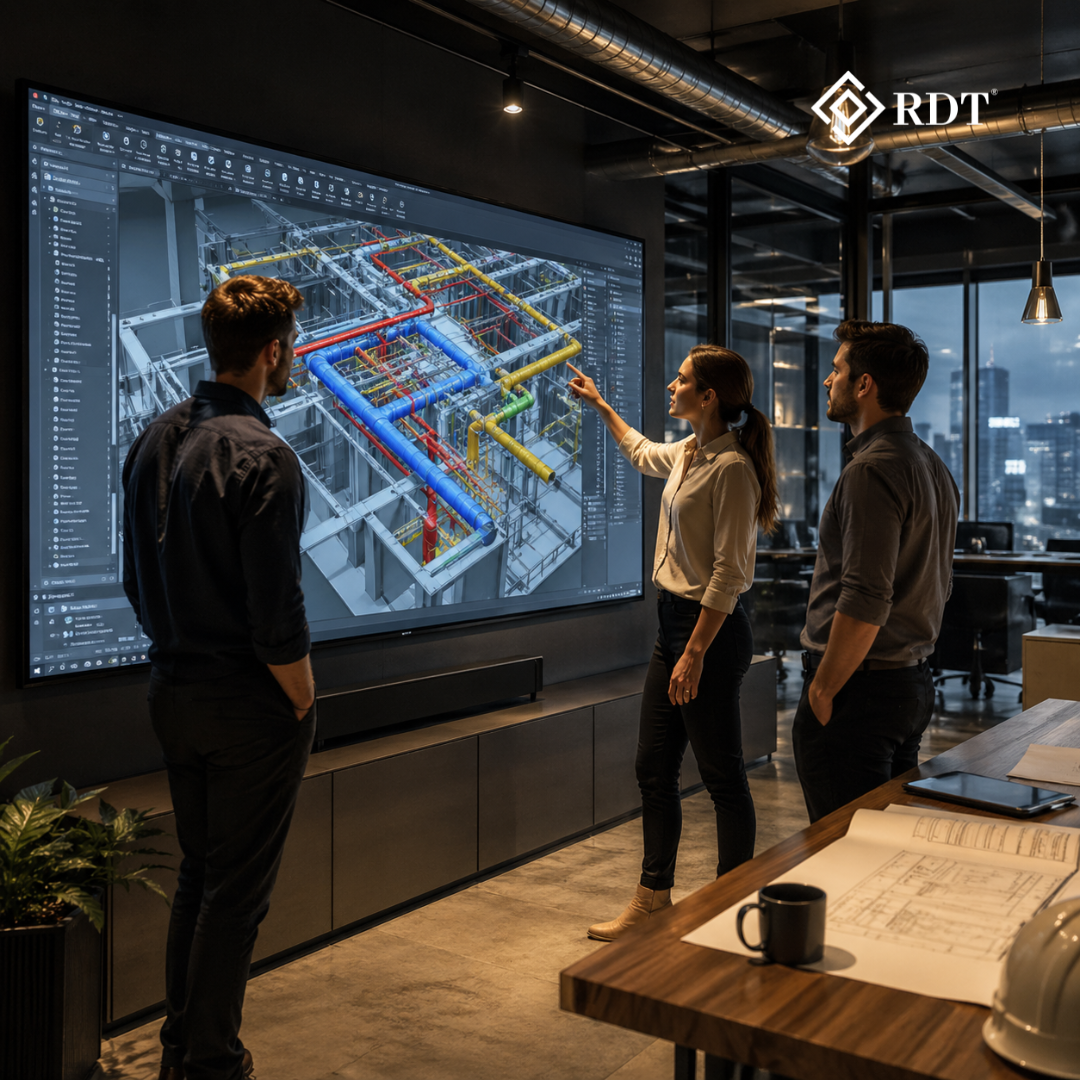
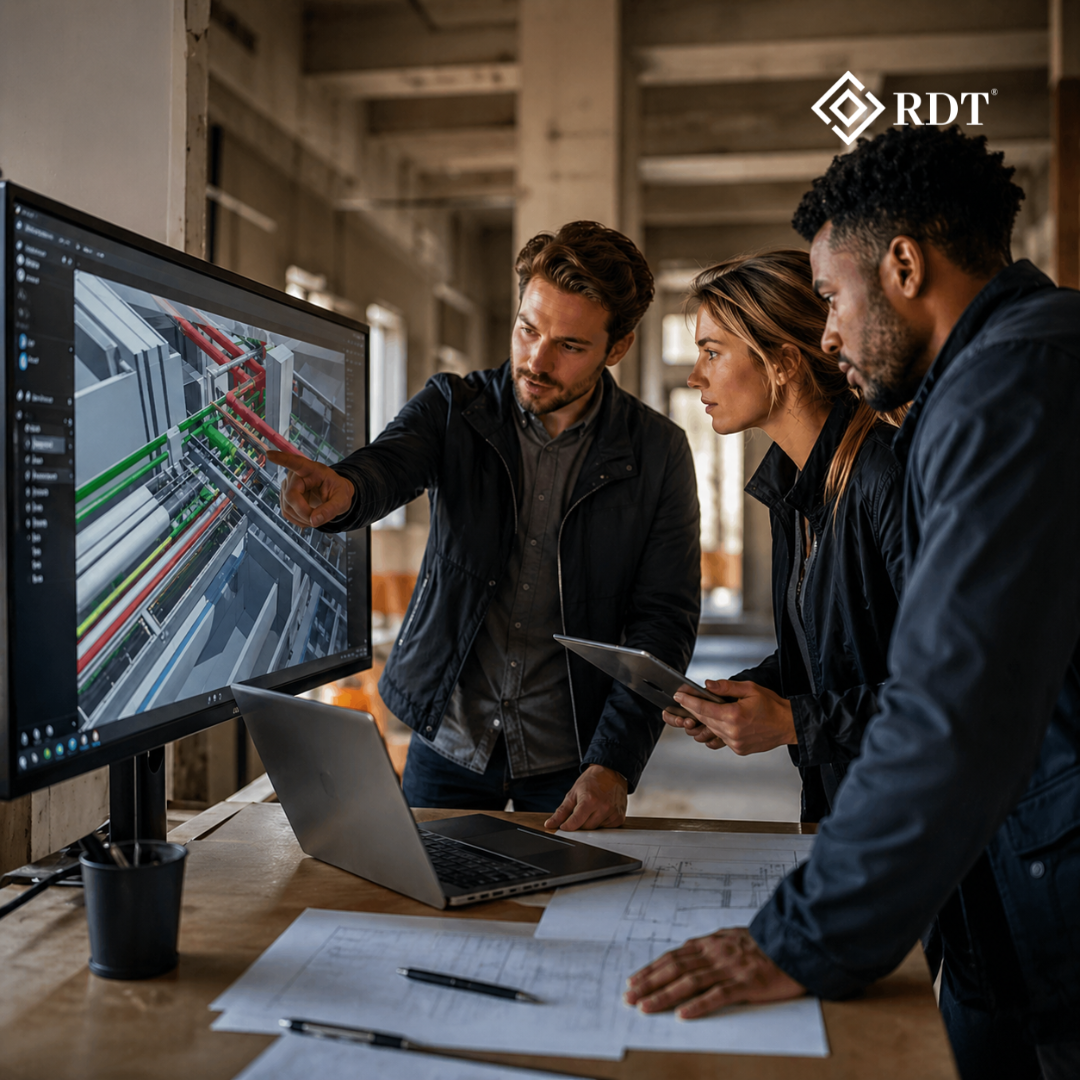
One of the most powerful features of structural BIM is clash detection. By integrating structural models with architectural and MEP models, BIM tools can automatically identify conflicts between different systems.
These clashes are categorized and prioritized, enabling teams to address critical issues first. Instead of reacting to problems on site, project teams can proactively resolve them during the design phase.
This shift from reactive to proactive problem solving is where the real savings happen. It reduces rework, minimizes delays, and ensures smoother project execution.
Accurate Quantity Takeoffs and Cost Control
Cost estimation is another area where traditional methods fall short. Manual quantity takeoffs are time consuming and prone to errors. Even small inaccuracies can lead to significant cost variations.
Structural BIM provides precise quantity data directly from the model. Every element is accounted for, and any changes to the design are automatically reflected in the quantities.
This level of accuracy enables better budgeting, improved procurement planning, and tighter cost control. It also gives stakeholders greater confidence in financial projections.
Better Collaboration Across Teams
Construction projects involve multiple stakeholders, each with their own responsibilities and priorities. Without effective collaboration, even the best designs can fail during execution.
Structural BIM acts as a common platform where all teams can collaborate in real time. Engineers, architects, and contractors can review models, share feedback, and make informed decisions together.
This transparency reduces misunderstandings and ensures that everyone is aligned with the project goals. It also fosters accountability, as every change is documented and traceable.
Improved Structural Accuracy and Safety
Structural integrity is non negotiable in any construction project. Errors in structural design can have serious consequences, both financially and in terms of safety.
Structural BIM allows engineers to analyze and validate designs with greater precision. Load calculations, reinforcement details, and connection designs can all be tested within the model.
This leads to more accurate and reliable structures, reducing the risk of failures and ensuring compliance with industry standards.
Faster Project Delivery Without Compromising Quality
Time is money in construction. Delays not only increase costs but also impact client satisfaction and reputation.
By streamlining workflows and reducing rework, structural BIM helps accelerate project timelines. Teams can complete design and coordination tasks more efficiently, allowing construction to start on a solid foundation.
Faster delivery does not mean cutting corners. On the contrary, it means eliminating inefficiencies and focusing on what truly matters.
The Competitive Advantage of Early Adoption
Companies that embrace structural BIM early gain a significant edge over their competitors. They can deliver projects faster, with higher quality and lower costs.
Clients are increasingly demanding BIM based workflows, recognizing the value they bring. Firms that fail to adapt risk losing opportunities to more technologically advanced competitors.
Structural BIM is no longer a luxury. It is becoming the standard for modern construction projects.
Real World Impact of Structural BIM Services
Across the industry, projects that have implemented structural BIM have reported substantial improvements in efficiency and cost savings.
Reduced rework by identifying clashes before construction
Improved accuracy in material estimation
Enhanced coordination between disciplines
Better project planning and execution
These benefits translate directly into financial gains, making structural BIM a smart investment rather than an added expense.
Common Misconceptions About Structural BIM
Despite its advantages, some misconceptions still hold companies back from adopting structural BIM.
One common belief is that BIM is only useful for large projects. In reality, even small and medium sized projects can benefit from improved coordination and accuracy.
Another misconception is that BIM is too complex or expensive to implement. While there is an initial investment, the long term savings far outweigh the costs.
Finally, some believe that BIM replaces human expertise. In truth, it enhances it by providing better tools and insights for decision making.
How to Get Started with Structural BIM Services
Transitioning to structural BIM requires a strategic approach. It is not just about adopting new software but also about changing workflows and mindsets.
Start by identifying areas where coordination issues are most common. Implement BIM in those areas to see immediate benefits. Invest in training and ensure that your team understands how to use BIM effectively.
Partnering with an experienced BIM service provider can also make the transition smoother. They can provide the expertise and support needed to integrate BIM into your projects successfully.
The Future of Structural BIM in Construction
As technology continues to evolve, the role of structural BIM will only grow. Integration with advanced tools such as automation, artificial intelligence, and digital twins will further enhance its capabilities.
Future projects will rely even more on data driven decision making, making BIM an essential component of construction workflows.
Companies that embrace this shift will be better positioned to handle complex projects and deliver superior results.
Conclusion
Structural BIM is transforming the way construction projects are planned and executed. By addressing issues before construction begins, it helps save time, reduce costs, and improve overall project quality.
The shift from traditional methods to BIM based workflows is not just a trend. It is a fundamental change in how the industry operates. Those who understand and adopt structural BIM will be able to deliver projects more efficiently and profitably.
Stop letting coordination errors and hidden design issues drain your project budget before construction even begins. Partner with RDT Technology and leverage high precision Structural BIM Services that eliminate clashes, improve accuracy, and keep your projects on track from day one.