
The Truth About Poor Construction Documentation is not something most teams want to confront, yet it quietly sits at the core of cost overruns, delays, and strained project relationships. Many construction projects begin with strong intent, experienced teams, and solid budgets, but still fall apart due to one overlooked factor: documentation. It is not just paperwork. It is the foundation that connects design intent, engineering accuracy, and on site execution. When documentation is weak, unclear, or inconsistent, the entire project starts operating on assumptions instead of facts. That is where millions are lost.
Construction documentation is supposed to create clarity. It should guide contractors, align stakeholders, and ensure that every bolt, beam, and system is placed exactly as intended. But in reality, poor documentation often does the opposite. It creates confusion, triggers rework, and forces teams into reactive mode. The cost of this chaos is rarely visible at first, but it compounds rapidly as the project progresses.
The Hidden Cost Nobody Tracks
Most project budgets account for materials, labor, and timelines. What they often fail to account for is the cost of miscommunication. Poor documentation leads to incorrect installations, clashes between systems, and delays that ripple across the entire schedule.
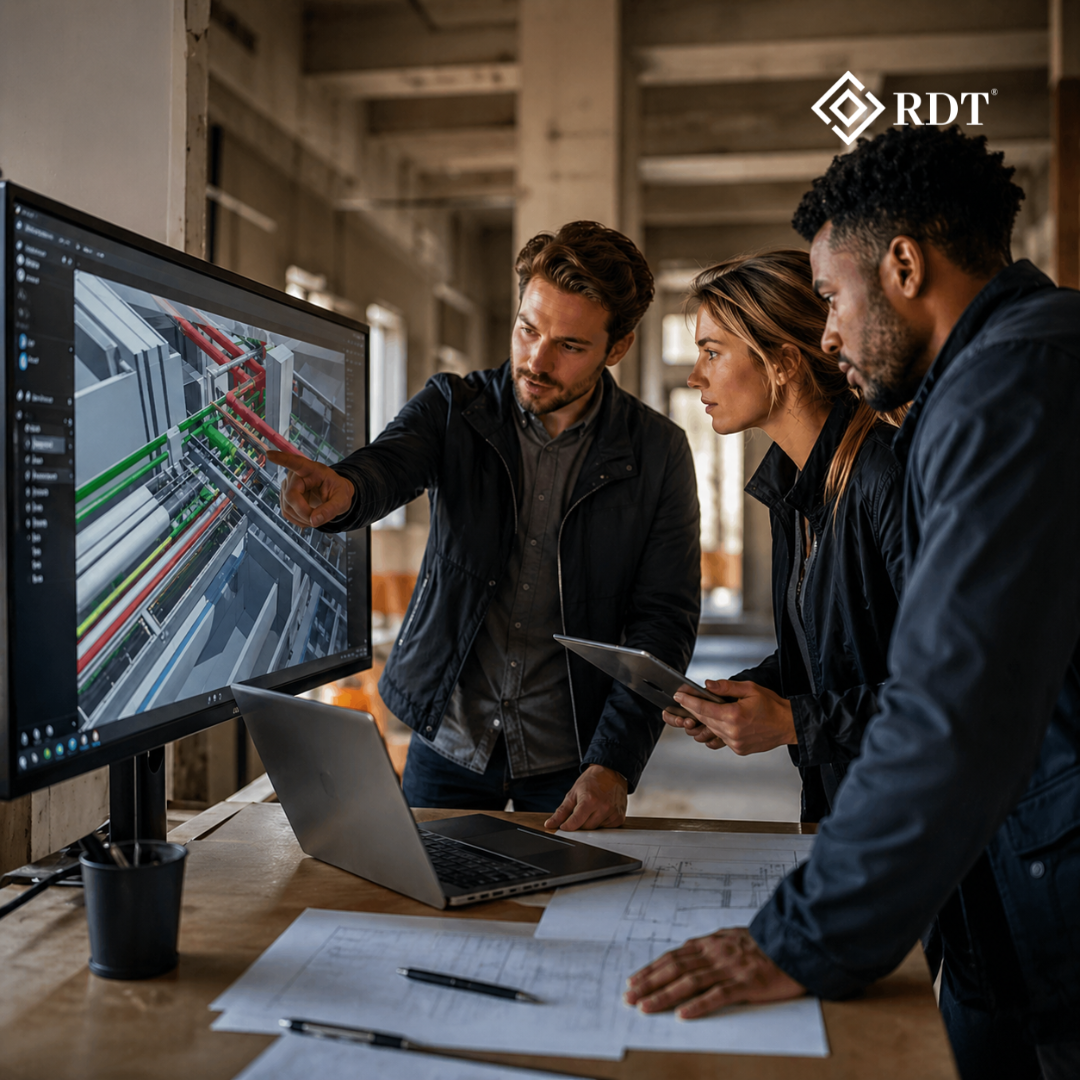
Imagine a scenario where a mechanical system clashes with a structural beam because the drawings were not coordinated properly. The issue might seem small on paper, but on site, it means halting work, redesigning the system, and re installing components. Each step burns time and money. Now multiply that across dozens or even hundreds of such issues. This is how projects quietly bleed millions.
These costs are rarely labeled as documentation failures. They appear as delays, change orders, or site inefficiencies. But at the root, the problem is often the same unclear or incomplete documentation.
When Drawings Become Liabilities
Drawings are meant to be the most reliable source of truth on a project. However, when they are outdated, inconsistent, or lacking detail, they become liabilities instead of assets.
Contractors rely heavily on drawings to execute their work. If the drawings are ambiguous, different teams interpret them differently. This leads to mismatched installations, coordination issues, and ultimately rework. Even worse, teams start losing confidence in the documentation, which creates a dangerous environment where decisions are made based on guesswork.
The moment teams stop trusting drawings, the project loses its control system. At that point, even small changes can create major disruptions.
The Domino Effect of Poor Coordination
Construction projects involve multiple disciplines working together architecture, structure, mechanical, electrical, and plumbing. Each discipline produces its own set of drawings and models. Without proper coordination, these elements collide both digitally and physically.
Poor documentation often reflects poor coordination. When models are not aligned and clashes are not resolved early, problems shift to the construction phase. Fixing issues on site is always more expensive than resolving them in the design stage.
Coordination is not just about detecting clashes. It is about ensuring that every system fits seamlessly within the project. This requires accurate, detailed, and well managed documentation. Without it, coordination efforts fall apart, and the project pays the price.
Delays That Could Have Been Avoided
Time is one of the most critical factors in construction. Delays do not just affect schedules. They impact budgets, contracts, and client relationships. Poor documentation is one of the leading causes of avoidable delays.
When information is missing or unclear, teams spend valuable time seeking clarifications. Requests for information increase, decision making slows down, and work on site gets interrupted. These delays might seem minor individually, but together they can push project timelines far beyond initial estimates.
Clear and complete documentation eliminates this uncertainty. It enables teams to move forward with confidence and maintain project momentum.
Rework The Silent Profit Killer
Rework is one of the biggest contributors to project losses, and poor documentation is a major driver behind it. When instructions are unclear or incorrect, work gets done the wrong way. Fixing it requires additional labor, materials, and time.
Rework does not just affect costs. It impacts team morale and productivity. Workers become frustrated, supervisors lose time managing corrections, and overall efficiency drops. This creates a cycle where mistakes lead to more mistakes.
The only way to break this cycle is to ensure that documentation is accurate, detailed, and aligned with project requirements from the start.
The Role of BIM in Fixing the Problem
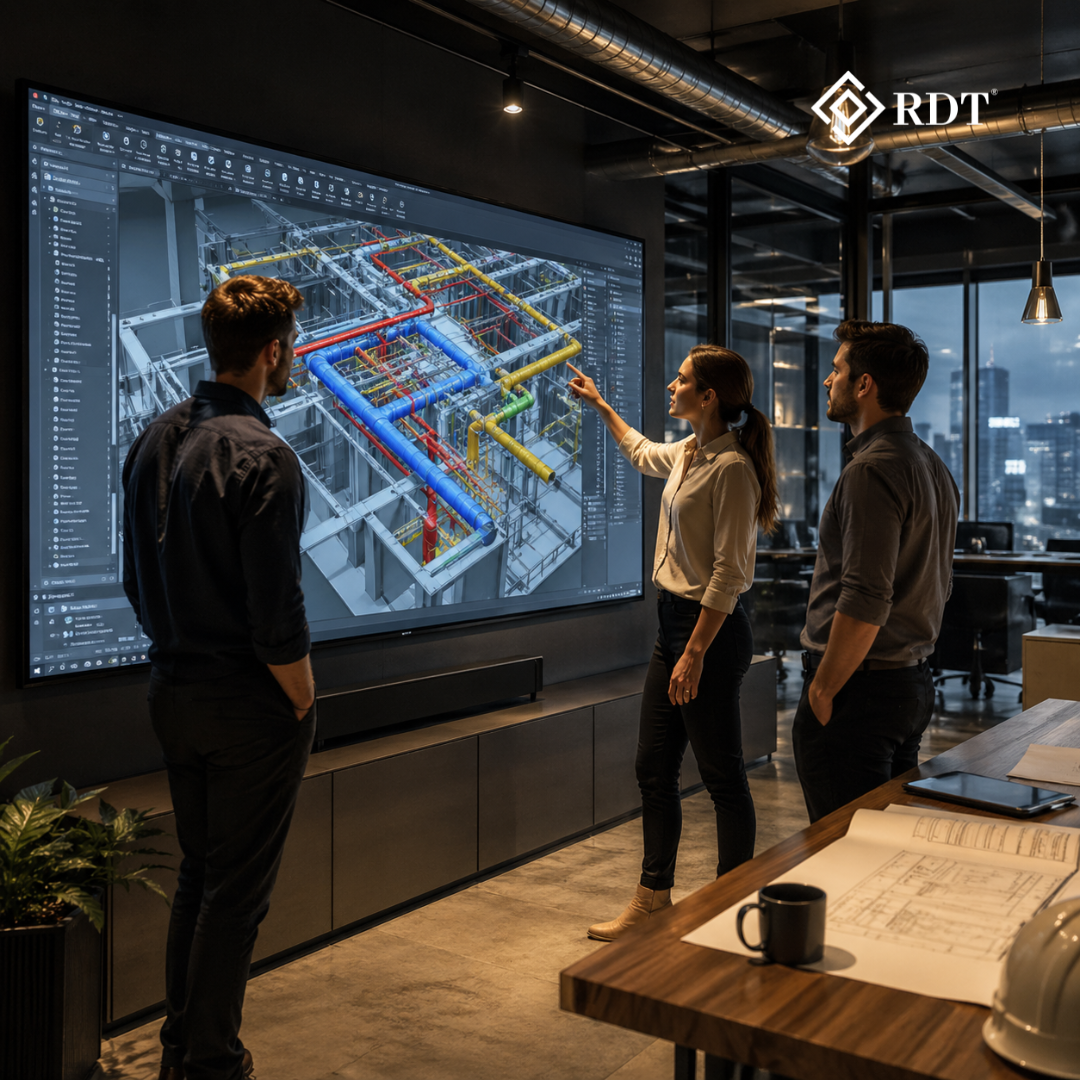
Modern construction has access to powerful tools that can eliminate many documentation issues. Building Information Modeling has transformed how projects are planned and executed. It allows teams to create detailed digital representations of buildings, identify clashes early, and generate accurate documentation.
However, simply using BIM is not enough. The quality of output depends on how well the models are developed and managed. Poorly executed BIM can lead to the same problems as poor documentation. The key is to treat BIM as a disciplined process rather than just a tool.
When done right, BIM enhances documentation by providing clarity, consistency, and coordination. It bridges the gap between design and construction, ensuring that everyone works from the same accurate information.
Why Teams Still Get It Wrong
Despite the availability of advanced tools, many projects still suffer from poor documentation. The reasons are often rooted in process and mindset rather than technology.
Some teams treat documentation as a secondary task rather than a critical component of project success. Others rush through it to meet deadlines, compromising quality in the process. In many cases, there is a lack of standardized workflows, which leads to inconsistencies across different teams and disciplines.
Another common issue is the absence of dedicated resources for documentation. When engineers and designers are overloaded with multiple responsibilities, documentation quality suffers. This creates gaps that eventually surface during construction.
The Shift From Cost to Investment
One of the biggest mindset shifts needed in the industry is viewing documentation as an investment rather than a cost. High quality documentation requires time, expertise, and resources. But the return on this investment is significant.
Accurate documentation reduces rework, improves coordination, and keeps projects on schedule. It enhances communication between teams and minimizes risks. In the long run, it saves far more money than it costs.
Projects that prioritize documentation from the beginning are better equipped to handle challenges and deliver successful outcomes.
Building a Documentation First Culture
To avoid the costly consequences of poor documentation, organizations need to build a culture that values clarity and precision. This starts with leadership recognizing the importance of documentation and allocating the necessary resources.
Standardized processes should be established to ensure consistency across projects. Teams should be trained to follow best practices and use tools effectively. Regular reviews and quality checks should be implemented to maintain high standards.
Collaboration is also key. Documentation should not be created in isolation. It should involve input from all relevant disciplines to ensure accuracy and completeness.
The Competitive Advantage of Getting It Right
In a highly competitive industry, the ability to deliver projects efficiently and reliably is a major advantage. Companies that excel in documentation stand out because they consistently avoid the pitfalls that derail others.
They complete projects faster, maintain better relationships with clients, and achieve higher profitability. Their reputation grows, leading to more opportunities and long term success.
Good documentation is not just about avoiding problems. It is about creating a smoother, more predictable project environment where teams can perform at their best.
Final Thoughts
The brutal truth is that poor construction documentation is one of the most expensive mistakes a project can make. It does not announce itself loudly, but its impact is felt in every delay, every rework, and every budget overrun.
Fixing this issue requires a shift in mindset, stronger processes, and the right support systems. It requires treating documentation as a core part of the project rather than an afterthought.
When documentation is done right, it becomes a powerful tool that drives efficiency, accuracy, and success. It transforms projects from chaotic and reactive to controlled and predictable.
If your projects are facing delays, rework, or coordination issues, the problem might not be your team, it might be your documentation.
RDT Technology helps you eliminate these risks with precise BIM modeling, coordinated documentation, and fast execution support.
Partner with RDT Technology to bring clarity, speed, and control back to your construction projects.