Construction projects are complex, fast moving, and highly sensitive to cost fluctuations. Even the most carefully planned developments can quickly spiral out of control when budgets are not tracked in real time. Many project owners and contractors face the same frustrating reality: unexpected cost overruns, delayed timelines, and constant financial uncertainty.
If you have ever wondered where your budget is leaking, the answer often lies in outdated planning methods. Traditional cost estimation relies heavily on static data and manual processes that fail to adapt as the project evolves. This is where 5D cost estimation and planning steps in as a game changer.
5D is not just an upgrade. It is a complete shift in how construction professionals visualize, track, and control project finances from start to finish.
Understanding 5D Cost Estimation and Planning
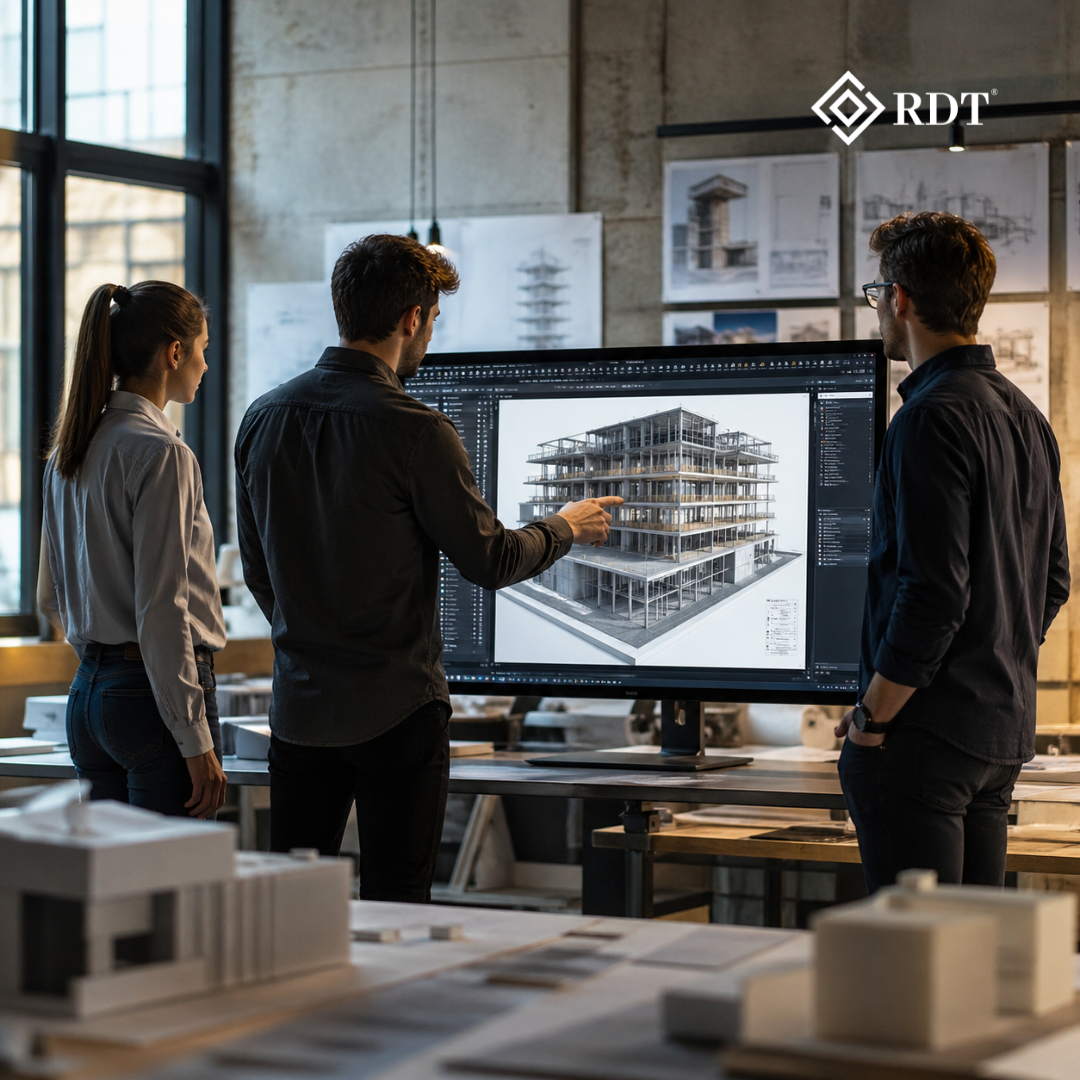
To understand the true value of 5D, it is important to first break down what it represents. In construction, dimensions go beyond physical measurements. While 3D focuses on geometry and design, and 4D integrates time or scheduling, 5D adds the most critical component cost.
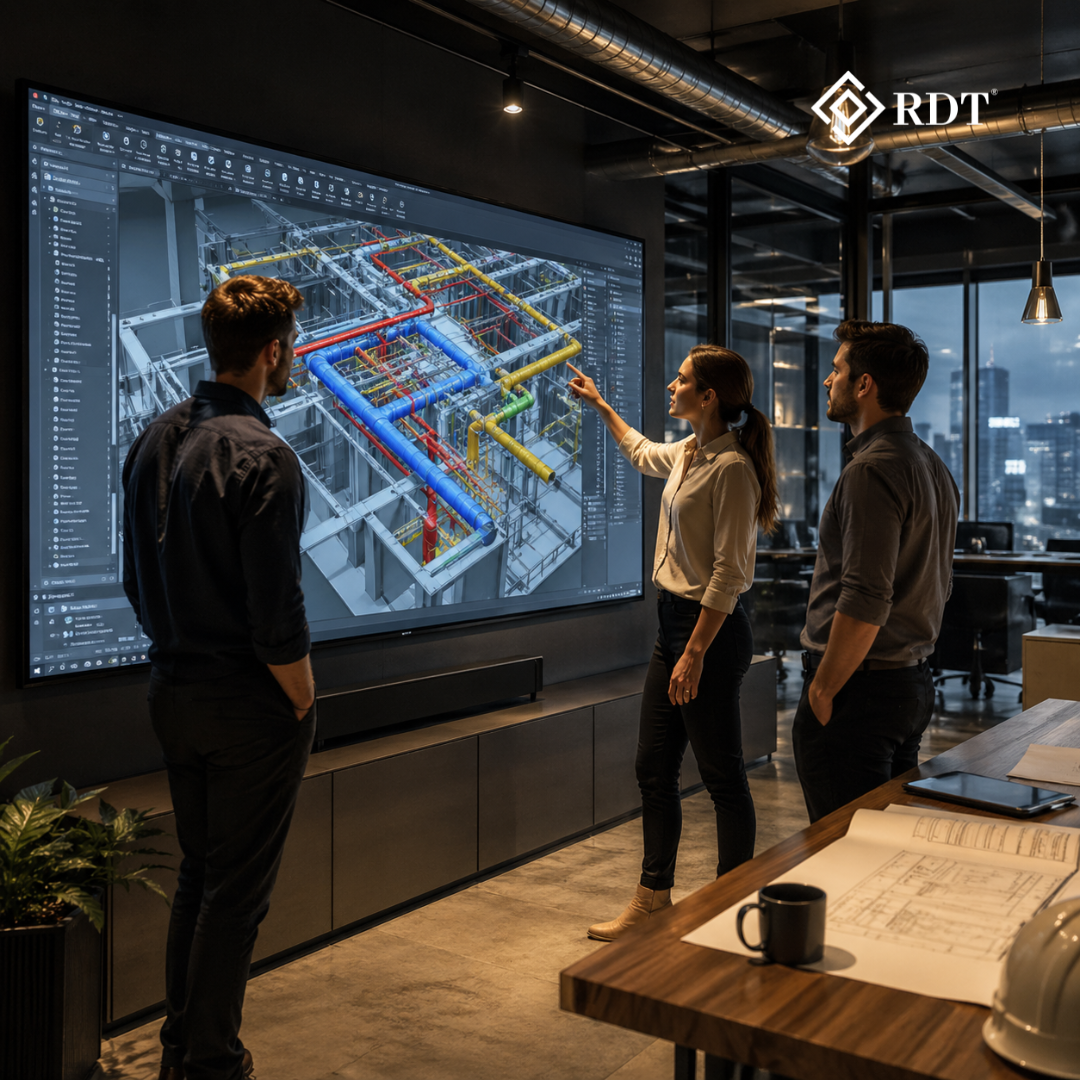
5D cost estimation connects your project model directly with financial data. Every element in the model carries cost information, allowing teams to instantly see how design changes impact the overall budget. This creates a dynamic system where cost planning evolves alongside the project rather than lagging behind it.
Instead of waiting for revised spreadsheets or manual calculations, stakeholders can make informed decisions instantly.
Why Traditional Cost Planning Fails
Most construction projects still rely on fragmented workflows. Estimators, designers, and project managers often work in silos using separate tools. This disconnect leads to several major problems.
First, there is a lack of real time visibility. Once a cost estimate is created, it often becomes outdated as soon as design changes occur. Teams continue working based on inaccurate data, which leads to costly surprises later.
Second, manual processes increase the risk of errors. Even a small miscalculation or missed update can lead to significant financial discrepancies.
Third, there is limited ability to forecast. Traditional methods struggle to simulate different scenarios, making it difficult to plan for uncertainties or optimize budgets.
These challenges are exactly why so many projects end up exceeding their initial budgets.
How 5D Eliminates Cost Leakages
5D cost estimation transforms the way financial data is managed by integrating it directly with the project model. This integration provides a level of transparency and control that traditional methods simply cannot match.
Every design element is linked to its cost, which means any modification automatically updates the budget. If a material is changed or a component is added, the financial impact is visible immediately.
This real time feedback allows teams to identify potential cost overruns before they become serious issues. Instead of reacting to problems, you can prevent them.
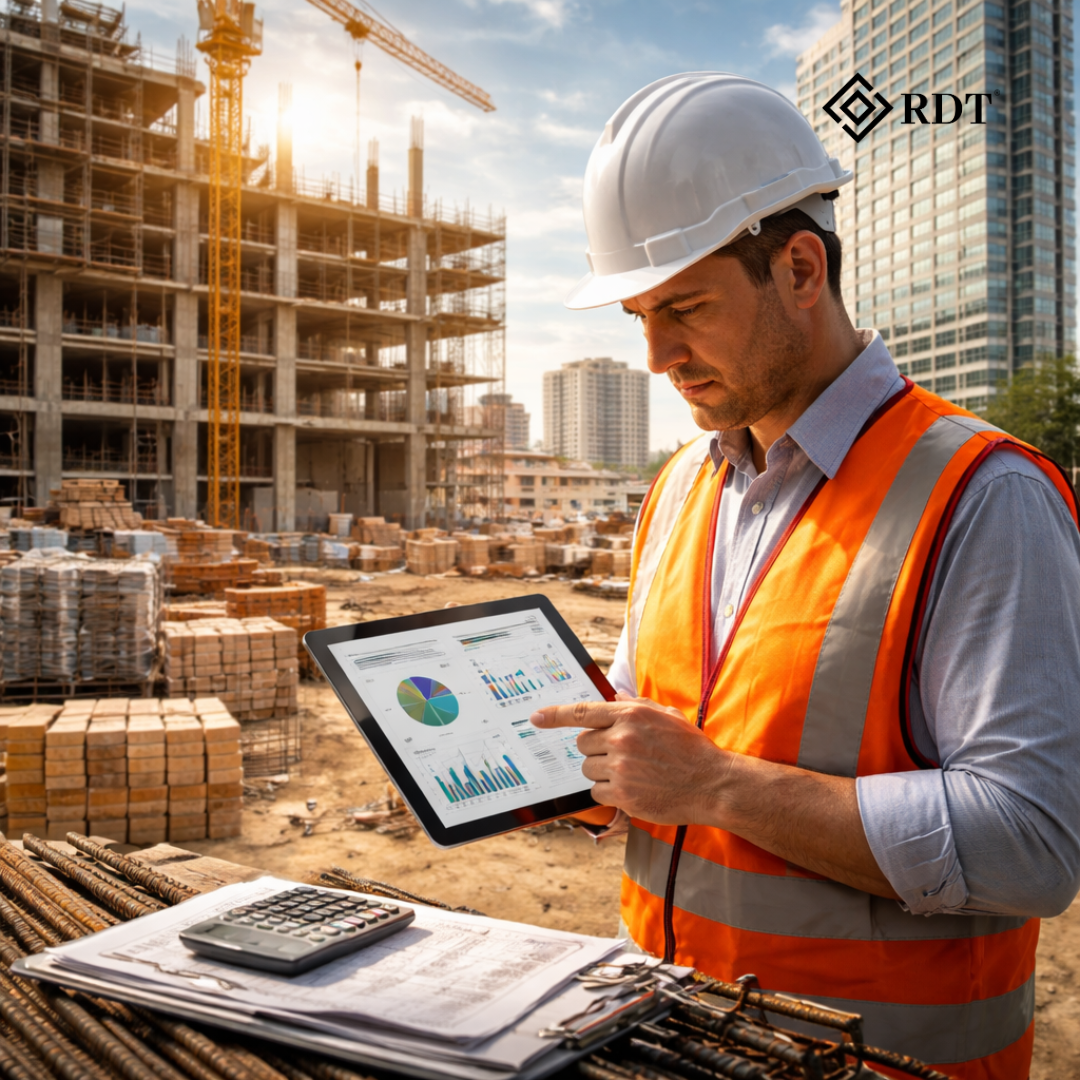
Another key advantage is quantity takeoff automation. Since quantities are derived directly from the model, there is no need for manual measurements. This reduces errors and saves a significant amount of time.
Real Time Decision Making That Protects Your Budget
One of the biggest strengths of 5D is its ability to support smarter decision making. When cost data is integrated with design and scheduling, teams gain a comprehensive view of the project.
For example, if a design change increases costs, stakeholders can instantly explore alternatives. They can compare materials, adjust specifications, or optimize layouts to stay within budget.
This level of flexibility is crucial in today’s competitive construction environment. Projects are no longer static. They evolve constantly, and your cost planning needs to evolve with them.
With 5D, you are no longer making decisions based on outdated information. You are working with live data that reflects the current state of the project.
Improved Collaboration Across Teams
Cost control is not the responsibility of a single department. It requires collaboration between designers, engineers, contractors, and clients.
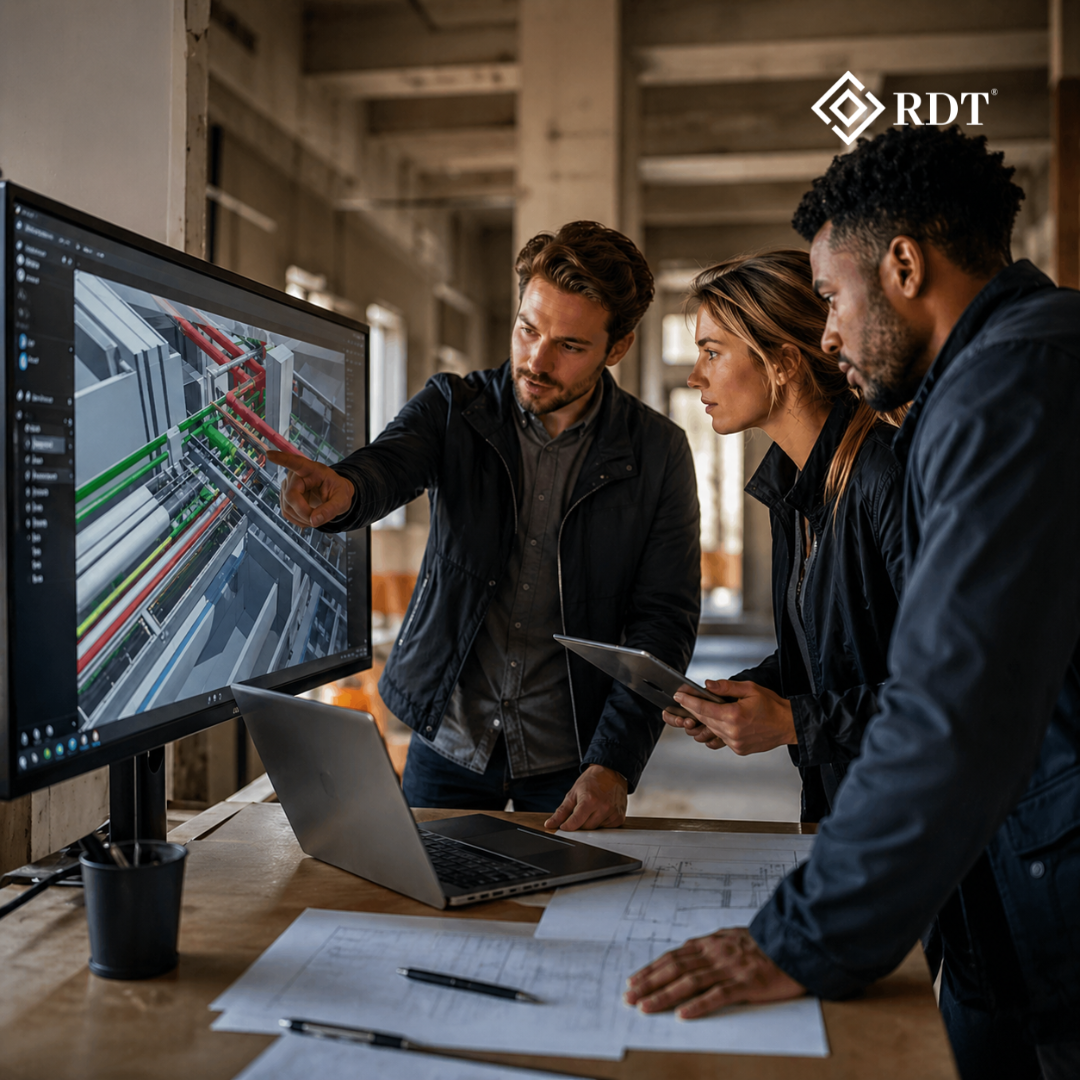
5D creates a unified platform where everyone works with the same data. This eliminates confusion and ensures that all stakeholders are aligned.
When changes occur, they are visible to everyone in real time. This transparency reduces conflicts and improves communication.
For instance, if a design team proposes a change, the cost implications are immediately clear to the project manager and client. This allows for faster approvals and more efficient workflows.
Collaboration becomes proactive rather than reactive.
Accurate Forecasting and Risk Management
Uncertainty is a constant challenge in construction. Market fluctuations, material price changes, and unforeseen site conditions can all impact costs.
5D helps mitigate these risks by enabling accurate forecasting. Since cost data is integrated with the project model, teams can simulate different scenarios and evaluate their financial impact.
This allows you to prepare for potential challenges and develop strategies to minimize their effect.
For example, you can analyze how changes in material prices will affect your budget or explore alternative construction methods to reduce costs.
By identifying risks early, you can take corrective action before they escalate.
Maximizing Value Without Compromising Quality
Cost control is not just about reducing expenses. It is about maximizing value.
5D enables value engineering by providing detailed insights into how each component contributes to the overall cost. This allows teams to identify areas where savings can be achieved without compromising quality.
Instead of making arbitrary cuts, decisions are based on data. You can evaluate the cost benefit of different options and choose the most efficient solution.
This ensures that your project delivers maximum value while staying within budget.
Faster Project Delivery with Better Cost Control
Time and cost are closely linked in construction. Delays often lead to increased expenses, which can quickly erode your budget.
By integrating scheduling with cost data, 5D helps optimize project timelines. Teams can identify potential bottlenecks and adjust plans to maintain efficiency.
This proactive approach reduces delays and ensures that resources are used effectively.
When projects are completed on time, cost savings follow naturally.
Competitive Advantage in a Challenging Market
The construction industry is becoming increasingly competitive. Clients expect greater transparency, faster delivery, and better cost control.
Adopting 5D cost estimation gives you a significant advantage. It demonstrates your ability to manage projects efficiently and deliver results with precision.
Clients are more likely to trust firms that provide clear and accurate cost insights. This not only helps win new projects but also builds long term relationships.
In a market where margins are tight, having control over costs can make all the difference.
The Future of Cost Planning
As technology continues to evolve, the adoption of advanced tools like 5D will become the standard rather than the exception.
Projects are becoming more complex, and traditional methods are no longer sufficient. The need for real time data, integrated workflows, and accurate forecasting is greater than ever.
5D cost estimation is not just a trend. It is the future of construction planning.
Companies that embrace this approach will be better equipped to handle challenges, optimize resources, and deliver successful projects.
Final Thoughts
If your project is bleeding money, the problem is not just rising costs. It is the lack of visibility and control.
5D cost estimation and planning provide the tools needed to take control of your budget. By integrating cost data with design and scheduling, it creates a dynamic system that adapts to changes in real time.
This leads to better decision making, improved collaboration, and more accurate forecasting.
The result is a project that stays on track, on time, and within budget.
Call To Action
If you are ready to eliminate cost overruns and take full control of your construction projects, it is time to upgrade your approach. Partner with RDT Technology to leverage advanced 5D cost estimation and planning solutions that deliver accuracy, efficiency, and real financial control. Let RDT Technology become your trusted backend team and help you maximize every construction dollar with confidence.