Construction documentation remains one of the most important phases in the architecture, engineering, and construction industry. It is the stage where design ideas are transformed into precise drawings, specifications, schedules, and technical instructions that guide the entire building process. Every structural element, wall placement, mechanical layout, and electrical system must be clearly documented so that contractors and project stakeholders understand exactly how the building should be constructed. Accurate documentation ensures that design intent is properly communicated and executed during construction.
In recent years the AEC industry has undergone a major shift in how documentation is created, managed, and delivered. Advancements in digital technologies, collaborative platforms, and intelligent modeling tools have significantly improved the reliability and clarity of construction documents. These developments have given rise to several Modern Construction Documentation Trends in 2026 that are transforming traditional workflows. Firms are increasingly adopting smarter processes that enhance coordination, reduce design conflicts, and allow projects to move from concept to construction with greater efficiency.
Today the focus of construction documentation extends beyond simply producing drawings. The modern workflow emphasizes precision, transparency, real time collaboration, and seamless integration with digital project management systems. These evolving practices are helping architects, engineers, and contractors work more effectively while improving overall project outcomes. As the industry continues to advance, a number of key trends are shaping how construction documentation is developed and delivered in 2026.
Greater Adoption of BIM Based Documentation
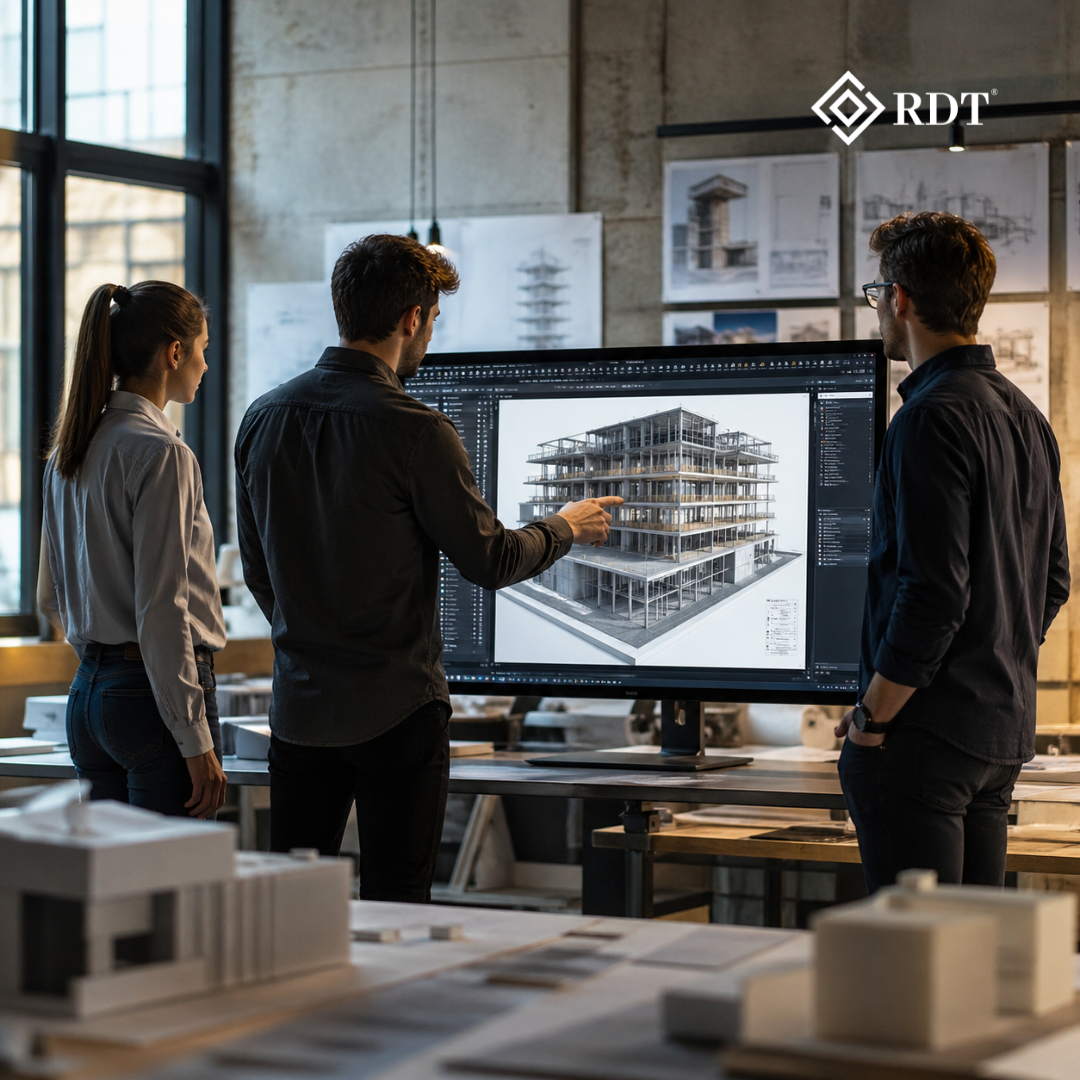
Building Information Modeling has become the backbone of modern construction documentation. Instead of relying on separate two dimensional drawings created in isolation, project teams now develop intelligent three dimensional models that contain both geometric information and detailed project data.
In 2026 BIM based documentation allows architects, engineers, and consultants to generate coordinated drawings directly from the central model. Floor plans, sections, elevations, and schedules remain consistent because they are connected to the same digital source. When a change is made in the model the documentation updates automatically, which reduces the risk of inconsistencies.
BIM also improves clarity during construction. Contractors can visualize building components more accurately because the model provides a comprehensive view of structural systems, mechanical layouts, and spatial relationships. This approach leads to fewer misunderstandings and fewer construction errors on site.
Improved Coordination Across Disciplines
One of the biggest challenges in construction documentation has always been coordination between multiple disciplines. Architectural drawings, structural plans, and building services layouts must align perfectly for construction to proceed smoothly. When coordination fails costly rework and delays can occur.
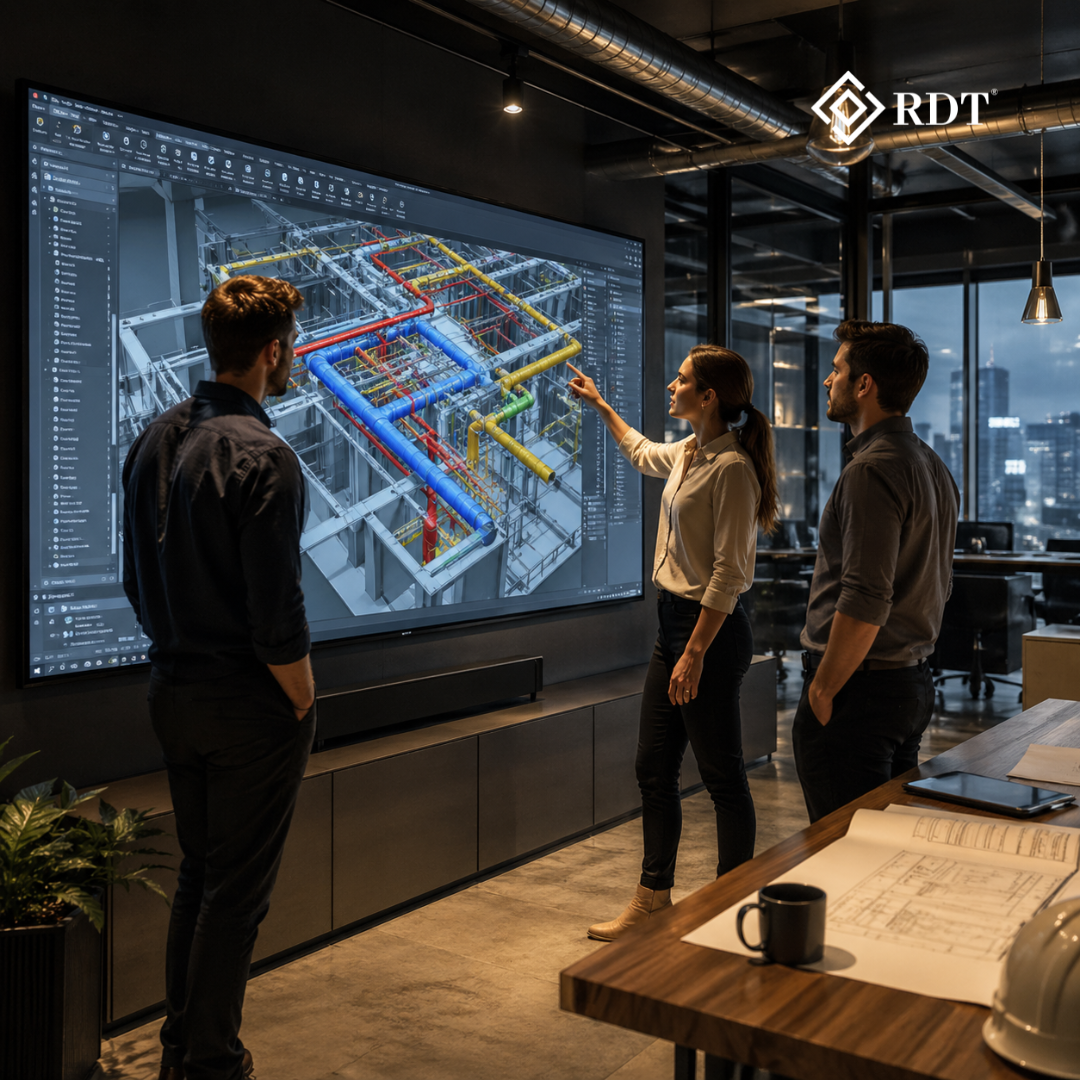
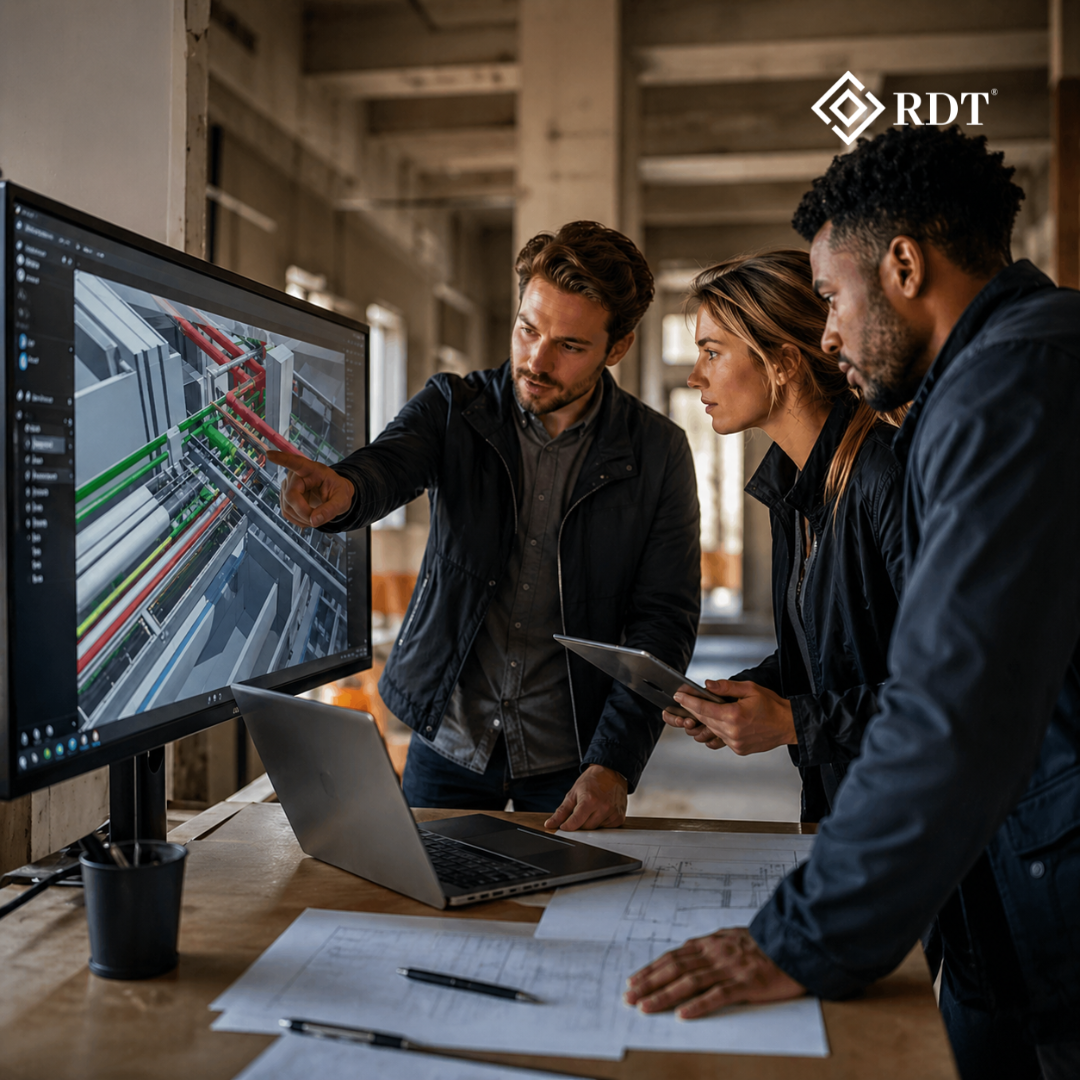
Modern documentation workflows emphasize integrated coordination. BIM platforms allow teams to combine models from different disciplines into a shared environment where conflicts can be detected early in the design phase. Structural beams interfering with mechanical ducts or plumbing lines crossing electrical systems can be identified and resolved before construction begins.
This collaborative process ensures that construction documents represent a coordinated design solution. Contractors receive clearer information which improves installation accuracy and reduces on site adjustments.
Cloud Based Collaboration Platforms
The growth of cloud technology has dramatically changed how construction documentation is shared and managed. In earlier workflows project files were stored locally and distributed through email or file transfers. This often resulted in outdated drawings circulating among team members.
In 2026 many firms rely on cloud based collaboration platforms where all documentation is stored in a centralized environment. Architects, engineers, consultants, and contractors can access the latest drawings from anywhere. Updates are visible instantly which keeps everyone working with the most current information.
Cloud platforms also support version control. Every revision is tracked so project teams can easily review changes and maintain a clear documentation history. This level of transparency improves communication and reduces confusion throughout the project lifecycle.
Automation in Documentation Production
Automation is becoming an important part of construction documentation. Modern design software allows repetitive documentation tasks to be automated which improves efficiency and reduces human error.
Schedules for doors, windows, equipment, and materials can be generated automatically from the building model. Dimensions and annotations can be standardized through predefined templates. Sheet layouts and title blocks can be managed through automated systems that maintain consistent formatting across the entire drawing set.
These tools allow architects and engineers to focus more on design quality and coordination rather than spending excessive time on manual drafting tasks. As a result documentation can be produced faster while maintaining a higher level of accuracy.
Data Driven Documentation
Another emerging trend in 2026 is the integration of data driven workflows within construction documentation. Modern BIM models are not limited to geometric information. They also contain valuable project data related to materials, performance specifications, quantities, and maintenance requirements.
This data can be extracted directly from the model to create detailed schedules and reports. Contractors can use this information for procurement planning and quantity verification. Facility managers can later use the same data for building operations and maintenance.
By embedding data into the documentation process project teams ensure that the information produced during design remains useful throughout the entire building lifecycle.
Enhanced Visualization for Clear Communication
Construction documentation is becoming more visually informative than ever before. While traditional two dimensional drawings remain essential many projects now include advanced visualization tools to support understanding.
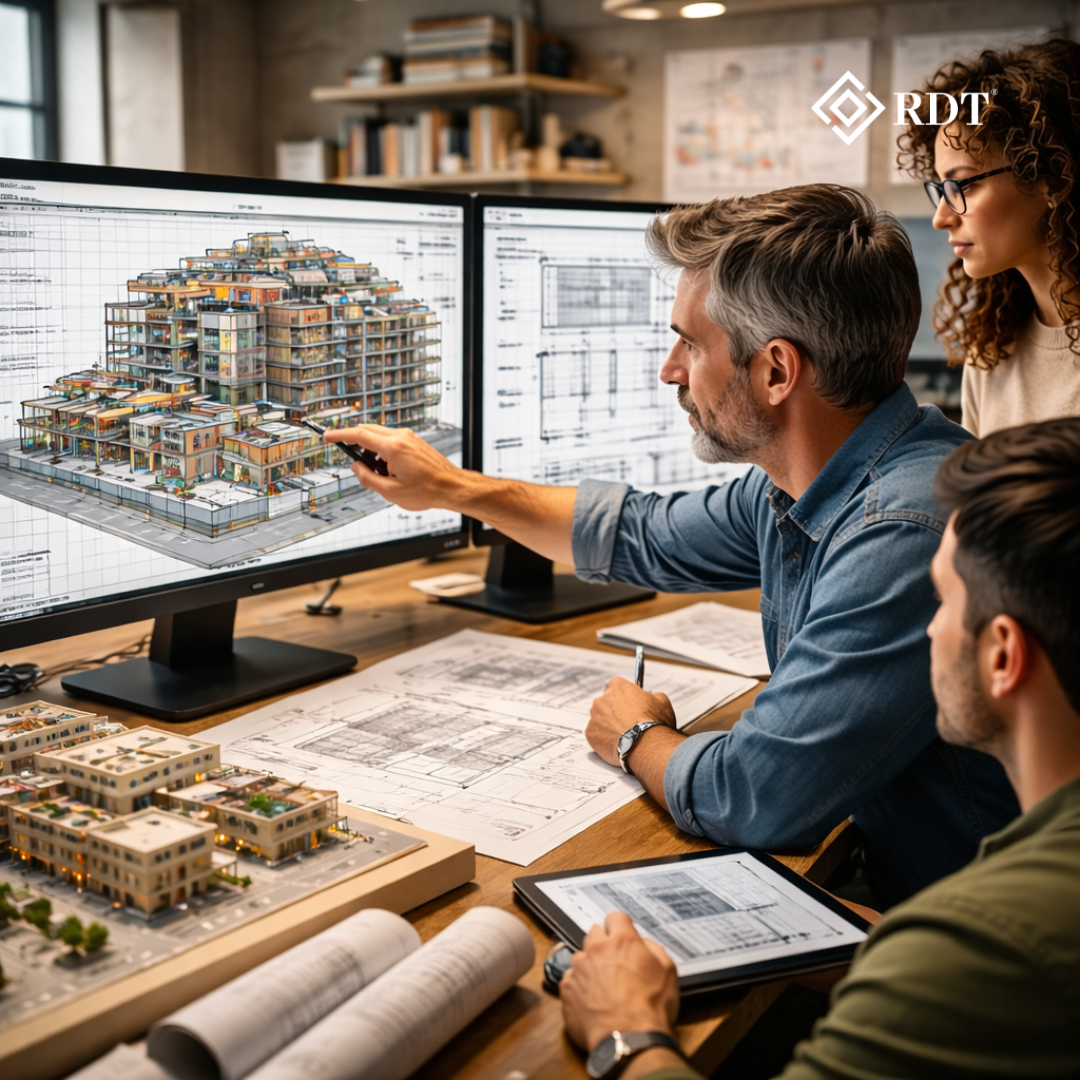
Three dimensional views, realistic renderings, and detailed axonometric diagrams help communicate design intent more clearly. Contractors can examine complex assemblies and understand how components should be installed.
Visualization also supports client communication. Owners and stakeholders can review documentation in a more intuitive format which allows them to make informed decisions before construction begins. This level of clarity reduces the likelihood of late design changes and improves overall project coordination.
Integration with Construction Management Systems
Modern construction documentation does not exist in isolation. In 2026 documentation is often connected to digital construction management systems that track project schedules, costs, and field activities.
When documentation is linked to these systems contractors can easily reference drawings while managing tasks and workflows. Site teams can access updated plans through mobile devices and tablets which reduces the need for printed drawings on site.
Integration with project management platforms also improves accountability. Field reports, requests for information, and change orders can be linked directly to the relevant drawings. This creates a more organized and transparent project environment.
Quality Control and Standardization
As construction projects grow more complex the need for consistent documentation standards has become increasingly important. Many organizations now implement structured documentation guidelines that ensure drawings follow clear formatting and content requirements.
Standardized templates, annotation systems, and layer structures help maintain uniformity across the entire project. This makes documentation easier to read and interpret for contractors and consultants.
Quality control processes are also becoming more rigorous. Documentation is often reviewed through digital checklists and coordinated model inspections before being issued for construction. These practices help identify potential errors early and ensure that final documentation meets professional standards.
Digital Delivery of Construction Documents
The way construction documents are delivered has also evolved significantly. Instead of relying solely on printed drawing sets many projects now use digital documentation packages.
Contractors receive structured digital files that include drawings, specifications, models, and data schedules. These files can be viewed through specialized software that allows users to navigate drawings efficiently and examine building components in detail.
Digital delivery improves accessibility and ensures that project teams always have access to the latest information. It also supports environmentally responsible practices by reducing the need for large quantities of printed documents.
Focus on Lifecycle Information
A growing trend in construction documentation is the inclusion of lifecycle information. Owners are increasingly interested in documentation that supports long term building management rather than just construction.
BIM based documentation can include maintenance data, equipment specifications, and operational guidelines. This information is valuable for facility managers who must maintain and operate the building after completion.
By considering lifecycle requirements during the documentation phase project teams can deliver more valuable information that extends beyond the construction stage.
The Future of Construction Documentation
Looking ahead the role of construction documentation will continue to evolve as digital technologies become more advanced. Artificial intelligence assisted design tools, improved data integration, and enhanced visualization platforms will further transform how documentation is created and managed.
Despite these technological advancements the fundamental goal of construction documentation remains the same. It must communicate design intent clearly and provide reliable guidance for building construction. The trends emerging in 2026 demonstrate that the industry is moving toward more intelligent, coordinated, and data rich documentation processes.
These improvements are helping architects, engineers, and contractors collaborate more effectively while delivering projects with greater accuracy and efficiency. As digital workflows continue to mature construction documentation will play an even greater role in ensuring successful project delivery.
Conclusion
Modern construction documentation in 2026 reflects a major shift toward digital collaboration, intelligent modeling, and data driven processes. BIM based workflows, cloud platforms, automated documentation tools, and integrated project management systems are reshaping how project information is produced and shared.
These advancements are improving coordination among project teams and helping reduce costly errors during construction. Clearer communication, better visualization, and stronger quality control practices ensure that construction documents remain reliable guides for building projects of all sizes.
As the AEC industry continues to embrace digital innovation, construction documentation will become even more efficient and informative. Firms that adopt these modern practices will be better positioned to deliver high quality projects with greater confidence.
If you are looking to improve the accuracy and coordination of your construction documentation through advanced BIM workflows and digital collaboration, the team at RDT Technology can help. Our experts deliver precise BIM modeling and construction documentation services that support efficient project execution. Connect with RDT Technology today to explore how our solutions can enhance your next project.