
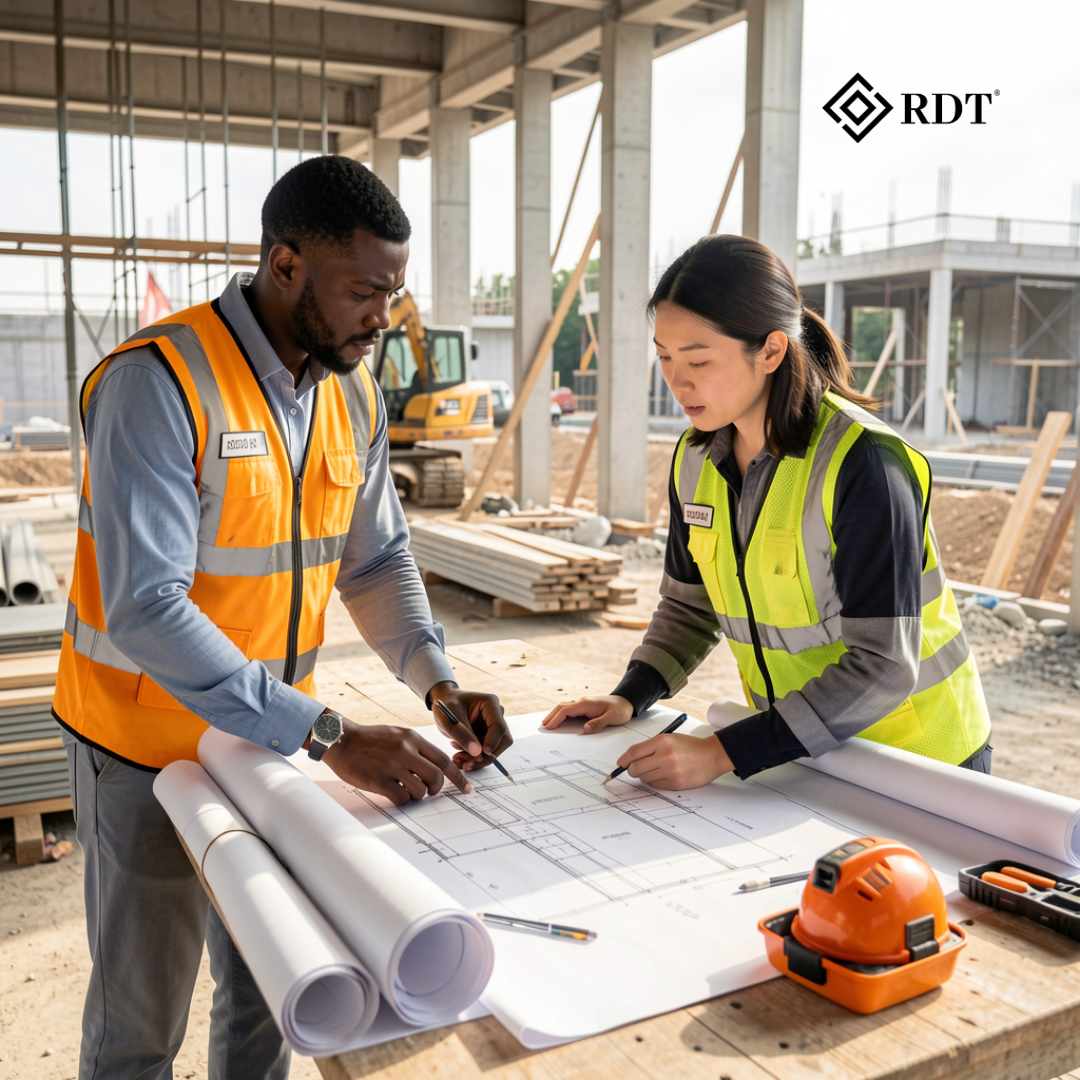
The construction industry operates within a highly regulated environment where safety standards, building codes, environmental guidelines, and contractual obligations must all be followed carefully. Every building project involves numerous stakeholders including architects, engineers, contractors, developers, government authorities, and inspectors. With so many participants involved in the project lifecycle, maintaining accurate records becomes a critical requirement.
Construction documentation plays a fundamental role in ensuring that projects comply with legal and regulatory requirements. These documents provide a clear record of design decisions, construction processes, material specifications, safety measures, and contractual agreements. Without proper documentation, projects can face delays, legal disputes, financial penalties, and even shutdown orders.
In modern construction, documentation is more than just paperwork. It acts as a structured communication system that connects all project participants and ensures transparency throughout the entire building process. From planning and approvals to construction and project completion, documentation helps teams maintain compliance and deliver successful outcomes.
Understanding Construction Documentation
Construction documentation refers to the collection of drawings, specifications, contracts, permits, reports, schedules, and records that guide the execution of a building project. These documents define how a project should be designed, constructed, and maintained.
Architectural drawings describe the layout and structure of a building, while engineering documents outline structural, mechanical, electrical, and plumbing systems. Specifications provide detailed information about materials, workmanship standards, and installation procedures. Contracts establish legal agreements between project stakeholders, and permits confirm that the project meets local regulatory requirements.
During construction, additional documentation is generated in the form of site reports, inspection records, change orders, safety logs, and quality control reports. Each document contributes to a comprehensive record that demonstrates how the project is progressing and whether it meets the required standards.
When organized effectively, construction documentation becomes a reliable source of information for project teams, regulatory authorities, and clients.
The Role of Documentation in Regulatory Compliance
Regulatory compliance is one of the most important responsibilities in construction. Governments and local authorities establish building codes and regulations to ensure public safety, environmental protection, and structural integrity. Construction documentation provides the evidence needed to prove that these regulations are being followed.
For example, building permits require detailed architectural and engineering drawings before construction can begin. These documents allow authorities to review the project and verify that it complies with zoning laws, safety standards, and environmental regulations.
Inspection reports generated during construction also serve as compliance records. Inspectors review structural components, fire safety systems, electrical installations, and other critical elements to ensure that the work meets approved standards.
If any issue arises during the construction process, documentation provides a reference point to determine whether the project has adhered to regulatory requirements. Without accurate records, it becomes extremely difficult to demonstrate compliance or resolve disputes.
Supporting Building Code Requirements
Building codes are designed to ensure that structures are safe, durable, and suitable for their intended use. These codes cover various aspects of construction including structural strength, fire safety, electrical systems, accessibility, and energy efficiency.
Construction documentation helps project teams align their work with these requirements. Detailed drawings and specifications communicate the exact design standards that contractors must follow. When workers have access to accurate documentation, they can perform their tasks with confidence and precision.
If changes are required during the project, updated documentation ensures that the revised design continues to meet building code requirements. This continuous documentation process prevents errors that could otherwise lead to compliance violations.
Authorities often request documentation during inspections or final approvals. Providing well organized records allows project teams to demonstrate that every aspect of the construction process has been completed according to approved standards.
Reducing Legal Risks and Disputes
Construction projects involve significant financial investments and complex contractual relationships. Disagreements can arise regarding design interpretations, material choices, project timelines, or quality expectations. In such situations, construction documentation becomes a valuable legal reference.
Contracts, change orders, meeting minutes, and progress reports create a detailed record of project decisions and agreements. These documents help clarify responsibilities and ensure that all parties understand their obligations.
If a dispute occurs, documented evidence can help resolve the issue quickly. Courts, arbitrators, and legal advisors often rely on construction documentation to determine whether contractual obligations were fulfilled.
Without proper documentation, project stakeholders may struggle to prove their claims or defend themselves against allegations. Maintaining comprehensive records significantly reduces the risk of legal conflicts and financial losses.
Improving Project Transparency and Accountability
Transparency is a key factor in successful construction management. When all project participants have access to accurate and up to date information, collaboration becomes more efficient and misunderstandings are minimized.
Construction documentation provides a structured system for sharing information among architects, engineers, contractors, and clients. Drawings and specifications ensure that everyone understands the project requirements, while progress reports keep stakeholders informed about construction activities.
Accountability also improves when documentation is properly maintained. Each decision, modification, and approval is recorded, creating a clear timeline of project events. This level of transparency helps teams identify issues early and take corrective actions before they escalate into major problems.
Clients and investors also benefit from transparent documentation because it allows them to monitor project progress and confirm that regulatory requirements are being met.
Enhancing Quality Control
Quality control is another critical aspect of construction projects. Buildings must meet strict performance standards to ensure safety and long term durability. Construction documentation helps maintain consistent quality throughout the project lifecycle.
Specifications describe the exact materials and construction methods that should be used. Contractors rely on these documents to ensure that installations meet the required standards. Inspection reports verify that each stage of construction has been completed correctly before the project moves forward.
If quality issues arise, documentation allows teams to trace the problem back to its source. This process makes it easier to identify whether the issue resulted from design errors, material defects, or construction mistakes.
By maintaining detailed records, project managers can implement corrective actions and prevent similar problems in future projects.
Supporting Environmental and Safety Compliance
Modern construction projects must also comply with environmental and workplace safety regulations. Governments enforce strict rules to protect natural resources and ensure the safety of construction workers.
Construction documentation plays a vital role in meeting these requirements. Environmental reports, waste management plans, and sustainability assessments demonstrate that the project is minimizing its impact on the environment.
Safety documentation such as hazard assessments, training records, and incident reports helps ensure that workers follow proper safety procedures on site. Regular safety inspections and reports confirm that equipment and working conditions meet regulatory standards.
In the event of an accident or environmental concern, documented records provide valuable information for investigations and corrective measures.
Digital Transformation in Construction Documentation
The construction industry is increasingly adopting digital tools to manage documentation more efficiently. Traditional paper based records are being replaced by digital platforms that allow teams to store, access, and share documents in real time.
Cloud based documentation systems enable project stakeholders to collaborate more effectively regardless of their location. Architects can update drawings instantly, contractors can review specifications on site, and project managers can monitor progress through digital reports.
Digital documentation also improves accuracy and organization. Automated version control ensures that teams always work with the most recent documents, reducing the risk of outdated information.
As technology continues to evolve, digital documentation will play an even greater role in supporting regulatory compliance and project efficiency.
The Long Term Value of Construction Documentation
The importance of construction documentation does not end when the building is completed. These records remain valuable throughout the entire life cycle of the structure.
Building owners rely on documentation for maintenance, renovations, and facility management. Detailed drawings and system specifications help maintenance teams understand how building systems were installed and how they should be serviced.
In the future, if the building undergoes expansion or modification, existing documentation provides a reliable foundation for new design work. This long term value makes construction documentation an essential investment for any development project.
Conclusion
Construction documentation is one of the most important elements of regulatory compliance in modern construction. It provides the structure, clarity, and accountability required to manage complex projects while meeting strict legal and safety standards.
From securing building permits and meeting code requirements to supporting quality control and resolving disputes, documentation plays a critical role at every stage of the construction process. Accurate records help project teams maintain transparency, reduce risks, and ensure that buildings are constructed safely and responsibly.
As the construction industry continues to evolve with digital technologies and stricter regulations, the importance of organized and reliable documentation will only continue to grow. Companies that prioritize strong documentation practices are better equipped to deliver successful projects while maintaining full regulatory compliance.
Managing construction documentation efficiently is essential for maintaining compliance, improving project transparency, and ensuring successful project delivery. At RDT Technology, we specialize in providing advanced construction documentation solutions that help architects, engineers, and contractors maintain accuracy and regulatory compliance throughout every stage of a project. Partner with RDT Technology to streamline your construction documentation processes and ensure your projects meet the highest industry standards with confidence.