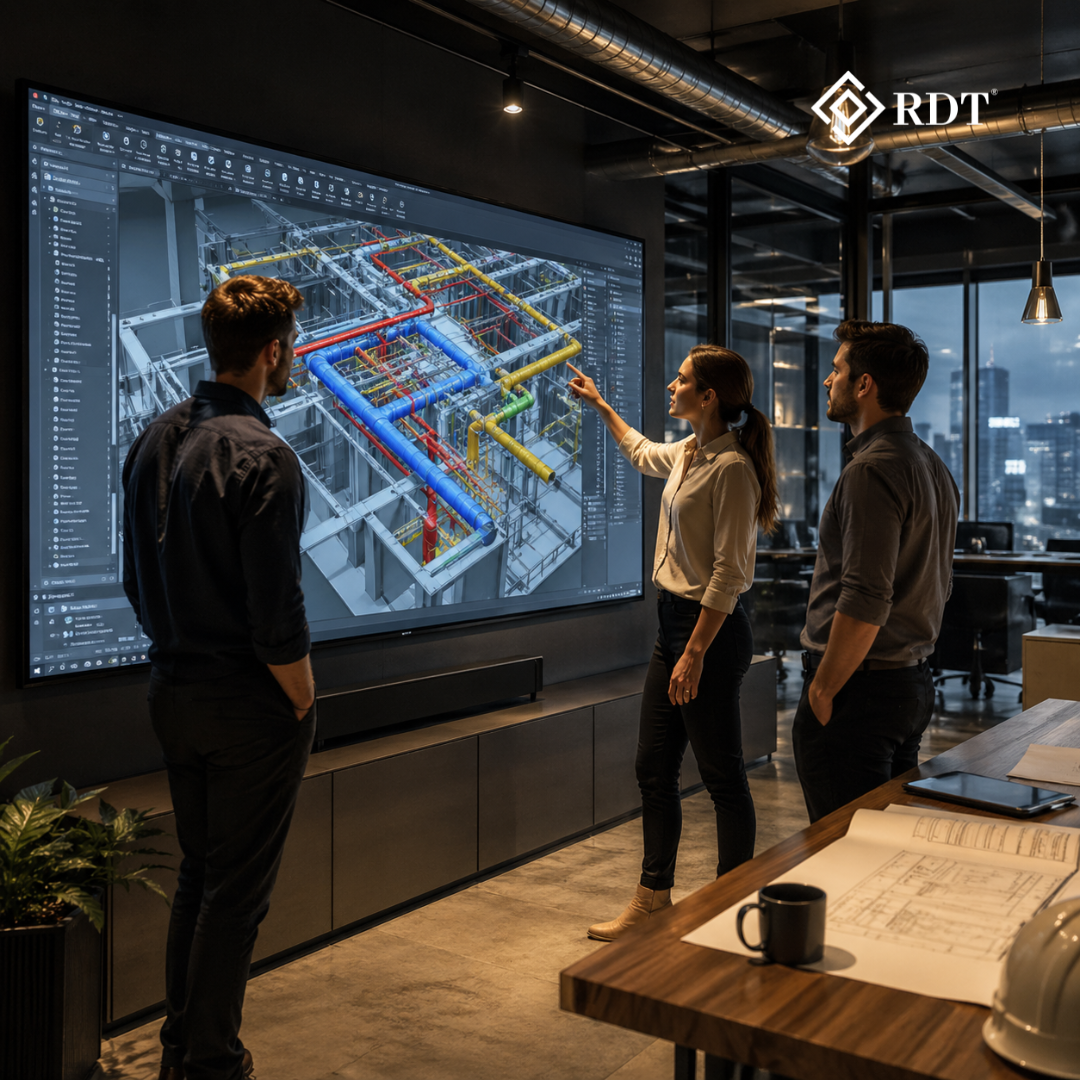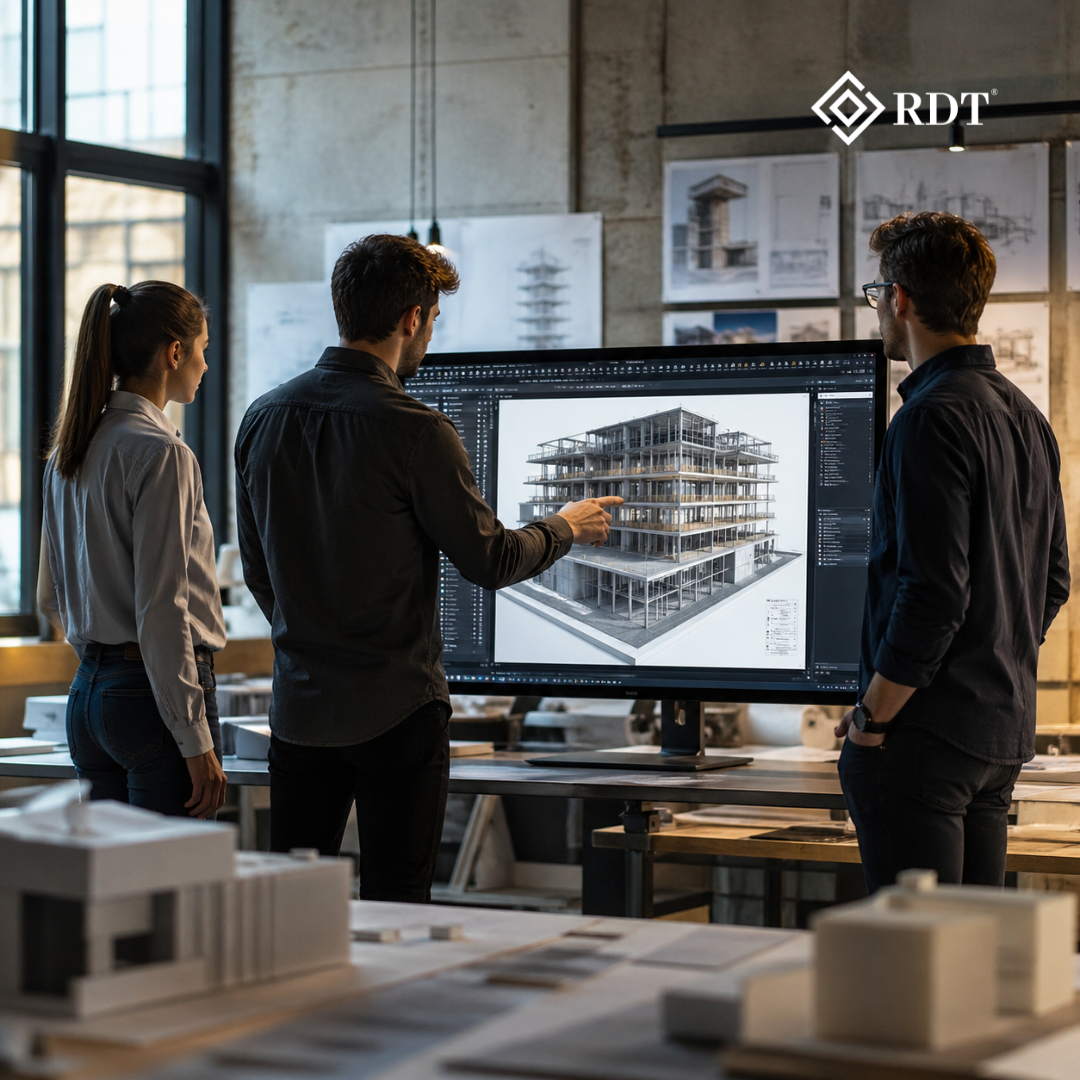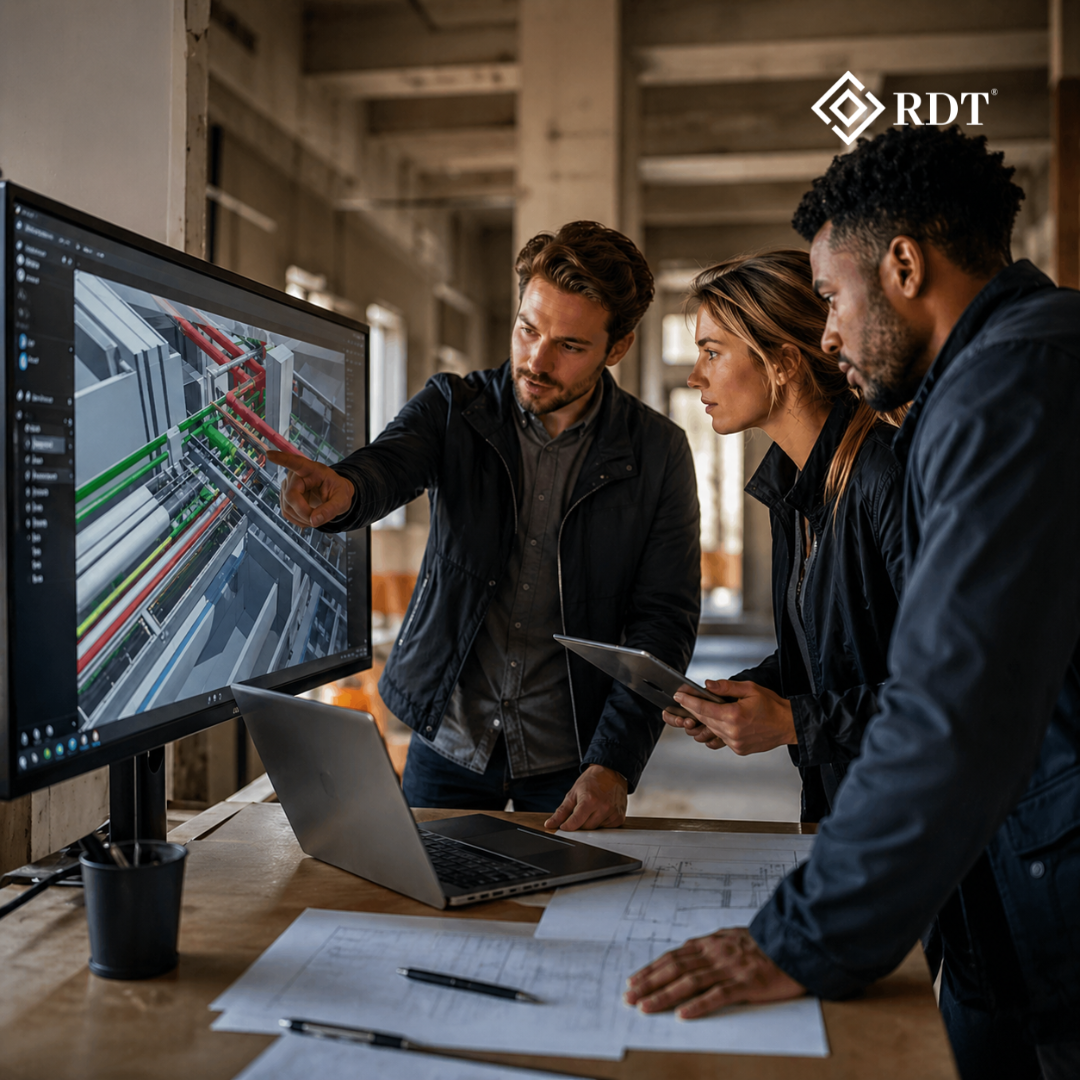
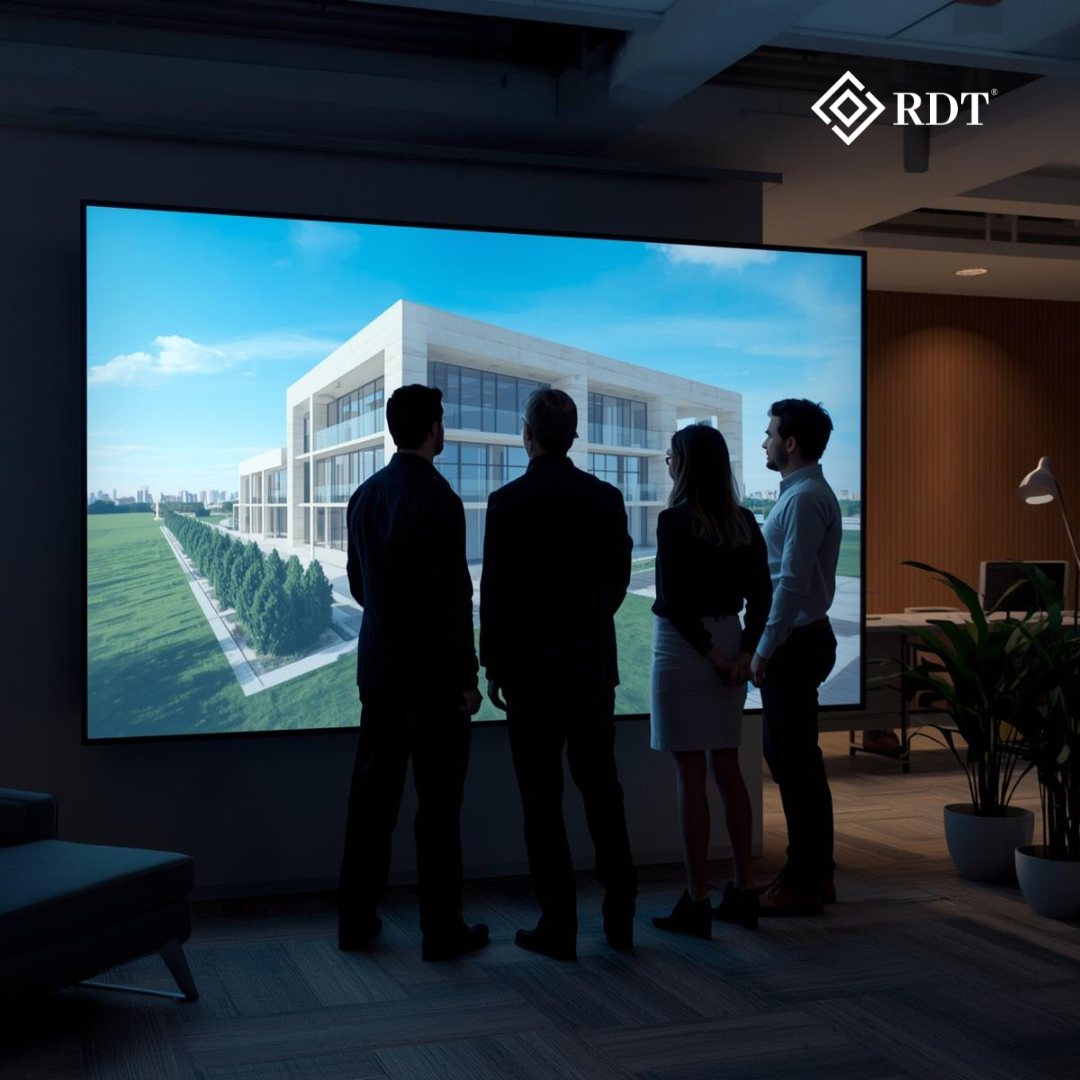
The Architecture Engineering and Construction industry is entering a new era defined by clarity, speed, and immersive communication. As projects become more ambitious and stakeholders more demanding, visualization has evolved from a presentation tool into a strategic asset. In 2026, visualization is no longer limited to producing attractive renderings. It plays a central role in design validation, stakeholder engagement, construction planning, and facility management.
Clients want to see exactly how a building will function before construction begins. Contractors need precise visual data to coordinate complex systems. Developers expect marketing assets that accurately reflect the final outcome. In this environment, advanced visualization techniques are reshaping how projects are conceived, developed, and delivered.
Below are the top AEC visualization trends for 2026 that are transforming architecture, engineering, and construction.
1. Real Time Rendering for Faster Decision Making
Real time rendering has become a cornerstone of modern architectural visualization. Unlike traditional rendering methods that require long processing times, real time visualization allows designers to modify materials, lighting, and geometry instantly while viewing changes on screen.
This capability accelerates the design review process. Architects can experiment with finishes and facade treatments during meetings with clients. Engineers can evaluate spatial relationships and system placements without waiting for updated images. Decisions that once required days can now be made within minutes.
Real time rendering also improves collaboration across disciplines. When all stakeholders can interact with a live model, discussions become more productive. Instead of interpreting static drawings, teams experience the project dynamically. This reduces misunderstandings and shortens approval cycles.
In 2026, real time visualization is not simply about aesthetics. It supports performance driven design by enabling teams to analyze lighting conditions, spatial flow, and material impact more effectively.
2. Immersive Virtual Walkthroughs Without Headsets
Immersive visualization is evolving beyond specialized hardware. While virtual reality headsets gained attention in previous years, many firms are now focusing on immersive walkthroughs that work directly on large screens, tablets, and web browsers.
These walkthroughs allow clients to navigate through spaces as if they were physically present. Interiors can be explored from multiple angles. Exterior environments can be viewed at different times of day. Circulation paths and user experiences can be tested in realistic scenarios.
This approach makes immersive experiences more accessible. Stakeholders who may not be comfortable using headsets can still engage deeply with the design. Developers can share secure links with investors and remote teams, enabling broader participation.
Immersive walkthroughs also enhance marketing strategies. Real estate buyers can explore properties virtually before construction is completed. Commercial clients can understand how workspaces will function long before occupancy.
In 2026, immersive visualization focuses on realism and accessibility rather than novelty.
3. Data Integrated Visualization
Visualization in the AEC industry is no longer limited to geometric representation. Models now integrate performance data, environmental analysis, and operational metrics directly into the visual environment.
Architects can overlay energy consumption data onto building facades. Engineers can visualize structural stress distribution within three dimensional models. Sustainability consultants can assess daylight penetration and ventilation patterns visually rather than relying solely on numerical reports.
This integration of data transforms visualization into a decision support tool. Instead of reviewing separate analysis documents, stakeholders can see performance outcomes directly within the project model. This improves transparency and encourages informed design adjustments.
Data integrated visualization also supports regulatory compliance. Environmental impact assessments and safety evaluations can be communicated more clearly through visual representation. Clients gain confidence when they see measurable performance indicators presented in an understandable format.
By combining aesthetics with analytics, visualization becomes a bridge between creative vision and technical precision.
4. High Fidelity Material Realism
Material realism has reached new levels of accuracy in 2026. Advanced rendering engines simulate light interaction with surfaces in highly detailed ways. Reflections, shadows, textures, and transparency are represented with impressive authenticity.
This level of realism is particularly important for client approvals. Finishes such as stone, glass, metal, and wood can be evaluated visually before procurement decisions are made. Interior designers can demonstrate how furniture fabrics respond to natural light. Exterior facades can be assessed under various weather conditions.
High fidelity visualization reduces uncertainty. Clients are less likely to request significant changes during construction because they have already seen a near accurate representation of the final outcome. Contractors also benefit from clearer material specifications.
As realism improves, visualization becomes a reliable communication tool rather than an artistic interpretation. It builds trust between designers and clients by aligning expectations with deliverables.
5. Cloud Based Collaboration and Remote Access
The global nature of construction projects requires seamless remote collaboration. Cloud based visualization platforms allow stakeholders from different locations to access and review models in real time.
Design updates can be shared instantly with consultants and contractors. Review sessions can take place across time zones without requiring physical presence. Comments and feedback can be integrated directly into the model environment.
This accessibility enhances productivity. Teams no longer depend on large file transfers or outdated attachments. Everyone works from the most recent version of the project.
Cloud based visualization also supports project transparency. Clients can log in to review progress, track design changes, and monitor milestones. This openness strengthens relationships and fosters accountability.
In 2026, cloud integration is not optional. It is a standard expectation in professional AEC workflows.
6. Construction Phase Visualization and 4D Simulation
Visualization trends are extending beyond design into active construction phases. 4D simulation links scheduling data with three dimensional models, allowing teams to visualize the sequence of construction activities over time.
This capability improves coordination between trades. Site managers can identify potential conflicts in work areas before crews mobilize. Equipment placement and access routes can be evaluated visually. Safety planning becomes more precise when risks are analyzed in simulated environments.
Construction phase visualization also supports communication with project owners. Instead of relying solely on progress reports, teams can present visual simulations that show how the building is advancing.
By bridging design and execution, visualization becomes a continuous asset throughout the project lifecycle.
7. Integration with Building Information Modeling
BIM remains central to visualization advancements. Rather than creating separate models for rendering, visualization workflows are increasingly integrated directly with BIM data.
This integration ensures consistency. Changes in the BIM model automatically reflect in visual outputs. Material specifications, dimensions, and system layouts remain aligned across disciplines.
For engineering teams, this alignment improves accuracy. For contractors, it reduces the risk of discrepancies between design intent and visual representation. For clients, it builds confidence that what they see is technically achievable.
BIM integrated visualization also supports facility management after construction. Owners can use visual models for maintenance planning, space management, and future renovations.
8. Interactive Presentation Environments
Presentation methods in the AEC industry are evolving rapidly. Static slide decks are being replaced by interactive environments where clients can explore multiple design options dynamically.
During meetings, designers can switch between alternative layouts instantly. Lighting conditions can be adjusted to demonstrate different scenarios. Furniture arrangements and landscape elements can be modified in real time.
This interactive approach fosters deeper engagement. Clients feel involved in the creative process rather than passive observers. Feedback becomes immediate and actionable.
Interactive presentations also enhance internal collaboration. Multidisciplinary teams can review complex spaces together and discuss improvements based on live visual feedback.
9. Photorealistic Marketing Content for Pre Sales Strategies
Developers increasingly rely on high quality visualization for marketing campaigns. Photorealistic imagery and cinematic animations help communicate the value of projects before construction is completed.
In residential developments, buyers can visualize amenities, community spaces, and interior layouts with remarkable clarity. In commercial projects, tenants can understand how office environments will support productivity and branding.
Marketing visualization must balance realism with emotional appeal. Scenes are crafted to reflect real world lighting, human interaction, and contextual surroundings. This authenticity strengthens buyer confidence.
In 2026, marketing visualization is tightly integrated with design data to ensure that promotional content accurately represents the final built form.
Conclusion
Visualization in the AEC industry has evolved into a strategic driver of efficiency, collaboration, and innovation. From real time rendering and immersive walkthroughs to data integrated models and construction phase simulations, these trends are reshaping how projects are delivered.
In 2026, visualization is not merely about producing attractive images. It supports informed decision making, reduces project risk, enhances stakeholder engagement, and strengthens communication across disciplines. As technology continues to advance, firms that embrace modern visualization strategies will be better positioned to meet client expectations and deliver complex projects successfully.
If your organization aims to leverage advanced visualization techniques to improve design clarity, project coordination, and market impact, partnering with experienced professionals is essential.
Elevate your architectural and construction visualization standards with RDT Technology and transform the way your projects are presented, coordinated, and delivered.