The Architecture Engineering and Construction industry in 2026 is defined by precision speed and collaboration. Projects are becoming more complex while client expectations continue to rise. Developers demand accurate visualization, contractors expect seamless coordination and owners require long term operational efficiency. In this environment digital tools are not optional. They are fundamental to success. Among the most important technologies shaping the industry today are Building Information Modeling and Computer Aided Design.
Rather than competing with each other BIM and CAD now work together to deliver smarter, faster and more reliable project outcomes. Understanding how both systems contribute to modern AEC workflows is essential for firms that want to stay competitive in 2026.
Understanding the Role of CAD in Modern Projects
Computer Aided Design has been a cornerstone of architectural and engineering drafting for decades. Software such as AutoCAD and MicroStation transformed the way professionals created drawings by replacing manual drafting with digital precision.
In 2026 CAD continues to play a critical role in producing detailed technical drawings, layouts and construction documentation. Many fabrication shops, infrastructure consultants and specialized engineering teams still rely heavily on CAD for precise 2D drafting and component detailing.
CAD excels in situations where clarity, speed and straightforward documentation are required. For small projects renovations or specific detailing tasks CAD remains highly efficient. It provides clean line drawings that contractors and fabricators can interpret quickly. Its simplicity is often its greatest strength.
The Evolution and Impact of BIM
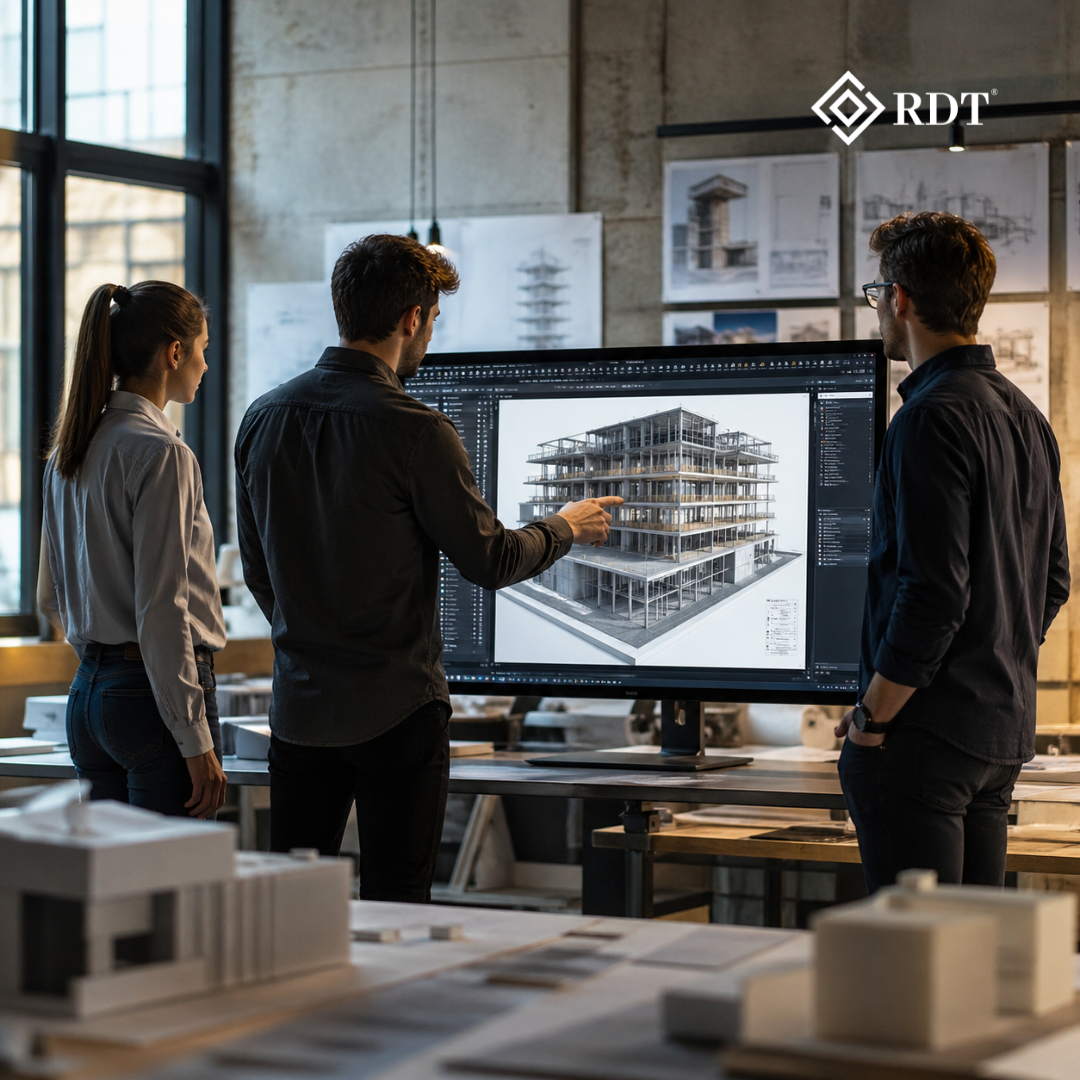
Building Information Modeling goes beyond drawing lines and shapes. It creates an intelligent data rich model that represents physical and functional characteristics of a building. Platforms such as Autodesk Revit and Tekla Structures allow teams to integrate architecture structure and MEP systems into one coordinated environment.
In 2026 BIM is central to complex project delivery. It supports 3D visualization 4D scheduling 5D cost estimation and lifecycle management. The model is not only a visual representation but also a database containing quantities specifications and performance data.
BIM improves coordination between disciplines by allowing real time collaboration. Instead of working in isolation teams share a unified model reducing miscommunication and costly design conflicts.
Why BIM and CAD Are Not Opposites
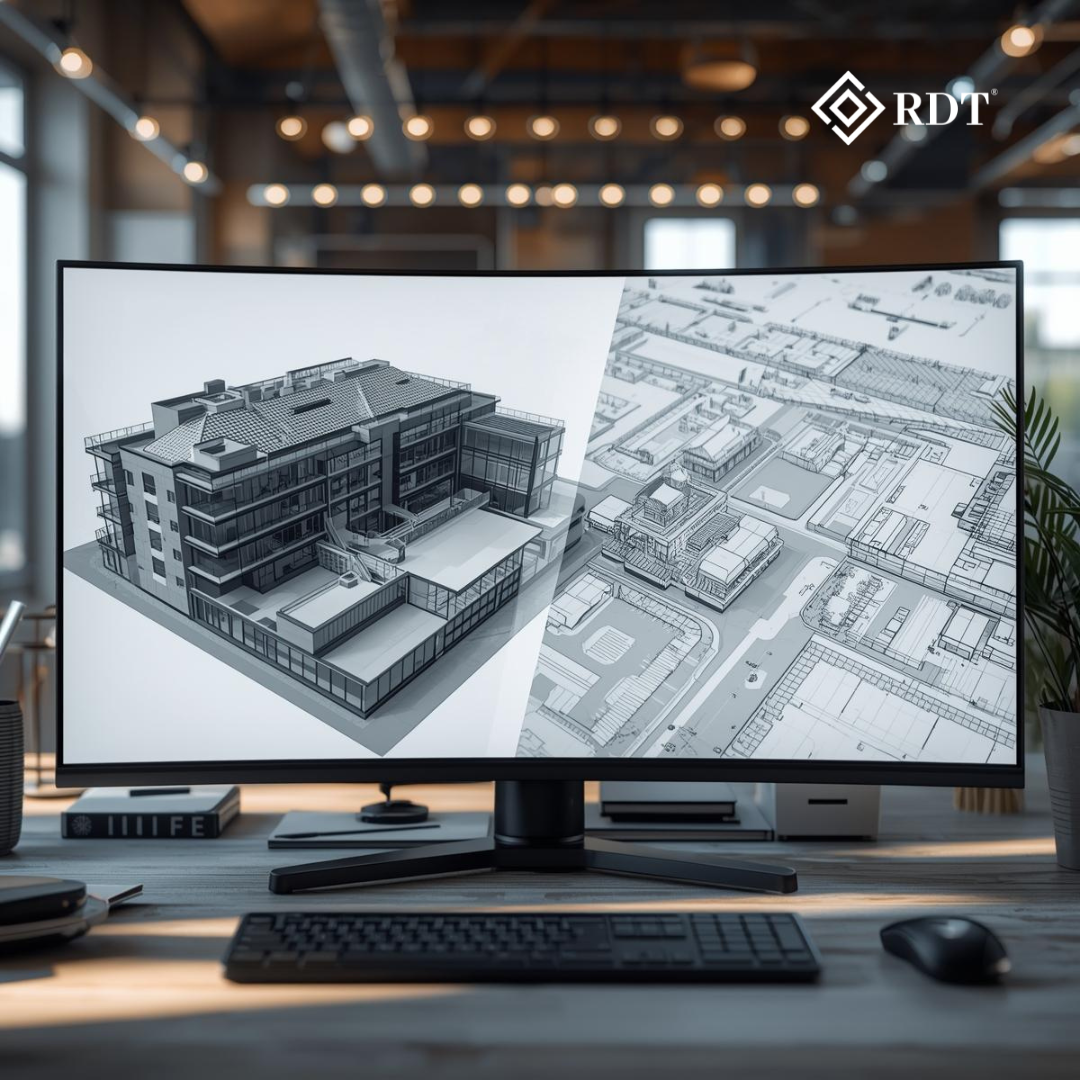
The discussion around BIM versus CAD often creates unnecessary division. In reality modern AEC projects benefit from both tools. CAD provides precise drafting capabilities while BIM delivers integrated coordination and data management.
Many workflows begin with conceptual CAD sketches before transitioning into BIM models for detailed coordination. In other cases BIM models generate 2D drawings that are refined in CAD for fabrication level detail. The technologies complement each other rather than compete.
For example infrastructure projects may use CAD for alignment drawings and utility layouts while using BIM for structural coordination and quantity analysis. This hybrid approach increases efficiency and ensures that each tool is used where it performs best.
Speed and Accuracy in Design Development
In fast paced construction markets speed is critical. CAD allows designers to produce quick revisions during early planning stages. Its lightweight structure makes it ideal for rapid adjustments and client presentations focused on layout.
As projects move into detailed phases BIM provides deeper insight. Changes in one part of the model automatically update related components. This parametric functionality reduces manual errors and saves time during revisions.
Together CAD and BIM create a workflow that balances agility with intelligence. Designers can explore ideas freely while maintaining data accuracy as the project progresses.
Coordination and Clash Detection
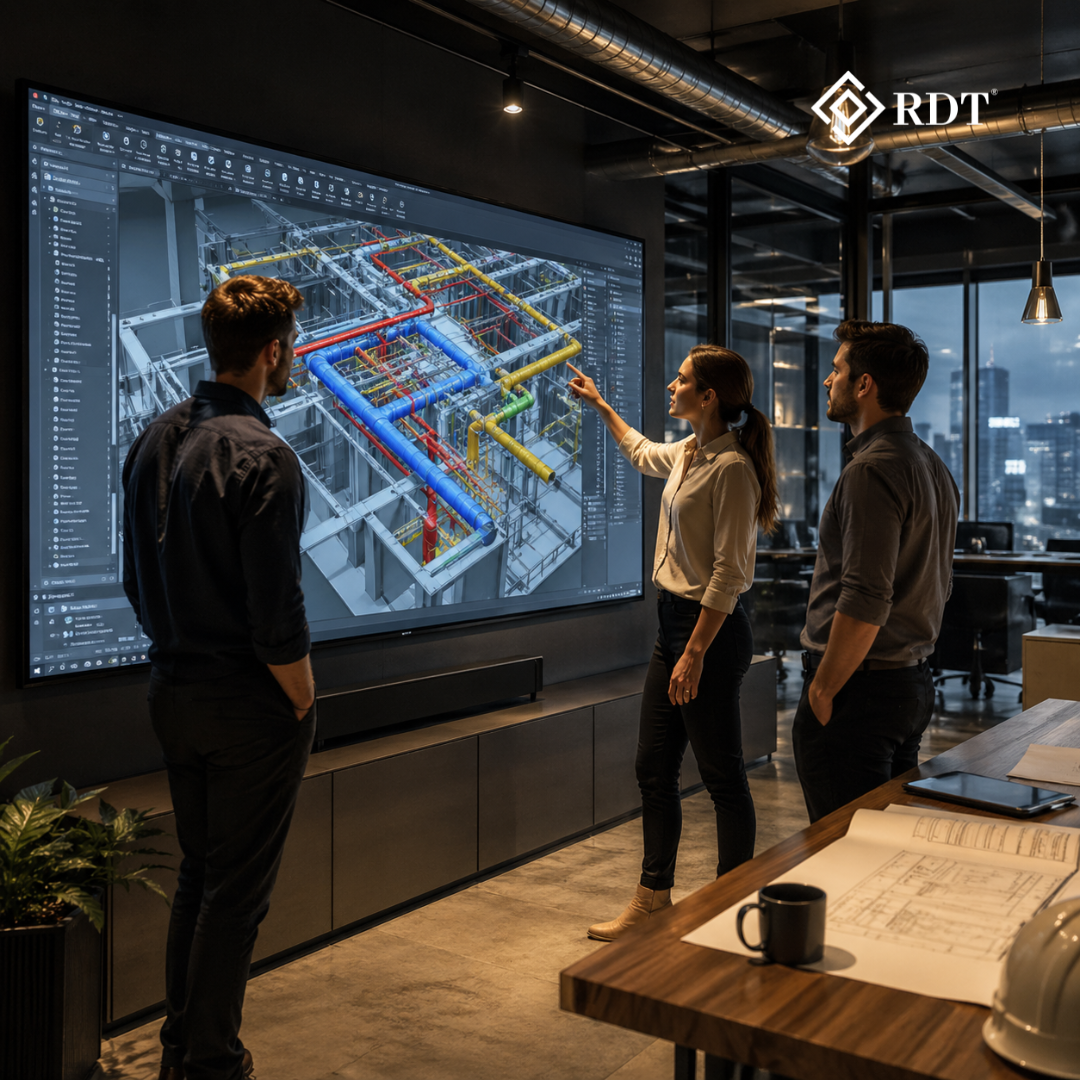
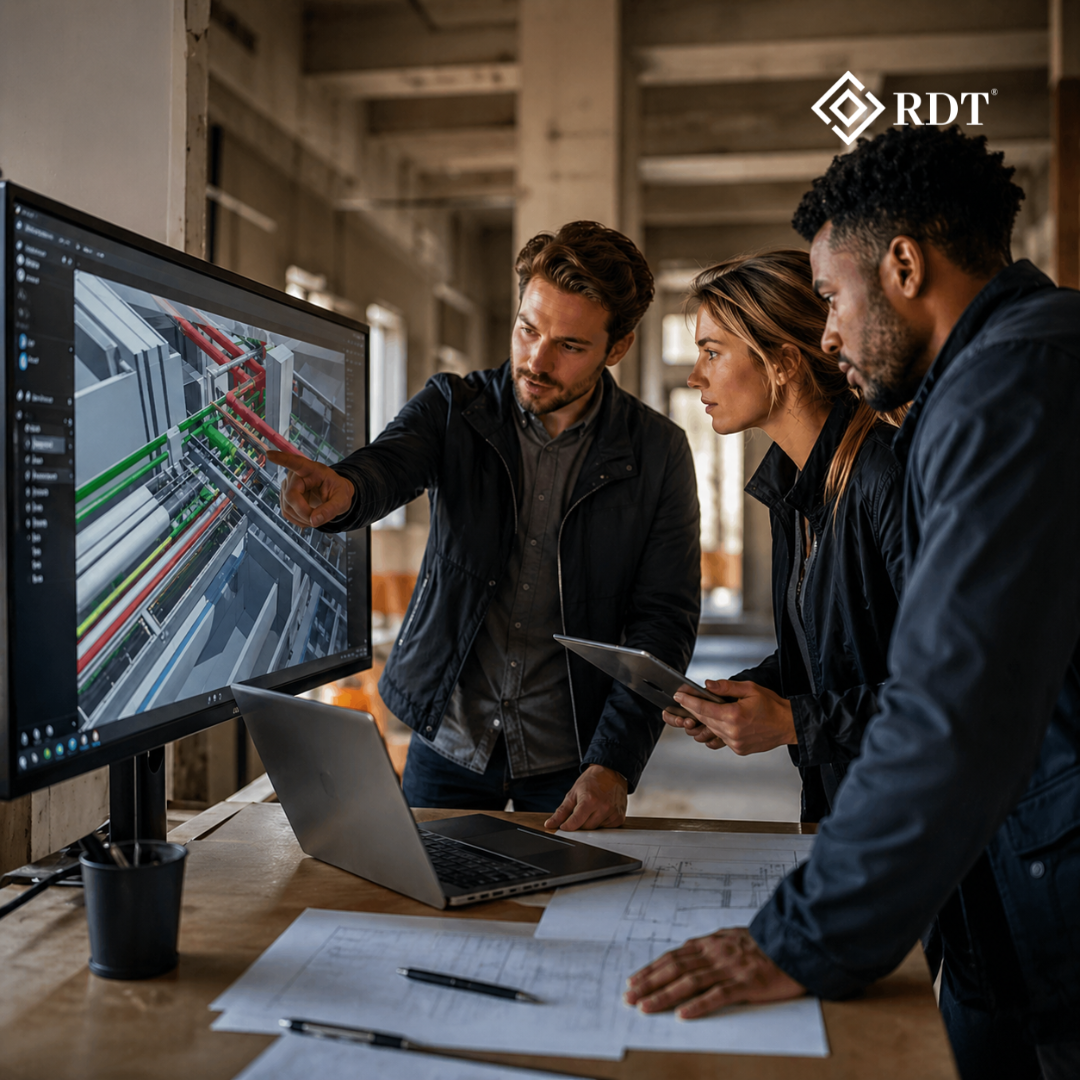
One of the major strengths of BIM is clash detection. When multiple systems such as structure plumbing and ventilation intersect the model identifies conflicts before construction begins. This proactive coordination reduces delays and costly rework.
However detailed fabrication drawings often require CAD precision. After BIM identifies and resolves coordination issues CAD may be used to finalize shop drawings with exact measurements and tolerances.
In 2026 contractors expect coordinated models and precise drawings. Using both BIM and CAD ensures that no detail is overlooked from planning through installation.
Cost Control and Quantity Management
Budget control has become increasingly important due to fluctuating material prices and tight financial margins. BIM supports real time quantity takeoffs and cost analysis by linking model elements with pricing data.
When a design change occurs the impact on cost can be evaluated instantly. This transparency supports informed decision making and helps prevent overruns.
At the same time CAD documentation ensures that contractors receive clear instructions for procurement and fabrication. Accurate drawings reduce misinterpretation and material waste. Together BIM and CAD strengthen financial control throughout the project lifecycle.
Supporting Sustainability Goals
Sustainable construction is a priority in 2026. Energy efficiency material optimization and lifecycle performance are now standard considerations rather than optional features.
BIM supports environmental analysis by simulating energy performance, daylight exposure and material quantities. Organizations such as the U.S. Green Building Council promote data driven approaches through frameworks like Leadership in Energy and Environmental Design.
While BIM handles performance simulation CAD contributes by producing precise documentation required for regulatory approvals and compliance submissions. This combined approach ensures that sustainability goals are achieved without sacrificing clarity in construction documents.
Enhancing Collaboration Across Teams
Modern AEC projects often involve global teams working across different time zones. BIM platforms allow centralized collaboration where updates are visible to all stakeholders. Cloud environments support version control and shared access.
CAD files are also integrated into these workflows. Detailed drawings created in CAD can be linked or referenced within BIM models ensuring consistency between 2D documentation and 3D coordination.
This integrated collaboration reduces misunderstandings and builds confidence among architects, engineers, contractors and clients.
Infrastructure and Large Scale Developments
Large infrastructure projects such as airports, highways and industrial facilities require both BIM and CAD expertise. CAD is frequently used for precise alignment drawings and detailed schematics. BIM models manage structural coordination sequencing and asset data.
Government agencies in many regions now require BIM deliverables for public projects. At the same time traditional CAD documentation remains a contractual requirement in many jurisdictions.
By mastering both technologies firms can meet diverse regulatory standards and client expectations.
Workforce Development in 2026
The demand for digital skills has reshaped the construction workforce. Professionals are expected to understand both CAD drafting principles and BIM modeling techniques. This dual expertise improves adaptability and strengthens project teams.
Training programs now emphasize integrated workflows where CAD and BIM coexist. Firms that invest in skill development gain a competitive advantage by offering comprehensive digital services.
The Strategic Advantage of Using Both
Companies that treat BIM and CAD as complementary tools rather than rivals position themselves for long term success. This balanced approach improves flexibility. Teams can select the most appropriate method depending on project size complexity and client requirements.
Small scale renovations may rely more heavily on CAD while high rise commercial developments depend extensively on BIM coordination. The ability to switch between or combine both technologies increases efficiency and client satisfaction.
In 2026 clients value partners who understand practical realities. They want digital innovation supported by reliable documentation. BIM provides intelligence and coordination. CAD ensures precision and clarity. Together they form a complete digital ecosystem for modern construction.
Looking Ahead
As technology continues to evolve the integration between BIM and CAD will become even smoother. Automation cloud collaboration and data analytics will further strengthen their combined impact.
The future of the AEC industry is not about choosing one system over another. It is about leveraging the strengths of each to deliver smarter projects. Firms that embrace this mindset will remain resilient in a competitive market.
Conclusion
BIM and CAD are both essential pillars of modern AEC projects in 2026. CAD offers precision speed and clarity in documentation. BIM delivers coordination intelligence and lifecycle insight. When used together they create a powerful workflow that enhances design accuracy, reduces risk and improves overall project performance.
The debate between BIM and CAD is no longer relevant. Success lies in understanding how to integrate both technologies effectively. Companies that adopt this balanced strategy are better equipped to meet the demands of complex sustainable and data driven construction environments.
If you are looking to implement an integrated BIM and CAD strategy for your next project partner with RDT Technology. Our expertise ensures accurate modeling, precise documentation and seamless coordination that drive measurable results in today’s evolving construction landscape.