For decades, physical mockups were considered a necessary milestone in major Architecture Engineering and Construction projects. Developers built sample rooms, facade prototypes, and full scale model units to test materials and experience spatial design before full execution. These mockups helped teams reduce uncertainty and provided stakeholders with something tangible to review.
But the industry has changed. Projects are larger, timelines are tighter, margins are thinner, and global collaboration is now standard practice. In this new environment, 3D architectural visualization is steadily replacing physical mockups as the smarter, faster, and more scalable alternative.
This transformation is not about abandoning realism. It is about achieving realism in a more efficient and intelligent way.
The Limitations of Physical Mockups
Physical mockups require land, materials, labor, logistics, and time. A facade mockup alone can demand weeks of preparation, coordination between multiple vendors, and significant financial investment. If revisions are needed after construction, the cost multiplies.
More importantly, a physical mockup represents only one version of a design. If the client wants to explore five facade options or experiment with different interior finishes, each variation requires additional effort and expense. Iteration becomes slow and restrictive.
In a fast moving AEC environment, that rigidity creates friction.
The Flexibility of 3D Architectural Visualization
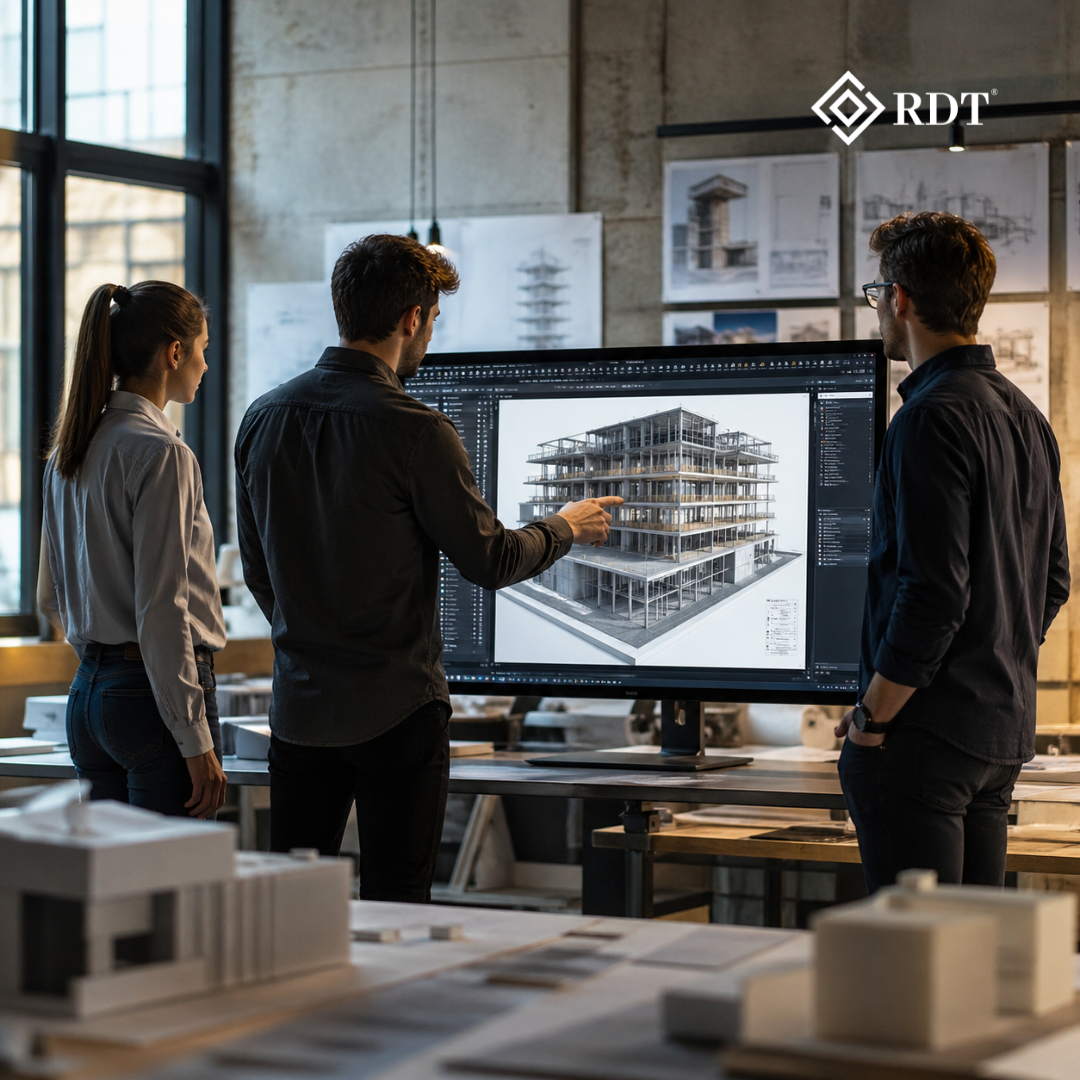
3D architectural visualization eliminates these constraints. Designers can create highly realistic digital representations of buildings long before construction begins. Materials, lighting conditions, textures, and spatial layouts can be adjusted instantly.
If a developer wants to see marble instead of granite, or a darker facade tone, or alternative lobby lighting, those changes can be implemented in hours instead of weeks. There is no need to rebuild anything physically.
This flexibility encourages experimentation. Teams can test multiple concepts, compare options side by side, and refine decisions without financial penalties.
Faster Decision Making
Time is one of the most valuable resources in construction. Delays in early design stages often lead to cascading schedule disruptions during execution.
Physical mockups take time to assemble and review. Coordinating site visits for stakeholders can further slow the process. Any required modification adds another cycle of delay.
With digital visualization, updated renders or walkthroughs can be shared instantly with stakeholders across different cities or countries. Feedback can be gathered remotely. Approvals happen faster. The project moves forward with greater momentum.
In global AEC collaborations, this speed advantage is transformative.
Cost Efficiency and Budget Control
Constructing physical mockups involves procurement, fabrication, transportation, assembly, and eventual dismantling. The financial impact can be substantial, especially in large scale projects such as high rise towers, hospitals, airports, or mixed use developments.
Digital visualization significantly reduces these costs. Once a detailed 3D model is developed, generating multiple visual scenarios requires minimal additional expenditure. Design exploration becomes affordable rather than risky.
For developers and investors focused on financial discipline, this shift provides both savings and predictability.
Integration With BIM and Coordinated Models
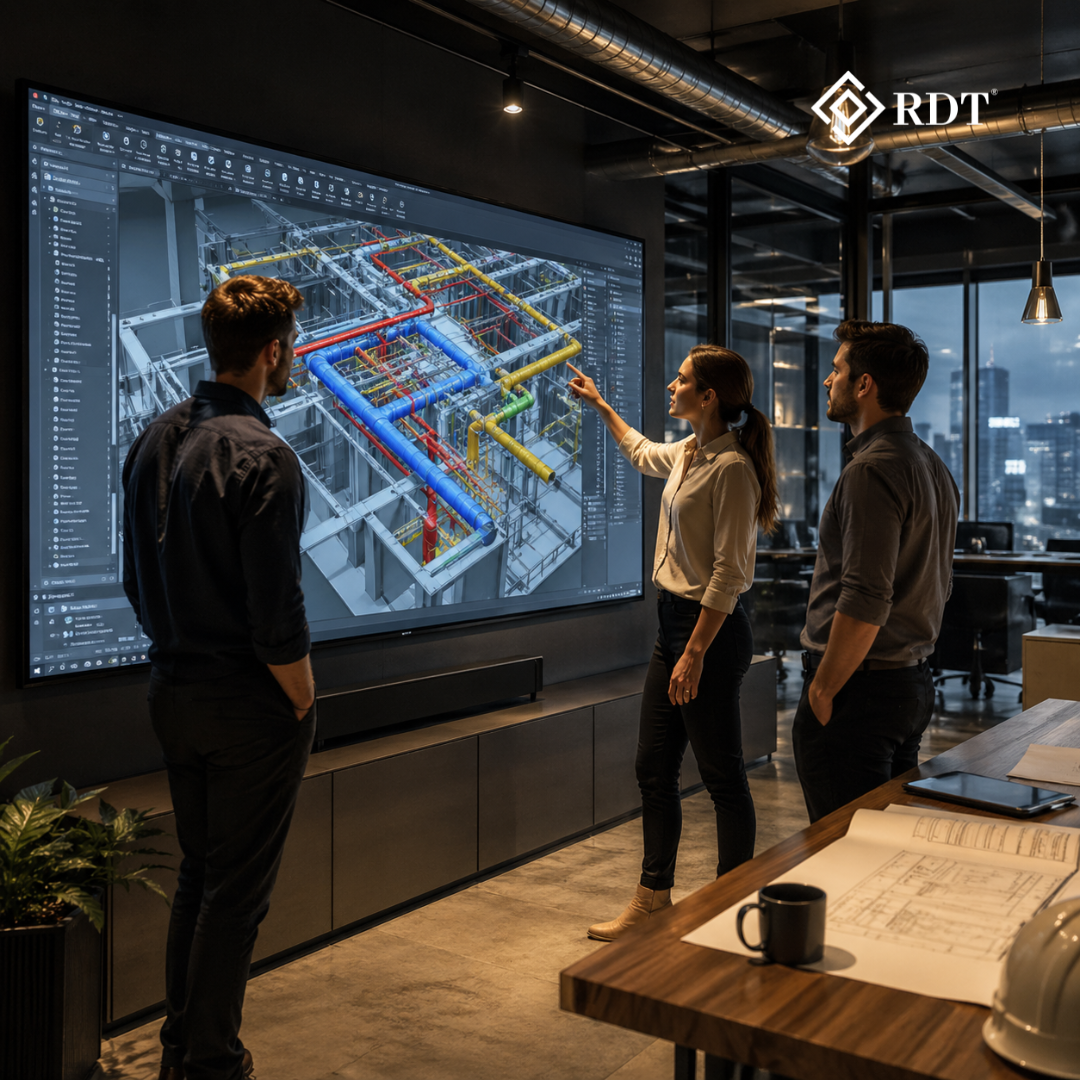
Modern AEC workflows rely heavily on Building Information Modeling. BIM environments contain coordinated architectural, structural, and MEP systems within a single data rich model.
3D architectural visualization can be generated directly from these coordinated models. This ensures consistency between drawings, schedules, quantities, and visual outputs. When a design change occurs, it updates across the entire digital ecosystem.
Physical mockups do not integrate with this workflow. They exist as isolated prototypes that may not reflect the most recent model revisions. This disconnect increases the risk of misalignment between visualization and actual construction.
Staying within the digital environment improves accuracy and coordination.
Enhanced Stakeholder Communication
Not every stakeholder can interpret technical drawings with ease. Clients, investors, and marketing teams often rely on visual representation to understand a project fully.
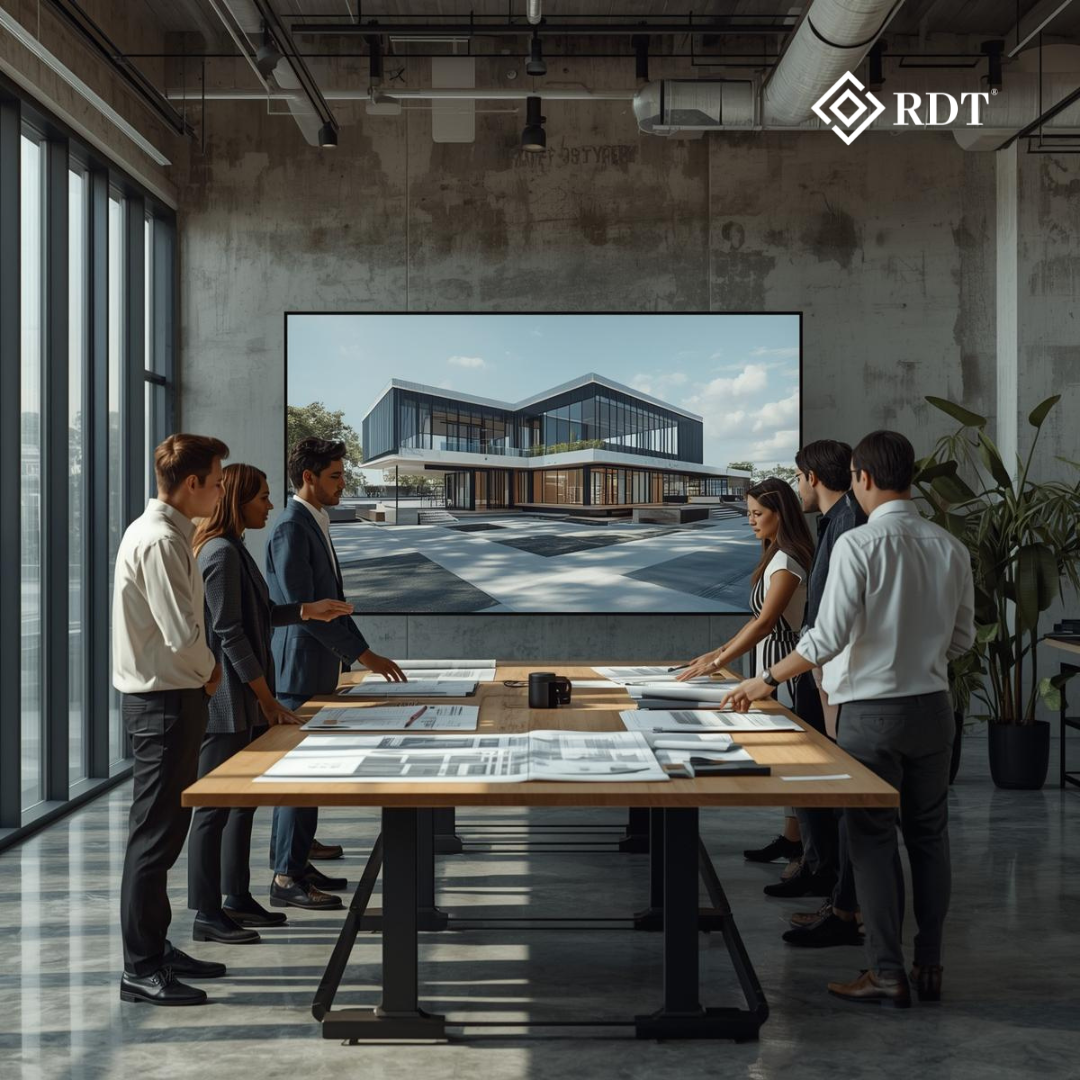
High quality 3D renderings and immersive walkthroughs make complex designs accessible. They communicate scale, atmosphere, materiality, and lighting in a way that 2D plans cannot. Stakeholders gain clarity and confidence before committing to major decisions.
While physical mockups provide tangible experience, they are limited to those who can visit the site. Digital visualizations can be shared globally, expanding collaboration and inclusivity.
Sustainability and Reduced Waste
Sustainability has become a defining priority in construction. Reducing material waste and minimizing environmental impact are central goals for modern developments.
Physical mockups consume materials that are often discarded after approval. This contributes to waste and unnecessary carbon footprint. Digital visualization eliminates this issue entirely. Materials are simulated rather than physically consumed.
By replacing unnecessary physical prototypes with digital alternatives, AEC firms align better with environmental responsibility and sustainable development principles.
Risk Mitigation and Early Conflict Detection
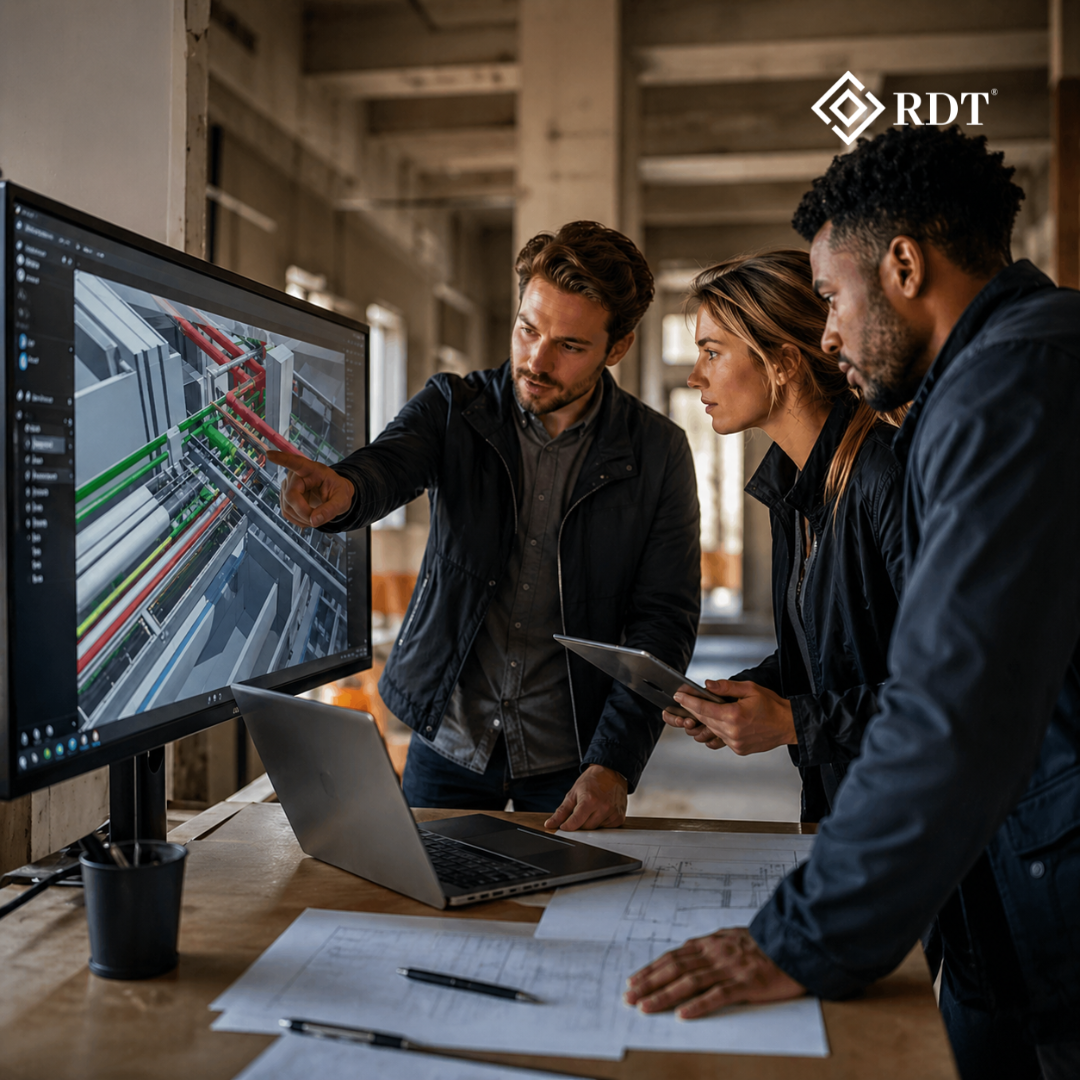
One of the most powerful advantages of 3D visualization is its ability to reveal issues before construction begins. When integrated with coordinated BIM models, teams can identify spatial conflicts, service clashes, and constructability challenges early in the design phase.
Resolving issues digitally is far less expensive than correcting them on site. Early clarity reduces rework, prevents delays, and protects budgets.
Physical mockups may highlight aesthetic concerns, but they rarely capture the full complexity of building systems integration. Digital models provide a comprehensive perspective.
Marketing and Pre Sales Benefits
In residential and commercial developments, marketing often begins before construction is complete. Photorealistic renderings and immersive virtual tours allow buyers to experience spaces long before they exist physically.
This accelerates sales cycles and strengthens investor confidence. Buyers can connect emotionally with a space through carefully crafted visuals that simulate real world lighting and ambiance.
Creating physical model units for marketing is possible, but it is expensive and location dependent. Digital visualization offers broader reach and scalability.
Are Physical Mockups Obsolete
Physical mockups still have a role in certain specialized cases. Performance testing for facades, acoustic validation, or tactile material evaluation may require real world prototypes. Luxury projects may also demand hands-on review of premium finishes.
However, these use cases are becoming selective rather than standard. For most design validation, presentation, and coordination tasks, 3D architectural visualization offers superior efficiency and flexibility.
The industry is not abandoning physical experience entirely. It is simply reserving it for situations where it truly adds value.
The Direction of the Industry
As rendering technologies continue to evolve, digital experiences are becoming increasingly realistic. Real time visualization tools and immersive environments allow clients to walk through projects interactively. Lighting simulations replicate different times of day. Environmental analysis integrates seamlessly with design models.
The future of AEC is rooted in intelligent information management. Visualization is no longer just about aesthetics. It is about clarity, coordination, and confident decision making.
Projects today demand agility. Digital tools provide that agility without compromising quality.
Conclusion
3D architectural visualization is replacing physical mockups because it delivers flexibility, speed, cost efficiency, sustainability, and improved collaboration. In an industry defined by complexity and tight schedules, digital visualization empowers teams to explore ideas freely and resolve challenges early.
The shift is practical, strategic, and inevitable. As AEC projects grow in scale and ambition, relying solely on traditional mockups limits potential. Embracing advanced visualization transforms the way buildings are designed, communicated, and delivered.
If you are ready to modernize your project workflow and reduce costly inefficiencies, it is time to rethink how you validate and present your designs.
Partner with RDT Technology to harness the full power of BIM driven 3D architectural visualization. Let RDT Technology help you replace uncertainty with clarity and move your AEC projects forward with confidence.